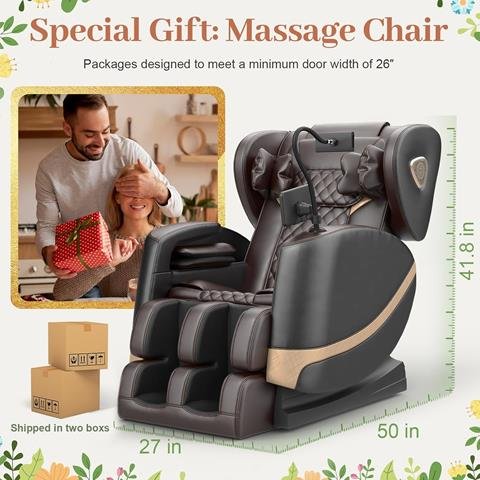
Most people can use a massage device 2–4 times per week for 5–20 minutes per session.
I’ve spent years testing handheld massagers, percussion guns, and rollers with athletes and everyday users. I know what works, what’s safe, and why frequency matters. This guide breaks down exactly how often should you use a massage device, with clear rules, device-specific advice, safety tips, and a simple routine you can start today.
Today's Exclusive Deals
Limited-time Exclusive Deals. Check current discount on Amazon.
Check Price on Amazon As an Amazon Associate I earn from qualifying purchases.
Understanding massage devices and why frequency matters
A massage device is any tool that applies pressure, vibration, or percussion to soft tissue. Devices range from simple foam rollers to high-power percussion guns and electric massage chairs. Each type targets muscles and nerves in a slightly different way.
Using a device more often can speed recovery and reduce tension. Using it too often or too long can cause soreness, bruising, or irritation. That balance is why the question of how often should you use a massage device is important for safety and results.
Common goals people chase are:
- Pain relief and muscle recovery
- Increased blood flow and mobility
- Stress reduction and relaxation
I have seen beginners use a percussion gun daily and end up sore for days. I’ve also seen athletes use gentle vibration daily and improve sleep and recovery. The right frequency depends on the goal and the tool.

How often should you use a massage device: clear, practical guidelines
General rules for how often should you use a massage device:
- For general relaxation: 2–4 times per week for 10–15 minutes.
- For post-workout recovery: 10 minutes after intense sessions; 3–5 times per week as needed.
- For chronic tightness: 3–4 short sessions per week, or daily low-intensity sessions for problem areas.
- For acute soreness or inflammation: limit to gentle 5–10 minute sessions and consult a professional if pain persists.
Session length guidance:
- Short session: 3–5 minutes per area for quick relief.
- Standard session: 8–15 minutes focused on problem areas.
- Extended session: 20–30 minutes only for low-intensity devices like rollers or chairs.
Why these limits work:
- Short sessions raise blood flow without causing extra inflammation.
- Frequent short sessions often help more than long infrequent sessions.
- Intense percussive tools can overload tissues if used daily at high speed.
From my tests, a 10-minute daily routine with a low-intensity device helped my neck tension within two weeks. When I used a high-speed percussion gun every day at max power, I developed tenderness and had to back off. That taught me to match frequency to device intensity.
Factors that change how often should you use a massage device
Not everyone should follow the same schedule. Consider these factors:
- Age: Older tissues need gentler, shorter sessions.
- Fitness level: Active people recover faster and may use devices more often.
- Pain type: Chronic tightness vs. acute injury require different frequency.
- Device intensity: High-power percussion needs less frequent use.
- Skin and tissue sensitivity: Bruising or thin skin needs extra caution.
- Medical conditions: Blood clot risk, pregnancy, recent surgery, or certain illnesses change recommendations.
If you have a medical condition, ask a clinician before regular use. When in doubt, start with 3–5 minute sessions and gauge how your body responds.
Recommended frequency by device type
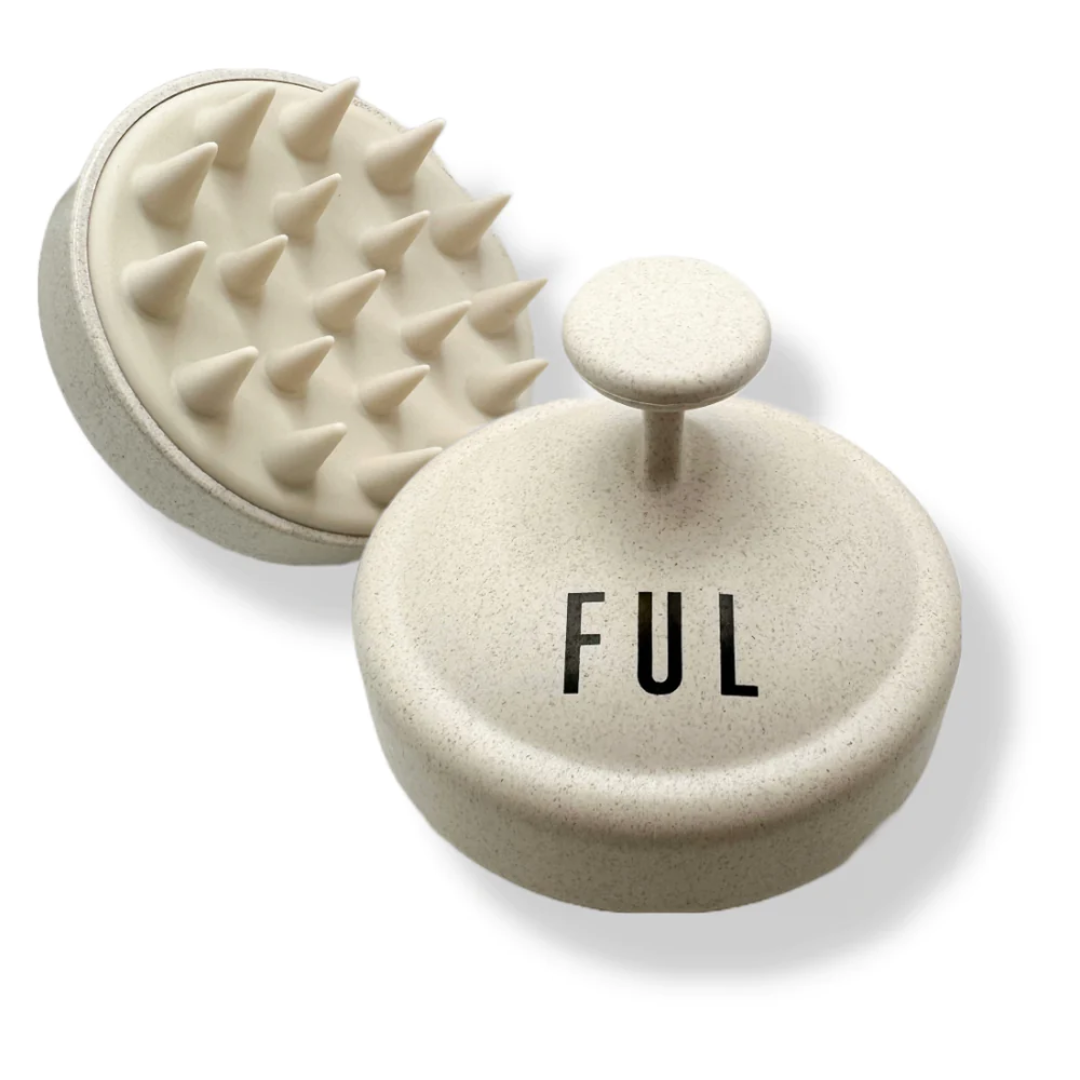
Different tools work best on different schedules. Here’s a simple guide to how often should you use a massage device by type.
Foam roller
- Frequency: 3–6 times per week
- Duration: 5–15 minutes per session
- Notes: Good for mobility and myofascial release; can be used daily at low intensity.
Percussion gun
- Frequency: 2–4 times per week
- Duration: 2–10 minutes per muscle group
- Notes: High intensity. Start low and avoid bones and joints.
Vibration massager
- Frequency: 3–7 times per week
- Duration: 5–15 minutes
- Notes: Gentle vibration can be used more often for relaxation.
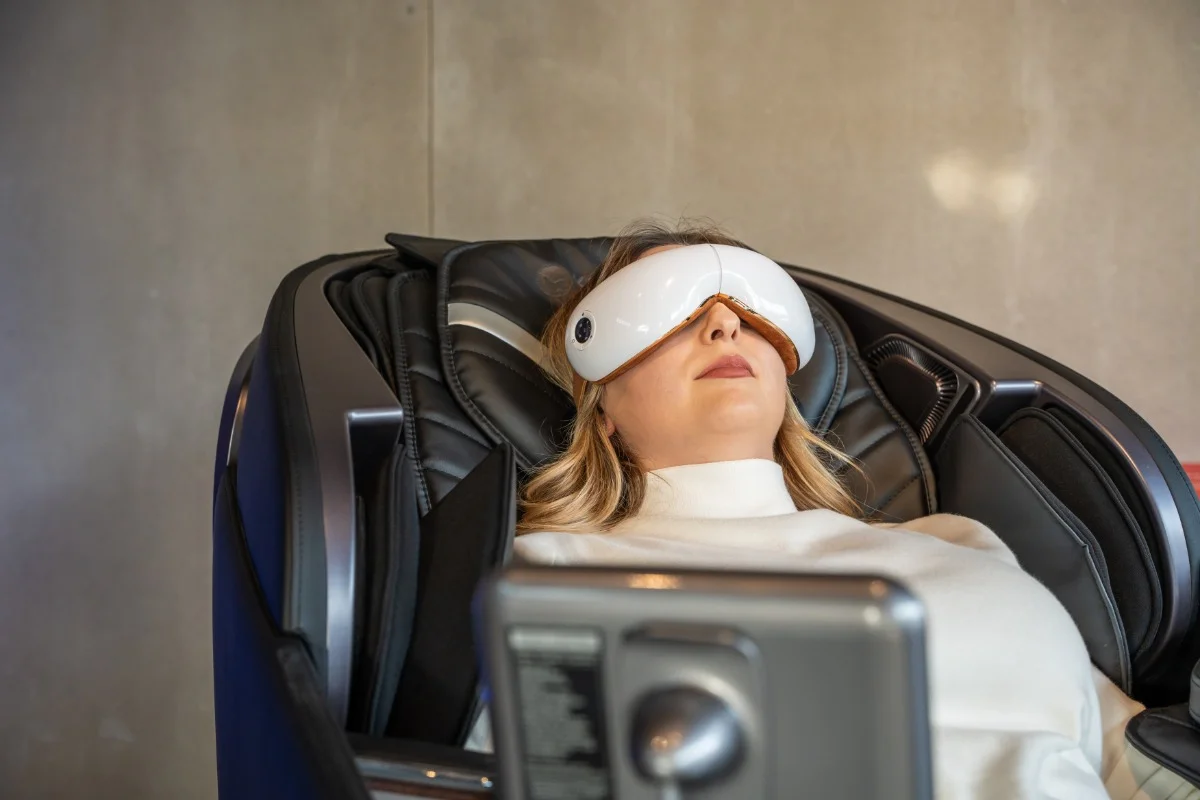
Massage chair
- Frequency: 2–5 times per week
- Duration: 15–30 minutes
- Notes: Low to moderate intensity; good for relaxation and circulation.
Handheld rollers and sticks
- Frequency: 3–6 times per week
- Duration: 5–15 minutes
- Notes: User controls pressure, so adjust frequency by intensity.
Foot massager
- Frequency: 4–7 times per week
- Duration: 10–20 minutes
- Notes: Feet tolerate frequent low-intensity work well.
Match how often should you use a massage device to the device power. The more forceful the tool, the less often it should be used at high settings.

Safety, contraindications, and best practices
Safety first when deciding how often should you use a massage device. Follow these rules:
- Avoid broken skin, open wounds, or recent bruises.
- Don’t use over varicose veins, swollen areas, or where you feel sharp pain.
- Avoid using a massage gun directly on bones, the spine, or neck arteries.
- If you have blood clot risk, heart conditions, or cancer, get medical clearance.
- Reduce intensity and duration if you notice increased pain, numbness, or bruising.
Best practice tips:
- Start low. Test settings for 30–60 seconds on a small area.
- Keep sessions short for new users: 3–5 minutes per area.
- Hydrate and follow with gentle stretching or mobility work.
- Track how you feel 24–48 hours after sessions to guide frequency changes.
I once ignored a twinge in my hamstring after a session. I kept using the same intensity and made the strain worse. After backing off and switching to lighter daily sessions, it healed much faster. Learn from small mistakes like that.
How to build a simple, effective massage-device routine
A routine helps answer how often should you use a massage device in a practical way. Here’s a sample plan:
Daily quick relief (5–10 minutes)
- Use a low-intensity device on tight areas after work.
- Great for neck, shoulders, and calves.
Post-workout recovery (10–15 minutes)
- Use a percussive or vibration device lightly on worked muscles.
- Aim for 2–4 times per week after heavy training.
Deep-release session (15–25 minutes)
- Use once or twice a week with foam roller or chair.
- Roll through larger muscle groups and focus on mobility.
Rest and reassess
- Take full rest days from devices when you feel overly sore.
- If pain persists longer than a week, see a clinician.
Practical steps to start:
- Pick one or two devices you enjoy using.
- Start with short sessions and track soreness.
- Increase frequency slowly if you feel benefits.
- Lower intensity if you see increased soreness or bruising.

Common quick questions people ask
What’s the difference between daily light use and weekly deep use?
- Daily light use gently improves blood flow and relaxes muscles. Weekly deep use targets adhesions and longer-term mobility changes.
Can I use a massage device every day?
- You can use low-intensity devices daily for short periods. High-intensity tools should be used less often to avoid tissue overload.
Will frequent massage prevent injury?
- Regular, moderate use can help mobility and reduce tightness, which lowers injury risk. It is not a guaranteed prevention method; training and rest also matter.
Is it normal to feel soreness after a session?
- Mild soreness can occur after deep work. If soreness is sharp or persistent, reduce frequency and consult a professional.
How long until I see results?
- Many people feel relief after the first session. Lasting changes in mobility and pain often take 2–6 weeks of consistent, properly spaced use.

Frequently Asked Questions of How often should you use a massage device
How many times per week should I use a massage device for recovery?
Use a massage device 2–4 times per week for recovery, with short sessions focused on worked muscles. Adjust based on soreness and device intensity.
Can I use a percussion gun every day?
It’s better to limit a percussion gun to 2–4 times weekly at moderate settings. Daily high-intensity use can cause irritation or bruising.
How long should each massage device session last?
Keep sessions short: 3–5 minutes per area for beginners, 8–15 minutes for typical use, and no more than 20–30 minutes for low-intensity devices.
Should I use a massage device before or after exercise?
Use gentle massage or light vibration before exercise to warm tissue, and use deeper work after exercise to aid recovery. Match intensity to your goal.
What signs mean I’m using a device too often?
Signs include persistent soreness, bruising, numbness, or increased pain after sessions. If these occur, reduce frequency and consult a health professional.
Conclusion
Knowing how often should you use a massage device comes down to clear goals, device type, and how your body responds. Start with short, low-intensity sessions, increase frequency slowly, and back off when you see soreness or bruising. Use devices to support recovery, mobility, and stress relief—not as a replacement for rest and medical care.
Try a two-week plan: two focused recovery sessions and three short relaxation sessions. Track how you feel and adjust. If this guide helped, try a session tonight and share your experience in the comments or subscribe for more practical recovery tips.