
Incorrect use of massage devices can cause bruises, burns, nerve damage, and worsen medical conditions.
I have tested dozens of massage guns, rollers, and electric massagers in clinics and at home. I know common mistakes and how they harm the body. This guide explains what are the risks of using massage devices incorrectly, how those risks happen, and clear steps to avoid them. Read on for practical tips, warning signs, and safe routines backed by experience and research.

Today's Exclusive Deals
Limited-time Exclusive Deals. Check current discount on Amazon.
Check Price on Amazon As an Amazon Associate I earn from qualifying purchases.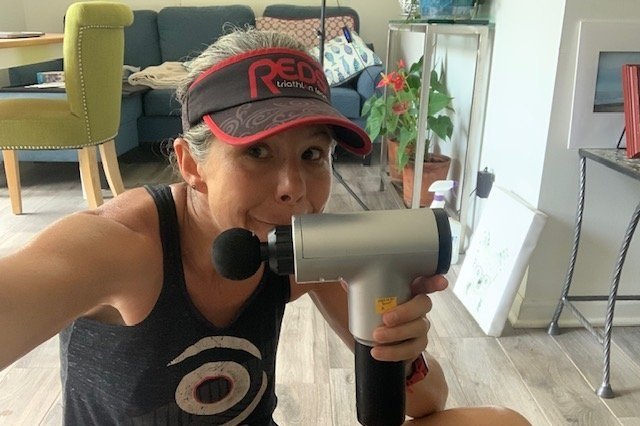
How massage devices work and why misuse matters
Massage devices deliver targeted pressure, vibration, or heat to soft tissue. They ease muscle tension, boost circulation, and help recovery when used right. But the same power that heals can harm when applied too long, too hard, or to the wrong place. Understanding how these tools work helps explain what are the risks of using massage devices incorrectly.

Common ways people use massage devices incorrectly
- Applying pressure for too long on one spot. This can crush tissue and reduce blood flow.
- Using the device at the highest setting right away. Sudden intense force can bruise muscles.
- Targeting bony areas or joints instead of soft muscle tissue. That hurts and can irritate joints.
- Ignoring pain as a signal. Pain is a warning; pushing through it often causes more harm.
- Using heat or vibration over open wounds or skin infections. That spreads irritation and delays healing.
Specific risks and injuries from incorrect use
- Bruising and soft tissue damage: Strong percussion or deep pressure can break tiny blood vessels and cause bruises. Repeated abuse delays healing.
- Nerve irritation and neuropraxia: Directly pressing on nerves or using a device near nerve pathways can cause tingling, numbness, or weakness.
- Worsening inflammation: Using intense massage on acute injuries can increase swelling and pain.
- Skin burns and irritation: Heated devices or long friction can burn thin or sensitive skin.
- Compartment pressure and reduced circulation: Excessive deep pressure may impede blood flow in tight muscle compartments.
- Masking serious problems: Relying on massage devices to "fix" sharp or persistent pain can delay diagnosis of fractures, herniated discs, or vascular issues.
What are the risks of using massage devices incorrectly? These effects are common and avoidable with care and knowledge.
Who is at higher risk
- People on blood thinners or with clotting disorders. They bruise easily and can bleed internally.
- Those with diabetes or neuropathy. They may not feel pain and can injure tissue without noticing.
- Pregnant people. Certain pressure points and deep tissue work are not safe in pregnancy.
- People with recent surgery, fractures, or implanted devices. Massage can disrupt healing or devices.
- Older adults with thin skin or fragile bones. They bruise and fracture more easily.
If you belong to any of these groups, ask a medical professional before using devices. Knowing your risk profile prevents harm.

Safe use guidelines and practical steps
- Read the manual. Start with the manufacturer’s safety tips and settings.
- Start slow. Use low intensity and short sessions to test tolerance.
- Avoid bones, the spine, and the neck front. Stick to large muscle bellies like the calves, quads, and shoulders.
- Keep sessions short. Limit focused work to 1–2 minutes per spot and 10–15 minutes total per area.
- Use motion. Glide the device rather than holding it in one place.
- Watch for red flags. Stop if you see severe bruising, numbness, sharp pain, or swelling.
- Clean the device. Prevent skin infections by following hygiene steps.
These habits reduce what are the risks of using massage devices incorrectly and make home therapy safe.
When to stop and seek medical help
- Sudden sharp pain, loss of function, or increasing numbness. These are signs to stop immediately.
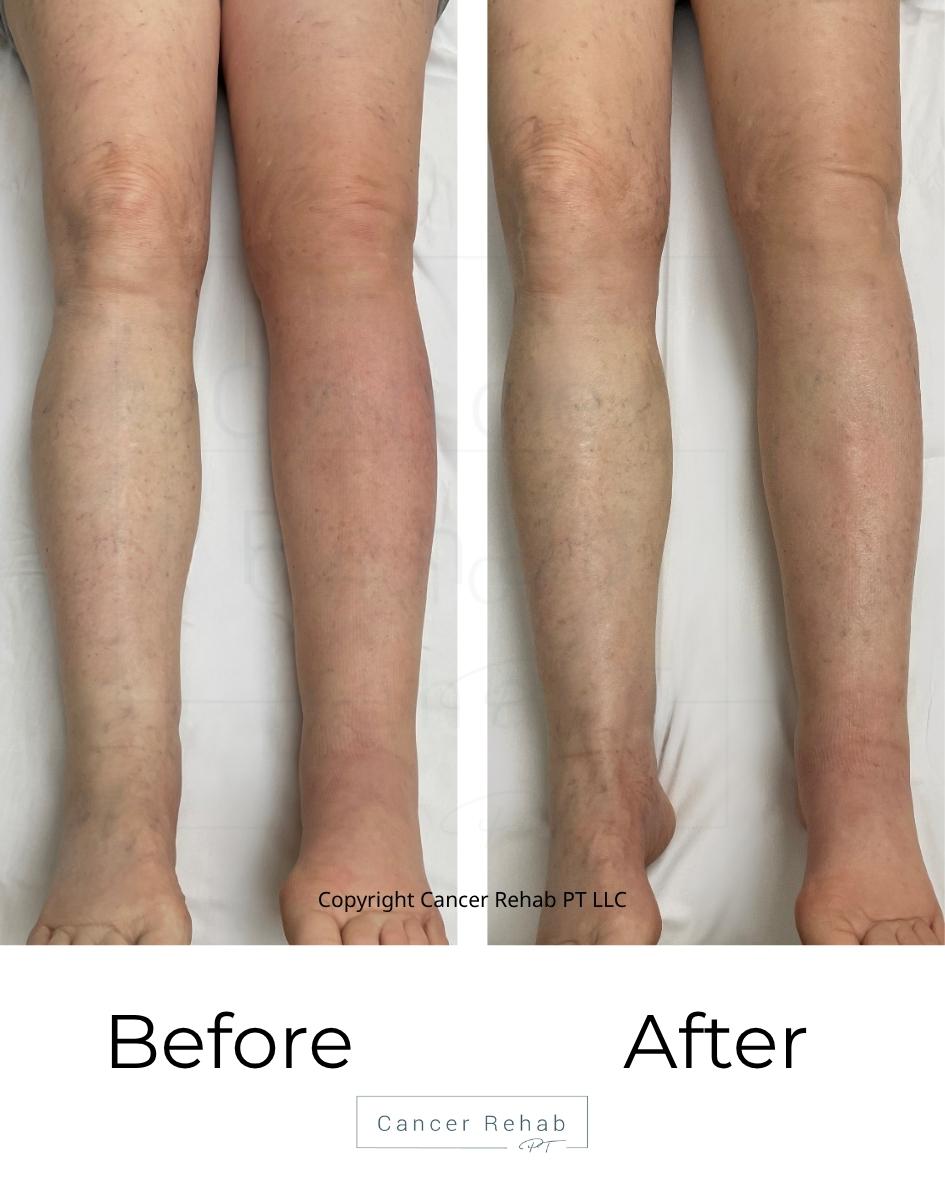
- Severe swelling, bruising that grows, or a hot, red area. These may mean infection or internal bleeding.
- Dizziness, fainting, or an unusual heart response. Stop and seek urgent care.
- Pain that persists despite rest. If massage seems to mask a problem, see a clinician for a proper diagnosis.
Acting quickly helps avoid long-term damage and clarifies whether massage devices are appropriate for your issue.
Personal experience: lessons from testing and clinic work
I once pushed a client’s calf with a high-speed massage gun for too long. That led to a bruise and a week of extra soreness. I learned to use shorter bursts and a lower head for small muscles. At home, I damaged thin skin by using heat and vibration together. Now I check skin and sensation before each session. These mistakes taught me practical limits and how to explain safe use to people I help. That real-world experience shapes the advice here.

Tips for choosing a safe device
- Look for adjustable intensity and clear safety labels. Control matters.
- Choose a device with multiple heads for different tissues. A soft head for tender areas reduces risk.
- Prefer well-reviewed brands and warranties. Quality reduces malfunctions.
- Check battery and heat specs. Overheating can burn skin.
- Read return and repair policies. Good support helps if something goes wrong.
Selecting the right tool lowers the odds of damage and reduces what are the risks of using massage devices incorrectly.
My recommended routine for safe home use
- Warm up: Light movement for 3–5 minutes.
- Test: 15–30 seconds on low intensity to gauge tolerance.
- Treat: 1–2 minutes per spot, moving continuously.
- Cool down: Gentle stretching or walking.
- Frequency: 2–3 times per week for chronic tightness; less for acute pain.
This routine keeps sessions short and focused. It minimizes the common mistakes that cause harm.
Frequently Asked Questions of What are the risks of using massage devices incorrectly
Can massage devices cause nerve damage?
Yes. Direct pressure on nerves or high-intensity percussion over nerve paths can cause numbness, tingling, or temporary weakness. Stop use and see a clinician if symptoms appear.
How long is too long to use a massage device in one spot?
More than 1–2 minutes on one point is often too long. Prolonged pressure raises the risk of bruising, nerve irritation, and tissue damage.
Are massage devices safe for people on blood thinners?
They are higher risk. People on blood thinners bruise more easily and should consult a doctor before use to avoid bleeding complications.
Can massage devices worsen an injury?
Yes. Using intense massage on acute sprains, fractures, or inflamed tissue can increase pain and swelling and delay healing. Seek professional advice for injuries.
Is it safe to use massage devices every day?
Daily use is okay for gentle, short sessions on healthy tissue. High-intensity daily use increases the chance of damage and should be avoided.
Conclusion
Misuse of massage tools can lead to bruises, nerve problems, worsened injuries, burns, and delayed diagnosis. Learn how the devices work, start slow, avoid risky spots, and stop when you feel pain. My hands-on experience and clinic work show that short, controlled routines and common-sense checks keep results positive and safe. Take what you learned here and use it to protect your body. Try a cautious routine today, ask a professional when in doubt, and share your experience or questions below.

