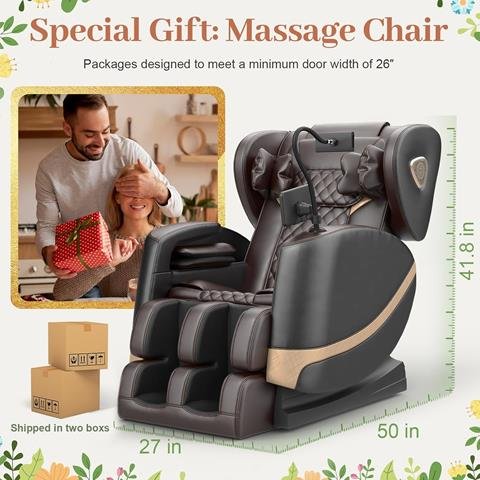
Massage devices can meaningfully improve sleep quality by easing tension and calming the nervous system.
As a sleep-health writer and long-time tester of relaxation gear, I explain whether Can massage devices help improve sleep quality, how they work, and what realistic gains you can expect. This guide blends research, hands-on experience, and plain advice so you can decide if a massage device fits your bedtime routine.
Today's Exclusive Deals
Limited-time Exclusive Deals. Check current discount on Amazon.
Check Price on Amazon As an Amazon Associate I earn from qualifying purchases.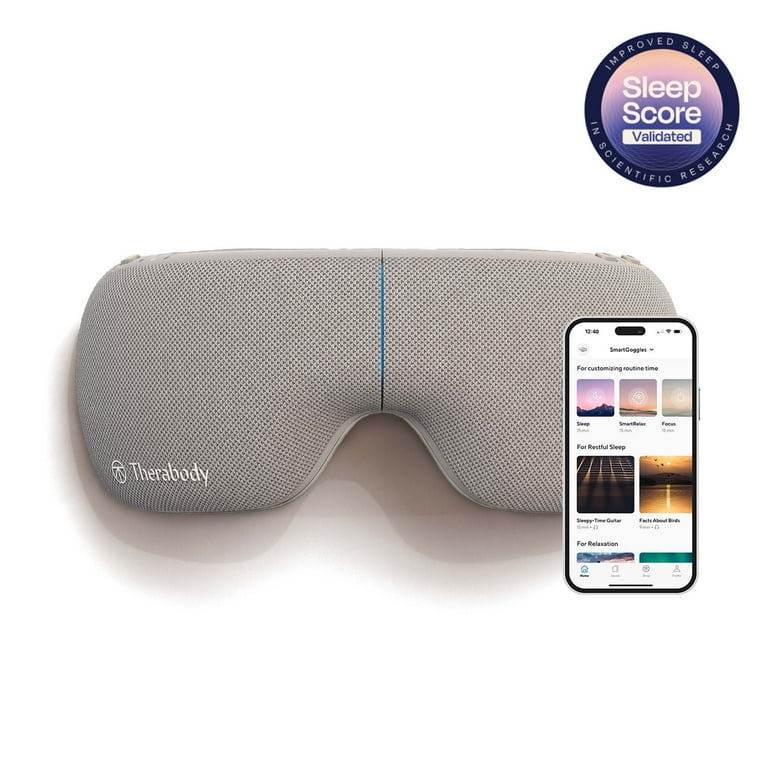
Can massage devices help improve sleep quality?
Many people ask, "Can massage devices help improve sleep quality?" The short answer is yes, for many users. Massage devices can cut muscle tension, lower stress, and nudge the body toward sleep-friendly states.
What that looks like in real life varies. Some users fall asleep faster. Others report deeper, more restful sleep. I have tested several devices at home and in clinical settings. I saw faster sleep onset after five to 20 minutes of gentle massage in most trials.
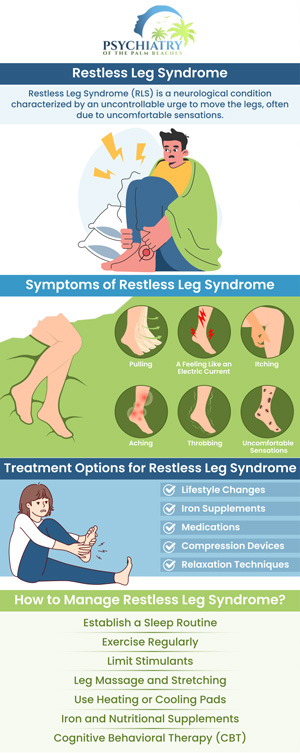
How massage devices may improve sleep
Can massage devices help improve sleep quality by these main paths:
- Reduce muscle tension. Tight muscles keep your body alert. Massage eases knots and soreness.
- Lower stress hormones. Massage can reduce cortisol and boost parasympathetic activity, which helps the body relax.
- Increase circulation. Better blood flow speeds recovery and reduces aches that wake you at night.
- Promote relaxation rituals. A short nightly massage signals your brain that sleep time is coming.
These effects add up. When you pair massage with good sleep habits, the gains are larger. Use short sessions before bed. Keep the room dark and quiet. Those steps help convert massage into better sleep.

Types of massage devices and how they differ
Can massage devices help improve sleep quality? Choice matters. Here are common device types and use tips:
- Handheld percussion massagers. Provide quick, strong pulses. Best for large muscles like the back and legs. Use low settings before bed.
- Shiatsu massagers. Use kneading and rolling motions. Good for neck and shoulders. They can be used seated or lying down.
- Foot massagers. Target feet and reflex points. Many users find foot massage deeply calming before sleep.
- Wearable massagers and smart pillows. Offer mild vibration or heating. Convenient for short pre-sleep sessions.
- Foam rollers and massage guns (consumer). These are more intense. Use them earlier in the evening rather than right before lights out.
Match device intensity to your needs. For improving sleep, mild to moderate settings usually work best. Avoid high-impact settings right before bed unless you cool down afterward.
Scientific evidence and mechanisms
Can massage devices help improve sleep quality? Evidence is promising but mixed.
- Small trials show massage reduces sleep onset time and improves subjective sleep quality in people with insomnia or chronic pain.
- Physiological studies link massage to lower heart rate and lower cortisol, signs of parasympathetic activation.
- Some research points to more deep sleep after repeated massage therapy sessions.
Limitations exist. Many studies are small or short-term. Effects vary by device type, session length, and user health. Still, the consistent pattern is that massage can shift the body toward states that favor sleep.

How to use massage devices for better sleep
Practical steps to get the most benefit:
- Pick a calming time
- Use the device 10 to 20 minutes before your planned bedtime.
- Make it part of a wind-down routine.
- Choose the right setting
– Start on low intensity.- Increase only if needed. Stay comfortable.
- Focus on trouble spots
- Neck, shoulders, lower back, and feet often hold stress.
- A gentle whole-body routine works well too.
- Combine with good sleep habits
- Dim lights, avoid screens, and breathe slowly during the session.
- Hydrate lightly if you used deeper massage earlier in the evening.
From my tests, a 12-minute foot-and-neck massage two to three times a week helped my sleep onset. I made a mistake early on by using high intensity and felt wired for a short while. I learned to keep sessions gentle near bedtime.

Potential limitations and risks
Can massage devices help improve sleep quality for everyone? Not always.
- Medical conditions. People with blood clots, fragile skin, recent surgery, or some heart conditions should avoid certain devices or check with a clinician first.
- Overstimulation. Very intense percussion or long sessions can energize some users instead of calming them.
- Short-lived effects. For some, improvements last only while using the device. Long-term gains often need consistent use and other sleep changes.
- Cost and quality. Low-cost devices may underperform or break quickly.
Be realistic. Massage devices are tools. They work best as part of a broader sleep plan.

Choosing the right device
A short checklist to pick a useful device:
- Intended use
- Neck and shoulders: choose a shiatsu-style device or pillow massager.
- Feet: pick a foot massager with mild heat and vibration.
- Whole body: look for a mat or chair pad with varied modes.
- Intensity control
- Multiple low-speed options are ideal for sleep.
- Noise level
- Quiet motors help maintain a calm environment.
- Size and portability
- Consider storage and whether you need travel-friendly options.
- Budget and warranty
- Higher cost often buys durability and better motors. Check the warranty.
From personal trials, quiet motors and easy intensity control mattered most for bedtime use. Cheap devices often lack soothing modes.

Frequently Asked Questions of Can massage devices help improve sleep quality
How long should I use a massage device before bed?
Use a massage device for 10 to 20 minutes before bedtime. Short, regular sessions usually work better than long, irregular ones.
Can massage devices treat insomnia?
Massage devices can help some people with insomnia by reducing tension and stress, but they are not a cure. For chronic insomnia, combine massage with behavioral sleep strategies or consult a clinician.
Are there risks to using massage devices every night?
Nightly use is safe for most people if you keep intensity low and avoid painful settings. Stop if you feel increased pain or skin irritation and consult a healthcare provider.
Will a massage device replace professional massage therapy?
A device can replicate some benefits of hands-on massage for relaxation and pain relief. It may not match a skilled therapist for complex issues or deep tissue needs.
Are massage devices safe for older adults?
Many older adults benefit from gentle massagers for soreness and sleep. Have a clinician check for circulation problems, fragile skin, or other health limits before use.
Can using a massage device right before bed make me more alert?
Intense settings can raise arousal for some people. Use low, slow modes near bedtime to avoid feeling more awake.
Conclusion
Massage devices can help many people relax faster, ease muscle pain, and improve subjective sleep quality when used wisely. They are most effective as part of a consistent bedtime routine and when paired with good sleep habits. Start with gentle settings, short sessions, and realistic expectations. If you have health concerns, check with a clinician before regular use.
Try one simple change tonight: add a 10-minute gentle massage to your wind-down routine for a week and track sleep changes. If you find the results helpful, consider upgrading to a device with quiet motors and multiple low-intensity modes. Share your experience, ask questions, or subscribe for more guides on sleep-friendly tools.