
Handheld, percussion, shiatsu, chairs, foot, TENS/EMS, compression, vibration, rollers, and smart devices.
I’ve spent years researching and testing recovery tools, so I know the strengths and limits of each option. This guide explains what types of massage devices are available, how they work, who they help, and how to choose the right one for your needs. Read on for clear comparisons, practical tips, and real-world lessons from hands-on use.

Today's Exclusive Deals
Limited-time Exclusive Deals. Check current discount on Amazon.
Check Price on Amazon As an Amazon Associate I earn from qualifying purchases.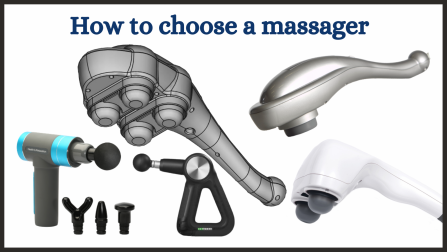
Overview: categories of massage devices and why they matter
What types of massage devices are available cover a wide range of tools, from simple rollers to high-tech chairs. Each device type targets different needs: travel relief, deep muscle work, circulation, or relaxation. Choosing the right one depends on your goals, budget, and where you plan to use it.
Detailed types and how they work
Below are the main families of devices and a plain description of what they do. I include practical pros and cons so you can match the device to your goals.
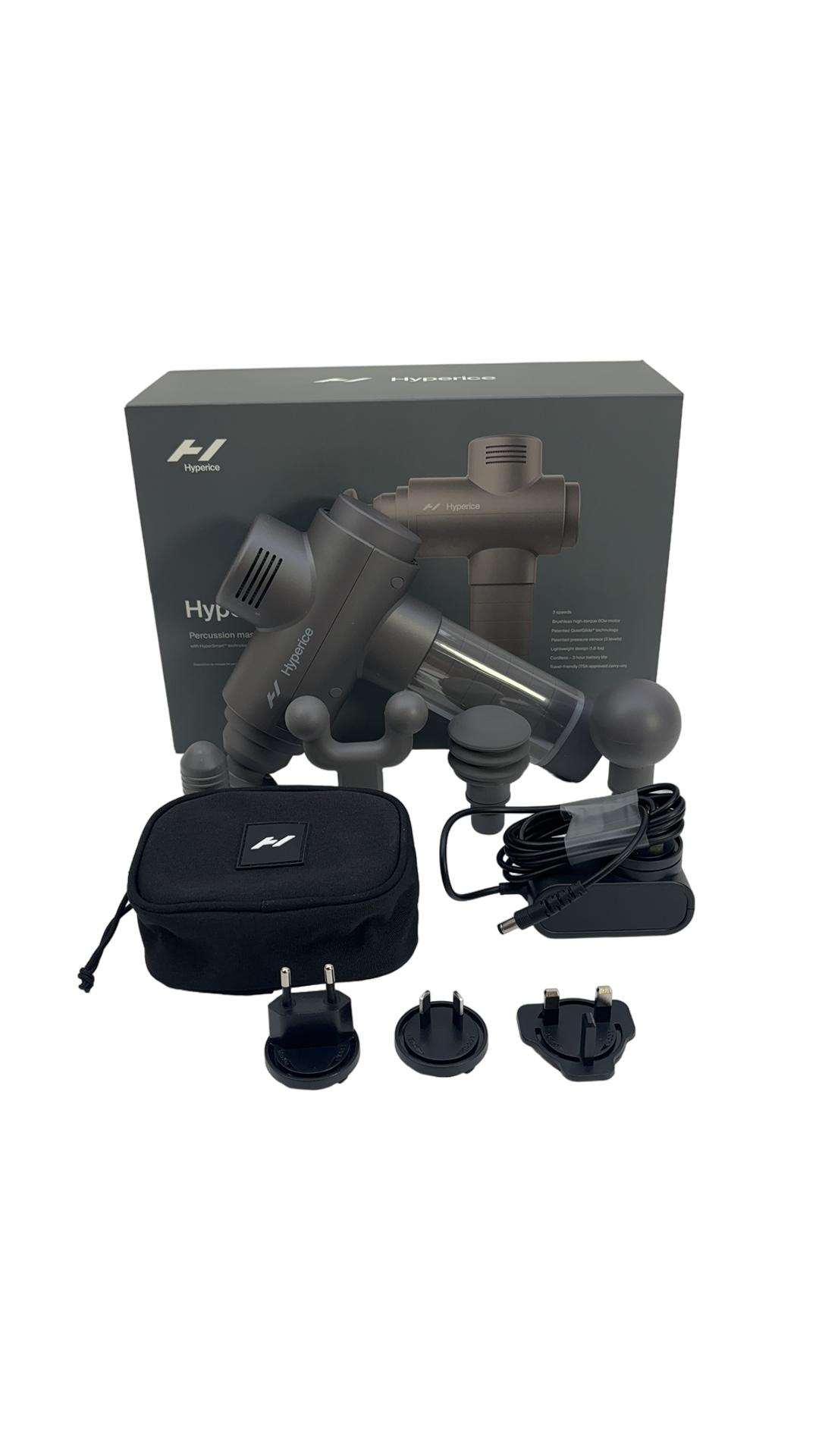
Percussion and massage guns
Percussion devices deliver quick, repeated taps to muscles. They ease soreness and warm tissue before activity.
- Benefits: Fast relief, good for large muscles, many intensity settings.
- Limitations: Can be loud, may be too intense for sensitive users.
Shiatsu massagers and massage pillows
Shiatsu models use rotating nodes to mimic finger pressure and kneading. They often target the neck, back, and shoulders.
- Benefits: Deep kneading feel, great for tension knots.
- Limitations: Bulky for travel and can be heavy on a single spot.
Full-body massage chairs
Chairs combine rollers, airbags, and heat to simulate a full massage session. They aim for comfort and convenience at home.
- Benefits: Hands-free, broad coverage, many programs.
- Limitations: Expensive and space-consuming.
Foot and calf massagers
These devices use rollers, airbags, or vibration to relieve foot pain and boost circulation. They vary from compact rollers to bulky compression systems.
- Benefits: Excellent for plantar pain and circulation.
- Limitations: Focused only on lower legs and feet.
Handheld electric massagers
Handheld units range from simple vibrating wands to multi-head electric massagers. They let you reach many body parts.
- Benefits: Portable, versatile, usually budget-friendly.
- Limitations: Require effort to hold and position for longer sessions.
TENS and EMS units (electrical stimulation)
TENS targets pain through nerve stimulation while EMS triggers muscle contractions. Both use pads on the skin.
- Benefits: Drug-free pain relief and muscle rehab tools.
- Limitations: Not for people with pacemakers and can be confusing to set up.
Compression therapy devices
Compression systems use sequential air pressure to boost circulation and aid recovery. Athletes use them for rapid recovery.
- Benefits: Great for post-workout recovery and swelling control.
- Limitations: Expensive and not for continuous daily use.
Vibration plates and whole-body vibrators
These devices produce vibration to stimulate muscles and circulation. Used for both fitness and rehab.
- Benefits: Can boost warm-up and circulation with short sessions.
- Limitations: Less targeted pain relief than hands-on devices.
Foam rollers, massage sticks, and manual tools
Manual tools need no power. They use pressure and rolling to relieve tightness.
- Benefits: Cheap, durable, and simple to use.
- Limitations: Require effort and skill for deep release.
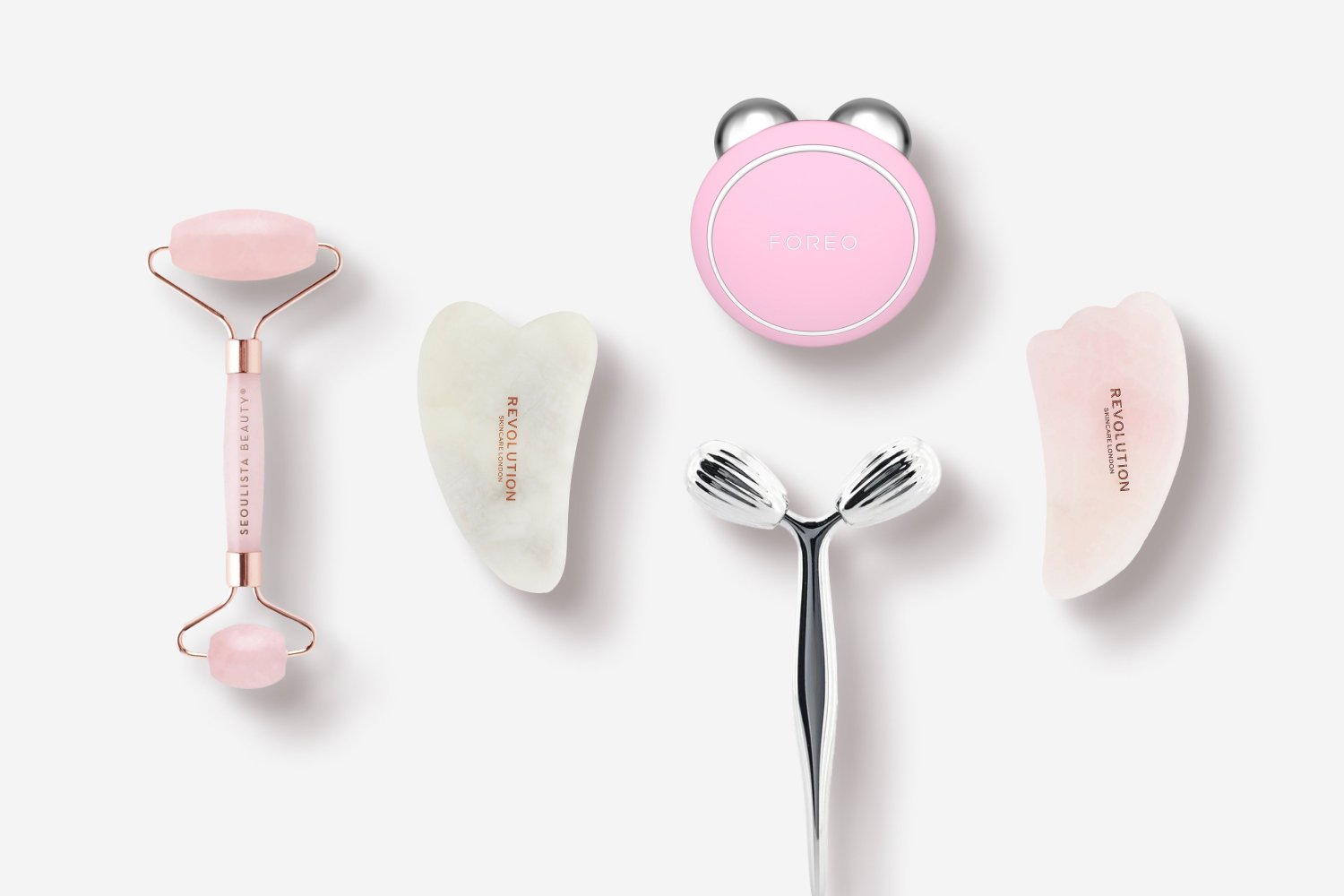
Face and scalp massagers
Small, gentle devices for scalp or facial massage. Good for relaxation and circulation.
- Benefits: Portable and soothing; often inexpensive.
- Limitations: Limited therapeutic depth.
Heated and infrared devices
Heat-based massagers combine warmth with pressure to relax tissue. Infrared can add deeper warming effects.
- Benefits: Enhances blood flow and comfort.
- Limitations: Heat alone won’t release deep knots.
Smart and app-connected devices
Modern massagers pair with apps for guided sessions and tracking. They include programmable intensity and routines.
- Benefits: Personalization and data tracking.
- Limitations: Dependence on software and firmware updates.
What types of massage devices are available vary from budget-friendly manual tools to premium chairs and app-driven systems. Each type fills a niche and many people combine device types for best results.

Benefits and limitations: what to expect
Understanding strengths and limits helps you choose well. Here’s a clear list.
Benefits
- Faster relief for muscle soreness and tightness.
- Improved circulation and recovery after exercise.
- Convenience: at-home care reduces clinic visits.
- Variety: devices suit relaxation, rehab, or sports needs.
Limitations
- Not a full substitute for professional hands-on therapy for complex conditions.
- Risk of misuse, especially with strong percussion or electrical devices.
- Cost ranges widely; higher prices do not always equal better fit.
- Some devices need maintenance or replacement parts.
What types of massage devices are available influence outcomes. Use them for clear goals like recovery, relaxation, or rehab, and you’ll see better results.
How to choose the right device
Select by use case and features. Ask these questions when shopping.
Checklist
- Why do you want it: pain relief, recovery, relaxation, or circulation?
- Where will you use it: travel, home, gym?
- Power source: battery, corded, or both?
- Intensity options: adjustable levels for sensitivity.
- Size and weight: portability vs coverage.
- Noise level: important for shared spaces.
- Budget and warranty: long-term support matters.
What types of massage devices are available often overlap. For example, a handheld gun can work for pre-workout and recovery, while a chair suits ongoing relaxation needs. Match device strengths to your main goal.

Short Q&A (People Also Ask style)
Q: Are massage guns better than foam rollers?
A: Massage guns give focused percussion and require less effort. Foam rollers are cheap, full-body, and good for self-myofascial release.
Q: Can TENS replace a massage therapist?
A: TENS can reduce pain but it won’t replicate hands-on assessment and targeted soft-tissue work by a trained therapist. Use TENS as a complement.
Q: Do massage chairs help chronic back pain?
A: Chairs can ease symptoms and improve comfort but may not address the root cause of chronic pain. Consult a clinician for persistent issues.
Maintenance, safety, and usage tips
Short, practical guidance to keep devices safe and effective.
Maintenance
- Clean surface areas and replace pads or attachments as recommended.
- Store in a dry place and avoid extreme temperatures.
- Charge batteries per manufacturer instructions to preserve lifespan.
Safety
- Read the manual before first use.
- Avoid powerful percussion over fractures, recent surgery, or thin skin.
- Consult a doctor before using TENS/EMS if you have a pacemaker or epilepsy.
- Limit sessions to recommended times and start at low intensity.
Usage tips
- Warm up briefly before deep treatments.
- Use steady, short sessions for percussion guns and TENS.
- Combine heat with kneading for stubborn tightness.
- Track how your body responds and adjust intensity or duration.
What types of massage devices are available include some that require more caution than others. Be mindful and use devices within safe limits.

Personal experience and practical tips
I’ve used many devices over the years. My testing taught me what works and what to avoid.
- Lesson 1: Match device to task. My percussion gun eased post-run glute soreness fast. For daily neck tension, a shiatsu pillow was gentler and more consistent.
- Lesson 2: Don’t overuse high-intensity tools. I once used a gun too long and created more soreness; short, frequent sessions work better.
- Lesson 3: TENS helped after a minor flare-up, but I needed a clinician’s plan for long-term rehab. A compression system sped recovery after intense intervals, but it felt unnecessary for light training days.
Practical tips
- Try inexpensive manual options first to learn what areas need attention.
- Rent or demo chairs or high-end devices before buying.
- Keep a simple log: device, setting, time, and how you felt after.
What types of massage devices are available can feel overwhelming. Start small, test, and upgrade to specialized tools for clear benefits.
Frequently Asked Questions of What types of massage devices are available
What device is best for general muscle soreness?
For general soreness, a handheld percussion gun or vibration device usually works best. They offer fast, targeted relief and adjustable intensity.
Are massage chairs worth the investment?
Chairs are worth it if you want regular full-body massage at home and have space and budget. They provide convenience and varied programs that cover many needs.
Can I use a TENS unit for back pain?
Yes, TENS can reduce back pain for many people when used correctly. Talk with a clinician for settings and placement guidance to ensure safety.
Is a foam roller as effective as an electric massager?
A foam roller is effective for broad, low-cost self-release and mobility work. Electric massagers provide targeted, hands-off intensity for deeper knots.
How often should I use a massage device?
Use most devices in short sessions, two to three times per day for acute relief, or daily for light maintenance. Follow manufacturer guidance and monitor your body’s response.
Are compression boots useful for non-athletes?
Compression boots help circulation and reduce swelling, so they can benefit non-athletes with circulation issues or long periods of sitting. Consult a healthcare provider if you have vascular problems.
Conclusion
You now have a clear map of what types of massage devices are available and how to pick one for your needs. Start by defining your goal, test low-cost options, and step up to specialized tools when they match your routine. Try one device for a few weeks, track results, and adjust. If you’re unsure, consult a clinician for guidance. If this guide helped, leave a comment, subscribe, or explore device demos to find the best fit for your recovery and comfort.

