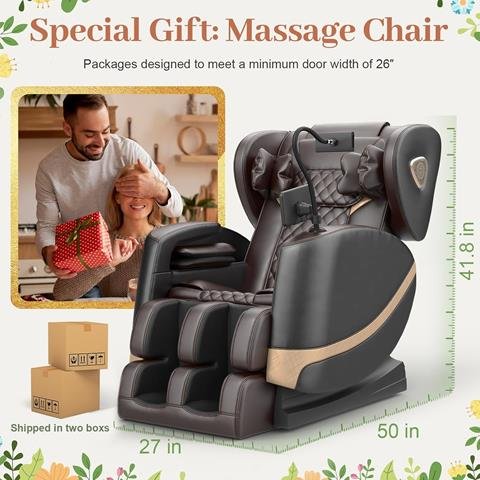
Yes — many massage devices can reduce back pain temporarily and improve mobility with regular use.
As a clinician and long-time tester of therapeutic tools, I’ve seen how targeted vibration, percussion, and electrical stimulation can ease muscle tension and lower pain signals. This guide explains how massage devices help with back pain, what the evidence says, which devices work best for specific problems, safety steps, and clear tips you can use today to feel better without guesswork. Read on to learn practical advice grounded in experience and research so you can choose and use a device that fits your needs.
Today's Exclusive Deals
Limited-time Exclusive Deals. Check current discount on Amazon.
Check Price on Amazon As an Amazon Associate I earn from qualifying purchases.
How massage devices work
Massage devices help with back pain through a few simple, proven mechanisms. They increase local blood flow and warm tissues, which speeds healing and eases stiffness. Mechanical stimulation from percussion or rolling alters how nerves send pain signals, often giving quick relief. Electrical devices change nerve signaling and can block pain pathways for short periods. Combined, these effects reduce muscle guarding and allow better movement. When used right, massage devices help with back pain by interrupting pain patterns and improving tissue health.
Types of massage devices and what they do
Different devices target back pain in different ways. Match the tool to your problem and habits.
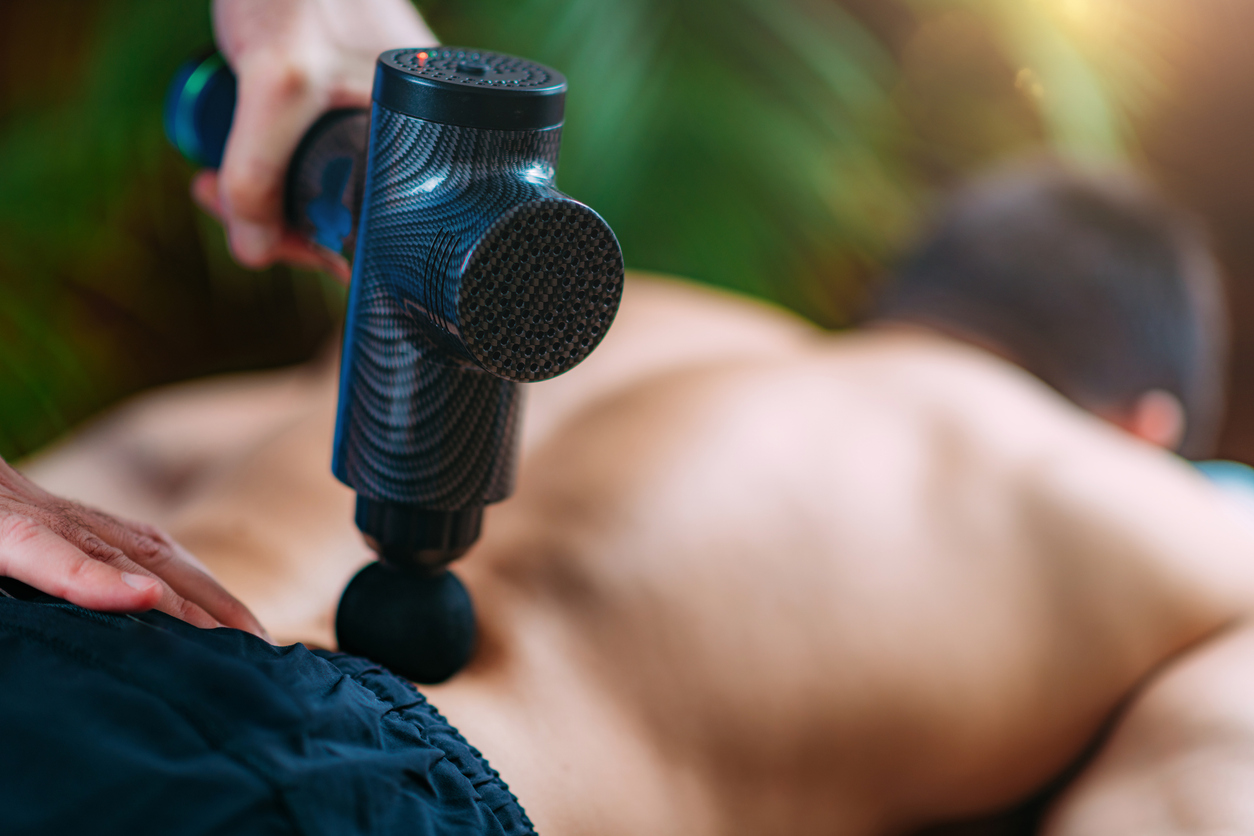
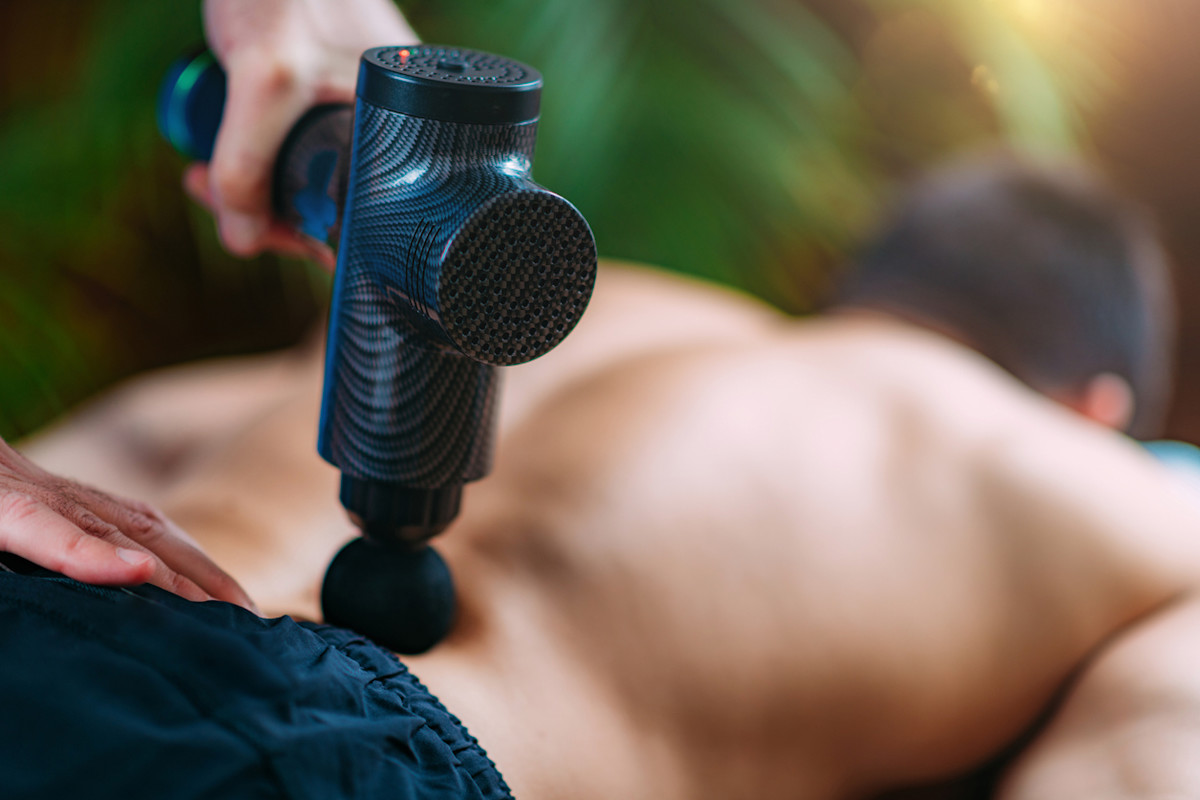
- Percussive massage guns — deliver rapid taps to loosen tight muscles and break up knots; good for deep tissue work and trigger points.
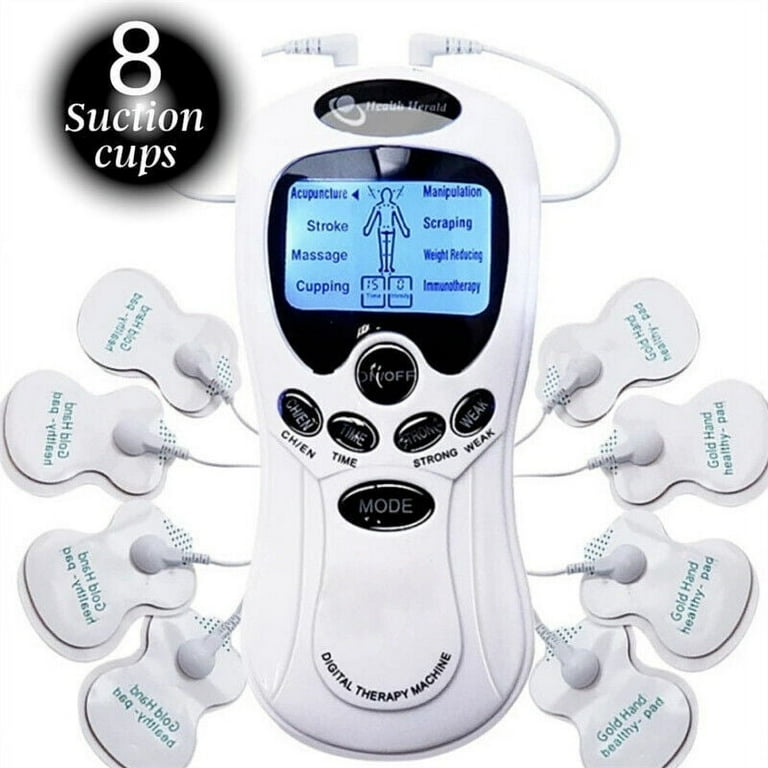
- TENS units — use low-voltage electrical pulses to reduce pain signaling and are useful for nerve-related or chronic pain.
- Shiatsu and rolling massagers — mimic hands-on kneading and can be gentle for daily relief and relaxation.
- Heating pads and combined heat-massage devices — add warmth to raise blood flow and reduce stiffness.
- Foam rollers and massage balls — low-cost, user-controlled options for muscle release and mobility work.
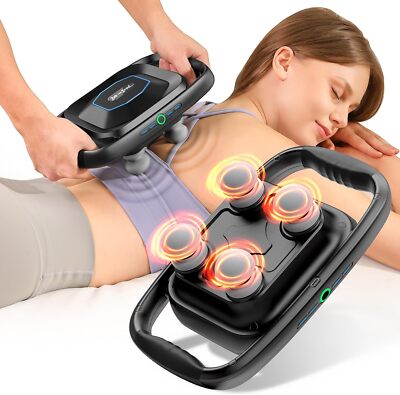
- Percussion wands and handheld vibrators — portable, precise, and often lighter than guns for delicate areas.
Each type can help back pain, but the best pick depends on whether you need deep pressure, surface relaxation, nerve modulation, or combined heat and massage.
Evidence and research overview
Research shows most massage devices help with back pain in the short term, especially for muscular pain and stiffness. Studies report lowered pain scores and improved function after treatments with percussive devices and TENS. The benefit often lasts hours to days and is strongest when combined with exercise or manual therapy. Long-term cure is less clear; evidence is mixed for chronic conditions without additional rehab.
Clinical reviews note:
- Short-term reduction in pain and improved range of motion after device use.
- TENS can help some people with chronic low back pain, but results vary by person and settings.
- Massage guns and percussive tools show promise, but study quality and device variety limit firm conclusions.
In short, research supports using massage devices to lessen pain and boost mobility, but they work best as part of a broader plan that may include exercise, posture changes, and professional care.
Benefits of using massage devices for back pain
Using massage devices can bring several practical gains. These are the common benefits people report and that studies support.
- Fast pain relief — Many users feel less pain right after a session.
- Better mobility — Reduced muscle tightness often leads to easier bending and twisting.
- Convenience — Devices let you treat pain at home or on the go.
- Cost-effective — One purchase can replace regular clinic visits for maintenance.
- Complementary — Devices pair well with stretching, strengthening, and hands-on therapy.
When used consistently, massage devices help with back pain by keeping muscles loose and making exercises less painful.

Limitations and safety considerations
Massage devices are not a cure-all and have safety limits you should respect.
- Short-term relief — Devices usually ease symptoms but may not address the cause, like a herniated disc.
- Not for everyone — Avoid use on broken skin, acute fractures, deep vein thrombosis risk, or over cancer sites.
- TENS caution — People with pacemakers or implantable devices should not use TENS without medical approval.
- Overuse risks — Excessive pressure or long sessions can bruise tissues or irritate nerves.
- Mixed results — Some conditions, especially spinal structural problems, need medical or surgical care.
Be transparent about limitations. If pain is severe, sudden, gets worse, or comes with numbness and weakness, stop device use and seek medical care.

How to choose the right device
Picking a device that fits your back pain improves results and safety. Use this checklist when shopping.
- Identify your goal — deep muscle release, nerve pain reduction, heat + massage, or gentle relaxation.
- Intensity control — Choose a device with variable speed and power settings.
- Attachments — Different heads change pressure; look for soft and firm options.
- Portability and battery life — Important for travel or daily use.
- Noise and comfort — Loud devices may limit use in shared spaces.
- Warranty and return policy — Try before you commit, and pick a brand that backs its product.
- Budget — Higher price often means stronger motors and better durability, but mid-range tools can still be effective.
Match the device to the pain type. For chronic ache and nerve pain, consider TENS. For tight muscle knots and sport-related soreness, a massage gun or shiatsu pad may work best.

How to use massage devices effectively
Using devices well boosts benefit and cuts risk. Follow these practical steps.
- Start low — Begin on a low setting and short time (30–60 seconds per spot) and increase slowly.
- Avoid bones and the spine — Focus on muscles next to the spine, not the vertebrae.
- Move slowly — Glide the device; don’t hold full pressure over one spot for long.
- Total time — Aim for 10–20 minutes per session for larger areas like the lower back.
- Combine with movement — Follow with light stretching or walking to lock in gains.
- Frequency — Daily short sessions or every other day is often best; watch how your body responds.
- Track effects — Note what settings, duration, and techniques reduce pain most.
If you feel sharp pain, tingling, or increasing numbness, stop immediately and consult a clinician.
Personal experience and practical tips
I’ve used a range of devices on my own lower back after long workdays and during training seasons. A few lessons stood out.
- Percussive devices cut through tightness fast, but I learned to use lower speeds near the spine.
- TENS gave steady pain relief during flares. Settings matter—start with short bursts.
- Heat plus massage felt best before stretching, as muscles moved easier afterward.
- Mistakes I made: pressing too hard, using long sessions, and ignoring dull, spreading pain. These led to bruising and longer recovery.
- Best routine I found: 5–10 minutes of gentle percussion, 5 minutes of targeted rolling, then 5–10 minutes of stretching.
Treat your back like a car: regular light maintenance prevents big repairs. Use devices as part of a plan, not the only plan.

Frequently Asked Questions of Can massage devices help with back pain
Are massage devices safe for chronic low back pain?
Yes, many devices are safe when used correctly and can reduce chronic low back pain temporarily. Check device instructions and consult a clinician if you have specific health conditions.
How long should I use a massage device on my back?
Start with 10–20 minutes per session and 30–60 seconds per tight spot, then adjust by response. Avoid prolonged pressure on one area to prevent irritation.
Can a massage gun worsen back pain?
If used too forcefully or directly on the spine, a massage gun can irritate tissues and worsen pain. Use lower settings, stay on muscle, and avoid bones.
Do TENS units actually help back pain?
TENS units can reduce pain for some people by blocking pain signals and stimulating endorphins. Results vary, so try short sessions and track benefits.
Are massage devices better than hands-on physical therapy?
Devices complement hands-on therapy but don’t replace it when structural or complex issues exist. Physical therapists diagnose causes and design rehab plans that devices can support.
Can I use a massage device after a back injury?
Wait for medical clearance after an acute injury, especially with swelling or suspected fractures. Once cleared, gentle device use can aid recovery under guidance.
Conclusion
Massage devices help with back pain by offering fast, practical relief, improving mobility, and supporting home care. They work best when you choose a device that fits your pain type, use it safely, and combine it with movement and professional guidance when needed. Try a short, gentle routine this week—track what eases your pain, and adjust settings as you learn. If this article helped, subscribe for more practical guides, share your experience below, or ask a question so we can dive deeper.