Yes — massage devices can speed recovery, reduce soreness, and improve circulation after workouts.
I’ve tested many massage devices as a coach and athlete. I’ll explain how they work, what evidence supports them, and how to use them safely. This guide covers percussive therapy, foam rollers, vibration tools, and compression devices. Read on for clear, actionable advice to help your muscles recover smarter.
Today's Exclusive Deals
Limited-time Exclusive Deals. Check current discount on Amazon.
Check Price on Amazon As an Amazon Associate I earn from qualifying purchases.
How massage devices help post-workout recovery
Massage devices help recovery in three main ways. They increase local blood flow, which brings oxygen and clears metabolic waste. They also reduce muscle tightness by loosening soft tissue and improving range of motion.
Percussive tools and massage guns use short pulses. These pulses change muscle spindle activity and can lower perceived soreness. Vibration rollers and handheld vibrators work similarly but with different frequencies and amplitudes.
Compression devices push fluids along lymph and veins. This can reduce swelling after long or intense sessions. Combined, these actions can speed the return to normal training.

Evidence from research and expert opinion
Clinical studies show consistent short-term benefits for soreness and perceived recovery. Research reports lower delayed onset muscle soreness (DOMS) and improved pain thresholds after a single session with percussive or vibration devices. Results vary by device, timing, and intensity.
Long-term performance gains are less certain. Some trials show better range of motion and faster readiness to train. Other studies find minimal changes in strength or endurance over weeks.
Experts say massage devices are a useful tool among many. They work best when combined with sleep, nutrition, hydration, and progressive training. Expect real, measurable relief for soreness. Do not expect them to replace rest or proper rehab.

Types of massage devices and how to choose
There are several device types. Each offers a different feel and purpose.
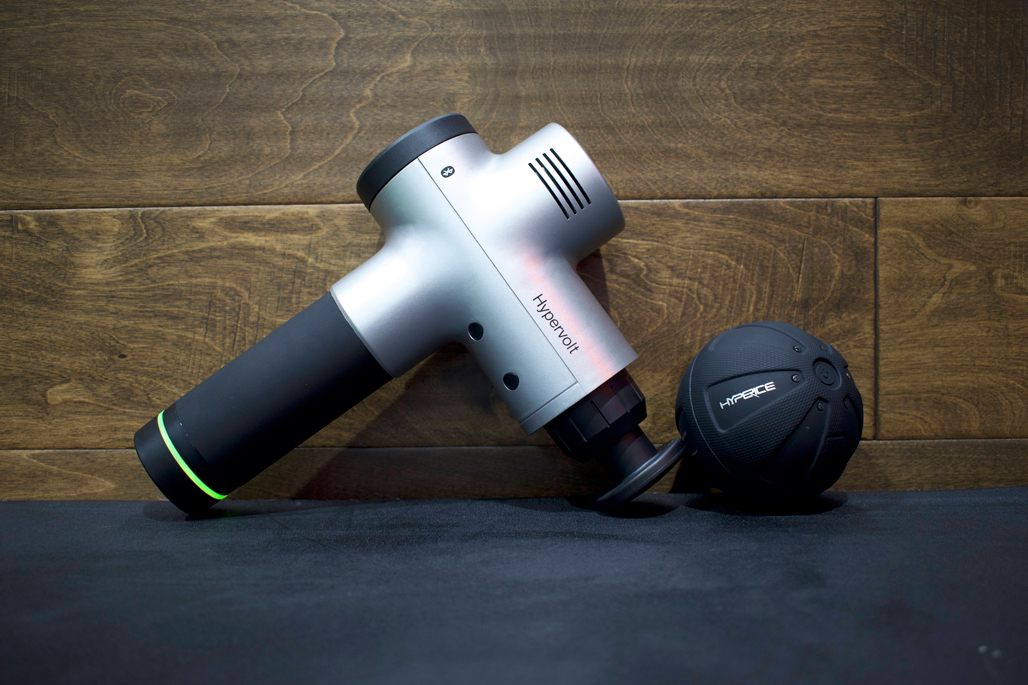
- Percussive massage guns: Deliver rapid, focused pulses. Good for deep tissue and trigger points.
- Vibration tools and rollers: Provide rhythmic vibration along a larger surface. Good for warm-up and mobility.
- Foam and vibrating rollers: Combine pressure with vibration to ease tight fascia. Great for calves, quads, and back.
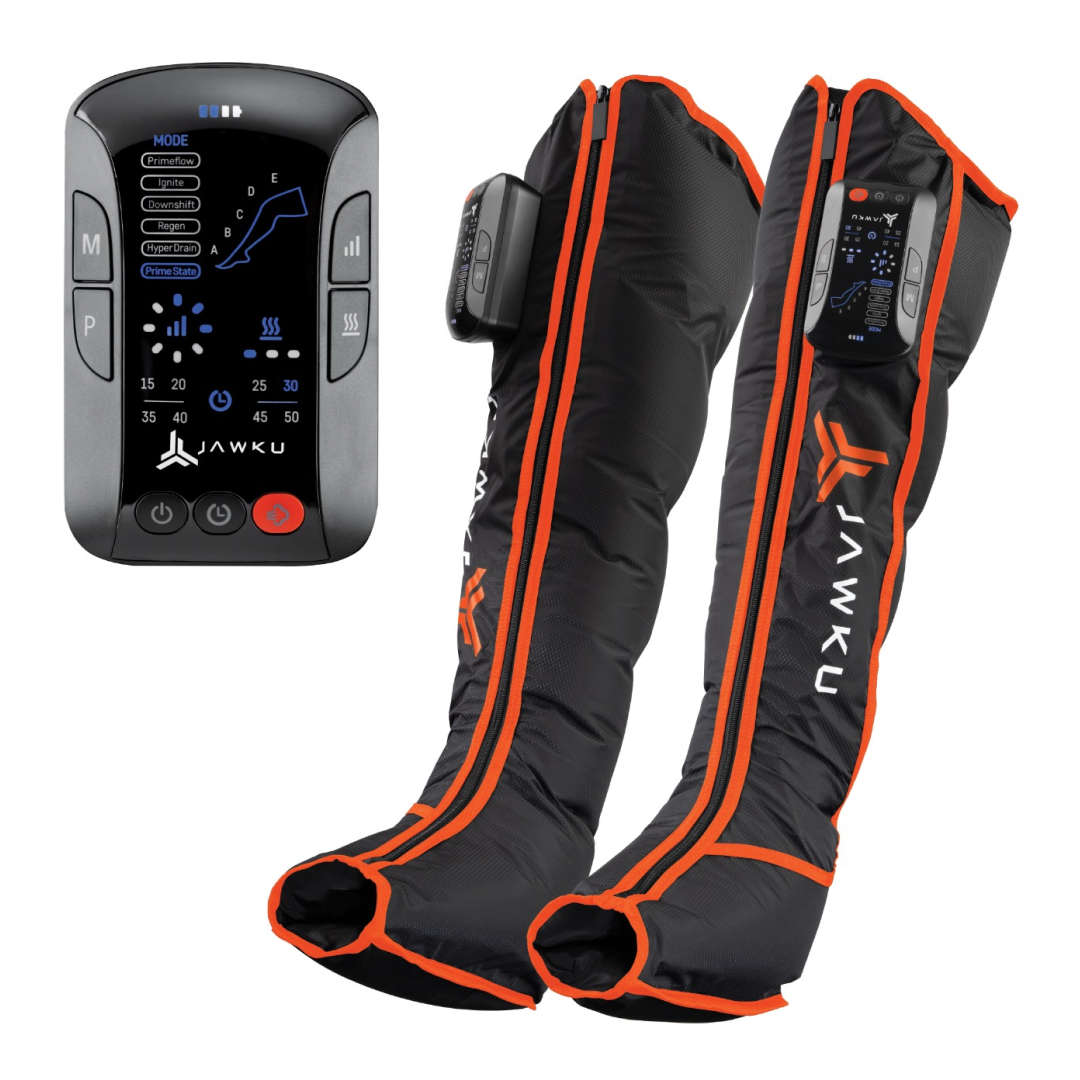
- Compression boots and sleeves: Use air pressure to move fluid and reduce swelling. Helpful after long endurance sessions.
- Electric massagers and handheld rollers: Offer gentle rolling and kneading. Useful for low-intensity recovery and relaxation.
Pick a device based on goals and budget. For fast relief, a mid-range percussive device often gives the best balance of power and portability. For full-leg recovery after a long run, compression boots can feel transformative.
How to use massage devices safely and effectively
Start slow and keep sessions short. A typical routine lasts 2–5 minutes per muscle group. Total recovery time with a device is often 10–20 minutes.
Follow these steps:
- Warm the muscle briefly with light movement or dynamic stretches.
- Use low-to-moderate intensity on the first pass. Increase only if comfortable.
- Move at a steady pace—about 30 seconds to 2 minutes per spot.
- Avoid bony areas, open wounds, and varicose veins.
- Finish with gentle stretching or mobility work.
Timing matters. Use devices 5–30 minutes after workouts for soreness relief. A short session before training can also aid warm-up and mobility. Avoid aggressive work immediately after heavy lifting if a joint feels unstable.

Limitations, risks, and when to avoid them
Massage devices help many people, but they have limits. They ease soreness and improve comfort. They do not heal severe injuries or replace physical therapy when needed.
Risks include bruising, increased pain from overuse, and masking pain that signals a real injury. Avoid strong percussive therapy on recent sprains or fractures. People with blood-clotting disorders, deep vein thrombosis, or uncontrolled hypertension should consult a clinician first.
If pain increases after use, stop and seek professional advice. Use devices as part of a wider recovery plan, not a standalone cure.
My personal experience and practical tips
I’ve used massage devices after long runs and hard gym blocks. A short 10-minute session with a massage gun cut my calf soreness noticeably. Compression sleeves reduced swelling after a 50-mile cycling day.
Lessons learned:
- Start with low settings and listen to your body.
- Use a consistent routine rather than frequent, aggressive sessions.
- Combine devices with sleep, protein, and light activity for best results.
A tip I use: after a tough session, I do 3 minutes per area at medium intensity, then rest and hydrate. It speeds up how quickly I can train again.

Buying guide: what to look for
Decide what matters most: power, noise, battery life, or portability. Here are key features to compare:
- Power and amplitude: Higher stroke length and force reach deeper tissue.
- Speed settings: Multiple levels let you fine-tune treatment.
- Attachments: Different heads suit muscle groups and trigger points.
- Battery life and charging: Longer life helps travelers and athletes.
- Noise level: Quieter models are better for shared spaces.
- Build quality and warranty: A solid casing and good warranty reduce long-term costs.
Don’t buy the cheapest option if you need reliable performance. Test feel and ergonomics if possible. Choose a brand with solid customer support and clear safety guidance.

Frequently Asked Questions
Can massage devices reduce DOMS quickly?
Yes. Many users report less soreness within hours. Studies show they reduce perceived pain and speed comfort after exercise.
How long should I use a massage device after a workout?
Aim for 2–5 minutes per muscle group. A full session of 10–20 minutes is usually enough for meaningful relief.
Can I use a massage gun every day?
Yes, if you keep intensity moderate and avoid injured areas. Daily light sessions can help with maintenance and mobility.
Are massage devices safe for beginners?
Most are safe when used correctly. Start on low settings, avoid bones, and stop if you feel sharp pain.
Do massage devices replace physical therapy?
No. They complement rehab but cannot replace professional assessment for serious injuries. See a clinician for persistent or worsening pain.
Conclusion
Massage devices offer a practical way to ease soreness, boost circulation, and improve mobility after workouts. They work best as part of a complete recovery plan that includes rest, nutrition, and smart training. Start gently, pick a device that fits your needs, and use it consistently for the best results. Try a measured routine this week and note how your soreness and readiness to train improve. If you found this useful, share your experience or subscribe for more recovery tips.