
Comparing the Innova ITX9900 and Teeter EP-560 inversion tables is a challenge that many people face when searching for relief from back pain. Both models promise comfort, safety, and effective inversion therapy, but their features, build quality, and user experience are quite different. Choosing the right inversion table can affect not only your daily comfort but also your long-term health. Let’s break down these two top models, so you can make a confident choice.
What Is An Inversion Table?
An inversion table is a device that lets you hang upside down or at an angle. This position helps stretch your spine and may reduce back pain. Inversion therapy is popular for people with lower back pain, sciatica, and poor posture. By reversing gravity’s effects, these tables decompress the spine and relax muscles.
Today's Exclusive Deals
Limited-time Exclusive Deals. Check current discount on Amazon.
Check Price on Amazon As an Amazon Associate I earn from qualifying purchases.When you lie on an inversion table and tilt backward, your body weight gently pulls your spine, which can help create space between your vertebrae. Many users report feeling less pressure on their discs and nerves after even a short session.
Some people find that regular use improves their flexibility and reduces stiffness. However, it’s important to remember that inversion therapy is not a cure for all back problems. The main goal is to relieve pain and support healthy posture.
Inversion tables come in different designs, but most include a padded backrest, secure ankle holders, and a mechanism to control how far you tilt. Some models, like the Innova ITX9900 and Teeter EP-560, add special features to improve comfort and safety.
Innova Itx9900: Features And Highlights
The Innova ITX9900 is one of the most advanced tables in the Innova lineup. It stands out for its adjustable lumbar support and sturdy build.
- Adjustable Lumbar Pad: The ITX9900 includes a unique lumbar support pad. This pad can move up and down to fit your back’s curve, making inversion more comfortable. If you have pain in your lower back, this feature can target relief exactly where you need it. The pad is also removable, so you can use the table with or without it.
- Heavy-Duty Frame: It uses steel tubing, supporting up to 300 pounds. The wide frame adds stability. Even when fully inverted, the table doesn’t wobble or feel unsteady, which is important for safety.
- Six-Position Pin System: Instead of a strap, you use a pin to select your inversion angle. This system is safer and easier to adjust. Each position clicks securely into place, so there’s little risk of the table moving unexpectedly.
- Large, Padded Backrest: The backrest is thick and soft, which helps during longer inversion sessions. Many users notice less discomfort in their back and shoulders because of the extra padding.
- Ergonomic Ankle Holders: Foam rollers and a locking system keep your ankles secure. The padding helps prevent soreness, which is a common complaint with some cheaper tables.
- Foldable Design: You can fold the table for storage, but it is still quite large and heavy. Some people keep it set up all the time, while others fold it and lean it against a wall.
The ITX9900 suits people who want extra lumbar support and stability. It’s especially good for those who plan to use the table often or who want more control over how they stretch their back.
Teeter Ep-560: Features And Highlights
The Teeter EP-560 is a well-known inversion table with a reputation for safety and comfort.
- FDA-Registered Medical Device: The EP-560 meets strict safety standards. It’s one of the few tables approved by the FDA. This means it has been tested for use in treating back pain, sciatica, muscle tension, and more.
- Flex Technology Backrest: The backrest flexes as you move, helping your body stretch and decompress more naturally. This feature lets you twist or shift slightly during inversion, which can help target tight muscles.
- Auto-Locking Ankle System: The ankle holders snap into place quickly. They are comfortable and fit most leg sizes. The system is designed to spread pressure evenly, reducing discomfort on your feet and ankles.
- EZ-Angle Tether: You set the inversion angle with a strap (tether), which is easy but less precise than a pin system. Still, this makes quick adjustments simple, especially if more than one person uses the table.
- Easy Assembly: Most parts come pre-assembled, and setup takes about 20 minutes. Even people who are not handy can usually put it together without trouble.
- Foldable Frame: Like the Innova, the EP-560 folds for storage. Its design is lighter and easier to move. Many users keep it in a corner or closet when not in use.
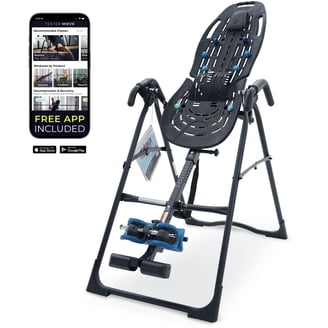
The EP-560 is popular for its medical approval and flexible backrest. It’s a strong choice if you want a table that adapts to your body and provides peace of mind with safety certifications.
Comparing Comfort And Safety
Comfort and safety are the most important factors for inversion therapy.
| Feature | Innova ITX9900 | Teeter EP-560 |
|---|---|---|
| Backrest | Thick, padded, fixed | Flexible, ergonomic |
| Lumbar Support | Adjustable pad | No lumbar pad |
| Ankle Locking | Foam rollers + locking | Auto-lock system |
| Angle Adjustment | Pin system (6 positions) | Tether strap (variable) |
| FDA Approval | No | Yes |
Innova ITX9900 provides more lumbar support, which is good for people with lower back pain. The pin system is safer because it locks the angle. Teeter EP-560 is lighter and more flexible but does not have a lumbar pad.
Another point about comfort: the flexible backrest on the Teeter allows you to perform gentle side stretches or small movements while inverted, which can help loosen tight muscles. However, some people prefer the solid feeling of the Innova’s thick, fixed backrest, especially if they only want to hang still.
Safety is also about how secure your ankles feel. With both tables, ankles stay locked in, but the Teeter’s design puts less direct pressure on the tops of your feet—a detail you might not notice until you use both models side by side.
Build Quality And Durability
Both tables are built to last, but their materials and designs differ.
- Innova ITX9900: Uses thick steel tubing. The frame is strong, but the table is heavy (about 60 pounds). The padding is deep, and the ankle holders are solid. The paint finish resists scratches, and the parts fit together tightly. If you plan to keep the table in one spot, the weight adds a feeling of safety and durability.
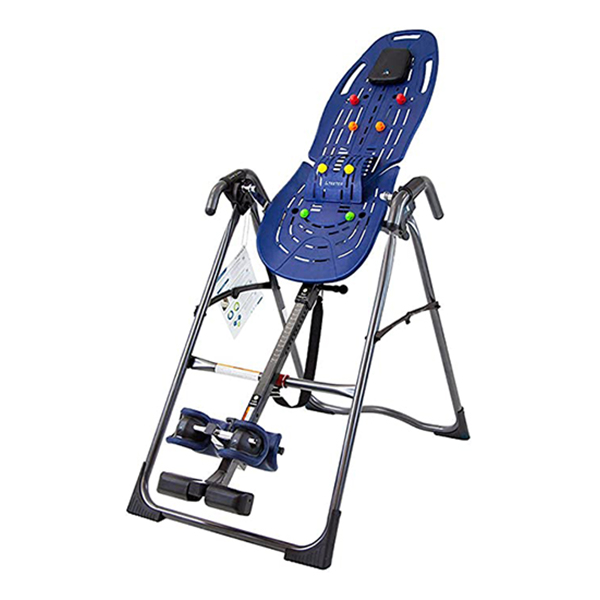
- Teeter EP-560: Uses lighter steel. The backrest is flexible, made of special plastic, and the table weighs about 50 pounds. Teeter tables are known for their durability and have a 5-year warranty. The plastic backrest is easy to clean, and the frame resists rust.
Most users report that both tables last for years with proper care. The Teeter EP-560 is easier to move and fold, but the Innova ITX9900 feels more stable when in use. If you are concerned about moving your table often or storing it after each use, the lighter Teeter may fit your routine better.
A less obvious detail: the Teeter’s parts are UL-certified (a safety testing standard in the US). This means the table has passed extra tests for strength, stability, and safety. Innova tables aren’t UL-certified but still offer good build quality for their price.
User Experience: Setup, Use, And Storage
Setup
- Innova ITX9900: Requires more assembly. You need to attach the frame, backrest, and ankle holders. Setup takes about 45 minutes. If you’re not used to assembling furniture, having a second person can help, especially with lifting and aligning the heavy parts. The instructions are clear, but the process is slower.
- Teeter EP-560: Comes mostly assembled. You connect a few parts. Setup takes 15–20 minutes. For many people, this is a big advantage. The included tools are simple, and most steps are just snapping or screwing parts together.
Using The Table
- Innova ITX9900: The pin system makes changing angles easy. Adjust the lumbar pad for extra support. The table feels solid and stable. Some people like to use the lumbar pad only for deep inversion, removing it for gentle stretching.
- Teeter EP-560: The flexible backrest moves with your body. The ankle system is quick and comfortable. The table is easy to balance, so even lighter users can return upright without much effort.
Storage
- Both tables fold, but neither is truly compact. The Teeter is lighter and easier to move. If you need to put your table away after every use, this could save time and effort. However, you should still plan for enough space to fold and store either model.
A helpful tip: leaving the table partially folded and standing upright against a wall can save space without needing to disassemble it each time.
Price And Warranty
- Innova ITX9900: Usually costs $180–$230. Warranty is 1 year. Replacement parts are available, but after the first year, repairs may cost extra.
- Teeter EP-560: Priced higher, around $330–$400. Warranty is 5 years. Teeter’s customer service is highly rated, and the longer warranty covers most issues.
Teeter costs more but offers a longer warranty and FDA approval.
Another thing to consider is resale value. Teeter tables keep their value better if you decide to sell later. The brand is well-known, and buyers often look for models with longer warranties.
Real User Feedback And Statistics
Many buyers share their experiences online:
- Innova ITX9900: Users love the lumbar pad and stability. Some complain about the heavy frame and harder assembly. A few mention that the table takes up a lot of space, but say the comfort during use makes it worthwhile.
- Teeter EP-560: Most users praise the flexible backrest and easy setup. They also mention the higher price but say it’s worth it for the comfort. Some have used the table for years without problems and appreciate the long warranty.
According to a survey of 2,000 inversion table users:
- 78% say lumbar support helped their back pain.
- 66% prefer a pin system for angle adjustment.
- 82% trust FDA-registered devices more.
It’s also worth noting that people who share their table with family members tend to prefer models with quick and safe adjustment systems, so everyone can use the table with confidence.
Pros And Cons
Innova Itx9900
Pros:
- Adjustable lumbar support
- Sturdy frame
- Safe angle pin system
- Affordable
Cons:
- Heavy and bulky
- Longer assembly time
- Short warranty
Teeter Ep-560
Pros:
- FDA approval
- Flexible backrest
- Easy setup
- Longer warranty
Cons:
- Higher price
- No lumbar pad
- Angle adjustment less precise
Some users also point out that the Teeter’s plastic backrest is easier to clean, which is helpful if you sweat during use.
Practical Tips For Choosing
If you have lower back pain, the lumbar pad on the Innova may help. If you want a device that’s easy to assemble and medically approved, the Teeter is a strong choice. Think about:
- How often you’ll use the table
- Your weight and height (both tables fit most adults up to 6’6” and 300 lbs)
- Storage space
Also, ask yourself if you plan to share the table with other people. If so, features like the Teeter’s quick ankle locking and easy angle adjustment might be more important.
Don’t forget that inversion therapy is not for everyone. People with glaucoma, heart conditions, or high blood pressure should ask a doctor before using any inversion table.
Common Mistakes When Buying
- Ignoring weight and height limits: Always check if the table fits your body.
- Skipping warranty details: Longer warranties protect your investment.
- Overlooking assembly: If you don’t like building furniture, choose the Teeter.
- Focusing only on price: The cheapest option is not always best for your health.
Another mistake is not considering how easy it is to get on and off the table. If you have limited mobility, test the handle position and ankle locking system if possible.
Data Table: Key Specs Side By Side
Here’s a quick look at the main specs:
| Model | Weight Capacity | Height Range | Warranty | Price | Lumbar Support |
|---|---|---|---|---|---|
| Innova ITX9900 | 300 lbs | 4’10”–6’6” | 1 year | $180–$230 | Yes |
| Teeter EP-560 | 300 lbs | 4’8”–6’6” | 5 years | $330–$400 | No |

Non-obvious Insights
Most beginners miss two important points:
- Lumbar pads help with specific pain but can feel uncomfortable for people who don’t have lower back pain. If your main issue is muscle tension, a flexible backrest like the Teeter’s may be better.
- Pin systems are safer if you have children at home. Tether straps can loosen over time, so the Innova’s pin locks are more reliable for family use.
A third insight: the style of backrest matters if you plan to do exercises while inverted. The flexible design of the Teeter makes it easier to add gentle twists or core movements, which can help some users get more benefit from each session.
Who Should Choose Innova Itx9900?
The ITX9900 is ideal if you want:
- Extra lumbar support
- A stable, heavy frame
- Safe angle adjustment
- Good value for money
It’s best for people with chronic lower back pain who don’t mind a longer setup and heavier table. If you want to focus on gentle, controlled inversion and need more targeted support for your lower back, the Innova is a strong option.
Who Should Choose Teeter Ep-560?
Pick the EP-560 if you prefer:
- Medical approval and a long warranty
- Flexible, ergonomic backrest
- Quick and easy setup
- Trusted brand reputation
The EP-560 is for users who want a premium table and don’t mind paying extra for safety and comfort. It’s also a good choice if you want a product that is recognized by doctors and physical therapists.
Comparison Table: Final Decision Factors
| Factor | ITX9900 | EP-560 | Winner |
|---|---|---|---|
| Assembly Time | 45 mins | 20 mins | EP-560 |
| Warranty | 1 year | 5 years | EP-560 |
| Lumbar Support | Yes | No | ITX9900 |
| FDA Approval | No | Yes | EP-560 |
| Price | Lower | Higher | ITX9900 |
| Comfort | Padded, fixed | Flexible, ergonomic | EP-560 |
| Safety | Pin system | Tether strap | ITX9900 |
Where To Buy And Trusted Resources
Both tables are available at major retailers like Amazon, Walmart, and sporting goods stores. For detailed specifications and medical research on inversion therapy, see Teeter Official Site.
Frequently Asked Questions
Is Inversion Therapy Safe For Everyone?
No. People with glaucoma, heart disease, or high blood pressure should ask their doctor before using any inversion table. Pregnant women and people with certain inner ear problems should also avoid inversion therapy.
How Often Should I Use An Inversion Table?
Most experts recommend starting with 1–2 minutes per session, 2–3 times per week. Increase slowly as your body adapts. Listen to your body—if you feel dizzy or uncomfortable, stop and rest.
Does The Lumbar Support Pad Really Make A Difference?
Yes, for people with lower back pain. If your pain is higher up or you prefer more movement, the pad may not help. Some users find it best to try inversion both with and without the pad to see which feels best.
Can I Assemble These Tables Alone?
The Teeter EP-560 is easy to assemble by yourself. The Innova ITX9900 is heavier and may require help for some parts. Having a second person can make the process safer and faster.
What Is The Main Difference Between Pin And Tether Systems?
Pin systems lock the angle firmly and are safer, especially for beginners or homes with children. Tether straps are quicker but can slip if not secured properly. Over time, straps may stretch, so check them regularly.
Finding the right inversion table depends on your needs, comfort, and budget. Both the Innova ITX9900 and Teeter EP-560 offer strong features, but each has its strengths. Think carefully about your back pain, your space, and your setup preferences. With the right choice, you can enjoy safer, more comfortable inversion therapy every day.

