
So, you're wondering how often you should be deadlifting. It's a smart question because while deadlifts are one of the most effective compound exercises for building overall strength, they can also be incredibly taxing on your body if not programmed correctly. What works for one person might leave another feeling completely drained.
Our research indicates that the ideal deadlift frequency often falls between once and twice per week for most individuals, but this can fluctuate based on experience, recovery, and specific training goals. As of 2026, understanding your body's response is key to maximizing gains while minimizing risk. Let's break down what that means for you.

Today's Exclusive Deals
Limited-time Exclusive Deals. Check current discount on Amazon.
Check Price on Amazon As an Amazon Associate I earn from qualifying purchases.Your Deadlift Experience Level Matters
Your training history is probably the biggest factor in determining how often you can safely and effectively perform deadlifts. Pushing too much, too soon, is a common pitfall that leads to injury or burnout.
Beginners: Learning the Ropes
If you're new to weightlifting or deadlifts specifically, your focus should be on mastering the movement pattern. Your body's nervous system and muscles need time to adapt to the demands of this powerful lift.
- Frequency: Stick to deadlifting once per week.
- Focus: Perfecting your form is the absolute priority. This means watching your technique, perhaps filming yourself, and making sure you have a solid foundation before adding significant weight.
- Why it works: Beginners have a lower capacity for recovery compared to more experienced lifters. Giving yourself a full week between deadlift sessions allows ample time for muscle repair and nervous system adaptation without accumulating excessive fatigue. This controlled approach helps build confidence and prevent early-stage injuries.
Intermediate Lifters: Finding Your Rhythm
Once you've been training consistently for about six months to two years, your body becomes more resilient. You've likely built a decent amount of strength and your technique is probably pretty solid. At this stage, you might find you can recover faster and could benefit from a slightly increased frequency.
- Frequency: You can likely handle deadlifting once or even twice per week.
- Considerations:
- Listen to your body: This is crucial. If you feel excessively sore or fatigued from your deadlifts, dial it back to once a week.
- Training split: How many other intense workouts are you doing, especially those that heavily involve your back, hamstrings, or glutes? Factor this in.
- Vary intensity: You don't need to go heavy every deadlift session. You might have one heavier day focusing on strength and another lighter day for technique or speed.
Advanced Lifters: Honing Your Craft
If you've been deadlifting and training seriously for over two years, you've probably developed a high tolerance for training stress and excellent recovery capabilities. Your form is likely very good, and you're focused on pushing strength limits or refining specific aspects of the lift.
- Frequency: Twice a week is often manageable, or a structured approach where deadlifts occur every 5-7 days.
- Key: At this level, programming sophistication becomes vital. Advanced lifters often use different types of deadlifts on different days. For example, one day might be for maximal conventional deadlifts, while another could focus on speed work with lighter weights or technique practice with variations like Romanian deadlifts (RDLs) or deficit deadlifts. Proper programming ensures you're not just doing more, but training smarter.
Key Recovery Factors for Deadlift Frequency
Understanding how often you can deadlift is one thing, but understanding how often you should really comes down to how well you recover. Deadlifts are a full-body endeavor, hitting your posterior chain, grip, and even your core intensely. If your recovery is lacking, you'll likely end up overtrained or injured, no matter how often you try to lift.
Sleep: Your Ultimate Repair Tool
Sleep is when your body does its most critical repair work. Muscle tissue rebuilds, hormonal balance is restored, and your central nervous system recovers.
- Target: Aim for 7-9 hours of quality sleep per night.
- Impact: Consistently falling short on sleep will drastically impair your recovery, making it harder to bounce back from intense workouts like deadlifts. Manufacturer specifications for muscle recovery often highlight the direct correlation between sleep duration and protein synthesis rates.

Image source: Wikimedia Commons / Dakota Corbin thedakotacorbin
Nutrition: Fueling Your Gains
Your diet provides the building blocks for muscle repair and energy for your workouts. Without adequate fuel, your body can't effectively recover.
- Protein: Essential for muscle repair. Ensure you're consuming enough, spread throughout the day.
- Carbohydrates: Replenish glycogen stores, providing the energy needed for intense lifting sessions.
- Overall Intake: Make sure you're consuming enough calories to support your training demands.
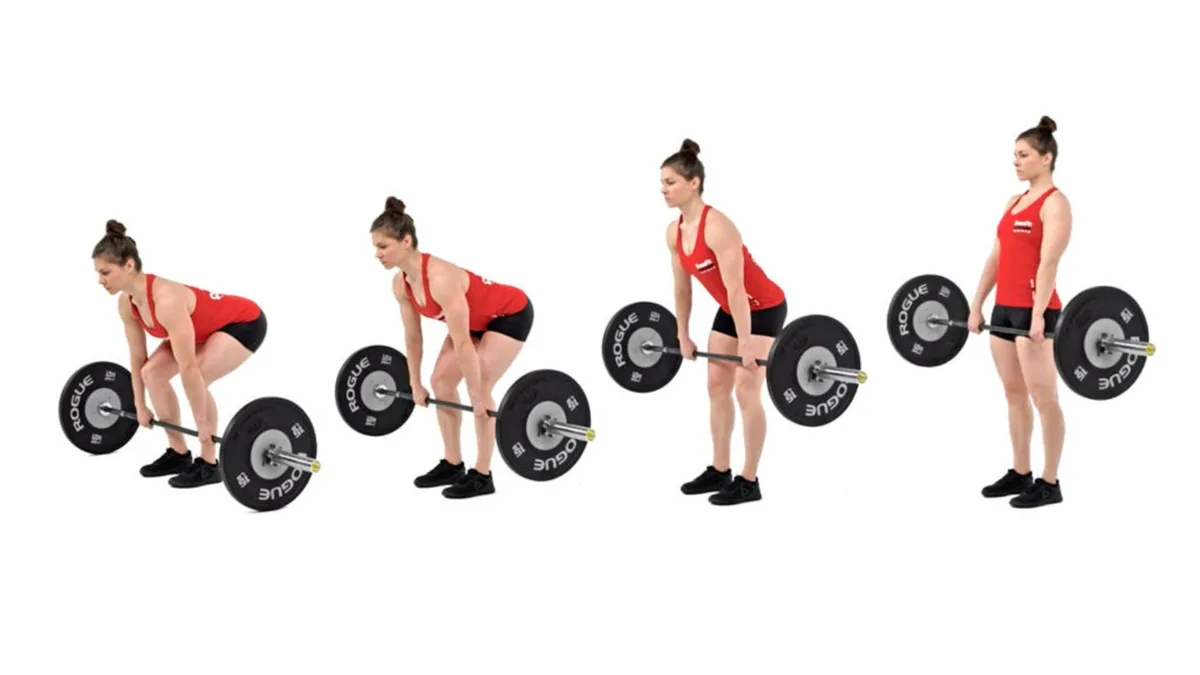
Image source: Bing (Web (fair-use with source credit))
How Often Should You Deadlift? A Frequency Guide Based on You
The answer to "how often should you deadlift?" isn't a single number; it's a personalized decision based on your unique situation. Let's look at how different factors guide that decision. The goal is to find a frequency that allows for consistent progress without compromising your health or motivation.
If you've ever wondered about the best frequency, consider your current training status and how your body responds. A common benchmark for many strength programs suggests that training a major muscle group or movement pattern 2-3 times per week can be highly effective for building strength and muscle. However, deadlifts are particularly demanding, so this needs careful consideration.
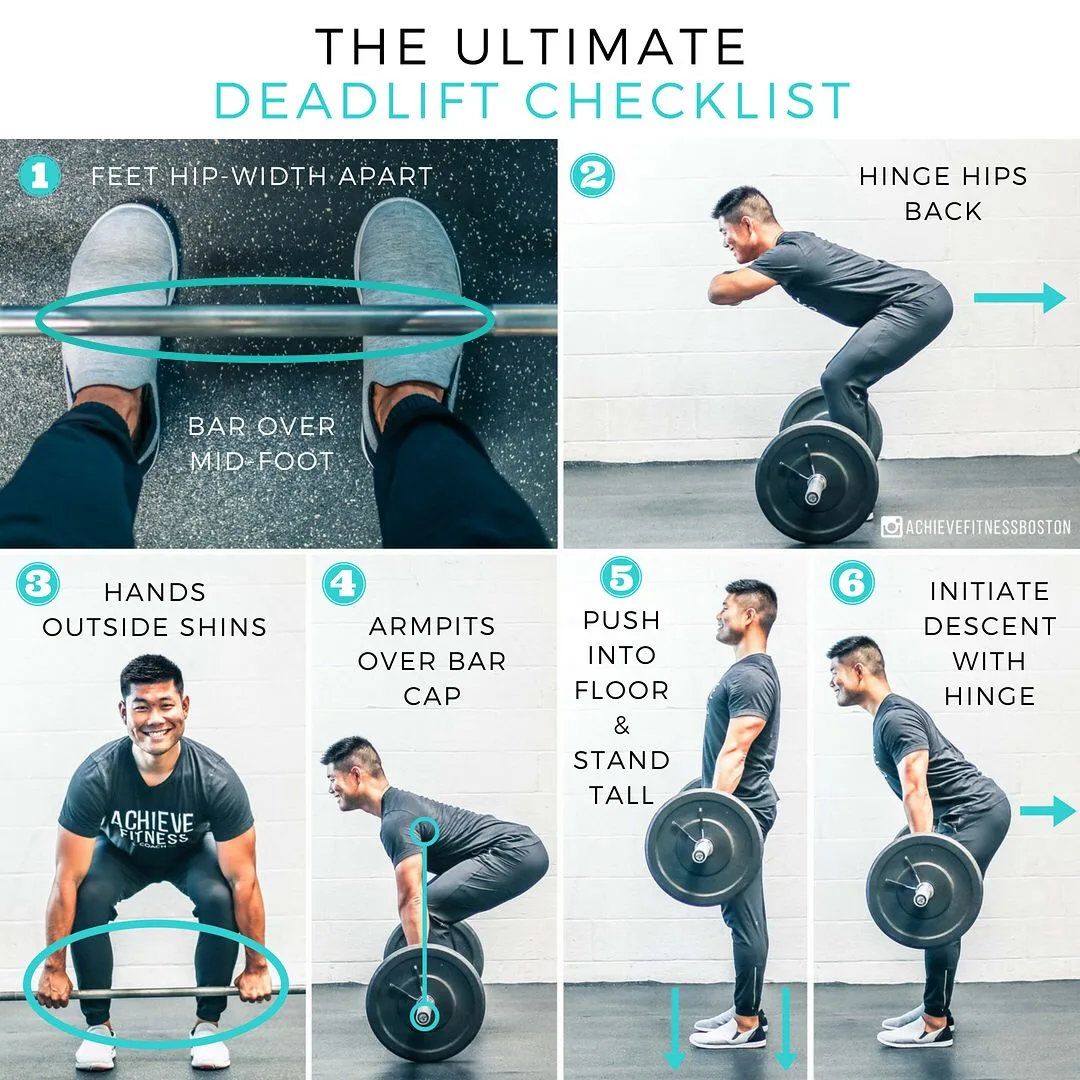
Image source: Bing (Web (fair-use with source credit))
Your Deadlift Experience Level Matters
Your training history is probably the biggest factor in determining how often you can safely and effectively perform deadlifts. Pushing too much, too soon, is a common pitfall that leads to injury or burnout.
Beginners: Learning the Ropes
If you're new to weightlifting or deadlifts specifically, your focus should be on mastering the movement pattern. Your body's nervous system and muscles need time to adapt to the demands of this powerful lift.
- Frequency: Stick to deadlifting once per week.
- Focus: Perfecting your form is the absolute priority. This means watching your technique, perhaps filming yourself, and making sure you have a solid foundation before adding significant weight. Proper technique is paramount, as outlined in many foundational strength training guides.
- Why it works: Beginners have a lower capacity for recovery compared to more experienced lifters. Giving yourself a full week between deadlift sessions allows ample time for muscle repair and nervous system adaptation without accumulating excessive fatigue. This controlled approach helps build confidence and prevent early-stage injuries.
Intermediate Lifters: Finding Your Rhythm
Once you've been training consistently for about six months to two years, your body becomes more resilient. You've likely built a decent amount of strength and your technique is probably pretty solid. At this stage, you might find you can recover faster and could benefit from a slightly increased frequency.
You might also be looking to combine muscle groups effectively, as discussed in best muscle group combinations to workout together.
- Frequency: You can likely handle deadlifting once or even twice per week.
- Considerations:
- Listen to your body: This is crucial. If you feel excessively sore or fatigued from your deadlifts, dial it back to once a week.
- Training split: How many other intense workouts are you doing, especially those that heavily involve your back, hamstrings, or glutes? Factor this in.
- Vary intensity: You don't need to go heavy every deadlift session. You might have one heavier day focusing on strength and another lighter day for technique or speed.
Advanced Lifters: Honing Your Craft
If you've been deadlifting and training seriously for over two years, you've probably developed a high tolerance for training stress and excellent recovery capabilities. Your form is likely very good, and you're focused on pushing strength limits or refining specific aspects of the lift. You might be interested in how heavy should dumbbells be for safe gains as part of a broader strength focus.
- Frequency: Twice a week is often manageable, or a structured approach where deadlifts occur every 5-7 days.
- Key: At this level, programming sophistication becomes vital. Advanced lifters often use different types of deadlifts on different days. For example, one day might be for maximal conventional deadlifts, while another could focus on speed work with lighter weights or technique practice with variations like Romanian deadlifts (RDLs) or deficit deadlifts. Proper programming ensures you're not just doing more, but training smarter.
Key Recovery Factors for Deadlift Frequency
Understanding how often you can deadlift is one thing, but understanding how often you should really comes down to how well you recover. Deadlifts are a full-body endeavor, hitting your posterior chain, grip, and even your core intensely. If your recovery is lacking, you'll likely end up overtrained or injured, no matter how often you try to lift.
Sleep: Your Ultimate Repair Tool
Sleep is when your body does its most critical repair work. Muscle tissue rebuilds, hormonal balance is restored, and your central nervous system recovers.
- Target: Aim for 7-9 hours of quality sleep per night.
- Impact: Consistently falling short on sleep will drastically impair your recovery, making it harder to bounce back from intense workouts like deadlifts. Manufacturer specifications for muscle recovery often highlight the direct correlation between sleep duration and protein synthesis rates.
Image source: Wikimedia Commons / Dakota Corbin thedakotacorbin
Nutrition: Fueling Your Gains
Your diet provides the building blocks for muscle repair and energy for your workouts. Without adequate fuel, your body can't effectively recover.
- Protein: Essential for muscle repair. Ensure you're consuming enough, spread throughout the day.
- Carbohydrates: Replenish glycogen stores, providing the energy needed for intense lifting sessions.
- Overall Intake: Make sure you're consuming enough calories to support your training demands.
How Often Should You Deadlift? A Frequency Guide Based on You
The answer to "how often should you deadlift?" isn't a single number; it's a personalized decision based on your unique situation. Let's look at how different factors guide that decision. The goal is to find a frequency that allows for consistent progress without compromising your health or motivation.
If you've ever wondered about the best frequency, consider your current training status and how your body responds. A common benchmark for many strength programs suggests that training a major muscle group or movement pattern 2-3 times per week can be highly effective for building strength and muscle. However, deadlifts are particularly demanding, so this needs careful consideration.
Common Deadlift Mistakes That Affect Frequency
Making common errors when you deadlift can directly impact how often you should be doing them, often forcing you to train less frequently than you might like. Addressing these issues is key to unlocking the potential for more consistent, effective training.
- Poor Form: This is the most significant mistake. Lifting with a rounded back, improper hip hinge, or weak core can lead to injuries, especially in your lower back. If your form breaks down, it's a clear signal you're either lifting too heavy, need more practice, or should reduce frequency to focus on technique. Resources on how to deadlift with dumbbells or how to do Romanian deadlifts (RDL) can offer crucial form cues.
- Ignoring Persistent Soreness: Some muscle soreness after a tough deadlift session is normal. However, debilitating soreness that lasts for days, interferes with daily life, or significantly impacts subsequent workouts is a warning sign. Pushing through this level of discomfort often indicates you're not recovering adequately between sessions.
- Chasing Max Weight Too Often: While testing your one-rep max (1RM) or lifting heavy is important for strength, doing it too frequently is unsustainable. Heavy deadlifts place a tremendous amount of stress on your central nervous system and musculoskeletal system. Regularly attempting maximal lifts without sufficient recovery will lead to burnout and potentially injury, forcing a reduced frequency.
How to Safely Increase Deadlift Frequency
If you're currently deadlifting once a week and feeling great, you might be ready to explore increasing that frequency. However, it's crucial to do this methodically to avoid overtraining and injury. The process should be gradual and highly observant.
Start Slow and Monitor
The best approach is to add one session per week, but make it significantly different from your main deadlift day.
- Option 1: Lighter/Speed Day: Perform deadlifts with lighter weight (e.g., 50-60% of your 1RM) and focus on moving the bar explosively from the floor. This trains power and technique without the same systemic fatigue.
- Option 2: Variation Day: Use a deadlift variation that targets similar muscles but with a different emphasis or less overall strain. Romanian deadlifts (RDLs), for instance, are excellent for hamstring and glute development and are often less taxing on the lower back than conventional deadlifts.
- Monitor: For 3-4 weeks, track your energy levels, sleep quality, soreness, and performance in all your workouts. If you're recovering well and progressing, you can maintain this new frequency. If you notice a decline, it might be too much.
Introduce Variations Smartly
Not all deadlift variations are created equal in terms of recovery demands. For instance, sumo deadlifts might feel different biomechanically for some compared to conventional deadlifts, potentially affecting recovery. When increasing frequency, consider:
- Exercise Selection: Choose variations that allow for good recovery.
- Intensity and Volume: Keep the intensity or volume lower on the secondary deadlift day compared to your primary one.
- Listen to Your Body: This is the overarching rule. If adding a second deadlift day compromises your performance in other lifts or your daily life, it's too much.

