
So, you're wondering if deadlifts are good for your lower back? It's a question many people have, especially when they hear about how effective they are, but also the warnings that can come with them. The truth is, when performed with correct technique, deadlifts are an incredibly powerful exercise for building strength in your lower back and the entire posterior chain.
But here's the critical part: improper form can turn this beneficial exercise into a significant risk for injury. Our research indicates that the key lies in understanding and consistently applying precise technique. The National Strength and Conditioning Association (NSCA) emphasizes that proper execution is paramount for maximizing benefits and minimizing risks in any resistance training program.

Today's Exclusive Deals
Limited-time Exclusive Deals. Check current discount on Amazon.
Check Price on Amazon As an Amazon Associate I earn from qualifying purchases.Are Deadlifts Good for Lower Back Strength?
Deadlifts can be excellent for lower back strength when performed with correct form. They challenge and build the muscles supporting the spine. However, poor technique significantly increases injury risk.
The "How It Works": Deadlifts and Your Posterior Chain
Deadlifts are a compound exercise, meaning they work multiple muscle groups simultaneously. The star players here are often referred to as the posterior chain muscles. This group includes your hamstrings, glutes, erector spinae (muscles running along your spine), and even muscles in your upper back and traps.
When you perform a deadlift correctly, you're essentially training these muscles to work in unison to lift a heavy weight from the floor. This coordinated effort builds functional strength, making everyday movements like bending over or lifting objects safer and easier.
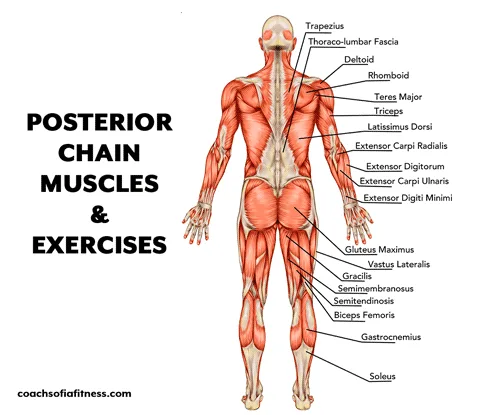
Image source: Web (Bing) / coachsofiafitness.com (Web image (fair-use with source credit))
What Exactly Is the Posterior Chain?
The posterior chain is essentially the entire back side of your body, from your heels to the top of your head. It’s a complex network of muscles that work together to extend your hips, straighten your knees, and maintain an upright posture. Think of it as your body's engine and support structure for movement.
Strong hamstrings help you bend your knees and extend your hips, while strong glutes are crucial for hip extension and stability. The erector spinae muscles are like scaffolding, keeping your spine stable and upright during powerful movements.
How Deadlifts Challenge These Muscles
During a deadlift, you initiate the lift by hinging at your hips and bending your knees, gripping a weight on the floor. As you stand up, your hamstrings and glutes contract powerfully to extend your hips. Simultaneously, your erector spinae muscles work isometrically, meaning they contract to hold your spine stable without changing length, to prevent your back from rounding.
Your core muscles also brace intensely to protect your spine. This total engagement makes the deadlift a phenomenal exercise for building the entire posterior chain, and by extension, developing a robust lower back. This aligns with principles discussed in exercise physiology research.

Image source: Web (Bing) / jasoncoultman.com (Web image (fair-use with source credit))
The Big "But": When Deadlifts Can Harm Your Lower Back
While the benefits are clear, it’s crucial to address the potential downsides. The primary concern with deadlifts and the lower back is the risk of injury if the exercise isn't performed correctly. Imagine your spine as a strong, flexible rod.
When you load it with weight, you want that rod to stay neutral and supported. If it rounds out under load, you’re placing excessive stress on the spinal discs and surrounding ligaments. This is where the real danger lies.
According to research from the National Institutes of Health (NIH), improper lifting mechanics, particularly spinal flexion under load, are strongly associated with an increased incidence of low back pain and injury. This is why focusing on form over weight is always the recommendation. We’ve seen many instances where individuals, eager to lift heavy, sacrifice their technique, leading to setbacks.
The Real Risks of Poor Form
Poor deadlift form can manifest in several ways, all of which put your lower back at unnecessary risk. Rounding your upper or lower back is a common culprit. This can happen if your hamstrings are too tight to allow you to hinge properly, or if you simply try to lift more weight than you can control.
Another mistake is hyperextending the lower back at the top of the movement, which can strain the muscles. Failing to brace your core effectively means those crucial stabilizing muscles aren't engaged, leaving your spine vulnerable. These errors can lead to acute strains or more chronic issues over time, as reported in numerous biomechanical studies.
Individual Factors That Matter
Your body is unique, and what works for one person might not be ideal for another. Pre-existing conditions, mobility limitations, and even your overall training history play a significant role. If you have a history of lower back pain, a herniated disc, or other spinal issues, you need to be exceptionally cautious.
It’s not a matter of whether you can deadlift, but rather how and if it's appropriate for your specific physical state. Always consult with a healthcare professional or a qualified physical therapist before starting any new exercise program, especially one as demanding as deadlifts, if you have any concerns.
Building a Stronger Lower Back Safely with Deadlifts
Now that we’ve covered the risks, let’s talk about how to make deadlifts work for you. The goal is to build that lower back strength without inviting injury. This involves a deliberate, mindful approach to the exercise.
It’s about creating a strong, stable foundation for your entire body, and that starts with mastering the movement itself. Think of it as learning a precise skill; the better you are at the skill, the more effectively and safely you can apply it.
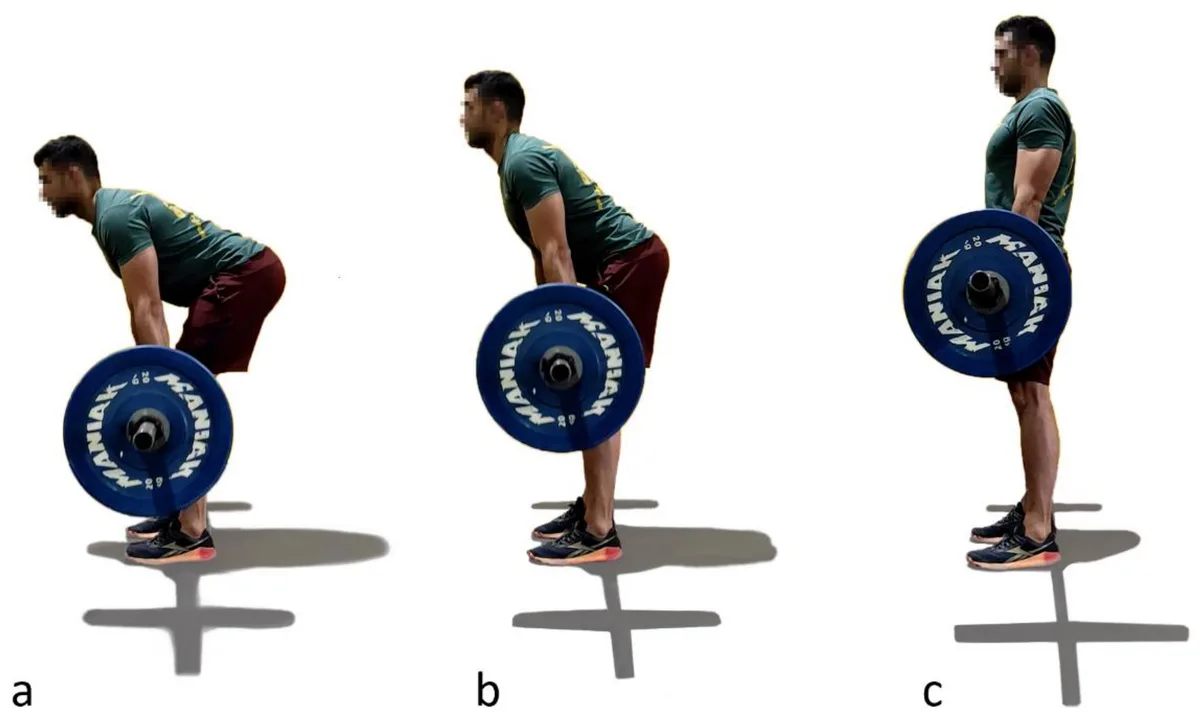
Image source: Bing (Web (fair-use with source credit))
Mastering Proper Deadlift Technique: The Core Steps
This is the most critical part of deadlifting safely. Forget about the weight for a moment and focus purely on movement. You want to establish a neutral spine, engage your core, and use your legs and hips to drive the lift.
- Starting Position: Stand with your feet hip-width apart, with the barbell over the middle of your feet. Hinge at your hips and bend your knees to grip the bar just outside your shins.
- The Setup: Take a deep breath, brace your core as if preparing for a punch, and depress your shoulder blades slightly. Your chest should be up, and your back should be straight.
- The Pull: Initiate the lift by pushing the floor away with your feet while keeping your chest up and back straight. Imagine driving your hips forward to meet the bar as it travels up your thighs.
- The Lockout: Stand tall with your shoulders back, but avoid hyperextending your lower back. The bar should end at your hip crease.
- The Lowering: Reverse the motion by hinging at your hips first, then bending your knees once the bar passes them. Control the descent.
Gradual Progression: Lifting Smarter, Not Just Heavier
You can't go from zero to hero overnight. Progression is key, and it must be done intelligently. Start with just the empty barbell (which typically weighs 45 pounds or 20 kilograms for standard Olympic bars) or even lighter if needed.
Your focus should be on perfecting the movement pattern. Once you can perform 5-8 repetitions with flawless form, then you can consider adding a small amount of weight, perhaps 5-10 pounds. This principle of progressive overload, increasing the demand on your muscles over time, is fundamental for strength gains and is a cornerstone of exercise science principles.
This gradual approach ensures your muscles, tendons, and nervous system have time to adapt. Trying to add too much weight too quickly is a surefire way to break form and invite injury. As of 2026, this patient, form-first method remains the gold standard for safe strength development.
Listening to Your Body: Pain vs. Soreness
This is a crucial distinction. Muscle soreness, especially the delayed onset muscle soreness (DOMS) that can set in 24-48 hours after a tough workout, is generally a sign of muscle adaptation and growth. It feels like a dull ache or tenderness.
Sharp, shooting, or localized pain during or after exercise, however, is a warning sign. If you feel sharp pain in your lower back during a deadlift, stop immediately. Don't try to push through it, as it could be a sign of an impending injury or an indication that your form is breaking down.
Your body communicates with you; learn to interpret its signals.
Smart Warm-ups and Variations
Before you even touch a barbell, you need to prepare your body. A good warm-up increases blood flow to your muscles, improves mobility, and primes your nervous system for the demands of the lift. This can include light cardio for 5-10 minutes, followed by dynamic stretches like hip circles, leg swings, and cat-cow stretches.
If traditional deadlifts feel too intimidating or challenging initially, don't shy away from variations. Romanian deadlifts (RDLs) are excellent for building hamstring and glute strength with a slightly different emphasis and can help improve your hip hinge. You can learn about these exercises, for example, in guides on how to do Romanian deadlifts (RDL) or how to deadlift with dumbbells.
Kettlebell swings are another fantastic option for learning the hip hinge pattern. These can be a stepping stone to mastering the barbell deadlift and are often recommended for individuals working on their foundational strength. Many fitness professionals recommend incorporating variations like these as part of a balanced training program.
When to Bring in the Experts: Seeking Guidance
While you can certainly learn a lot from research and self-instruction, there are times when professional guidance is not just helpful, but essential. Trying to learn a complex, potentially risky movement like the deadlift entirely on your own can lead to bad habits that are hard to break. It's like trying to build a house without a blueprint or a contractor; you might get it done, but it's likely to have structural issues.
If you're new to weightlifting, have a history of back pain, or simply aren't confident in your form, seeking professional help is the smartest move you can make. This is especially true given the potential for significant injury with improper deadlift technique. The cost of a few sessions with a qualified coach can save you from weeks, months, or even years of pain and rehabilitation down the line.
Recognizing When You Need Professional Help
So, how do you know when it’s time to call in the cavalry? If you've watched countless videos, practiced with an empty bar, and still feel unsure about your back posture or hip hinge, that's a clear sign. If you experience any twinges of pain during your practice sets, even with light weight, it's a red flag.
Additionally, if you have any underlying musculoskeletal issues, consulting with a physical therapist or a doctor of physical therapy is a non-negotiable first step before attempting deadlifts. They can assess your individual biomechanics and provide specific advice or modifications.
Fitness professionals who are certified by organizations like the National Academy of Sports Medicine (NASM) are trained to teach proper lifting techniques and can spot subtle form errors that you might miss. They can provide personalized feedback and help you build a safe and effective deadlift program tailored to your body. Remember, investing in proper guidance is an investment in your long-term health and safety.
Deadlift Alternatives for Lower Back Strength
Not everyone can or should do conventional barbell deadlifts, but that doesn't mean you can't build a strong posterior chain. There are several effective alternatives that can target similar muscle groups with varying degrees of intensity and risk. For instance, if barbell deadlifts are too taxing or you need to focus on specific muscle groups, variations like the Romanian deadlift (RDL) are excellent.
Many strength programs also incorporate glute bridges and hip thrusts, which heavily engage the glutes and hamstrings with less direct spinal loading.
You might also consider exercises that use dumbbells or kettlebells. Dumbbell deadlifts allow for a greater range of motion for some individuals and can be easier to set up and manage. Kettlebell swings, while more dynamic, also powerfully work the hips, glutes, and hamstrings.
If you have access to gym equipment, machines like the leg press can still contribute to lower body strength, though they won't engage the stabilizing muscles of the lower back in the same way. It’s about finding the right tool for your specific needs and goals.
Here's a quick look at some common alternatives:
- Romanian Deadlifts (RDLs): Focuses on the hamstrings and glutes with a less intense spinal load than conventional deadlifts.
- Dumbbell Deadlifts: Similar to barbell deadlifts but can offer a more comfortable grip and range of motion for some.
- Kettlebell Swings: A dynamic, explosive movement that builds power in the hips, glutes, and hamstrings.
- Glute Bridges & Hip Thrusts: Excellent for isolating and strengthening the glutes and hamstrings.
- Good Mornings: A more advanced exercise that targets the posterior chain, but requires excellent form.
Frequently Asked Questions About Deadlifts and Lower Backs
How often should I deadlift for lower back strength?
For most people, deadlifting 1-2 times per week is sufficient for building lower back strength, especially when factoring in recovery. Overtraining can negate benefits and increase injury risk.
Can deadlifts actually fix lower back pain?
Deadlifts can help strengthen the muscles that support the spine, which may alleviate some types of lower back pain over time. However, they are not a cure for all back pain and should only be attempted if cleared by a healthcare professional, particularly if you have existing pain.
What's the difference between a conventional deadlift and a sumo deadlift?
A conventional deadlift uses a narrower stance, while a sumo deadlift has a much wider stance with hands inside the legs. Both target the posterior chain, but sumo deadlifts can place more emphasis on the hips and adductors while potentially reducing the range of motion for the lower back.
How heavy should I go on deadlifts?
You should only go as heavy as you can with perfect form. Start light to master the technique, then gradually increase weight, ensuring your back stays neutral and your core is braced throughout the entire lift. The exact weight will vary greatly depending on individual strength and training experience.
Should I deadlift if I have a herniated disc?
Generally, no, unless specifically cleared and guided by a doctor or physical therapist. Deadlifts place significant compressive and shear forces on the spine, which can exacerbate a herniated disc. Many alternatives are safer options in such cases.
Verdict: Deadlifts as a Tool for a Stronger Lower Back
Deadlifts absolutely have the potential to be one of the most effective exercises for building and strengthening your lower back muscles, alongside your entire posterior chain. When performed with meticulous attention to form, a progressive approach to weight, and a keen awareness of your body's signals, they offer significant benefits for stability, functional strength, and overall resilience. They challenge your body in a way that mirrors fundamental human movements.
However, it's crucial to reiterate that this potential is directly tied to execution. The risks associated with poor technique are substantial, and can lead to serious injury that far outweighs any perceived gains. If you're unsure about your form, have a history of back issues, or are simply new to lifting, prioritize learning the movement correctly with lighter weights or from a qualified instructor before attempting to lift heavy.
For many, incorporating deadlifts thoughtfully into a well-rounded training program can lead to a stronger, more robust lower back.

