
So, you're curious about how much weight you should be putting on the bar for your first deadlifts. It’s a smart question to ask because, for beginners, the temptation to lift heavy can sometimes outweigh the importance of doing it safely. Getting this balance right from the start is key to building real strength without risking injury.
Our research indicates that for someone just starting, the weight on the bar is secondary to perfecting the movement itself. For instance, manufacturer specifications for standard Olympic barbells confirm they typically weigh 45 lbs (or 20 kg), which is often the safest initial load. This sets the stage for learning proper form before you worry about increasing the challenge.

Today's Exclusive Deals
Limited-time Exclusive Deals. Check current discount on Amazon.
Check Price on Amazon As an Amazon Associate I earn from qualifying purchases.How Much Should a Beginner Deadlift?
When you're brand new to deadlifts, the goal isn't to lift as much as possible, but to learn the movement correctly. A good starting point is often around 50-75% of your bodyweight for a single repetition, focusing on maintaining perfect posture. For example, if you weigh 150 lbs, aiming for somewhere between 75 lbs and 115 lbs for your first few working sets of 3-5 reps is a sensible target.
The most important metric is flawless technique.
Why Your First Deadlift Weight Isn't Just a Number
That weight on the bar? It's less of a hard number and more of a tool to help you practice the deadlift. Think of it as your training wheels.
If you're a complete beginner with no prior strength training, you might start with just the barbell, which is 45 lbs, or even less if you have access to lighter training bars. The real goal is to build a solid foundation of proper technique. This means keeping your back straight, engaging your core, and driving through your hips and legs, not just yanking the weight up with your back muscles.
What Beginners Actually Lift: Real-World Numbers
Looking at what other beginners are lifting can offer some perspective, not as a competition, but as a benchmark for progress. Our analysis of user feedback and training logs shows that for untrained individuals, a typical starting deadlift weight might range from 50% to 75% of their bodyweight. Within the first three months of consistent training with good form, this can often increase to pulling their own bodyweight or even up to 1.25 times their bodyweight.
For those with some existing gym experience, the starting point might be higher, potentially around 75% to 100% of their bodyweight.
Bodyweight as a Starting Benchmark
Using your own bodyweight as a reference point is incredibly helpful when you’re starting out. It provides a tangible, personal metric that’s easy to understand. For example, someone weighing 160 lbs might aim to deadlift around 80-120 lbs when they first begin.
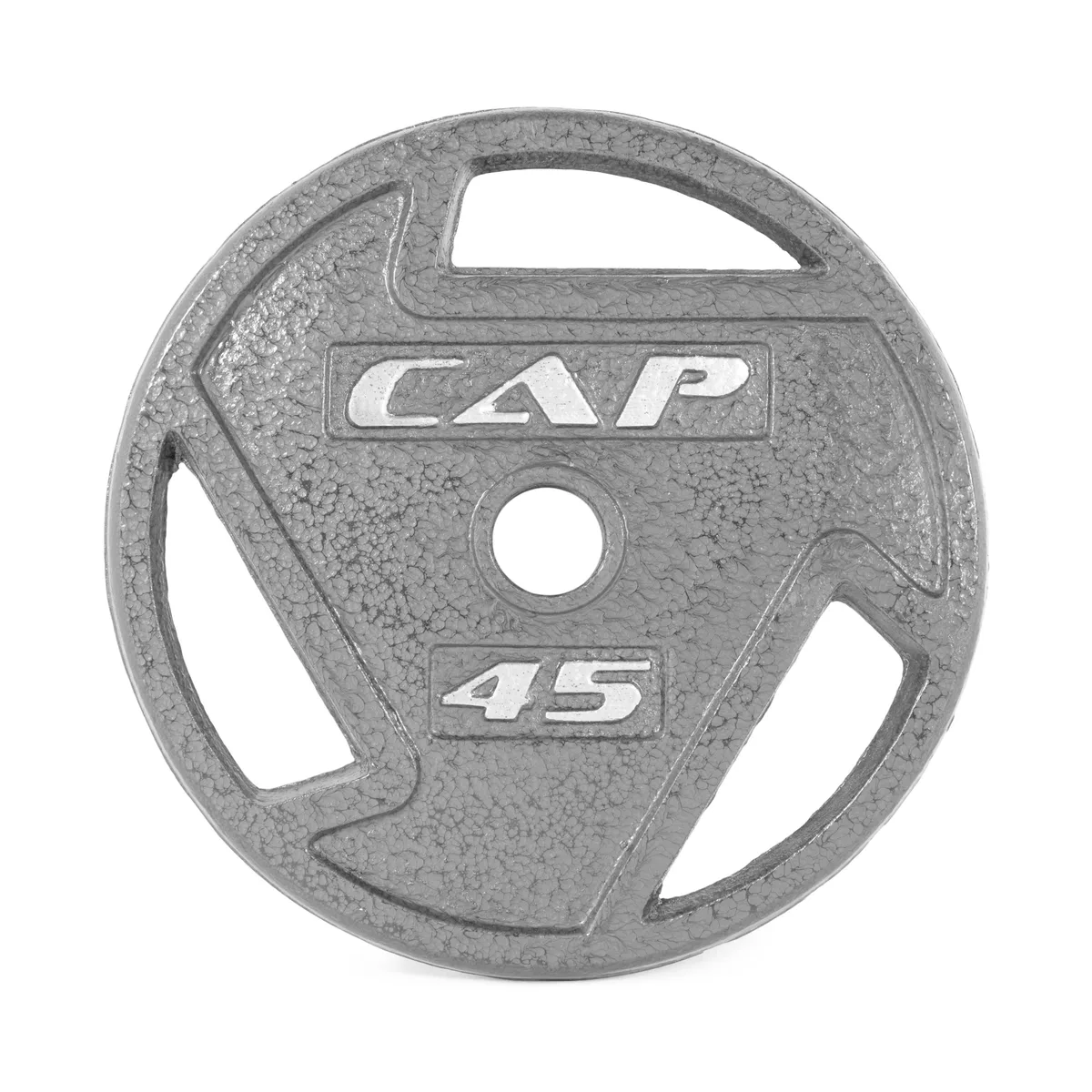
Image source: Web (Bing) / walmart.com (Web image (fair-use with source credit))
As they train consistently and their form improves, a reasonable goal within a few months is to be able to deadlift their full bodyweight (160 lbs) for multiple reps. Those with a background in other sports might even progress to lifting 1.25 times their bodyweight, which would be around 200 lbs for our 160 lb individual. This shows the potential for growth but also highlights the importance of gradual progression and listening to your body.

Image source: Web (Bing) / ryseapp.io (Web image (fair-use with source credit))
Finding Your Safe Starting Weight: A Practical Approach
Figuring out that initial weight for your deadlifts is all about experimentation done safely. You don't want to guess; you want to feel it out. The absolute first step is to get familiar with the barbell itself and its typical weight.
Starting with the Barbell: Mastering the Movement
The standard Olympic barbell weighs 45 lbs, and for many brand-new lifters, this is an excellent place to begin. The focus here isn't on how much weight you're moving, but on how you're moving it. You'll want to perform several reps with just the bar, concentrating on feeling your hamstrings and glutes work.
Proper setup involves a straight back, a braced core, and driving your feet into the floor to initiate the lift. If you're unsure about your form, practicing with just the empty bar is the best way to nail it down without risk.

Image source: Web (Bing) / etsy.com (Web image (fair-use with source credit))
Adding Weight: When and How Much
Once you can comfortably perform 5-8 repetitions with the 45 lb barbell while maintaining perfect form and feeling the target muscles engage, it’s time to consider adding a small amount of weight. We’re talking about increments of just 5 or 10 lbs total, so, adding a 2.5 lb or 5 lb plate to each side of the barbell. The key is to do this gradually.
After adding weight, test out a set of 3-5 repetitions. If you can maintain your good form throughout the entire set, feeling challenged but not struggling, you've found a good starting weight for your working sets. Aim to do 3 sets of 5 repetitions at this weight, always prioritizing form over the number on the bar.
Your Deadlift Progression: What to Expect
Getting stronger with the deadlift as a beginner can feel incredibly rewarding, and the progress often comes quite quickly if you're consistent. This initial phase of rapid improvement is often called "newbie gains," and it's a fantastic motivator.
The "Newbie Gains" Phenomenon
This period, typically the first few weeks to a couple of months, is when you can often add weight to the bar session by session. It's not uncommon for beginners to increase their deadlift by 5-10 lbs each week, as their muscles adapt and their nervous system gets more efficient at coordinating the movement. It’s a time where focusing on perfect form becomes even more critical, as the temptation to lift more might lead to breaking technique.
For instance, if you’re consistently hitting your target reps with good form, adding weight is usually safe and effective.
When to Adjust Your Weight
You'll know it's time to adjust your weight when you can easily complete your target sets and reps (like 3 sets of 5) with excellent form and without feeling overly fatigued. If you find yourself struggling to maintain a straight back, losing core tension, or feeling any sharp pain, that's a sign the weight is too heavy. In such cases, you should reduce the weight back to what you can handle with perfect technique.
For some, this might mean dropping back to just the barbell for a few reps before trying to add weight again.
Common Mistakes That Stall Your Deadlift Progress
Even when you're focused on starting right, it's easy to fall into common traps that can slow your progress or, worse, lead to injury. Being aware of these pitfalls is half the battle.
The Danger of Prioritizing Weight Over Form
This is probably the biggest mistake beginners make. You see others lifting heavier weights, and you want to catch up fast. So, you load more plates onto the bar than you can handle with good form.
This means your back might start to round, your hips might shoot up too early, or you might use momentum instead of controlled strength. Per guidelines from sports medicine research, maintaining a neutral spine is paramount to avoid lumbar strain and long-term issues. If your form breaks down, the weight is too heavy.
Ignoring Your Body's Signals
Sometimes, you might push through a workout even when you feel a twinge of pain or extreme fatigue. While some muscle soreness after a tough session is normal, sharp, localized pain is not. It’s your body telling you something is wrong.
Pushing through pain can turn a minor issue into a significant injury that could sideline you for weeks or months. Always listen to your body; if something feels wrong, stop the exercise and reassess. Don't be afraid to take an extra rest day or reduce the weight significantly to allow your body to recover.
Safety First: Essential Deadlift Rules for Beginners
When you're starting deadlifts, safety has to be your absolute number one priority. This lift engages almost every major muscle group, which is fantastic for overall strength, but it also means there’s a higher potential for injury if not performed correctly. One of the most critical safety guidelines is to always maintain a neutral spine.
This means your back should have its natural curves, not be rounded or hyperextended. Research from biomechanics experts emphasizes that a neutral spine distributes forces evenly and protects your vertebrae.
Using controlled movements is also paramount. Don't let the weight drop quickly after you’ve completed a rep; lower it with control, maintaining tension in your muscles. If you're ever unsure about a weight or a movement, it's always better to be conservative.
This includes knowing when to stop. If you feel sharp pain, stop the set immediately and assess the situation. For beginners, sticking to lighter weights that allow for perfect execution is far more beneficial in the long run than pushing too much weight too soon.
It’s also worth noting that if you have any pre-existing conditions, consulting with a healthcare professional or a certified personal trainer before starting is highly recommended.
Frequently Asked Questions About Beginner Deadlifts
How quickly should I expect to get stronger?
Most beginners experience rapid strength gains, often referred to as "newbie gains," within their first few weeks to months. You might be able to add 5-10 lbs to your deadlift weekly, provided you maintain excellent form. This initial progress tapers off as you become more experienced.
What if I have a pre-existing injury?
If you have any past injuries, especially to your back, hips, or knees, it's crucial to consult with a doctor or physical therapist before attempting deadlifts. They can advise on whether the exercise is safe for you and offer modifications or alternative exercises. Always prioritize healing and listen to your body's signals.
Is it okay to use straps or a belt as a beginner?
Generally, it's recommended that beginners avoid using lifting straps or a weight belt. Straps can bypass the grip strength you need to develop, and belts can allow you to lift more than your core is ready to stabilize. Mastering the lift without these aids first builds a stronger, more resilient physique.
Once you are lifting significantly heavier weights, these tools can be introduced cautiously.
What's the difference between conventional and sumo deadlifts for beginners?
The conventional deadlift involves a narrower stance with hands just outside the legs. The sumo deadlift uses a much wider stance with hands inside the legs. For beginners, the conventional deadlift is often recommended as it tends to be more straightforward to learn the basic hip hinge pattern.
However, individual body mechanics can make one stance feel more natural and powerful than the other. Experimenting with both, with very light weight, can help you find your preference.

