
Deciding between tennis and pickleball can feel like a toss-up if you're new to the court. Both offer fantastic ways to get active and have some fun, but they really are quite different experiences. Figuring out which one suits your energy levels, physical condition, and social preferences is key to enjoying your time on the court.
Our research shows that while both are popular racquet sports, their court sizes, equipment, and scoring systems lead to vastly different gameplay. For instance, a regulation tennis court spans 78 feet by 36 feet for doubles, whereas a pickleball court is a more compact 44 feet by 20 feet. Understanding these core differences is the first step in choosing your sport.

Today's Exclusive Deals
Limited-time Exclusive Deals. Check current discount on Amazon.
Check Price on Amazon As an Amazon Associate I earn from qualifying purchases.The Big Picture: Why Compare Tennis and Pickleball?
Comparing tennis and pickleball isn't just about picking a hobby; it's about finding the right fit for your lifestyle and physical goals. Many people wonder which sport offers a better workout, is easier to learn, or is more suited to their age group. These aren't trivial questions, as the right choice can mean more consistent participation and greater enjoyment.
The choice often comes down to what you're looking for: a high-impact, fast-paced athletic challenge or a more accessible, strategic game with a gentler physical toll. Both sports are growing rapidly, but their appeal and player demographics can vary significantly. Let's break down what makes each unique.
Quick Take: Key Differences at a Glance
Tennis and pickleball offer distinct experiences, primarily shaped by their court dimensions, equipment, and gameplay. Tennis is played on a large court with a net and uses strung rackets to hit a felt-covered ball, demanding significant agility and power. Pickleball, on the other hand, uses a smaller court, a solid paddle, and a perforated polymer ball, resulting in slower rallies and a lower barrier to entry for newcomers.
As of 2026, pickleball's rapid growth is often highlighted in sports and fitness trends.

Image source: Web (Bing) / padelcafe.pk (Web image (fair-use with source credit))
Tennis Breakdown: What It's All About
Tennis is a globally recognized sport that's been around for centuries, characterized by its dynamic rallies and demanding physical exertion. Played on a large rectangular court divided by a net, the objective is to hit the ball over the net into the opponent's court in such a way that they cannot return it legally. It requires a combination of speed, endurance, precision, and strategy.
Tennis Features & Playstyle
The game uses strung rackets, typically made of graphite or composite materials, to strike a depressurized or pressurized felt ball. Overhead serves are a critical part of the game, often hit with significant pace. Players move across a large court, involving a lot of running, quick stops, and changes in direction.
Strategy involves controlling the court, setting up attacking shots, and anticipating the opponent's moves.
Who Plays Tennis?
Tennis appeals to a wide range of players, from young athletes developing their skills to seasoned players seeking a vigorous competitive challenge. It's known for its intense physical demands, requiring good cardiovascular fitness, agility, and strength. Players often dedicate considerable time to practicing strokes and refining their technique to compete effectively.
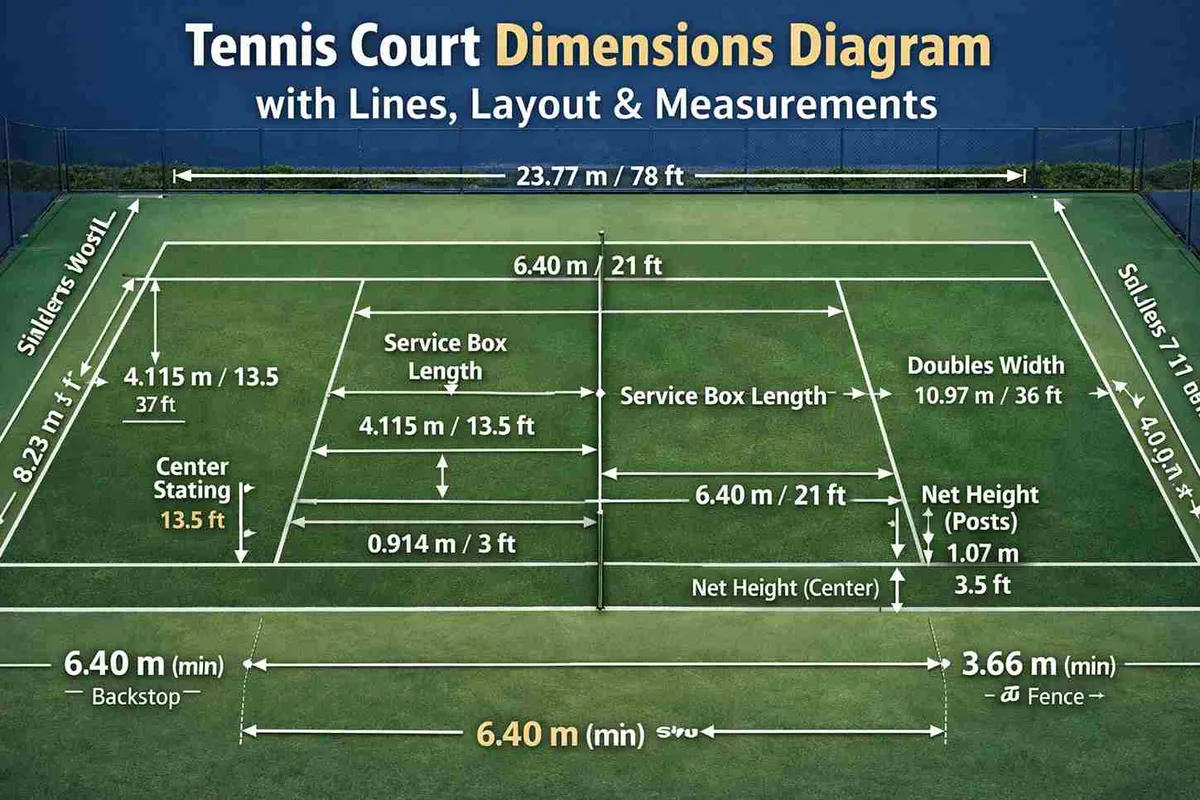
Image source: Bing (Web (fair-use with source credit))
Pickleball Breakdown: Understanding the Hype
Pickleball is the fast-growing sensation that's taken the sports world by storm. It cleverly blends elements of tennis, badminton, and table tennis into a game that's incredibly fun and surprisingly addictive. Played on a smaller court than tennis, it's often lauded for its accessibility and the social atmosphere it fosters.
Pickleball Features & Playstyle
Instead of rackets, players use solid paddles, often made from composite materials like graphite or fiberglass. The ball is a perforated polymer sphere, similar to a wiffle ball. Play involves hitting the ball over a net that's lower than a tennis net.
Key elements include the "kitchen" or non-volley zone, which prevents players from smashing the ball out of the air if they are standing in it.
Who Plays Pickleball?
This sport is particularly popular with seniors and those looking for a lower-impact alternative to tennis. However, its appeal is broad, attracting players of all ages and fitness levels. The smaller court and slower ball speed make it easier to learn and play, allowing for longer rallies and more interaction between players.
It's common to see people of different athletic backgrounds enjoying games together.
Direct Comparison: Tennis vs. Pickleball
When you're weighing tennis against pickleball, you're really looking at two different types of court experiences. They share some DNA, but the way you play, the physical demands, and the learning curve are significantly distinct. Think of it like comparing a marathon to a brisk walk with some sprints mixed in.
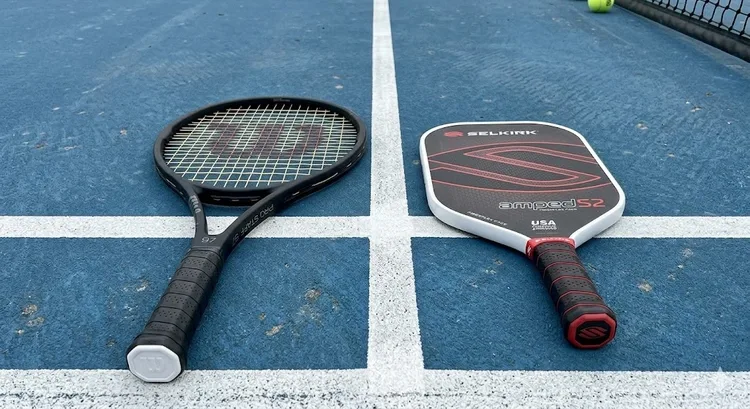
Image source: Web (Bing) / jimbouton.com (Web image (fair-use with source credit))
Court & Equipment Differences
The most obvious difference is the court size. Tennis courts are much larger, measuring 78 feet long and 36 feet wide for doubles play. Pickleball courts are considerably smaller at 44 feet long and 20 feet wide.
This size difference dictates the amount of running and court coverage required. Equipment also varies: tennis uses strung rackets, while pickleball uses solid paddles. The balls are also different; tennis balls are heavier and bouncier than the lighter, slower pickleball.
Skill & Learning Curve
Pickleball generally has a much gentler learning curve than tennis. The smaller court and slower ball mean you have more time to react and get into position. Mastering basic shots like the serve, forehand, and backhand can happen relatively quickly for most people.
Tennis, conversely, often requires more dedicated practice to develop solid strokes, especially the serve and volleys, due to the speed and spin involved. Many find they can engage in enjoyable rallies in pickleball much sooner.
Physical Demands
Tennis is a high-impact sport that requires significant cardiovascular fitness, agility, and explosive power. Players are constantly moving, sprinting, stopping, and lunging, which can be tough on joints. Pickleball is also a good workout, but it's generally considered lower impact.
While it still involves movement, the smaller court means less ground to cover, and the slower ball speed reduces the need for extreme bursts of speed or power. This makes it more accessible for individuals managing joint issues or those seeking less strenuous activity.
Social & Community Aspects
Both sports are inherently social, but pickleball often has an edge in fostering community and casual interaction. The smaller court means players are closer together, making conversation easier during breaks. Many pickleball courts have a very friendly, welcoming atmosphere, with "open play" sessions where anyone can join a game.
Tennis can also be social, especially in doubles or club settings, but the intensity of play can sometimes make prolonged conversation during a match more challenging.
Scoring & Gameplay Nuances
The scoring systems are quite different. Tennis uses a point-based system where scores are called out as "love," 15, 30, 40, and game. A set is won by winning a certain number of games.
Pickleball's scoring is simpler to grasp initially, with points only scored by the serving team. Games are typically played to 11 points, win by two. The introduction of the "dink" shot, a soft shot hit into the opponent's non-volley zone, adds a strategic layer to pickleball that's unique compared to tennis's emphasis on power and pace.
Picking Your Perfect Match: Who Should Play What?
Choosing between tennis and pickleball often hinges on your current fitness level, physical condition, and how quickly you want to get into playing games. If you're looking for a sport that's generally easier to pick up and less demanding on the body, pickleball is likely your winner. For those who crave intense physical exertion, strategic depth, and a significant athletic challenge, tennis remains the top contender.
Best For Beginners & Lower Impact
Pickleball is incredibly beginner-friendly. The smaller court means less ground to cover, and the slower ball speed gives you ample time to react. This makes it ideal for individuals new to racquet sports or those returning to activity after an injury.
Many players find they can enjoy rallies and games within their first few sessions, making it highly rewarding early on. You can find local courts in community centers and parks, making it accessible for many.
Best For Speed & Power
Tennis, on the other hand, is built for athletes who thrive on speed, power, and endurance. The larger court demands significant lateral movement and explosive sprints. Mastering tennis requires dedication to technique, as serves, groundstrokes, and volleys all involve complex mechanics and high impact.
It's a sport that rewards consistent practice and physical conditioning, offering a profound sense of accomplishment as skills develop. The strategic depth is immense, with players constantly analyzing their opponent and court positioning.
Best For Smaller Courts & Faster Rallies
If you have limited court space available or prefer quicker, more consistent exchanges rather than long, drawn-out points, pickleball shines. The smaller 44×20 foot court means the ball travels less distance, leading to faster-paced rallies once players get comfortable. This can be particularly appealing for social play where you want to keep games moving and opportunities for conversation between points.
It's also great for venues with limited space, like indoor gyms or smaller outdoor courts.
Best For Social Engagement
While both sports are social, pickleball often fosters a more immediately communal atmosphere. The close proximity on the court, combined with the game's accessibility, encourages mingling and new friendships. It's common in pickleball communities for players to rotate partners and games regularly, creating a very inclusive environment.
Many dedicated pickleball courts have a very social vibe, with people gathering to play and socialize. Tennis can be social, but the intense nature of play and larger court can sometimes make spontaneous chatting harder.
Common Pitfalls to Sidestep
When you're starting out in either tennis or pickleball, certain common mistakes can hinder your progress or even lead to frustration. For pickleball beginners, one of the biggest pitfalls is standing too close to the net while trying to smash the ball. This often leads to hitting the ball into the net or out of bounds because you're too close to overcome the net height.
Over-aggressively trying to hit powerful shots too soon, before mastering softer touch shots like dinks, also proves challenging.
In tennis, a common issue is improper racket grip or stroke mechanics, which can lead to inefficient shots and potential arm or wrist strain. Many beginners also struggle with footwork, failing to get into the correct position before hitting the ball, which compromises balance and power. A lack of consistent practice on fundamentals like serving and returning can also slow down your ability to engage in enjoyable rallies.
For both sports, neglecting proper warm-up routines before playing can increase the risk of minor injuries. It’s always wise to prepare your body for the activity ahead.
Frequently Asked Questions
Is pickleball easier to learn than tennis?
Yes, pickleball is generally much easier to learn than tennis. The smaller court size, slower ball speed, and use of paddles instead of strung rackets mean there's less ground to cover and more time to react. Most beginners can engage in playable rallies and understand the scoring within their first session.
Which sport is a better workout?
Tennis typically offers a more intense cardiovascular workout due to the larger court size and required explosive movements, involving more sprinting and agility. Pickleball provides a good workout, especially for cardiovascular health and reflexes, but is generally considered lower impact and less demanding overall. The intensity depends heavily on how competitively you play either sport.
Can seniors play both tennis and pickleball?
Absolutely. While pickleball has gained significant popularity among seniors due to its lower impact and accessibility, tennis can also be played by seniors. Many tennis clubs offer programs or leagues tailored for older adults, focusing on modified play or less strenuous variations.
The key is to choose based on individual fitness levels and preferences.
What equipment do I need for each sport?
For tennis, you'll need a strung tennis racket, tennis balls, and appropriate athletic shoes designed for court sports. For pickleball, you'll need a solid paddle and a pickleball (which is lighter and perforated). Comfortable athletic shoes suitable for quick lateral movements are also essential for both.
How much does it cost to start playing?
Starting pickleball is often more affordable. A decent beginner paddle can range from $30 to $70, and balls are relatively inexpensive. Tennis rackets can range widely, from $50 for a beginner model to hundreds for advanced rackets, and balls are also a recurring cost.
Court fees can apply to both depending on your location and facility.
Your Decision Guide: Making the Final Call
Ultimately, the choice between tennis and pickleball comes down to what you value most in a sport. If your priority is finding an activity that's quick to pick up, less physically demanding, and highly social, pickleball is likely your best bet. Its lower barrier to entry means you can start having fun and engaging in rallies almost immediately.
If you're seeking a more intense athletic challenge, love the idea of mastering complex strokes, and enjoy covering a lot of ground, tennis might be more your style. It offers incredible depth for competitive play and a rigorous physical test. Consider trying out both if you have the opportunity, hitting a few balls on a pickleball court and then a few on a tennis court will quickly give you a feel for which one resonates more with your personal preferences and physical capabilities.
Your perfect court sport awaits.

