
Ever found yourself scratching your head, wondering what makes cricket and baseball tick? You're not alone. While both are beloved bat-and-ball sports with similar-sounding jargon, they're really quite different games.
Understanding their distinct rules, strategies, and cultural roots is key to appreciating them.

Today's Exclusive Deals
Limited-time Exclusive Deals. Check current discount on Amazon.
Check Price on Amazon As an Amazon Associate I earn from qualifying purchases.Our research digs into the heart of these sports, aiming to clarify the core differences. We'll break down what makes each unique, from the way the ball is delivered to how the game is structured. For instance, a standard cricket ball weighs between 5.5 to 5.75 ounces (155.9 to 163 grams), very close to a baseball's 5 to 5.25 ounces (142 to 149 grams), yet the games feel worlds apart.
Let's get into it.
Cricket vs. Baseball
Cricket and baseball are fundamentally different sports, though they share a bat-and-ball heritage. Cricket involves two teams of 11 players, batting and bowling over a period that can last for hours or even days, with a focus on accumulating runs without getting dismissed. Baseball features two teams of 9 players, playing a timed game of innings where batters aim to advance around bases to score runs after hitting a pitched ball.
The primary goal in cricket is to score as many runs as possible while dismissing the opposition, whereas in baseball, it's to score more runs than the opponent by circling the bases before the game concludes.
Cracking the Code: How Cricket and Baseball Actually Work
At their core, cricket and baseball are games of skill, strategy, and athleticism involving a bat and a ball. However, the way these elements are combined leads to vastly different playing experiences. Understanding the fundamental actions and objectives is your first step to grasping what makes each sport unique.

Image source: Web (Bing) / honestbaseball.com (Web image (fair-use with source credit))
Cricket: The Basics of Bats, Balls, and Wickets
In cricket, two teams compete, with one team batting and the other fielding and bowling. The batting team sends two players out at a time, known as the striker and non-striker. The bowler delivers the ball from one end of the pitch, aiming to dismiss the striker.
The striker's goal is to hit the ball and score runs by running between the two sets of wickets (three wooden stakes with bails on top) located at each end of the pitch. The fielding team's objective is to prevent runs and dismiss the batters through various means, such as catching the ball after it's hit or by breaking the wickets with the ball.
Baseball: The Fundamentals of Swings, Strikes, and Bases
Baseball is played by two teams of nine players each. The game progresses through a series of innings, typically nine for professional games, with each team getting a turn to bat and field. When a team is batting, one player at a time steps up to the plate to face the pitcher from the opposing team.
The pitcher throws the ball toward the catcher, and the batter attempts to hit it. If successful, the batter becomes a runner and tries to advance around four bases (first, second, third, and home plate) to score a run. The fielding team aims to get batters or runners "out" to end the batting team's turn.
The Devil's in the Details: Key Differences You Can See and Hear
While both sports involve hitting a ball and running, the nuances are profound. From the unique delivery styles to the strategic positioning of players, these differences shape the entire game. Even the way a player is "out" or how runs are accumulated varies significantly.
Pitching vs. Bowling: The Art of Sending the Ball
The way the ball is delivered is a major point of divergence. In baseball, the pitcher throws the ball overhand, aiming for a strike zone in front of the batter. This requires precision, velocity, and a variety of pitch types like fastballs, curveballs, and sliders.
Cricket's bowler, however, delivers the ball with a straight arm, in a motion that must be fair (no bending of the elbow beyond a certain degree). Bowlers use swing, seam, and spin to trouble the batter. There's a vast array of bowling types, including fast bowling, medium pace, off-spin, and leg-spin, each employing different techniques to deceive the batter.

Image source: Web (Bing) / pngtree.com (Web image (fair-use with source credit))
Fielding Positions: Where Everyone Stands
Fielding strategies differ considerably. Baseball has a more defined set of defensive positions: pitcher, catcher, first baseman, second baseman, shortstop, third baseman, and three outfielders (left, center, right). Their roles are largely static during play, though they shift slightly based on the batter and game situation.
Cricket fielding is much more fluid. While there's a bowler and a wicket-keeper (similar to a catcher), the remaining nine fielders can be placed almost anywhere on the field. Common positions include slips (close behind the batter), gully, point, cover, mid-off, mid-on, square leg, and fine leg.
The captain's strategy dictates these placements, which can change drastically from one ball to the next.
Scoring and Outs: How the Game Moves Forward
Accumulating points looks different in each sport. In baseball, a run is scored when a runner successfully advances around all four bases and touches home plate. Players can also score on hits that allow them to advance multiple bases, or through errors by the fielding team.
Getting "outs" is crucial for the fielding team; three outs end the batting team's turn. Common outs include strikeouts (three strikes), fly outs (ball caught in the air), force outs (fielder with the ball touches the base before the runner), and tag outs (fielder tags the runner with the ball).
Cricket runs are scored primarily by hitting the ball and running between the wickets. A "boundary" is a significant scoring event: hitting the ball to the boundary rope earns four runs if it rolls there, or six runs if it clears the boundary on the full. Dismissals, known as "wickets," are how the fielding team tries to end the batting team's innings.
A batter can be out in many ways, including bowled (ball hits the wickets), caught (fielder catches the ball after it's hit before it bounces), leg before wicket (LBW, where the ball would have hit the wickets but hit the batter's leg first), run out (fielders break the wickets while the batter is running and not safely at a crease), and stumped (wicket-keeper breaks the wickets when the batter is out of their crease and not playing a shot).
Game Structure: Innings, Overs, and Time
The temporal structure of cricket and baseball creates vastly different viewing experiences. Baseball games are divided into innings, with each inning comprising two halves. The game typically lasts around three hours and is played on a clock, meaning a definite end is usually guaranteed within a reasonable timeframe.
Cricket games vary dramatically in length. Test matches, the longest format, can last up to five days. One-Day Internationals (ODIs) are completed within a single day, with each team usually facing 50 overs (a set of six legal deliveries by one bowler).
Twenty20 (T20) matches are the shortest, lasting about three hours, with each team facing 20 overs. This variability in duration is one of cricket's most distinctive features.
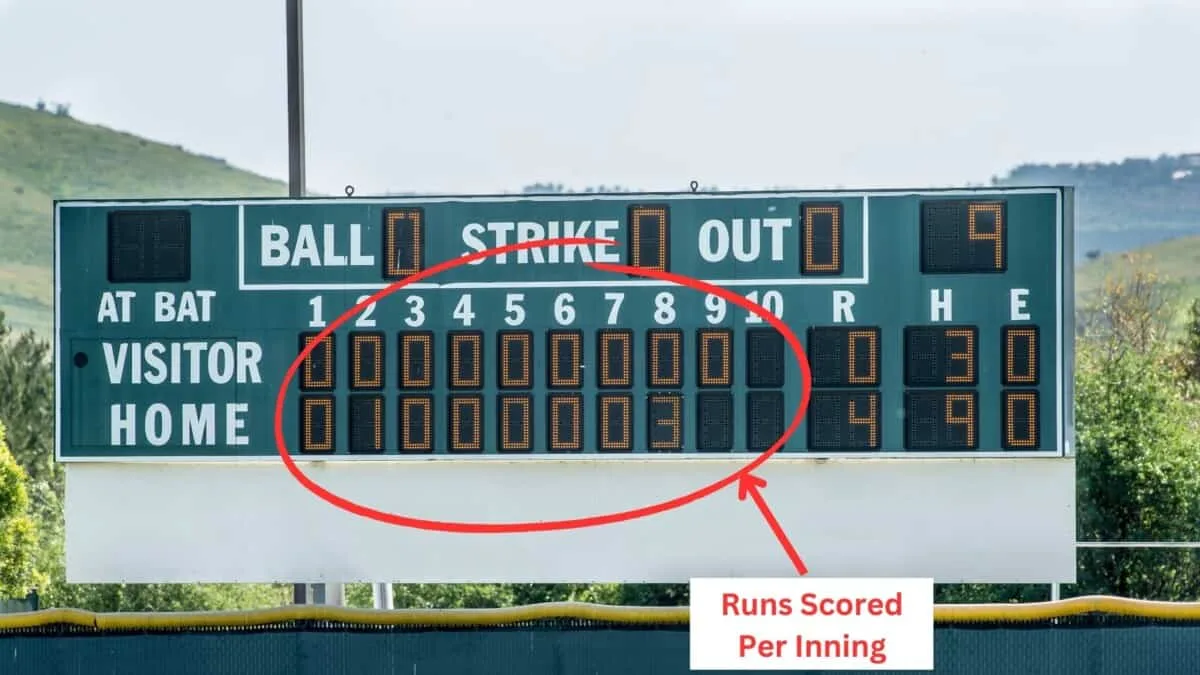
Image source: Bing (Web (fair-use with source credit))
Who's Playing Where? The Global Reach of Cricket and Baseball
The geographical spread of these sports tells a story of their history and cultural impact. Baseball is a dominant force in North America, particularly in the United States and Canada, and enjoys massive popularity in Japan, South Korea, Taiwan, and several Latin American countries like Cuba, the Dominican Republic, and Venezuela. Major League Baseball (MLB) is the premier professional league, drawing huge crowds and global attention.
Cricket, on the other hand, has its strongest roots in countries that were once part of the British Empire. It's a national obsession in India, Pakistan, Australia, England, and South Africa, and also holds significant popularity in places like New Zealand, Bangladesh, Sri Lanka, and the West Indies. The International Cricket Council (ICC) governs the sport globally, with major tournaments like the Cricket World Cup capturing the attention of billions.
While baseball has a strong presence in certain regions, cricket's fanbase is arguably more widespread across a larger portion of the world's population.
What's It Like to Play? Understanding the Feel of Each Game
Beyond the rules, the actual experience of playing cricket and baseball feels quite different. Baseball is often characterized by bursts of intense action punctuated by moments of strategy and anticipation. The pitcher-batter duel is a central drama, with each pitch a potential turning point.
Players also need strong throwing arms and the ability to react quickly to ground balls and fly balls.
Cricket, especially in its longer formats, is a game of patience, endurance, and strategic shifts over extended periods. The batter must maintain concentration for long spells, judging the bowler's intent and the ball's movement. The bowlers, in turn, must continuously adapt their attack.
Fielding requires a mix of sharp reflexes for catches and throws, as well as sustained concentration. The ebb and flow of momentum can swing dramatically, creating a unique narrative arc for each match. The strategic depth is immense, as captains constantly adjust field placements and bowling orders to outwit the opposition, similar to how a chess grandmaster plans multiple moves ahead.
Common Sticking Points: Why People Get Confused
For newcomers, several aspects of cricket can be particularly puzzling. The concept of "outs" is different, and the sheer variety of ways a batter can be dismissed often confuses. LBW (Leg Before Wicket), for example, has a complex set of criteria that takes time to grasp.
The scoring system, with runs and boundaries, can also seem less straightforward than baseball's single-run system. The different formats of the game, Test, ODI, T20, add another layer of complexity, as each has distinct rules and durations.
Baseball's rules, while arguably more consistent, still have nuances. Understanding the strike zone, the concept of a "walk" (four balls), and the intricacies of baserunning can take a little while. The sheer number of statistics and the analytical deep-dives common in baseball discussions can also be a lot for a casual observer.
Ultimately, both sports benefit from patient learning, perhaps by watching a full game with someone knowledgeable or by looking at simplified guides to get started.
Which Game is Right for You? Making the Choice
Deciding which sport might appeal more depends on what you're looking for. If you prefer a game with a defined structure, a quicker pace, and a clear end point typically within three hours, baseball might be more your speed. It's a sport that lends itself well to intense, short bursts of excitement.
For those who enjoy strategic depth, don't mind longer commitments, and appreciate a game that can unfold over hours or even days with dramatic shifts in momentum, cricket offers a compelling experience.
Consider what you value in sports entertainment. Do you want the immediate thrill of a home run and a pitcher-batter showdown, or the unfolding narrative of a multi-day Test match where strategies evolve with the pitch and the weather? Many find they can appreciate both for different reasons.
If you're looking for something to follow casually on a summer afternoon, baseball might be an easier entry point. If you're drawn to rich history, complex strategies, and a truly global following, cricket might capture your interest.
Frequently Asked Questions About Cricket and Baseball
How long does a baseball game typically last?
A baseball game usually lasts around three hours, though extra innings can extend it. The sport operates on a clock and a set number of innings.
What is the main objective in cricket?
The primary goal in cricket is for the batting team to score as many runs as possible while the fielding team tries to dismiss batters and limit their scoring opportunities. The team with more runs at the end of the allotted time or wickets wins.
Can cricket be played with fewer than 11 players?
Yes, informal games of cricket can be played with fewer players. However, official competitive matches, such as international contests, require 11 players per side.
Is baseball played in countries outside North America and Asia?
Yes, baseball is played in many countries, including those in Latin America and parts of Europe. However, its global popularity is most concentrated in North America, East Asia, and the Caribbean.
What is the most significant difference in how the ball is delivered?
The most significant difference is the bowling action in cricket, which requires a straight arm and a continuous motion, versus the overhand throwing motion of a baseball pitcher. The rules around arm bend in cricket are very strict.
Understanding the Different Formats
Both cricket and baseball have evolved to include various formats, catering to different audiences and time constraints. Baseball's structure is relatively consistent, with professional games typically being nine innings long. Minor league games might be shorter.
The core gameplay remains the same across these variations, focusing on the pitcher-batter contest and advancing around bases.
Cricket, however, showcases a wider spectrum of formats. Test cricket is the traditional, extended version where matches can last up to five days, emphasizing endurance, strategy, and skill over time. One Day Internationals (ODIs) are designed for a single day, with each team usually batting for 50 overs.
Twenty20 (T20) is the shortest and most explosive format, with each team facing just 20 overs, leading to faster scoring and more aggressive play. This variety means cricket can appeal to those seeking a prolonged strategic battle or a quick, high-octane sporting event.
Key Player Roles and Their Impact
The specific roles players fulfill significantly shape the gameplay. In baseball, the pitcher is central, tasked with delivering the ball accurately and strategically to get batters out. The catcher is equally vital, framing pitches, calling the game, and being the team's defensive leader.
Hitters must master timing and power, while fielders need quick reflexes and strong arms.
Cricket has equally specialized roles. The bowler is crucial for taking wickets and controlling the scoring rate. The batsman (or batter) is responsible for scoring runs and surviving the bowling attack.
The wicket-keeper, positioned behind the stumps, plays a vital role similar to a baseball catcher, taking catches and effecting stumpings. All-rounders, who can both bat and bowl effectively, are highly valued for their versatility and impact on a team's balance.
Equipment Differences: What's Used on the Field?
The equipment used in cricket and baseball, while superficially similar, has distinct features. Baseball bats are typically round and made of solid wood or aluminum, with a specific taper and knob. The baseball itself is wound with yarn and covered in leather, designed for throwing and hitting at high speeds.
Gloves are essential for fielders to catch the ball safely.
Cricket bats are flat on one side and have a ridge on the back, designed for both hitting and defensive play. They are generally heavier and broader than baseball bats. The cricket ball is made of leather with a raised seam, which bowlers exploit for swing.
Fielders, apart from the wicket-keeper, often do not wear gloves, requiring exceptional catching skills and bravery, especially close to the wicket. The wicket-keeper wears padded gloves for protection.
Cultural Significance and Fan Experience
The way fans engage with cricket and baseball reflects their deep cultural roots. Baseball in the United States is often intertwined with summer tradition, family outings, and a sense of national identity. The stadium experience is iconic, with hot dogs, peanuts, and a relaxed, yet passionate, atmosphere.
Cricket, particularly in South Asia, is more than just a sport; it's a cultural phenomenon that unites millions. Matches, especially international fixtures, can bring entire nations to a standstill. The fan experience can be incredibly fervent, with elaborate celebrations and deep emotional investment.
While both sports command huge followings, cricket's ability to ignite passion across such diverse and populous nations sets it apart in terms of sheer scale of engagement.

