To perform a deficit deadlift, stand on a raised platform and follow a conventional deadlift technique. Ensure the added height does not compromise your form.
The deficit deadlift is a variation of the traditional deadlift that targets the posterior chain muscles with increased range of motion. By standing on an elevated surface, usually one to four inches high, it challenges your flexibility and strength more intensely than the standard deadlift.
Today's Exclusive Deals
Limited-time Exclusive Deals. Check current discount on Amazon.
Check Price on Amazon As an Amazon Associate I earn from qualifying purchases.This exercise variation is beneficial for those aiming to improve their conventional deadlift performance, strengthen weak points, and enhance overall leg and lower back development. It is essential, however, to approach the deficit deadlift with caution, maintaining proper form to prevent injury. A gradual start with lower weights is recommended to adapt to the increased range of motion before progressing.
Introduction To Deficit Deadlifts
Imagine taking your strength training to new heights. That’s where the deficit deadlift steps in. This variant of the classic deadlift challenges your body further. You stand on an elevated platform. This makes the weight start lower than usual. You work harder to lift it. It’s a simple tweak with big payoffs. Ready to dive deeper?
Benefits Of Adding Deficit To Your Deadlift
Deficit deadlifts pack a powerful punch for your workout routine. Here are the major perks:
- Improved Range of Motion: Going deeper into each lift stretches and strengthens your muscles more.
- Better Posture: By perfecting your form at a new angle, your overall stance and stability get a boost.
- Faster Gains: Push your muscles beyond their normal limits and watch your strength skyrocket.
Targeting Muscle Groups And Strength Gains
The deficit deadlift hits diverse muscle areas. Here’s a quick rundown:
| Muscle Group | Benefit |
|---|---|
| Legs | Build powerful quads, hamstrings, and glutes. |
| Back | Strengthen lower and upper back muscles for a solid core. |
| Grip | Enhance forearm strength and handgrip by holding heavier weights. |
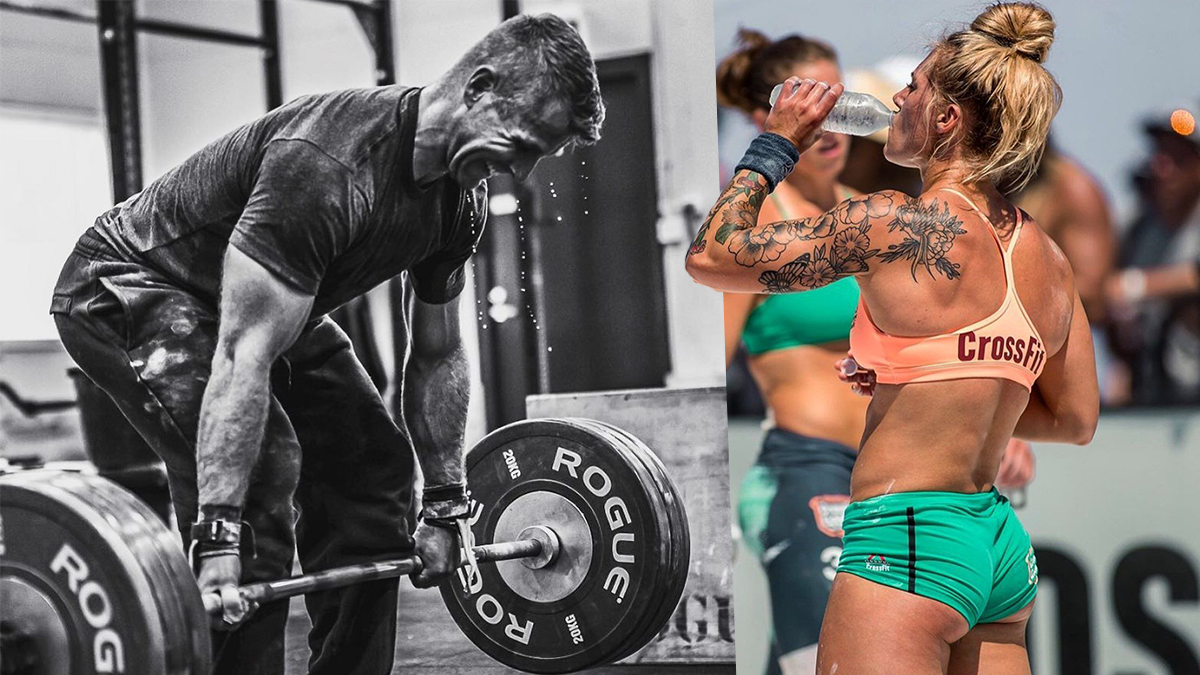
With each lift, your body adapts, growing stronger and more resilient. This leads to impressive strength gains throughout your training.
Credit: www.boxrox.com
Equipment Setup For Deficit Deadlift
Getting your equipment setup right for a Deficit Deadlift is key to maximising the exercise’s benefits while minimizing the risk of injury. This lesser-known variation of the traditional deadlift focuses on increasing range of motion. It strengthens the bottom portion of your lift. Proper setup is crucial here. Let’s delve into how you can choose the right platform and ensure safety during your lifts.
Choosing The Right Platform
The platform you stand on determines the deficit level of your deadlift. Ideally, the height should be one to four inches. This will depend on your experience and flexibility. Use a sturdy, flat surface that won’t shift or wobble as you lift. Platforms can range from weight plates to purpose-built platforms. Here’s what to look for:
- Stability: Choose a platform that won’t move.
- Uniformity: Ensure it’s even to maintain balance.
- Material: Metal or wood platforms are durable options.
Safety Considerations
When performing any weightlifting exercise, safety must come first. The Deficit Deadlift is no exception. Proper form is more critical here due to the increased range of motion. Keep these safety tips in mind:
- Footwear: Wear flat, sturdy shoes to maintain a solid base.
- Posture: Keep your back straight and core tight throughout the lift.
- Weight Selection: Start with a lighter weight to ensure you can handle the greater range of motion safely.
Remember, the goal is to challenge yourself while maintaining proper form and ensuring your safety. Listen to your body and adjust as needed for a successful Deficit Deadlift experience.
Mastering The Technique
Deficit deadlifts are an excellent variation to improve strength and power. To reap maximum benefits, perfecting the technique is crucial. This section will guide you through each phase of the movement.
Starting Position And Grip
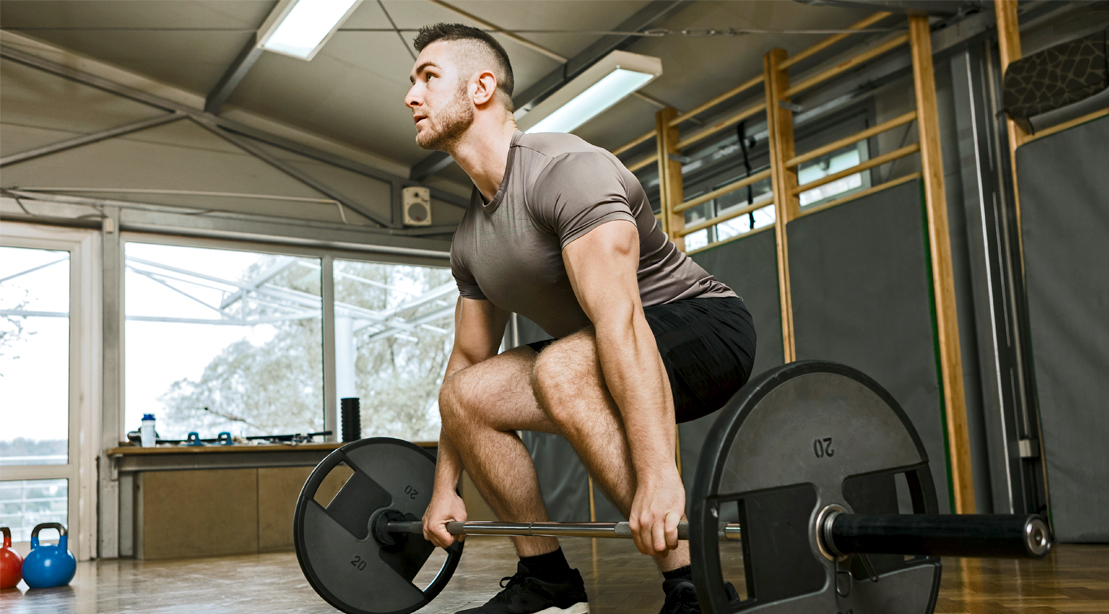
Setting up correctly is the foundation for a successful lift. Begin by selecting an elevated platform, such as a small plate or step, to stand on. This platform will increase your range of motion. Stand with your feet hip-width apart, toes pointing forward or slightly outward.
- Centre the bar over your feet, close to your shins.
- Bend at the hips and knees, keeping your back straight.
- Grasp the barbell with an overhand grip or a mixed grip for better stability.
- Ensure your grip is slightly wider than shoulder-width.
- Engage your core and take a deep breath in, ready to lift.
The Pull Phase
As you commence the lift, focus on driving through your heels. Visualize pushing the floor away rather than pulling the weight up. Keeping the bar close to your body will maintain leverage and reduce strain on your lower back.
- Begin the pull by straightening your knees and hips simultaneously.
- Keep the barbell close, brushing your shins and thighs as you ascend.
- Maintain a neutral spine, avoiding any rounding or arching.
- Continue to pull until you pass your knees.
Lockout And Return
Completing the lift requires a strong lockout at the top. Your focus should be on squeezing your glutes tightly and thrusting your hips forward into alignment with your body.
- Once the bar passes your knees, drive your hips towards the bar.
- Stand tall with shoulders back, chest up, and core tight.
- Pause briefly at the full extension to ensure a controlled lockout.
- To return the weight, hinge at the hips and bend your knees.
- Lower the bar by reversing the path it took to rise.
- The bar should land softly on the platform, ready for the next rep.
Practicing these steps will lead to a stronger, safer deficit deadlift. Always start with a lighter weight to master the form. Progress gradually as strength and confidence grow.
Common Mistakes And How To Avoid Them
Mastering the deficit deadlift can greatly enhance your pulling strength. Spotting common mistakes and correcting them leads to powerful gains. Let’s tackle a few typical missteps and learn to lift with confidence.
Improper Foot Placement
Foot placement sets the foundation for a good deficit deadlift. Stance too wide or too narrow wreaks havoc on form. Aim for a stance hip-width apart. This offers balance and power.
- Feet flat on the ground.
- Balance across mid-foot.
Incorrect Back Alignment
Back positioning is crucial to prevent injury. A rounded spine spells trouble. Instead, maintain a neutral spine throughout the lift. Engage those lats, and keep your chest up.
| Do | Don’t |
|---|---|
| Neutral spine | Rounded back |
| Shoulders over the bar | Shoulders behind the bar |
Rushing The Lift
Speed is not your friend during deficits. Let patience be the key. Each phase of the lift demands attention. Execute with control from the setup to the lockout.
- Smooth controlled pull.
- Pause at the start.
- Steady drive through the heels.
Focus on form, perfect your practice, and watch your deficit deadlift soar.
Programming Deficit Deadlift Into Your Routine
Spicing up your workout routine with Deficit Deadlifts can unlock new strength gains. This exercise drops you lower than a standard deadlift, challenging your muscles in new ways. So let’s integrate Deficit Deadlifts seamlessly into your weekly training schedule.
Frequency And Volume
Begin by adding Deficit Deadlifts to your routine once a week. Monitor your body’s response. As your muscles adapt, consider increasing to twice weekly.
Start with low volume. Try 3 sets of 5 reps. Your focus should be on perfect form, not lifting heavy. Gradually increase reps or sets, but never both at once. Here’s a suggested progression:
- Weeks 1-2: 3 sets x 5 reps
- Weeks 3-4: 4 sets x 5 reps
- Weeks 5-6: 5 sets x 5 reps
Incorporating Assistance Exercises
Assistance exercises can boost your Deficit Deadlift performance. Squats and leg presses strengthen your quads. Good mornings and back extensions target the lower back. Rotate these into your routine to build supporting muscles.
| Exercise | Sets | Reps |
|---|---|---|
| Squats | 4 | 6-8 |
| Leg Presses | 3 | 10 |
| Good Mornings | 3 | 8-10 |
| Back Extensions | 3 | 12 |
Progress Tracking And Adjustments
Keep a training log. Record every Deficit Deadlift session in detail. Note the weight, sets, reps, and how you felt after. This log helps identify when to increase the challenge or when to pull back.
If progress stalls, shake up your routine. Adjust your weights, reps, or sets. Listen to your body. Soreness is normal, but pain is a red flag. Rest and recovery are just as important for growth.
Every 4-6 weeks, reevaluate your performance. Ensure consistent progress without overloading your body. Make smart adjustments based on your log. This personalized approach keeps your gains on track and your motivation high.
Credit: www.muscleandfitness.com
Advanced Tips For Experienced Lifters
When you’ve surpassed beginner techniques, the deficit deadlift can transform your strength routine. It’s vital to focus on advanced methods to continue progress. Here are expert tips for those who’ve mastered the basics and are hungry for more.
Utilizing Variable Resistance
Breathe new life into your deadlifts. Experienced lifters should consider variable resistance. This includes using band or chain attachments that alter the resistance curve.
- Attach resistance bands to the bar and anchor points on the ground.
- Use chains that increase the load as more links lift off the floor.
- Focus on explosive power as resistance peaks at the top of the lift.
By altering load throughout the lift, you challenge your muscles in new ways. This promotes strength gains and power development.
Combining With Other Deadlift Variations
Deficit deadlifts don’t have to stand alone. Combine them with other variations for compounded results.
- Pair with sumo deadlifts to work additional muscle groups.
- Alternate with Romanian deadlifts for enhanced hamstring engagement.
- Routinely switch your stance and grip for balanced development.
This diversity not only prevents plateau but also keeps your workouts stimulating and challenging.
Prehab And Rehab: Ensuring Longevity
Long-term lifting depends on proactive injury prevention. Incorporate prehab and rehab exercises into your routine.
| Prehab Exercise | Benefit | Rehab Focus |
|---|---|---|
| Glute Bridges | Activate glutes | Lower back care |
| Planks | Strengthen core | Core stabilization |
| Hip Flexor Stretches | Improve flexibility | Hip recovery |
Add targeted stretches and mobility work to nurture the muscles and joints most stressed by deadlifting. Ensuring longevity in lifting is key, and protecting against injury allows for consistent progress.
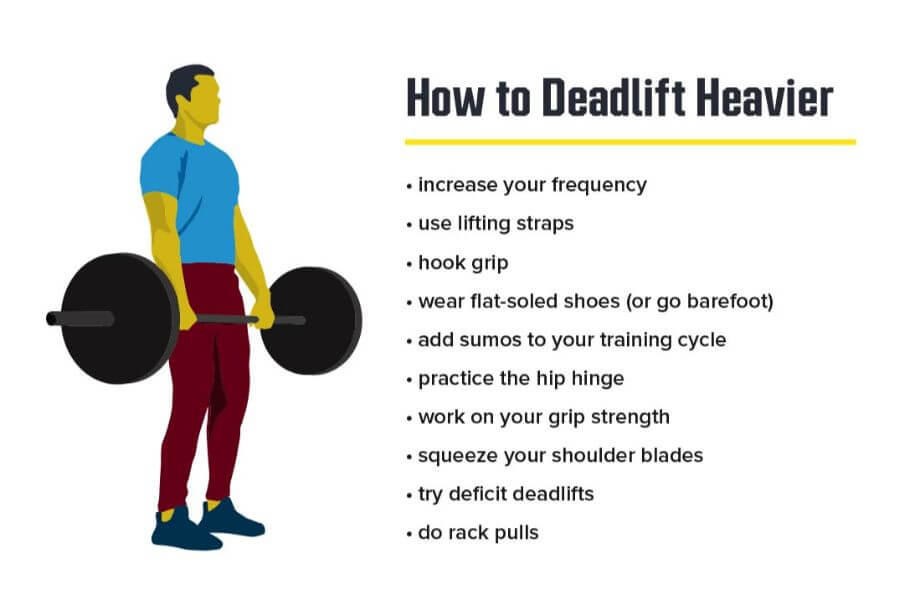
Credit: www.garagegymreviews.com
Frequently Asked Questions On How To Deficit Deadlift
What Is A Deficit Deadlift?
A deficit deadlift is a variation of the conventional deadlift. It involves standing on a raised platform. This increases the range of motion. It targets the posterior chain muscles more intensely. It can improve deadlift strength and performance.
How Do You Perform A Deficit Deadlift Safely?
To perform a safe deficit deadlift, start by standing on a stable platform about 1-3 inches high. Keep your feet hip-width apart. Bend at the hips and knees. Grip the barbell firmly. Maintain a flat back. Then lift with your legs and hips, not your back.
What Equipment Do You Need For Deficit Deadlifts?
For deficit deadlifts, you need a barbell and weight plates. You also need a stable platform. This could be weight plates or a wooden block. These raise you above the usual starting height of the lift.
Can Beginners Do Deficit Deadlifts?
Deficit deadlifts are advanced exercises. Beginners should master the standard deadlift form first. Once proficient, they can gradually introduce deficit deadlifts. They should start with a small height to avoid injury.
Conclusion
Mastering the deficit deadlift can significantly enhance your strength training regimen. By incorporating this variation, you’ll target different muscles and overcome plateaus. Always prioritize proper form to maximize benefits and reduce injury risk. Ready to elevate your workouts? Give deficit deadlifts a try and feel the difference.