
Ever wondered about that, especially after a fantastic dive? It's a question we get a lot, and honestly, there's no single magic number that fits everyone, every time. It’s a bit like asking how many miles you can drive in a day, it depends on a whole bunch of things!
But here’s the deal: when it comes to diving, safety is always, always the top priority. We’re not just talking about a minor inconvenience; pushing the limits too far can lead to some serious issues, most notably decompression sickness (the bends). Per official standards, understanding nitrogen off-gassing is key.

Today's Exclusive Deals
Limited-time Exclusive Deals. Check current discount on Amazon.
Check Price on Amazon As an Amazon Associate I earn from qualifying purchases.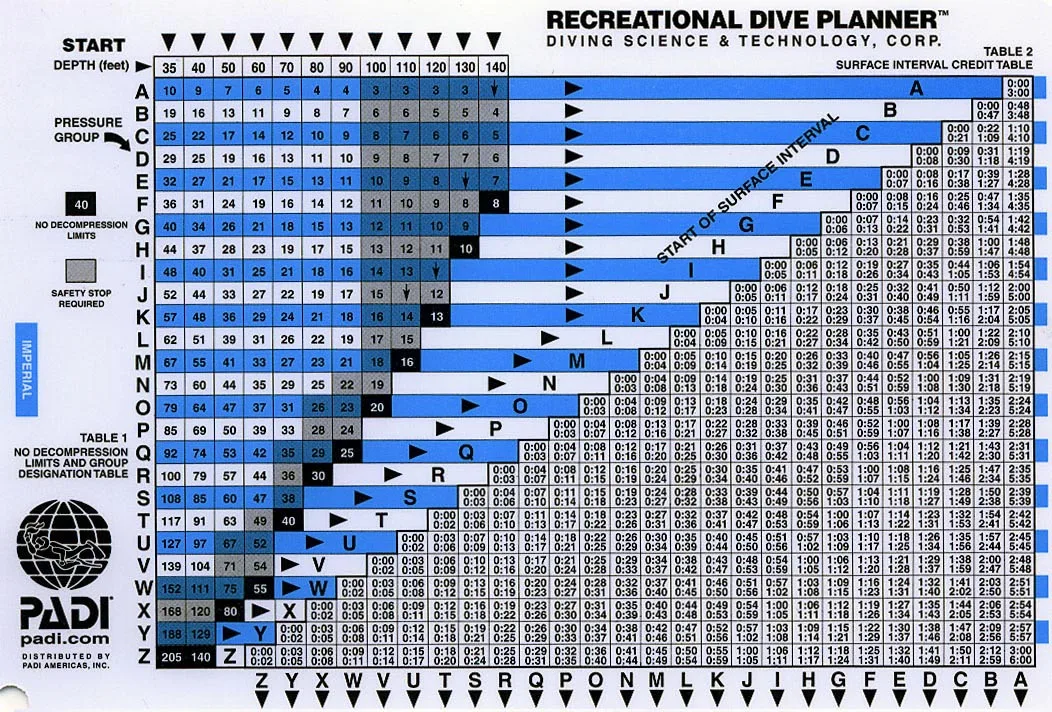
Image source: Bing (Web (fair-use with source credit))
Quick Answer
Most recreational divers can safely complete two to three dives in a single day. This depends heavily on dive depth, bottom time, and adequate surface intervals. Always follow your dive computer's guidance for accurate planning.
Pushing beyond this without careful calculation risks decompression sickness.
Understanding the Factors That Limit Your Dives
The number of dives you can safely enjoy in a day isn't a fixed number; it’s dynamic. It hinges on a few core elements that dictate how much nitrogen your body absorbs and how well it can off-gas. Think of it as a balancing act where you manage your nitrogen load throughout the day.
Dive Depth: The Biggest Player
Depth is arguably the most significant factor influencing how many dives you can do. The deeper you go, the more pressure your body experiences, which directly affects how much nitrogen dissolves into your tissues. Deeper dives mean faster nitrogen absorption and shorter no-decompression limits (NDLs).
For instance, a dive to 60 feet has a much longer NDL than a dive to 100 feet, even if the bottom time is the same.

Image source: Web (Bing) / idcphuket.com (Web image (fair-use with source credit))
Bottom Time: How Long You Stay Down
Closely linked to depth, your bottom time is simply the duration you spend at your target depth during a dive. The longer you stay down, the more nitrogen your body accumulates. Even at shallower depths, extending your bottom time can significantly reduce your available NDL for subsequent dives.
Planning for shorter bottom times on each dive allows for more dives in a day.
Surface Interval: Your Body's Recovery Time
The surface interval (SI) is the crucial time you spend on the surface between dives. This is when your body begins the process of expelling absorbed nitrogen. The longer and more frequent your dives, the longer your surface interval needs to be.
Your dive computer will calculate a minimum SI required, but often, extending this time beyond the minimum is a wise choice for greater safety margins.
Nitrogen Absorption: What Your Computer Tracks
Nitrogen absorption is the central concept here. Your body takes on nitrogen from the compressed air you breathe under pressure. This absorbed nitrogen is what limits how long you can stay at depth without needing mandatory decompression stops.
As of 2026, dive computers continuously monitor this absorption and display your remaining NDL.
Your Dive Computer: Your Dive Planning Co-Pilot
For any diver planning multiple dives, a dive computer is not just recommended; it's essential. These sophisticated devices take the guesswork out of dive planning by constantly monitoring your depth, time, and nitrogen levels. They provide real-time information that is critical for making safe decisions throughout your day of diving.

Image source: Web (Bing) / gosupps.com (Web image (fair-use with source credit))
How NDLs and Surface Intervals Work
Your dive computer displays your No-Decompression Limit (NDL), which is the maximum time you can stay at your current depth without needing to perform mandatory decompression stops on ascent. After a dive, it calculates a required Surface Interval (SI) based on the nitrogen still in your system. This SI is the minimum time you must spend on the surface before your next dive.
Reading Your Computer for Multiple Dives
When planning a second dive, your computer doesn't start from zero. It accounts for the residual nitrogen from your first dive and calculates a new, typically shorter, NDL for that subsequent dive. This iterative process continues for each dive.
Understanding how to read and interpret these changing NDLs and SI recommendations is paramount for safe, multi-dive days. For comprehensive guidance, consulting resources from organizations like Divers Alert Network (DAN) is always a good practice.
Personal Factors That Influence Dive Limits
While dive profiles and dive computers are critical, your personal physiology and condition play a significant role in how your body handles multiple dives. What might be a comfortable three-dive day for one diver could be pushing it for another. Paying attention to these personal elements ensures your dive planning is tailored to you.
Your Experience and Fitness Level
As you gain diving experience, you often become more in tune with your body's responses. Experienced divers may have a better understanding of their air consumption and nitrogen tolerance. Furthermore, general physical fitness can contribute to better circulation and more efficient nitrogen off-gassing.
Divers who engage in regular exercise and maintain good cardiovascular health may find their bodies handle repetitive diving slightly better.
Hydration and Rest
Being well-hydrated and well-rested are surprisingly important for safe diving. Dehydration can affect blood circulation and the body’s ability to off-gas nitrogen effectively. Similarly, diving when fatigued can impair your judgment and reaction times, and potentially influence how your body processes nitrogen.
Prioritizing good sleep and ample fluid intake, especially water, before and between dives is a simple yet crucial step.
Travel to Altitude After Diving
This is a major safety consideration that can dramatically impact your diving on a given day. Flying in an airplane or even driving to a significantly higher altitude shortly after diving can increase the risk of decompression sickness. Various diving organizations provide guidelines for surface intervals before flying, often recommending 12-18 hours for single dives and longer for multiple dives.
If you have a flight planned, you must plan your last dive accordingly, often meaning only one or two dives on your final day, or none at all.
Planning Your Day: A Step-by-Step Workflow
Putting it all together means creating a plan for your diving day. This isn't about rigid schedules but about understanding your limits and making informed choices. Your dive computer is the key tool here, but knowing the principles behind its calculations helps you interpret its advice.
Planning Dive #1
Start by deciding your target depth and desired bottom time for your first dive. Your dive computer will immediately tell you your No-Decompression Limit (NDL) for that profile. This is your safety margin; always aim to come up with some reserve.
For instance, if your computer shows an NDL of 40 minutes at your target depth, planning for 30 minutes is a conservative approach.
Calculating Surface Interval #1
After your first dive, your computer will display a required minimum surface interval (SI). It might say you need 60 minutes before your next dive. It's often wise to extend this SI, especially if your first dive was deeper or longer than planned, or if you feel any fatigue.
This extended rest allows your body more time to off-gas accumulated nitrogen. For example, extending a 60-minute SI to 90 minutes can provide a greater safety buffer.
Planning Dive #2 (and subsequent dives)
When you plan your second dive, your computer will show a reduced NDL based on the residual nitrogen from Dive #1 and the SI you took. You might find your NDL is now only 25 minutes at the same depth. You repeat this process for any further dives, always checking your computer’s updated NDL and SI requirements.
If at any point your NDLs become very short (e.g., under 10 minutes), it's a strong signal to consider ending your diving for the day.
When to Call It a Day: Safety First
Knowing when to stop diving is just as important as knowing how to plan your dives. It's about listening to your body and respecting the limits your dive computer is telling you. Overlooking these signals can lead to serious consequences.
Recognizing When to Stop
If your dive computer is consistently showing very short NDLs for subsequent dives, even at moderate depths, it’s a clear indication that your nitrogen load is high. This often means you've reached your safe limit for the day. Additionally, if you experience any symptoms like joint pain, unusual fatigue, or headaches, abort any further dives and seek advice.
Even feeling mentally drained can be a sign your body is working hard to off-gas.
The Risk of Pushing Your Limits
Pushing beyond your safe limits, especially concerning nitrogen absorption, significantly increases your risk of decompression sickness (DCS). DCS can range in severity from mild discomfort to debilitating neurological issues or even death. It happens when nitrogen bubbles form in your tissues or bloodstream during ascent if nitrogen is not expelled slowly enough.
Always err on the side of caution; a day with fewer dives but complete safety is always better than one that leads to a dive accident.
Common Mistakes Divers Make with Multiple Dives
Even with advanced dive computers, divers can slip into habits that increase their risk on multi-dive days. A frequent error is cutting surface intervals too short, especially if the dives were deep or consecutive. Divers might also forget to account for the cumulative nitrogen loading from previous days.
This is crucial if you're on a multi-day dive trip.
Another common oversight is not factoring in personal factors like fatigue or dehydration. These conditions can affect your body's ability to off-gas nitrogen efficiently, even if your dive profile seems safe. Some divers also make the mistake of treating all dives equally, failing to recognize that a deep, long first dive significantly impacts subsequent dive possibilities more than a shallow, short one.
Lastly, ignoring or misunderstanding dive computer warnings is a recipe for disaster.
Frequently Asked Questions About Daily Diving
How many dives can you do in one day safely?
Most recreational divers can safely do two to three dives in a day by carefully managing depth, bottom time, and surface intervals, and by following their dive computer’s guidance.
What is the minimum surface interval between dives?
The minimum surface interval is calculated by your dive computer based on your dive profile and the nitrogen you've absorbed, but it's often at least one hour. Longer intervals are generally safer for multiple dives.
Does depth affect how many dives I can do?
Yes, deeper dives absorb more nitrogen and significantly reduce your no-decompression limits for subsequent dives, meaning you can do fewer deeper dives in a day compared to shallower ones.
Should I dive if I feel tired or dehydrated?
No, you should avoid diving if you feel tired or dehydrated. These conditions can impair your body's ability to off-gas nitrogen safely and affect your judgment.
How long should I wait to fly after diving?
A general guideline is to wait 12-18 hours after a single dive and 18-24 hours (or more) after multiple dives or decompression dives before flying. Always consult your dive computer or relevant guidelines.

