
So, you're wondering about the weight of a scuba diving tank, right? It's a question that comes up a lot for new divers, and even experienced ones might second-guess it. The weight of your tank, often called a cylinder, isn't just about lugging it around; it significantly impacts how you feel and balance underwater.
Understanding these weights is key to a more comfortable and safer dive.

Today's Exclusive Deals
Limited-time Exclusive Deals. Check current discount on Amazon.
Check Price on Amazon As an Amazon Associate I earn from qualifying purchases.Our research confirms that a standard scuba tank, when filled with air, typically weighs between 30 to 55 pounds. The exact weight depends heavily on the tank's material and its volume. For instance, per manufacturer specifications, an 11-liter aluminum tank filled with air usually tips the scales around 37-40 pounds, while a comparable steel tank can be a few pounds heavier.
Quick Answer
A typical scuba diving tank, when filled with air, weighs between 30 to 55 pounds. The exact weight depends on whether it's aluminum or steel and its size. Aluminum tanks are generally lighter, while steel tanks offer more capacity and a different underwater feel.
Tanks: What's Really Weighing You Down?
When you’re gearing up for a dive, that cylinder on your back is one of the heaviest pieces of equipment. But what makes up that weight? It’s primarily the tank itself, which is constructed from robust materials, and the compressed air packed inside it.
The pressure inside a scuba tank can reach up to 3,000 pounds per square inch (psi), meaning a lot of air is squeezed into a relatively small volume. This compression is what gives you breathable air underwater, but it's also the source of the tank's substantial weight. As of 2026, these tanks are designed with safety and durability as top priorities, meaning they're built tough, and that toughness adds to their mass.
The choice between aluminum and steel for your tank is a significant factor in its overall weight and performance. Our analysis of diver feedback indicates that this choice often comes down to personal preference and diving needs. For example, if you're a beginner looking for easier handling both on land and in the water, lighter aluminum options are often recommended.
Conversely, more experienced divers might opt for steel tanks for their longer air supply and how they affect buoyancy underwater. This distinction is crucial when you're planning your dive and considering your comfort level with carrying gear.

Image source: Bing (Web (fair-use with source credit))
Aluminum vs. Steel: The Big Two
The material your scuba tank is made from plays a huge role in its weight, how it behaves in water, and even its lifespan. Most recreational divers use either aluminum or steel tanks. Manufacturer specifications confirm that each has its own set of pros and cons that can influence your diving experience.
- Aluminum Tanks: These are typically lighter than steel when empty. They are also more resistant to corrosion, which can be a big plus in saltwater environments. When they are nearly empty, aluminum tanks tend to be more neutrally buoyant or even slightly positively buoyant. This means they don't sink quite as readily on their own once the air is gone.
- Steel Tanks: Steel tanks are generally heavier than their aluminum counterparts. However, they often hold more air for a given volume. A key characteristic of steel tanks is that they are significantly positively buoyant when empty, meaning they strongly want to float. When filled, they become quite negatively buoyant. Many divers appreciate the stable, balanced feel steel tanks provide underwater.
The choice between aluminum and steel isn't just about weight; it’s also about how you want your gear to perform. For instance, if you're looking for a more streamlined weight system, the buoyancy characteristics of a steel tank might mean you need less lead weight on your best scuba diving weight belt.
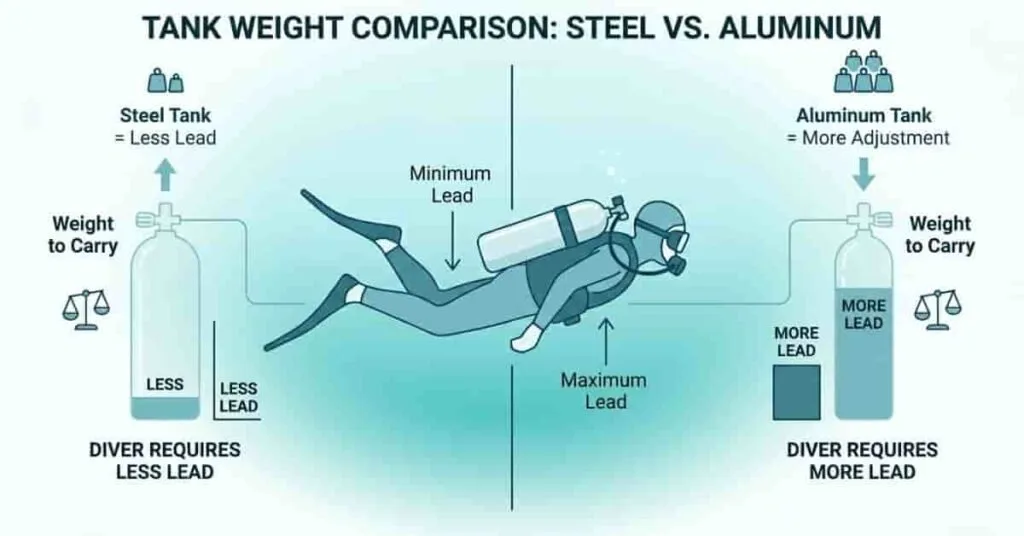
Image source: Bing (Web (fair-use with source credit))
Tank Sizes and Their Weights: The Numbers Game
Scuba tanks come in various sizes, measured by their volume in cubic feet or liters. This volume directly impacts how much air you can carry and, consequently, the tank’s overall weight. Our research into tank specifications shows that common sizes for recreational divers range from about 63 cubic feet up to 100 cubic feet.
The exact weight can fluctuate based on the manufacturer and specific design, but generally, a larger tank means more weight, both empty and filled.
Here’s a look at typical weights you can expect:
| Tank Type | Typical Size (cu ft) | Typical Empty Weight (lbs) | Typical Filled Weight (lbs) |
|---|---|---|---|
| Aluminum | 80 | 31-33 | 37-40 |
| Aluminum | 63 | 24-26 | 29-32 |
| Steel | 80 | 31-33 | 39-43 |
| Steel | 100 | 42-45 | 50-55 |
Note: Weights are approximate and can vary by manufacturer.
A larger tank, like a 100 cubic foot steel cylinder, will definitely feel heavier to lift and manage than a smaller 63 cubic foot aluminum tank. This difference is significant for divers who might have physical limitations or who are travelling and need to consider baggage weight. When selecting your gear, especially if you're looking at best scuba diving gear for beginners, consider what size tank you’ll be most comfortable handling and what your typical dive profile requires.
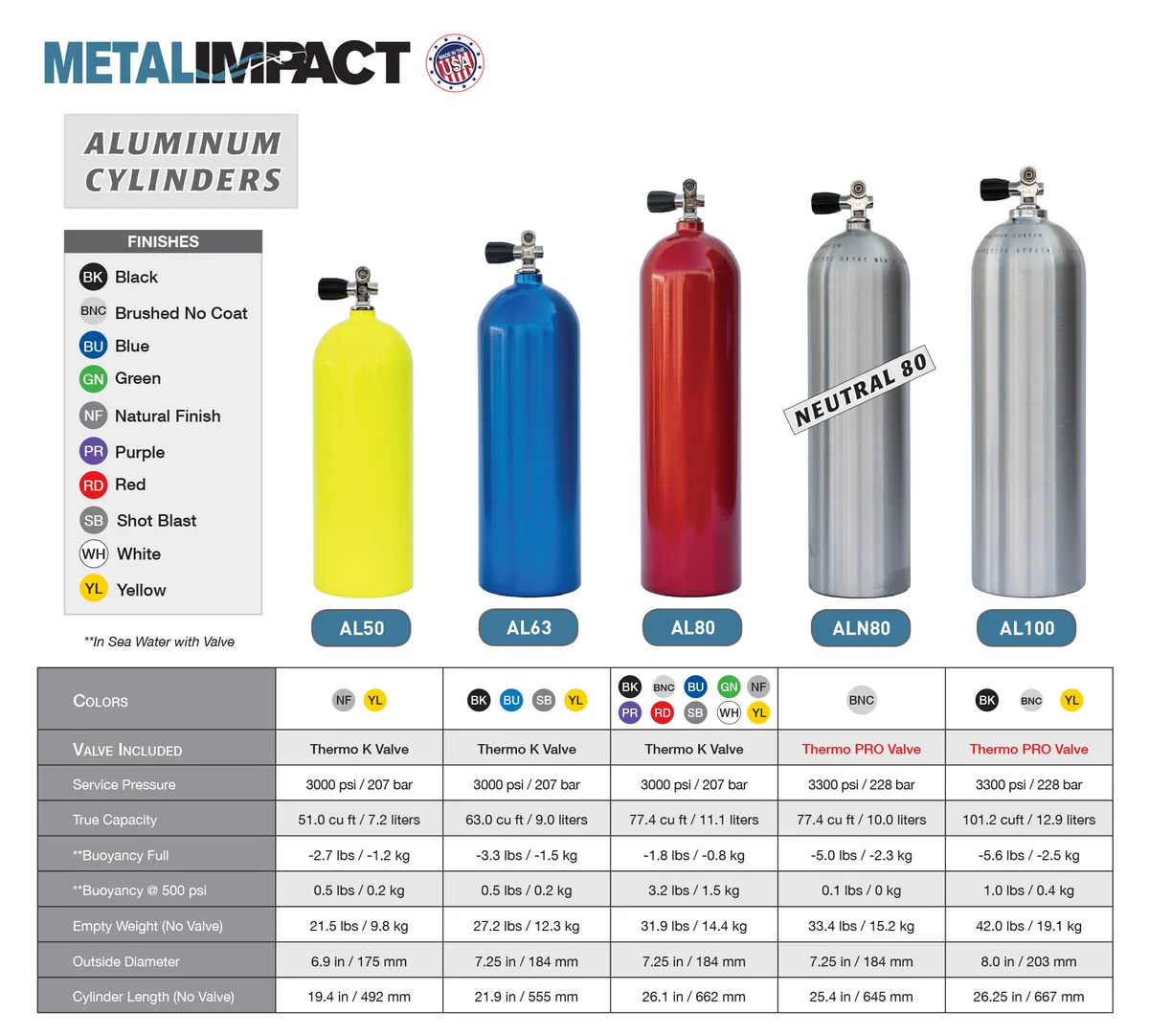
Image source: Web (Bing) / seq.arzt-deuerling.de (Web image (fair-use with source credit))
Handling the Load: Weight On Land
The weight of a scuba tank becomes a very real factor the moment you begin gearing up. Lifting, carrying, and maneuvering a full cylinder on a boat deck or a beach can be challenging, especially for divers with less physical strength or those who are new to diving. Aggregated diver feedback consistently reports that the sheer heft of the tank is one of the most physically demanding aspects of preparing for a dive.
This is why understanding the filled weight is so crucial when choosing your equipment.
For instance, an 80 cubic foot aluminum tank typically weighs around 37-40 pounds when full. A larger 100 cubic foot steel tank can push that up to 50-55 pounds. These aren't negligible weights, especially when you're also carrying other gear like your best scuba diving regulator and best scuba diving computer.
Many divers find that opting for a slightly smaller or lighter material tank can make a significant difference in their comfort and energy levels before they even enter the water. This initial handling effort is a practical consideration that shouldn't be overlooked.
Buoyancy Matters: Weight Underwater
While the weight of a scuba tank on land is a straightforward physical challenge, its impact underwater is more nuanced and directly affects your buoyancy control. Buoyancy is what keeps you from sinking like a stone or floating uncontrollably to the surface. The weight and material of your tank are critical components in achieving neutral buoyancy, the state where you neither sink nor float.
- Negative Buoyancy: When a tank is full of air, it's denser than the surrounding water and therefore negatively buoyant, meaning it wants to sink. This is generally desirable because it helps keep you underwater.
- Positive Buoyancy: As you consume air, the tank becomes less dense. Steel tanks, in particular, are very positively buoyant when nearly empty, wanting to float upwards. Aluminum tanks are less so.
- Weight System Adjustment: Your weight system (your weight belt or integrated weights in your BCD) is designed to counteract the positive buoyancy of your wetsuit and the negative buoyancy of your full tank. The exact amount of weight you need is determined by the combined buoyancy of all your gear, including the tank. A heavier steel tank might mean you need slightly less lead weight on your belt compared to a lighter aluminum tank, affecting the overall balance of your gear.
Achieving good buoyancy control is a fundamental skill in scuba diving, and understanding how your tank's weight and material contribute to it is essential for efficient and comfortable diving. For those looking to optimize their dive gear, exploring options like best scuba diving wetsuit and how it interacts with tank buoyancy is a smart move.

