
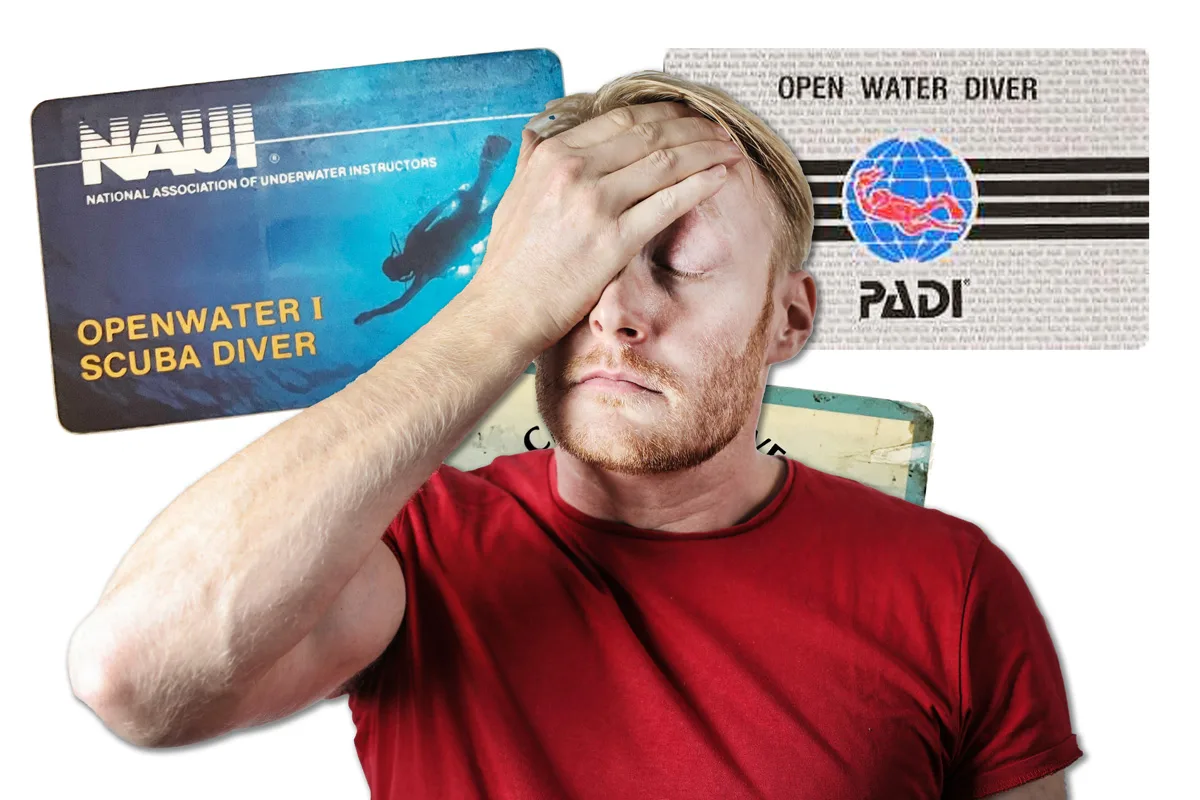
Image source: Web (Bing) / californiadiver.com (Web image (fair-use with source credit))

Today's Exclusive Deals
Limited-time Exclusive Deals. Check current discount on Amazon.
Check Price on Amazon As an Amazon Associate I earn from qualifying purchases.Getting Your Scuba Certification: The Essential Steps
So, how do you become a certified scuba diver? It’s a question many aspiring adventurers ask, and the answer involves a structured training program designed to teach you everything you need to know for safe and enjoyable underwater exploration. This journey unlocks a whole new world beneath the waves.
The process is designed to be accessible, with training typically broken down into knowledge development, confined water practice, and open water dives. As of 2026, most entry-level certifications require completing a minimum of four open water dives to demonstrate proficiency.
Quick Answer
To become a certified scuba diver, you need to complete an Open Water Diver course. This involves studying dive theory, practicing skills in a pool, and performing four open water dives under instructor supervision. Certification agencies like PADI, NAUI, and SSI oversee these programs.
What It Takes to Become a Certified Diver
Becoming a certified scuba diver isn't just about buying gear; it's about acquiring knowledge and skills. The primary goal of certification is to ensure you can safely and confidently explore the underwater world. This means understanding dive theory, mastering essential skills, and knowing how to handle common situations that might arise when diving.
The process is standardized by major certification agencies, ensuring a consistent level of training worldwide. While the specifics might vary slightly between organizations, the core components remain the same. This consistency is crucial for ensuring divers are prepared no matter where they choose to explore.
Your First Dive Certification Explained
Your first scuba certification, typically the "Open Water Diver" certification, is your entry ticket into recreational diving. It's an internationally recognized qualification that allows you to dive with a buddy to a certain depth, usually around 60 feet (18 meters). Think of it as getting your driver's license for the underwater realm.
This certification isn't just a piece of plastic; it represents a solid understanding of diving principles and the ability to perform critical skills. It's a prerequisite for renting dive gear, joining dive tours, and continuing your diving education. Without it, you won't be able to participate in most organized diving activities.
Understanding the Certification Journey
The journey to becoming a certified scuba diver is thoughtfully structured. It’s designed to gradually introduce you to the underwater environment and build your confidence and competence step by step. This phased approach ensures you're not overwhelmed and have ample opportunity to practice and master each aspect of diving.
The training typically involves three main phases: learning the theory, practicing skills in a controlled environment, and then applying those skills in actual open water. Each phase builds upon the last, creating a well-rounded and safe diver.
Knowledge Development: The Classroom & Online Work
This is where you build the theoretical foundation for everything you'll do underwater. Knowledge development covers essential topics like dive physics, physiology, equipment, dive planning, and emergency procedures. You can often complete this part online at your own pace, which is super convenient.
You’ll learn about how pressure affects your body, the importance of breathing correctly, how to assemble and use your scuba gear, and how to plan a safe dive. This phase is critical because understanding the "why" behind diving rules helps you make smart decisions when you're actually underwater. It’s about more than just memorizing facts; it's about understanding the principles that keep you safe.
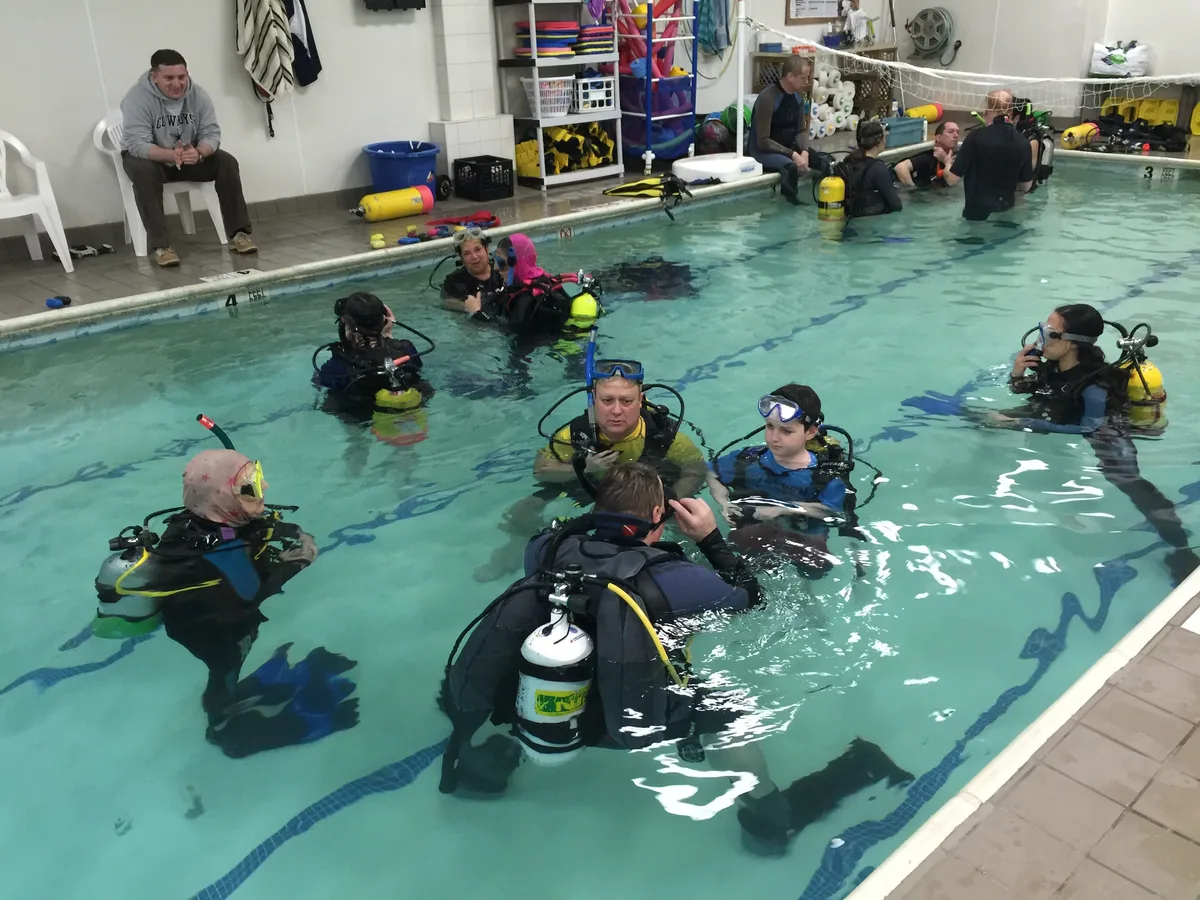
Image source: Web (Bing) / swimandscuba.com (Web image (fair-use with source credit))
Our research indicates that divers who thoroughly complete the knowledge development portion tend to be more confident and safer divers. According to standards set by major agencies, this phase typically includes reading assignments, watching instructional videos, and passing quizzes to ensure comprehension before you hit the water.
Confined Water Dives: Pool Skills & Comfort Building
Once you’ve got the theory down, it's time to get wet. Confined water dives are essentially your scuba swimming lessons. You’ll do these in a swimming pool or a similarly calm, shallow body of water.
This is where you’ll learn how to use your gear in a controlled setting.
Under the close supervision of your instructor, you'll practice essential skills like assembling your scuba unit, breathing from your regulator, clearing a flooded mask, recovering a lost regulator, and mastering buoyancy control. The goal here is to become comfortable breathing underwater and performing basic tasks without stress.
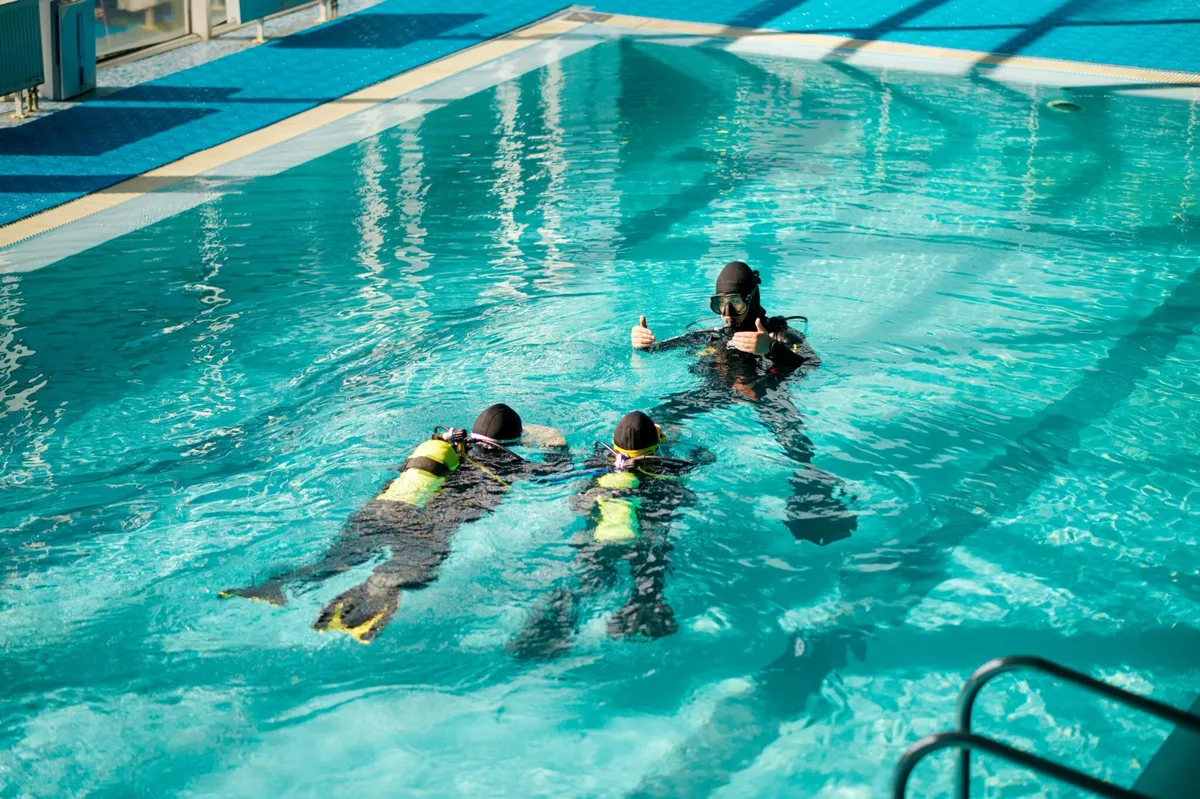
Image source: Bing (Web (fair-use with source credit))
These sessions are vital for building muscle memory and confidence. For instance, learning to clear your mask without panic is a skill that feels awkward at first but becomes second nature with practice. Aggregated user reviews often highlight how these pool sessions are where the real "aha!" moments happen, transforming the abstract theory into tangible skills.
Open Water Dives: Demonstrating Skills in the Real World
After you’ve mastered the fundamentals in confined water, you’ll progress to open water dives. These are typically four dives conducted in a natural body of water like the ocean, a lake, or a quarry. This is where you apply all the knowledge and skills you've learned in a real diving environment.
During these dives, your instructor will observe you performing various skills, such as buoyancy control, navigation, and emergency ascents. You’ll also get to experience the thrill of exploring a natural underwater ecosystem. It’s the culmination of your training, proving you're ready for independent, buddy-based diving.
Many divers find these open water dives to be the most rewarding part of the certification process. It's your first true taste of what scuba diving is all about, exploring a world few get to see. A typical dive site for certification might be a shallow reef or a calm bay, ensuring conditions are suitable for learning.
Choosing Your Certification Path and Dive Shop
Selecting the right certification agency and dive shop is an important first step. While most major agencies offer similar entry-level certifications, their teaching philosophies and instructor networks can differ. Some popular agencies include PADI, NAUI, and SSI.
Your choice of dive shop, however, will significantly impact your learning experience. Look for a shop with experienced, friendly instructors, well-maintained equipment, and a good reputation in the local diving community. Visiting the shop, asking questions, and getting a feel for their atmosphere can help you make the best choice for your training.
When you're comparing options, consider what feels right for you. Some dive shops offer more flexible schedules or have particularly good reputations for specific types of diving. Our research indicates that the quality of instruction and the rapport you build with your instructor are often more critical than the specific agency logo on your certification card.
It’s about finding a learning environment where you feel supported and motivated to succeed.
Key Skills You'll Master
Throughout your certification course, you'll develop a core set of skills essential for safe diving. These aren't just random exercises; each one serves a purpose for your safety and enjoyment underwater. You'll become proficient in tasks that ensure you can manage your equipment, breathe effectively, and navigate your surroundings.
- Equipment Familiarization: Learning how to assemble, disassemble, and check your scuba gear before each dive. This includes your BCD, regulator, tank, and mask.
- Breathing Underwater: Getting comfortable breathing from your regulator and understanding how your lungs and air supply work together.
- Mask Clearing: A fundamental skill to remove water from your mask while underwater without surfacing.
- Buoyancy Control: Mastering the ability to hover effortlessly at a specific depth, preventing you from sinking or floating uncontrollably. This is crucial for both safety and for protecting the marine environment.
- Regulator Recovery: Learning how to retrieve your regulator if it becomes dislodged.
- Buddy Procedures: Understanding how to check your buddy's gear and signals, and how to stay together during a dive.
- Basic Navigation: Familiarizing yourself with compass use and natural navigation techniques.
Developing these skills ensures you're not just a tourist underwater, but a competent diver. For example, proper buoyancy control is key; a study on marine conservation efforts highlights how skilled divers minimize their impact on delicate reef ecosystems. As of 2026, proficiency in these core skills remains the benchmark for Open Water Diver certification.
What Happens After You're Certified?
Congratulations, you've completed your course and earned your certification! This often comes in the form of a diver identification card, commonly known as a C-card. This card is your proof of qualification and your passport to the underwater world.
With your C-card in hand, you can now rent scuba gear from dive shops, book dive trips, and join guided dives at various locations worldwide. It signifies that you've met the required standards for safe recreational diving. This is the point where your personal diving adventures truly begin.
Your C-Card and Next Steps
That small card in your wallet is more than just a piece of plastic; it's your credential. Dive operators will ask to see it before they let you join their boat dives or rent equipment. It confirms you've undergone proper training and possess the necessary skills.
Beyond simply being able to dive, this certification opens doors to further training. If you find you love exploring beneath the surface, you can pursue advanced certifications. These courses can teach you specialized skills like deep diving, night diving, or even wreck exploration.
For many, the immediate next step is simply to dive more. Planning trips to new dive destinations or exploring local dive sites becomes the exciting focus. To help you enjoy these dives, you might eventually need to consider your own dive gear.
For example, a quality scuba diving gear bag can make transporting your equipment much easier. You might also look into investing in your own scuba diving wetsuit for comfort and warmth, or a reliable scuba diving mask for beginners.
Frequently Asked Questions About Scuba Certification
How long does it take to get certified?
The time it takes can vary, but typically, an Open Water Diver course can be completed in anywhere from two to four days of intensive training. Many people spread this out over a few weekends.
What is the minimum age to get certified?
The minimum age to start scuba certification varies by agency, but it's often around 10 years old for junior certifications. Full certification ages usually start at 15 or 16.
Do I need to be a strong swimmer to become a scuba diver?
You don't need to be an Olympic swimmer, but you do need to be comfortable in the water. Most courses require a basic swimming ability, like swimming a certain distance or treading water for a few minutes, to ensure water comfort and safety.
What kind of equipment do I need for certification?
For your certification course, the dive shop usually provides all the major scuba equipment. This includes the regulator, BCD (Buoyancy Control Device), tank, and weights. You'll typically need your own mask, snorkel, fins, and possibly a scuba diving wetsuit depending on water temperature.
Many shops offer beginner gear packages to help you get started.
Can I get certified anywhere in the world?
Yes, certifications from major agencies like PADI, NAUI, and SSI are recognized globally. This means your certification card will be accepted by dive operators in most countries.
What if I'm claustrophobic or afraid of the water?
Many people have these concerns and still become certified divers! The training is designed to build your comfort gradually. Confined water dives are in controlled environments, and instructors are skilled at helping students manage anxiety.
If you have significant concerns, speaking with a dive shop about your fears beforehand is a good idea. They can often provide reassurance and explain how the course addresses these challenges.
What happens if I don't pass a skill or exam?
Most courses allow for re-testing or extra practice sessions if you struggle with a particular skill or exam. Your instructor's goal is your success and safety, so they'll work with you to ensure you're competent before certifying you. Don't be afraid to ask for extra help or clarification.
Is there an ongoing cost after getting certified?
Once you're certified, there aren't mandatory ongoing fees for the certification itself. However, you'll have costs associated with diving, such as renting gear if you don't own it, paying for dive trips, and potentially taking advanced courses. Investing in your own basic gear, like a reliable scuba diving mask or scuba diving fins, can save money in the long run if you plan to dive frequently.
Do I need to be medically fit to dive?
Yes, medical fitness is crucial for scuba diving. You'll typically need to complete a medical questionnaire. If you answer yes to any of the medical history questions, you'll need a doctor's approval before starting your confined water dives.
Certain conditions, like heart or lung issues, can make diving unsafe. It's always best to consult with a physician if you have any doubts about your health and diving.

