
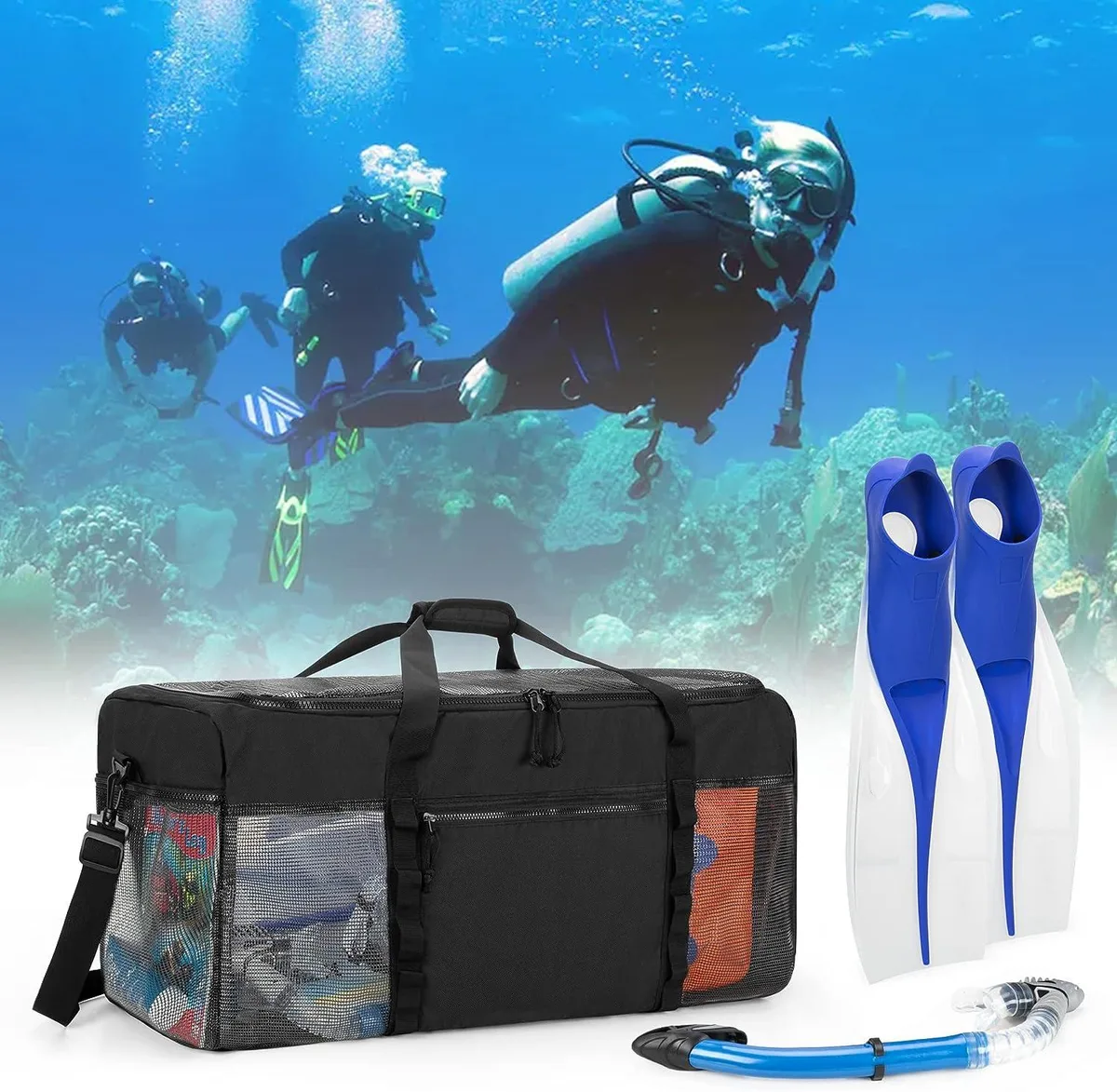
Image source: Web (Bing) / gosupps.com (Web image (fair-use with source credit))

Today's Exclusive Deals
Limited-time Exclusive Deals. Check current discount on Amazon.
Check Price on Amazon As an Amazon Associate I earn from qualifying purchases.Getting your scuba diving equipment from home to the dive site, or even across the country, involves more than just tossing it in a bag. Proper transport ensures your gear stays protected, functional, and ready for your next underwater adventure. We've gathered the best practices and insights to help you move your equipment safely.
This guide focuses on making that process smooth, whether you're driving to a local lake or flying to a tropical destination. Manufacturer specifications for dive bags, for instance, often highlight reinforced stitching and robust zippers designed to withstand the rigors of travel, as of 2026. Let's break down how to do it right.
Quick Answer
Transporting scuba diving equipment requires careful packing and securing. Use dedicated dive bags for bulky items and a padded regulator bag for delicate gear. Secure tanks upright in vehicles, and protect masks and computers.
For air travel, check airline policies for tanks and consider carry-on for critical components.
Packing Your Scuba Gear: What Needs Special Care
Before anything gets loaded, the way you pack your gear is crucial. It's not just about fitting everything in; it's about protecting your investment and ensuring vital pieces are ready to go.
Your Scuba Gear Checklist: What to Pack and Protect
Most divers have a standard set of gear that needs specific attention during transport. This includes your Buoyancy Control Device (BCD), which can be bulky and awkwardly shaped, and your regulator set, often the most expensive and sensitive part of your kit. Your scuba mask and fins also need to be protected from impacts.
We’ve identified that a dedicated padded bag for your regulator and dive computer is essential, as these items can be easily damaged. Aggregate reviews report that a good scuba diving gear bag can make all the difference.
- BCD: Fold or roll it to minimize its footprint.
- Regulator Set: Always in a padded, dedicated regulator bag. This protects the delicate diaphragms and gauges. You can find great options for best scuba diving regulator to learn more.
- Mask: Keep it in its original case or nestled within softer gear to prevent scratches. Our research indicates masks designed for wide faces often come with sturdier cases.
- Fins: These can be placed in a larger dive bag, but ensure they aren't bent or crushed.
- Wetsuit/Drysuit: Ensure it's thoroughly rinsed and as dry as possible to prevent mildew. A good scuba diving wetsuit for warm water will also dry faster.
- Accessories: Dive computer, dive knife, dive lights, and gloves all need to be secured and protected. A scuba diving knife should be stored safely, ideally in a pocket or case.
Transporting Gear by Car: Loading Up Safely
Once packed, getting your gear into your vehicle requires a thoughtful approach to prevent damage and ensure safety on the road.
Securing Tanks and Heavy Bags in Your Vehicle
Scuba tanks, whether full or empty, are heavy and can shift during transit, posing a risk. They should always be transported upright and secured. Manufacturer specifications from tank vendors often indicate the need for vertical transport.
Use tie-down straps or bungee cords to secure them to anchor points in your trunk or truck bed. If you don't have anchor points, consider using pool noodles or old towels to wedge the tank and prevent it from rolling.

Image source: Web (Bing) / pinterest.com (Web image (fair-use with source credit))
Heavy dive bags should be placed strategically. Place the largest and heaviest bags at the bottom of your cargo space. This creates a stable base.
If you're using a dedicated scuba diving gear bag, many are designed to be stackable or fit snugly. Smaller, lighter items can then fill the gaps.
Protecting Your Regulator Set and Other Valuables
Your regulator set is arguably your most critical piece of equipment, and it needs the best protection. Always transport it in its dedicated, padded regulator bag. This bag should ideally be placed in a location within the vehicle where it won't be crushed or subjected to impact, such as on top of softer gear or tucked securely between larger items.
A good regulator bag offers cushioning and prevents items from pressing directly against the sensitive hose connections and gauges.
Other valuables, like your dive computer and underwater camera, should receive similar care. Dive computers are sensitive electronic devices; our research shows they perform best when kept in a protected case. If you're carrying a scuba diving camera, ensure it's in its waterproof housing or a padded camera bag before being placed in your main dive luggage.
This layered protection is key to ensuring everything arrives in working order.
Air Travel with Scuba Equipment: Navigating Airline Rules
Flying with scuba gear presents a unique set of challenges, primarily around airline regulations and the need for robust protection against rough handling.

Image source: Web (Bing) / cressi-usa.com (Web image (fair-use with source credit))
Essential Gear for Your Carry-On
When flying, your regulator set and dive computer should absolutely be in your carry-on luggage. These are your most critical and valuable pieces of equipment. Their delicate nature and high cost make them too risky to entrust to checked baggage handlers.
A padded regulator bag provides crucial protection during the journey. Many modern regulators are designed with advanced materials, but protecting them from impact is still paramount.
Your mask, along with any important medications or dive-related electronics like your dive light or camera, should also travel with you. A small, durable dry bag can be a lifesaver here, keeping electronics and important documents safe and dry, even if your checked luggage is delayed or lost. It’s wise to have a good scuba diving dry bag for these essentials.
Checked Luggage Strategies for Divers
The biggest hurdle for air travel with scuba gear is transporting scuba tanks. Airlines strictly prohibit the transport of compressed air cylinders. Tanks must be completely empty, with the valve open, before being checked.
Many airlines will not accept them at all, or will require specific packaging and handling. It's vital to check your specific airline's policy well in advance, as rules can vary.
Your BCD, fins, and wetsuit will likely go into checked luggage. A large, heavy-duty dive bag or roller is ideal for this. Ensure that fins aren't sticking out awkwardly, which can make them prone to damage.
Consider using your wetsuit to cushion other items within the bag. For a comfortable fit, checking out best scuba diving fins for strong currents can help you choose models that pack well. Remember to factor in weight limits; dive gear can quickly exceed standard airline allowances, leading to extra fees.
Renting Gear: The Hassle-Free Alternative
For many travelers, especially those flying, renting dive gear at the destination is a practical and often preferred option. It eliminates the stress and bulk of transporting your own equipment.
When Renting Makes Sense
Renting is ideal if you dive infrequently, travel extensively by air, or prefer not to manage the logistics of your own gear. It saves you from paying excess baggage fees and reduces the risk of your gear being damaged or lost in transit. Many resorts and dive operators offer rental packages that can be booked in advance.
This is especially true if you're traveling to a new location and aren't sure about the diving conditions.
What to Consider with Rental Equipment
While convenient, renting does come with considerations. The quality and maintenance of rental gear can vary significantly between operators. It’s wise to inspect rental equipment thoroughly before your first dive.
Check the condition of the BCD, ensure the regulator breathes smoothly, and test the dive computer's functions. If you have specific preferences for fit or performance, like with your mask or wetsuit, bringing your own is often recommended. For instance, a well-fitting scuba diving mask for wide face can greatly improve your comfort underwater.
Always confirm the rental prices and what’s included in the package to avoid surprises.
Common Mistakes When Transporting Scuba Diving Equipment
Even experienced divers can make transport errors that lead to damaged gear or unnecessary frustration. Being aware of these common pitfalls can save you a lot of trouble.
Overlooking Protection for Delicate Items
The most frequent mistake is not giving enough protection to sensitive equipment. Your regulator set, dive computer, and mask are prime examples. Placing these items loosely in a large bag or, worse, in checked luggage without a dedicated padded case, is a recipe for disaster.
Our research shows that regulators can be damaged by impacts, affecting their performance and safety. Similarly, a scratched mask lens can ruin your visibility underwater. Always use specialized protective bags for these items.
Ignoring Weight Limits and Restrictions
Especially when flying, exceeding airline weight limits for checked baggage can lead to substantial unexpected costs. Scuba gear is heavy; a full BCD, tanks, and wetsuit can easily add up. Before heading to the airport, weigh your bags.
If you’re close to the limit, consider what can be consolidated or left behind. For road trips, ensure your vehicle's suspension can handle the load and that your gear is distributed safely and doesn't impair your vision or handling of the vehicle. For instance, some smaller cars may struggle with the weight of multiple tanks and heavy bags.
Expert Tips for Easier Scuba Gear Transport
Getting your gear from point A to point B doesn't have to be a wrestling match. A little preparation goes a long way. Our research indicates that divers who plan ahead spend less time stressing about logistics and more time enjoying the water.
Pre-Trip Gear Prep and Drying
Before packing anything, ensure all your gear is as dry as possible. Rinse your BCD, wetsuit, and any other equipment that might have come into contact with saltwater. Allowing gear to air dry completely is essential for preventing mildew and unpleasant odors.
Manufacturer specifications for many wetsuit materials suggest thorough rinsing after each use to maintain material integrity. This step is vital, especially if your gear will be stored in bags for an extended period.
Proper drying means more than just a quick shake. Hang your wetsuit or drysuit to drip dry, and then allow it to air dry fully, ideally in a well-ventilated area. Ensure the BCD bladder is completely empty of water.
Even small amounts can lead to mold growth.
Smart Packing Techniques
Think about how you'll unpack at your destination. If you're going on a multi-day trip, organize your bags so essential items are easily accessible. For example, pack your wetsuit and BCD together, and keep your regulator bag and mask case readily available.
Many divers find that using different colored bags for different types of gear can speed up identification.
Consider the weight distribution within your bags. Heavy items should go at the bottom. This makes bags easier to handle and prevents lighter, more delicate items from being crushed.
Using compression straps on larger bags can also help secure the contents and reduce the overall volume. If you're looking for robust bags, reviews often highlight those with reinforced stitching and heavy-duty zippers for durability, see our picks for best scuba diving gear bag.
Frequently Asked Questions About Transporting Scuba Diving Equipment
Can I transport an empty scuba tank on a plane?
While airlines prohibit transporting full or partially full tanks, empty ones may be permitted as checked baggage, but policies vary significantly. You must confirm with your specific airline, as most require the valve to be open and the tank completely depressurized.
How do I protect my scuba mask during travel?
Always keep your mask in its original hard case or a dedicated mask box. If you don't have one, nestle it carefully within softer gear like your wetsuit in your main dive bag, ensuring nothing heavy can press down on it.
What's the best way to pack a BCD?
Fold or roll your BCD to make it more compact. Many BCDs have integrated pockets or straps that can help keep them tidy. Ensure the oral inflator hose is secured and doesn't snag.
Is it safe to transport scuba gear on a roof rack?
Transporting scuba gear, especially tanks, on a roof rack is generally not recommended for safety reasons. Tanks can shift, and improper securing could lead to them falling off, posing a serious hazard to other drivers. It's best to transport them inside your vehicle and properly secured.
How should I transport my dive computer when flying?
Your dive computer should always be in your carry-on luggage. It’s a valuable electronic device susceptible to damage and theft, and you’ll want it readily accessible.
What are the risks of transporting wet dive gear?
Transporting wet gear can lead to mold, mildew, and persistent odors that are difficult to remove. It can also damage other items packed with the gear. Always rinse and dry your equipment thoroughly before packing it for transport.

