
Choosing the right footwear can make or break your workout, and understanding the difference between Running Shoes vs Cross-Training Shoes is key. Many people grab any athletic shoe thinking it’ll do, but this can lead to discomfort, reduced performance, and even injuries. Your activity dictates your shoe.
Think of it like this: your running shoes are specialized tools for one primary job, moving you forward efficiently. Manufacturer specifications often highlight their advanced cushioning systems designed to absorb impact. Cross-training shoes, however, are built for versatility, offering a stable base for a range of movements that often occur in a gym setting, from lifting to plyometrics.

Today's Exclusive Deals
Limited-time Exclusive Deals. Check current discount on Amazon.
Check Price on Amazon As an Amazon Associate I earn from qualifying purchases.Running Shoes vs. Cross-Training Shoes
The core difference lies in their design purpose. Running shoes prioritize cushioning and a smooth, forward motion, while cross-training shoes focus on stability and support for multi-directional movements. The choice hinges entirely on your primary physical activity.
Wearing the wrong type can lead to issues like joint pain or ineffective workouts.
What's the Big Deal? Why Not Just Wear Any Sneaker?
It might seem like a small detail, but the shoe you choose significantly impacts your performance and safety. Wearing running shoes for weightlifting, for example, can feel unstable. Conversely, using stiff cross-trainers for long-distance running might not provide enough shock absorption, leading to discomfort.
Aggregate reviews consistently report user satisfaction increases when matching shoe type to activity.
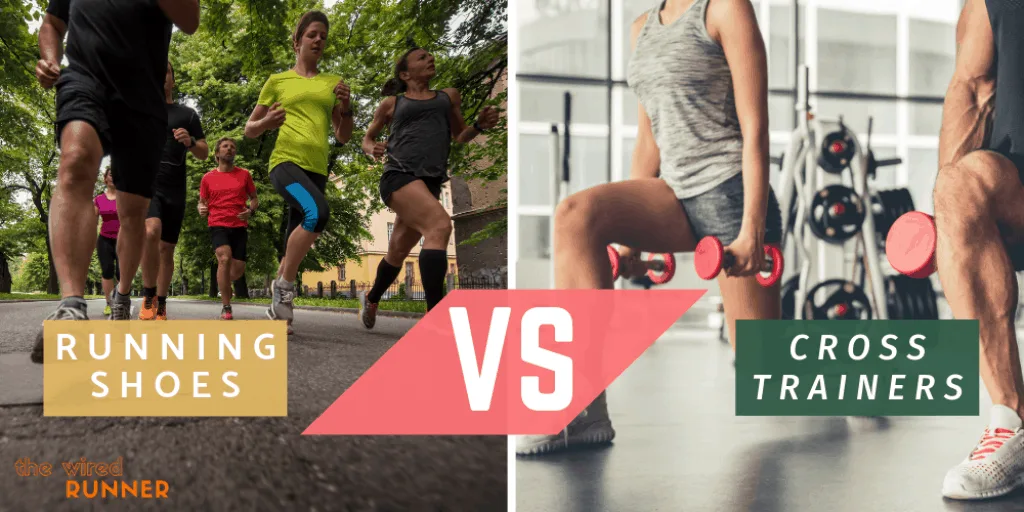
Image source: Web (Bing) / thewiredrunner.com (Web image (fair-use with source credit))
The physics are simple: running involves repetitive impact in a single plane, requiring plush cushioning and flexibility. Training often includes lateral movements, jumps, and heavy lifting, demanding a stable, flatter platform. As of 2026, this principle remains fundamental in athletic footwear design.
Diving Deep into Running Shoes: Built for the Miles
Running shoes are engineered to cushion your feet and propel you forward. Their primary goal is to reduce the impact stress on your body with each stride, whether you're on a treadmill or hitting the pavement. This focus on impact absorption is crucial for longer distances and consistent training.
Running Shoe Features: What to Look For
When you examine a running shoe, several key attributes stand out, all geared towards maximizing comfort and efficiency on the run.
- Advanced Cushioning: This is probably the most obvious feature. Running shoes typically have substantial foam midsoles, often made from EVA or proprietary blends, to absorb shock. This cushioning is strategically placed, with more in the heel and forefoot to handle the landing and push-off phases of your stride.
- Flexibility: They are designed to bend easily, especially in the forefoot. This flexibility allows your foot to roll naturally through the running gait cycle from heel strike to toe-off. Manufacturer specifications often detail the shoe's flex points.
- Lightweight Construction: To help you maintain speed and reduce fatigue, running shoes are usually built to be as light as possible. Every ounce counts when you're covering miles.
- Breathable Uppers: Uppers are commonly made with engineered mesh or similar synthetic fabrics. This promotes airflow, keeping your feet cooler and drier during your runs.
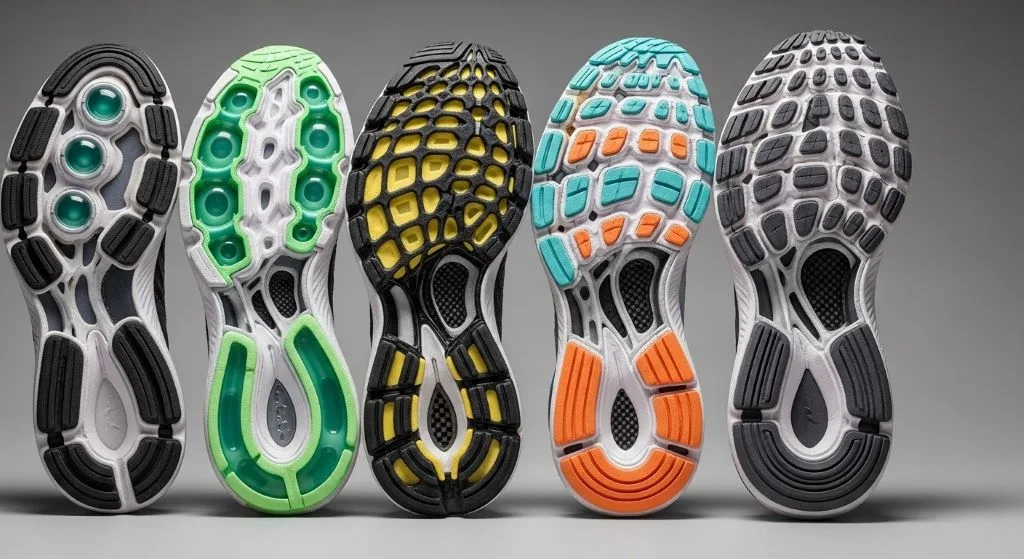
Image source: Web (Bing) / heartandstylewoman.com (Web image (fair-use with source credit))
- Heel Counter: A firm heel counter helps lock your heel in place, providing stability and preventing slippage.
- Outsole Design: The rubber outsole is shaped for traction and durability, often with specific tread patterns for road or trail running.
Understanding Cross-Training Shoes: Your Gym's Best Friend
Cross-training shoes are the versatile workhorses of athletic footwear. They're built to handle a variety of exercises, providing a stable foundation for everything from lifting weights to agility drills. If your workout routine is diverse, these are likely your go-to.
Cross-Trainer Features: Built for Variety
These shoes have a unique set of characteristics that make them ideal for multifaceted training sessions. Their design prioritizes stability and support across different movement patterns.
- Stable, Flat Sole: Unlike the curved, cushioned soles of running shoes, cross-trainers usually have a flatter, more solid base. This provides a stable platform essential for activities like deadlifts or squats, where a firm ground connection is critical for proper form and power transfer.
- Moderate Cushioning: While they do offer some cushioning, it's generally firmer and less pronounced than in running shoes. Excessive softness can lead to instability during weightlifting or plyometric exercises.
- Lateral Support: This is a key differentiator. Cross-trainers are designed to hold your foot securely during side-to-side movements, jumps, and quick changes in direction. Features like reinforced side panels help prevent your foot from rolling over the edge of the sole.
- Durability and Protection: The materials used in cross-trainers are often more robust. They can withstand the abrasion of gym equipment, rope climbs, and general wear and tear associated with varied training.
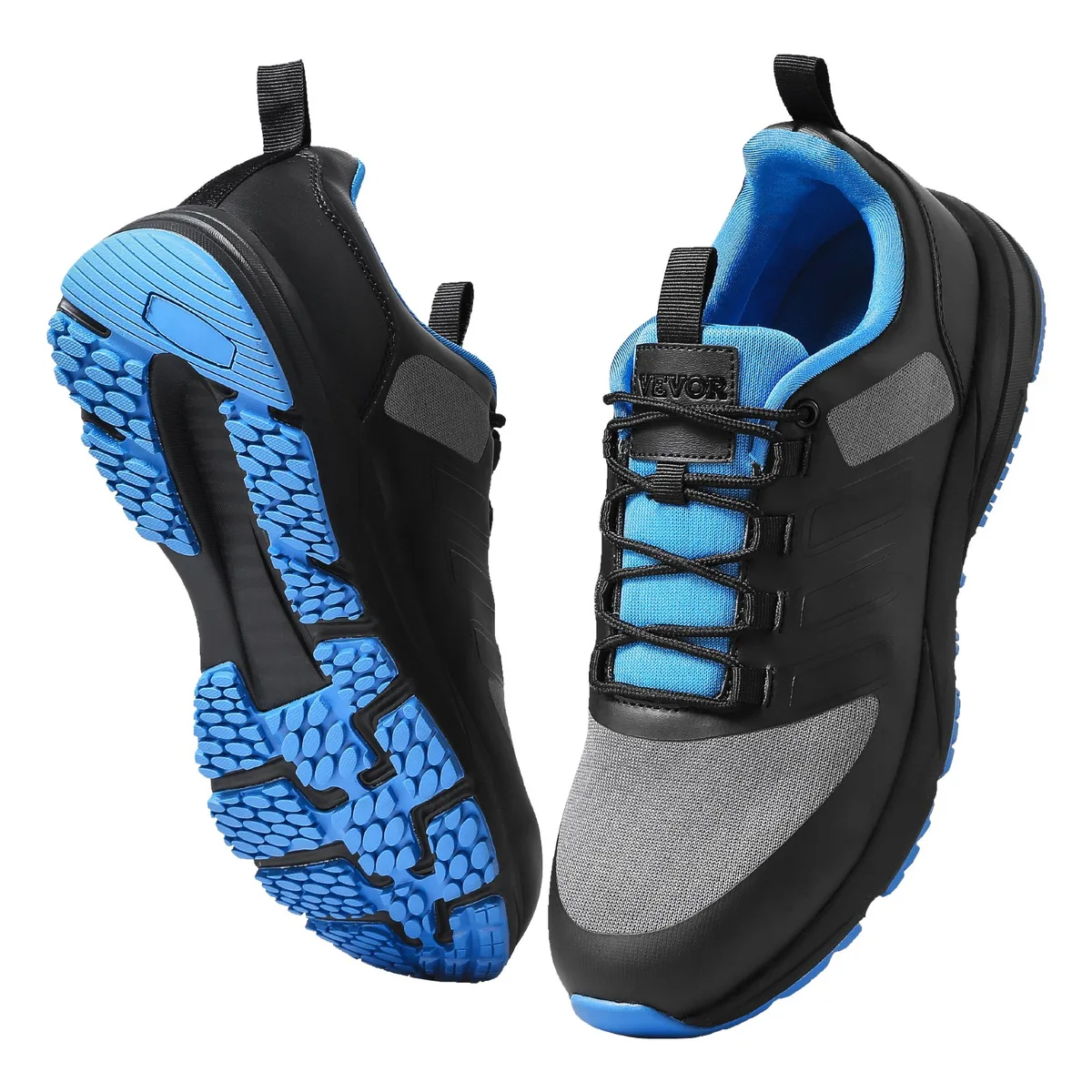
Image source: Bing (Web (fair-use with source credit))
- Supportive Upper: The upper materials are typically structured to provide a snug, supportive fit, minimizing foot movement within the shoe.
Running Shoes vs. Cross-Training Shoes: Head-to-Head
The fundamental difference boils down to specialization versus generalization. Running shoes are optimized for forward motion, absorbing impact with each step. Cross-training shoes are designed for a broader range of athletic movements, emphasizing stability and support for dynamic, multi-directional activities.
When to Choose Running Shoes
You should opt for running shoes if your primary fitness activity is running, whether on roads, trails, or a treadmill. They offer the specialized cushioning needed to protect your joints from the repetitive impact of each stride. If your weekly fitness plan is predominantly focused on logging miles, proper running shoes are essential for comfort and injury prevention.
This is especially true for longer runs, where the impact forces accumulate significantly.
When Cross-Training Shoes Win
Cross-training shoes are your best bet if your workout routine involves a mix of activities. This includes gym sessions with weightlifting, high-intensity interval training (HIIT), circuit training, or classes that require a lot of lateral movement and jumping. They provide the stability needed for exercises like squats or burpees, offering a reliable base.
If you’re not exclusively running and engage in diverse gym-based training, cross-trainers offer the versatility you need.
Common Mistakes When Picking Your Workout Shoes
It's easy to get it wrong. A common misstep is assuming all athletic shoes offer similar support. For instance, using your old running shoes for a circuit training class where you do a lot of side-to-side shuffling can cause your feet to roll outward, increasing the risk of ankle sprains.
Conversely, lifting heavy weights in a heavily cushioned running shoe might make you feel unstable.
Another frequent error is prioritizing aesthetics over function. While cool designs are tempting, they don't guarantee the shoe is right for your activity. Focus on how the shoe is built and what it’s designed to do first.
Over time, wearing the wrong shoe for a consistent activity can contribute to chronic issues like plantar fasciitis or knee pain.
- Mistake 1: Using running shoes for weightlifting.
- Mistake 2: Using cross-trainers for long-distance running.
- Mistake 3: Choosing shoes based solely on appearance.
- Mistake 4: Not considering the specific demands of your workout.
Expert Tips for Choosing the Right Pair
When in doubt, a good rule of thumb is to match the shoe to your primary activity. If you run more than 50% of the time, running shoes are likely the best choice. If your training is varied, leaning more towards gym work and less towards dedicated running, cross-training shoes offer better overall support.
Think about the floor you’ll be on, too; smooth gym floors benefit from stability, while pavement needs impact absorption.
Consider the overall structure. Running shoes often have a more pronounced heel-to-toe drop, encouraging forward momentum. Cross-training shoes tend to have a lower drop, promoting a more grounded feel for lifting.
Some manufacturers even offer hybrid models, but they usually make compromises in one area or the other. For serious athletes in specific disciplines, like marathon runners or competitive powerlifters, specialized footwear is indispensable. For general fitness, understanding these core differences is your best guide.
FAQs: Your Burning Questions Answered
Can I wear running shoes for cross-training?
You can, but it’s not ideal. Running shoes offer too much cushioning and not enough lateral stability for activities involving quick side-to-side movements or heavy lifting. This can make you feel unsteady and increase the risk of injury.
Can I wear cross-training shoes for running?
You can for short, light jogs or warm-ups, but they aren't designed for the repetitive impact of serious running. They lack the advanced cushioning that running shoes provide, which can lead to discomfort and potential joint stress over longer distances.
Do I need separate shoes for every workout?
For most people with a mixed routine, a good pair of cross-training shoes will suffice for various gym activities and light runs. However, if running is your primary focus and you log significant mileage, investing in dedicated running shoes is highly recommended for performance and injury prevention.
How long do athletic shoes typically last?
This varies, but for running shoes, many experts suggest replacing them every 300 to 500 miles, or about every 6 months if you run regularly. Cross-training shoes, depending on usage intensity, may last longer, often between 1 to 2 years for a fitness enthusiast. Visible wear and tear or loss of cushioning are key indicators for replacement.

