
When you're getting ready to lift serious weight, the grip you choose for your deadlift isn't just a detail; it's a critical decision. Getting it wrong can mean leaving pounds on the bar or, worse, risking injury. So, what is the best deadlift grip?
The answer depends on your body, your goals, and what feels strongest and safest for you.

Today's Exclusive Deals
Limited-time Exclusive Deals. Check current discount on Amazon.
Check Price on Amazon As an Amazon Associate I earn from qualifying purchases.Our research indicates that understanding the nuances between different grips can unlock new levels of strength and efficiency. We'll break down the most common styles, their unique benefits, and the common pitfalls to avoid, helping you find your perfect hold.
Why Grip Matters in the Deadlift
The deadlift is a fundamental strength exercise, but the way you hold the barbell profoundly impacts your performance and safety. Your grip is the direct link between you and the weight, and it's often the first point of failure if not addressed properly. A strong, stable grip allows you to maintain proper body positioning, engage your target muscles effectively, and transfer force efficiently from the floor to lockout.
If your grip gives out, the entire lift is compromised, no matter how strong your legs and back are. This is why specialized grip techniques, like the hook grip, are sometimes employed by competitive powerlifters. As of 2026, official standards from organizations like the International Powerlifting Federation (IPF) don't dictate grip type but emphasize consistent execution.
What Is the Best Deadlift Grip?
The best deadlift grip is the one that allows you to lift the most weight safely and effectively for your individual body mechanics and goals. For many, this means finding a grip that maximizes leverage and minimizes grip fatigue. Options range from the standard overhand conventional grip to specialized mixed and hook grips designed for maximal load.
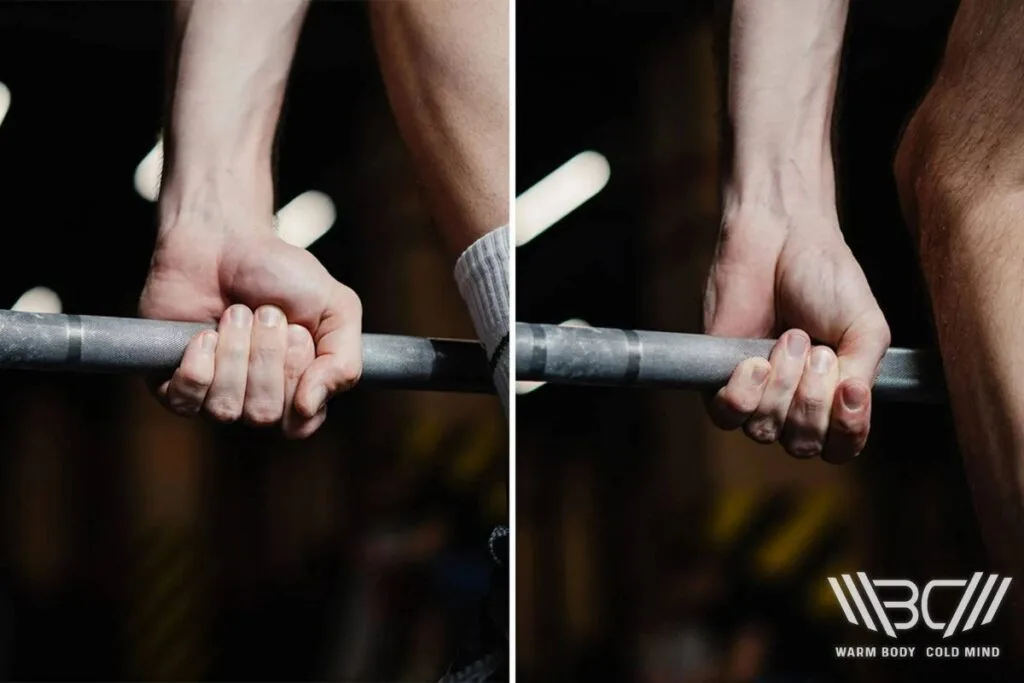
Image source: Web (Bing) / blog.warmbody-coldmind.com (Web image (fair-use with source credit))
The Main Deadlift Grip Styles: A Breakdown
Understanding the mechanics and applications of each grip is key to choosing wisely. Think of these not just as ways to hold the bar, but as distinct tools for different jobs in your training.
Conventional Grip
This is the classic. Your feet are about hip-width apart, and your hands are just outside your legs, gripping the bar. It’s a balanced movement that engages your entire posterior chain, hamstrings, glutes, and lower back, along with your quads.
It's a fantastic all-around grip for building general strength and is often the first one people learn.
- How it works: Your torso stays relatively upright, and the bar travels close to your shins. The leverage is balanced, allowing for a strong pull from the floor through lockout.
- Best for: General strength building, developing the entire posterior chain, and as a foundational deadlift variation.
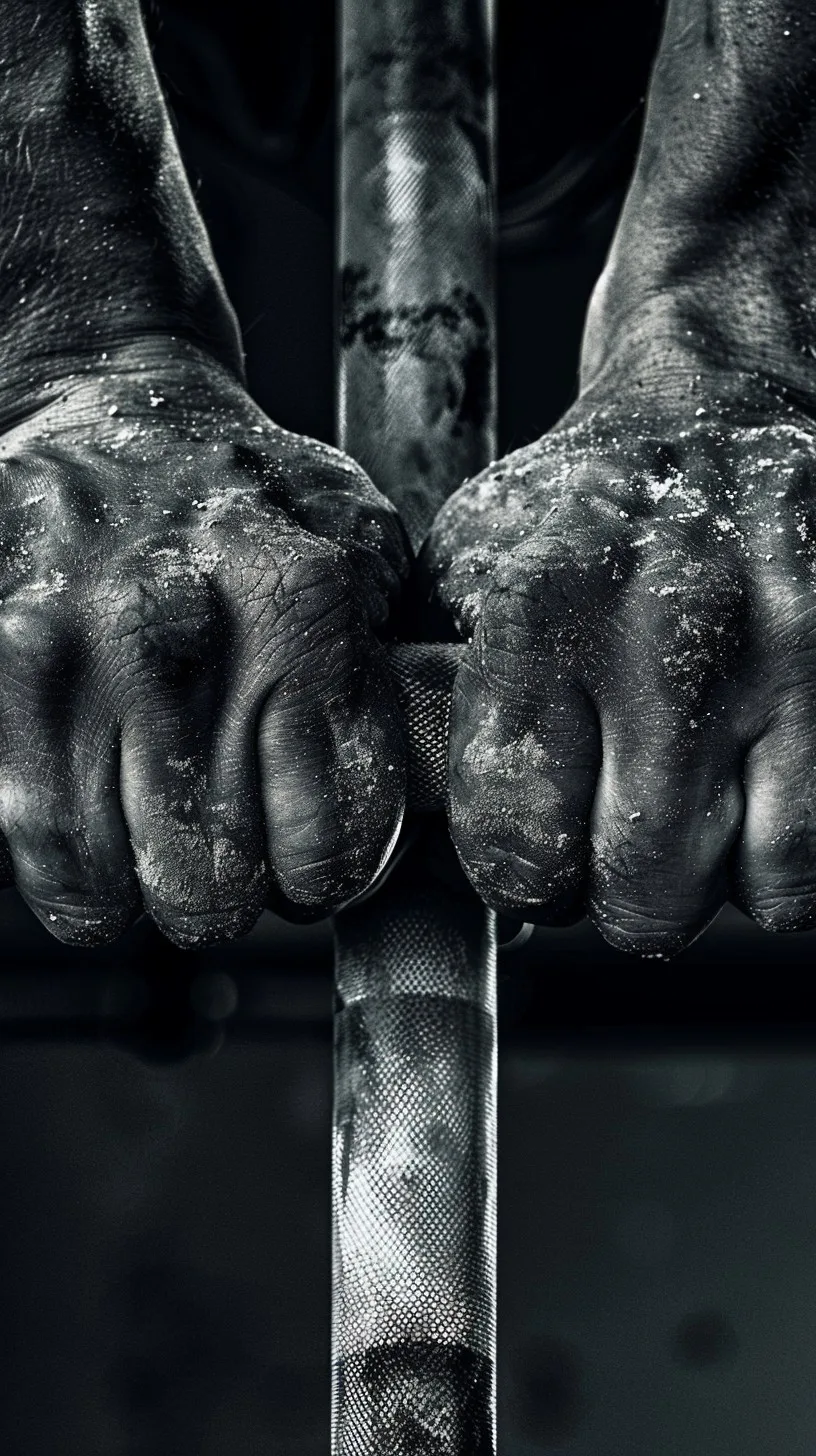
Image source: Bing (Web (fair-use with source credit))
Sumo Grip
With a sumo grip, you widen your stance significantly, often wider than shoulder-width. Your hands then come inside your legs to grasp the bar. This stance shortens the range of motion, bringing your quadriceps more into play and potentially easing the load on your lower back for some individuals.
- How it works: The wider stance allows for a more upright torso, and the shortened bar path can lead to quicker lifts. It heavily recruits the quads and inner thighs (adductors).
- Best for: Individuals with longer femurs or shorter torsos who find a conventional stance awkward. It can also be an excellent choice for those looking to emphasize quad development or reduce lower back stress.
Trap Bar Grip
If you've ever used a trap bar (also known as a hex bar), you'll recognize this grip. You stand inside the bar, and your hands are on the parallel handles on the sides. This setup keeps you more upright throughout the lift and is generally considered more beginner-friendly.
- How it works: The raised handles mean you don't have to pull the bar from as low on the floor, and the side-mounted handles reduce the grip demand compared to a barbell. This leads to a safer and more manageable movement.
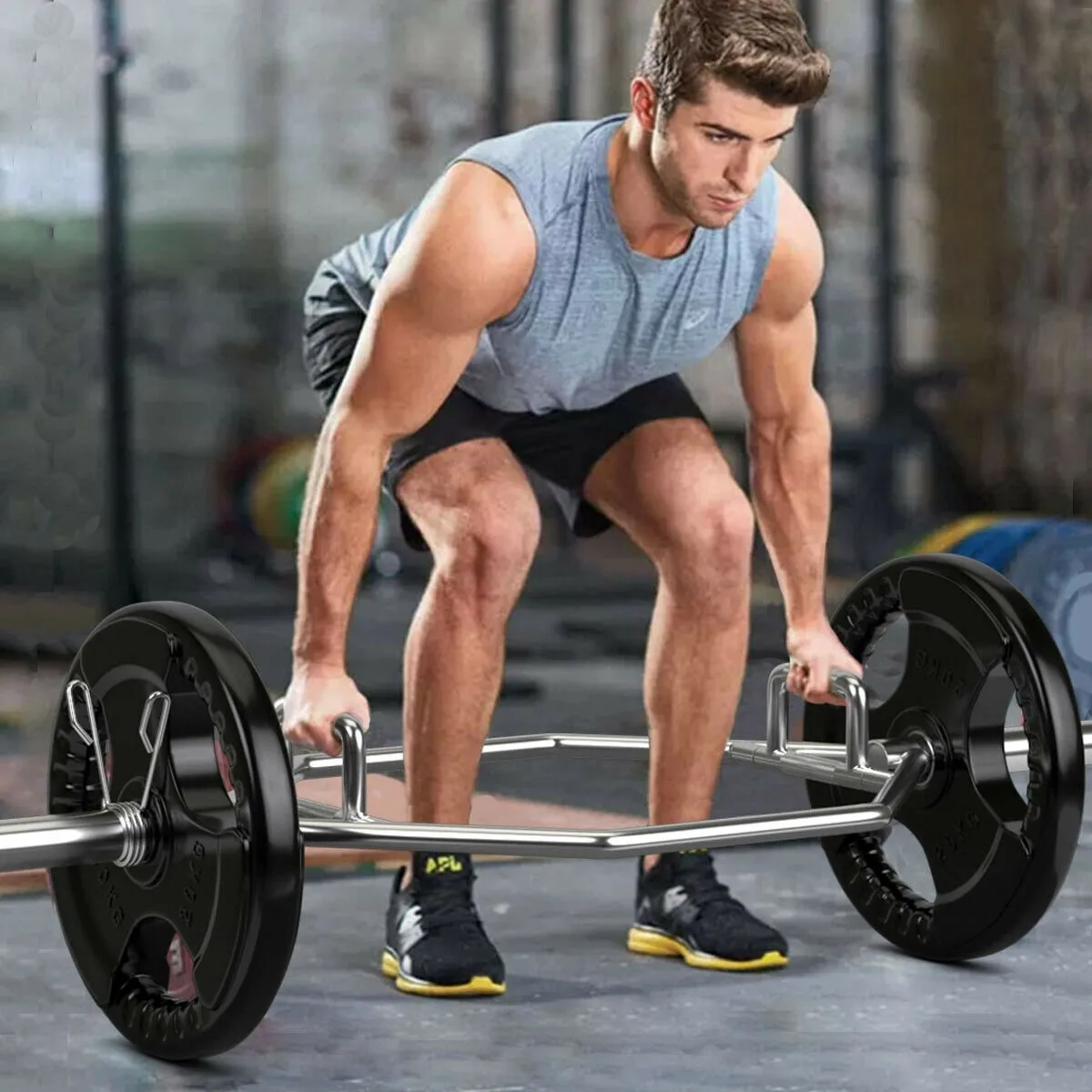
Image source: Web (Bing) / directbywilsonshomestore.ca (Web image (fair-use with source credit))
- Best for: Beginners learning the deadlift pattern, individuals with limited mobility, or those seeking to reduce stress on their lower back. It's also excellent for building leg strength without extreme spinal loading.
Mixed Grip
This is where things get interesting for lifting maximal weight. With a mixed grip, you alternate your hands: one palm faces forward (pronated), and the other faces you (supinated). This setup is fantastic for preventing the barbell from rolling out of your hands, which is a common limitation when trying to lift your heaviest.
- How it works: The underhand grip of one hand provides a strong counter-force against the overhand grip of the other, stabilizing the bar immensely. This allows you to focus more on pulling with your legs and back.
- Best for: Lifters aiming to lift their absolute maximum weight, particularly in powerlifting competitions where grip strength is often the limiting factor. It's also a good option for those struggling with raw grip endurance.
Hook Grip
A bit more advanced, the hook grip involves wrapping your fingers around the bar first, then securing your thumb by wrapping your fingers over it. This creates an incredibly secure lock, making it very difficult for the bar to slip. It's commonly seen in Olympic weightlifting.
- How it works: Your thumb is effectively pinned by your fingers, creating a tight, immovable grip. It significantly enhances grip security, allowing you to focus entirely on the pull.
- Best for: Lifters looking for maximum grip security, especially when dealing with very heavy weights or high repetitions where grip fatigue is a major concern. Be aware that it can be uncomfortable or painful for beginners until calluses develop.
Comparing Deadlift Grips: Which is Right for Your Goals?
Understanding which grip suits your individual biomechanics and training goals is paramount. There's no single "best" for everyone; it's about finding your personal optimal. For instance, if you’re a competitive powerlifter aiming to break records, a mixed grip might be your strongest option, allowing you to lift maximum weight by mitigating grip failure.
You might find that your leg press machine, if you're using one, allows for a wide range of motion similar to a sumo stance, enabling significant quad development.
Conversely, if you're newer to lifting or have a history of lower back discomfort, the trap bar deadlift offers a safer, more accessible entry point. Its design inherently promotes a more upright torso and reduces spinal shear forces. Beginners can also explore how to deadlift with dumbbells: master form for maximum gains as a way to learn the hip-hinge pattern with less risk and greater control.
Who is Each Deadlift Grip Best For?
Your choice of deadlift grip isn't static; it should evolve with your strength, goals, and body. If your primary aim is to lift the absolute heaviest weight possible, a mixed grip is often the top choice for competitive lifters. It directly addresses grip limitations, allowing for higher deadlift totals.
For building overall muscle mass and strength across your posterior chain, a conventional grip remains highly effective due to its balanced engagement of numerous muscle groups.
When looking to build muscle, consider how each grip contributes. For example, the sumo deadlift can really target your quads, especially if you have longer femurs or find a conventional stance challenging. Accessory work, such as focusing on how to do Romanian deadlifts (RDL): master your form!, can further enhance hamstring and glute development.
When to Switch Your Deadlift Grip
Your chosen deadlift grip might need to change as you progress. As your strength increases, your body adapts, and your training goals shift, reassessing your grip is smart. A beginner might start with a conventional grip but find their hands give out before their legs or back are fully worked.
In such cases, switching to a mixed grip or incorporating more dedicated grip exercises can help.
Consider a lifter focused on hypertrophy. They might stick with conventional or sumo grips to maximize muscle engagement and range of motion. However, if they hit a plateau, a temporary switch to a mixed grip for a training cycle could help break through strength barriers.
This adaptive approach ensures ongoing progress and keeps training varied.
How to Choose Between Barbell and Trap Bar Grips
The choice between a barbell and a trap bar significantly impacts the deadlift. Barbell deadlifts, whether conventional or sumo, demand a broader range of coordination and more robust grip strength. A trap bar's parallel handles offer a more neutral wrist position and a less demanding grip, making it easier to lift maximal loads with less technical grip input.
When deciding, consider the equipment available and your immediate training objectives. If your gym only has barbells, focus on mastering conventional and sumo variations. If a trap bar is present, it's a fantastic tool for high-volume training or for those prioritizing safety and simplicity.
Its design often leads to a more upright posture, somewhat akin to movements on certain weight machines.
Common Deadlift Grip Mistakes and How to Fix Them
Even with the right grip chosen, poor execution can lead to missed lifts and injuries. Many lifters don't give their grip enough attention, resulting in common errors.
- Weak Grip Strength: This is the most frequent problem. If your hands fail before your legs and back are fatigued, you're limiting your potential.
- Fix: Add grip-specific exercises like farmer's walks, dead hangs, and plate pinches to your routine.
- Bar Rolling Out: This happens in conventional or sumo grips if your grip isn't tight enough or the bar is positioned poorly in your palm.
- Fix: Ensure the bar sits higher in your palm, closer to your fingers, and actively squeeze hard. For heavier weights, switch to a mixed grip.
- Uneven Mixed Grip: Consistently using the same arm in the supinated position can create muscle imbalances and potential shoulder strain over time.
- Fix: Diligently alternate your supinated arm between sets and workouts.
- Excessive Tension: Gripping the bar too tightly can create unnecessary tension throughout your body, hindering movement.
- Fix: Squeeze the bar hard, but focus on keeping your shoulders and upper back engaged without adding strain elsewhere.
- Neglecting Lat Engagement: Your lats are crucial for keeping the bar close to your body and your back tight. If they're not active, the bar can drift, and your back may round.
- Fix: Actively think about pulling the slack out of the bar and "bending" it before you lift. This engages your lats effectively.

