
You've probably seen folks in the gym pulling heavy barbells off the floor for deadlifts. It's a king of exercises, no doubt. But maybe you don't have access to a barbell, or perhaps you're just curious about using dumbbells for this classic move.
The short answer? Yes, you can deadlift with dumbbells, but it's not quite the same as a barbell deadlift, and understanding the differences will help you get the most out of it and stay safe.

Today's Exclusive Deals
Limited-time Exclusive Deals. Check current discount on Amazon.
Check Price on Amazon As an Amazon Associate I earn from qualifying purchases.Think of it like this: both are ways to lift a weight off the ground, but the tools and how you use them change the game a little. As of 2026, the principles of safe lifting remain paramount, regardless of equipment.
Can You Deadlift With Dumbbells?
Yes, you absolutely can deadlift with dumbbells. This method offers a viable alternative to the traditional barbell deadlift, engaging similar muscle groups while introducing unique biomechanical considerations and accessibility advantages.
Dumbbell Deadlifts vs. Barbell Deadlifts: Key Differences
When you're looking at dumbbell deadlifts, you're generally talking about two main variations: Dumbbell Romanian Deadlifts (RDLs) and Dumbbell Floor Pull Deadlifts. Each offers a distinct stimulus compared to the standard barbell deadlift. The biggest difference you'll notice right away is how the weight is distributed.
With a barbell, the weight is centered in front of you. With dumbbells, the weight is on either side of your body. This changes things up significantly.
- Stability: Barbell deadlifts can feel more stable because the load is directly in line with your center of gravity. Dumbbells require more core and grip strength to control as they hang by your sides.
- Range of Motion: Depending on the dumbbell size, your range of motion can differ. Heavier, larger dumbbells might hit the floor before full leg extension, similar to a conventional deadlift.
- Grip Strength: Holding two dumbbells can be a serious grip challenge. This builds hand and forearm strength, but it can also be a limiting factor if your grip gives out before your legs and back.
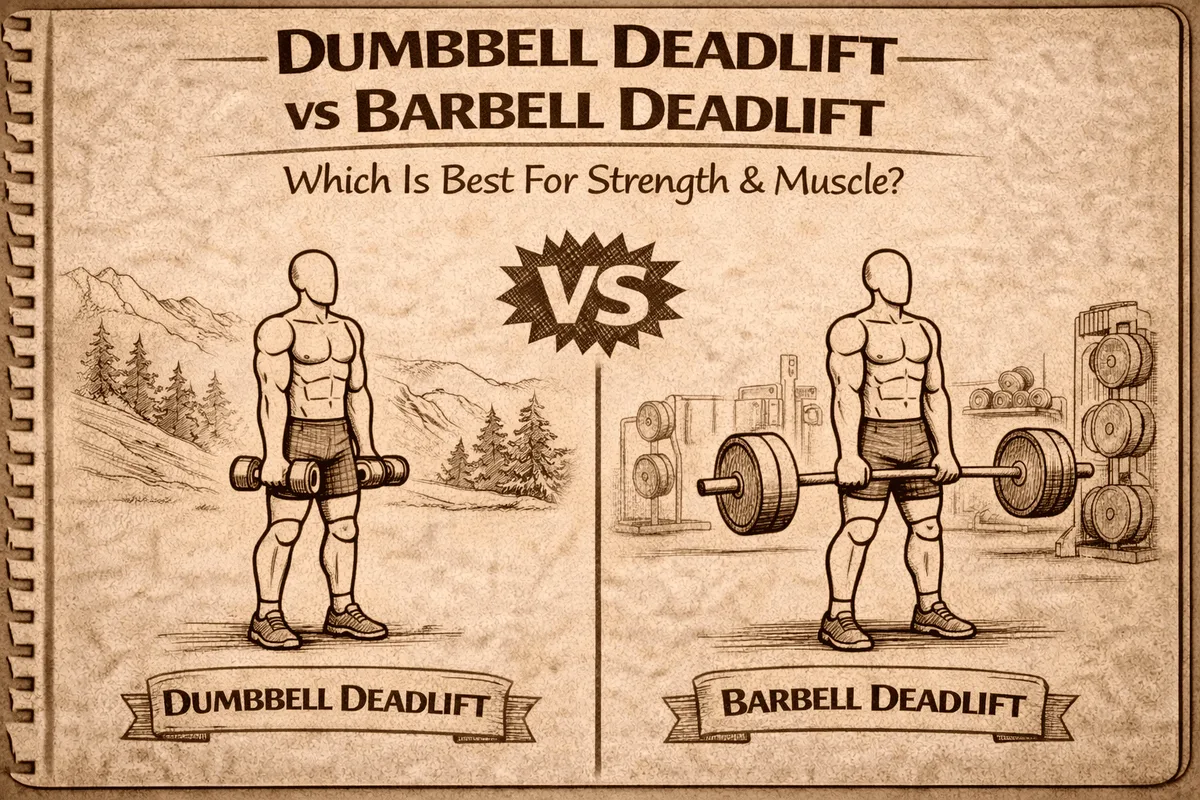
Image source: Bing (Web (fair-use with source credit))
Dumbbell Romanian Deadlifts (RDLs)
Dumbbell Romanian Deadlifts (RDLs) are a cornerstone exercise for targeting the posterior chain. In our research, they consistently show up as a favorite for hamstring and glute development. The movement primarily involves hinging at the hips, maintaining a straight back, and lowering the dumbbells down the front of your legs.
You lower them until you feel a good stretch in your hamstrings, then reverse the motion by squeezing your glutes. This variation places a significant emphasis on eccentric loading, which is crucial for muscle growth and strength. For those seeking to isolate these specific muscle groups without the full spinal loading of a conventional deadlift, the dumbbell RDL is an excellent choice.
You can learn more about mastering this hinge pattern at How To Do Romanian Deadlifts (RDL): Master Your Form!.
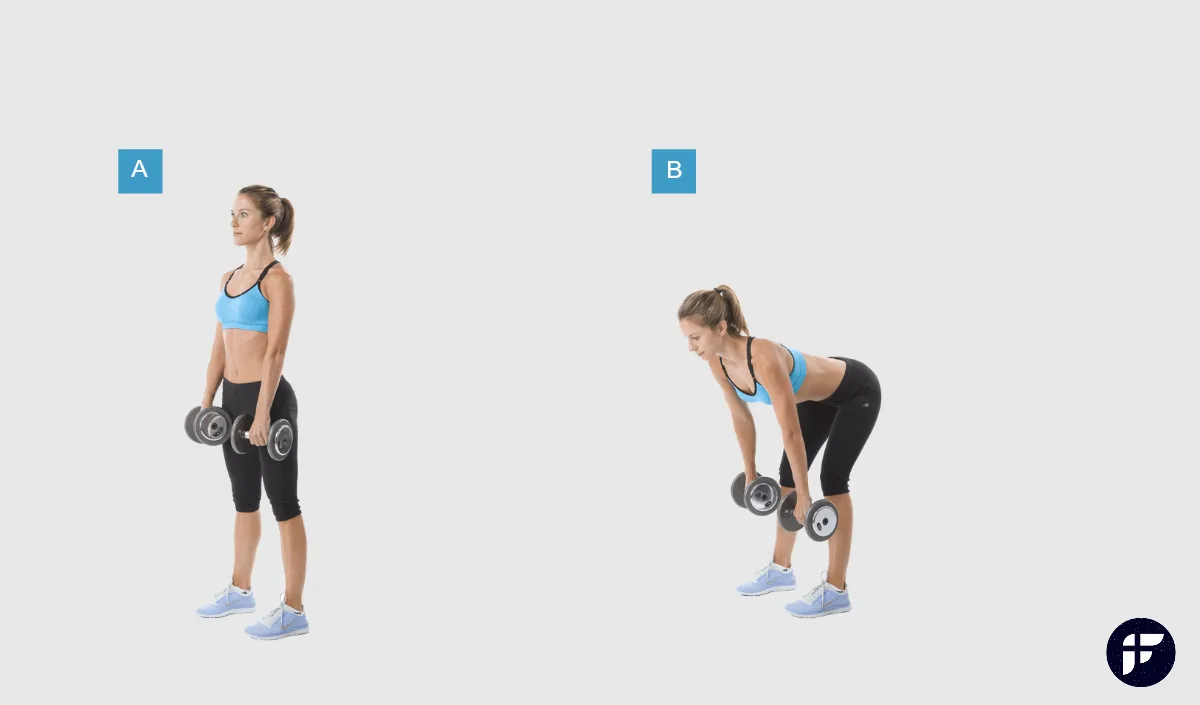
Image source: Web (Bing) / pb3drender.com (Web image (fair-use with source credit))
How to Perform Dumbbell RDLs
- Start Position: Stand with your feet hip-width apart, holding a dumbbell in each hand. Let the dumbbells hang in front of your thighs, palms facing your body.
- Initiate the Hinge: Keeping your back straight and a slight bend in your knees (don't lock them out), push your hips backward as if you're trying to close a door with your backside.
- Lower the Dumbbells: Allow the dumbbells to slide down the front of your shins, keeping them close to your legs. Lower yourself until you feel a strong stretch in your hamstrings, but before your lower back starts to round.
- Return to Start: Squeeze your glutes and drive your hips forward to return to a standing position. Maintain a straight back and engaged core throughout the movement.
Dumbbell Floor Pull Deadlifts
Dumbbell Floor Pull Deadlifts bring you closer to the conventional deadlift experience, but with dumbbells. You stand with the dumbbells resting on the floor on either side of your feet. The key here is that the weights start on the ground, and you pull them up to a standing position.
This exercise requires a significant hip hinge and knee bend to initiate the lift. It's an effective way to build overall pulling strength and engage the entire posterior chain, including the erector spinae muscles in your back and the large muscles of your glutes and hamstrings.
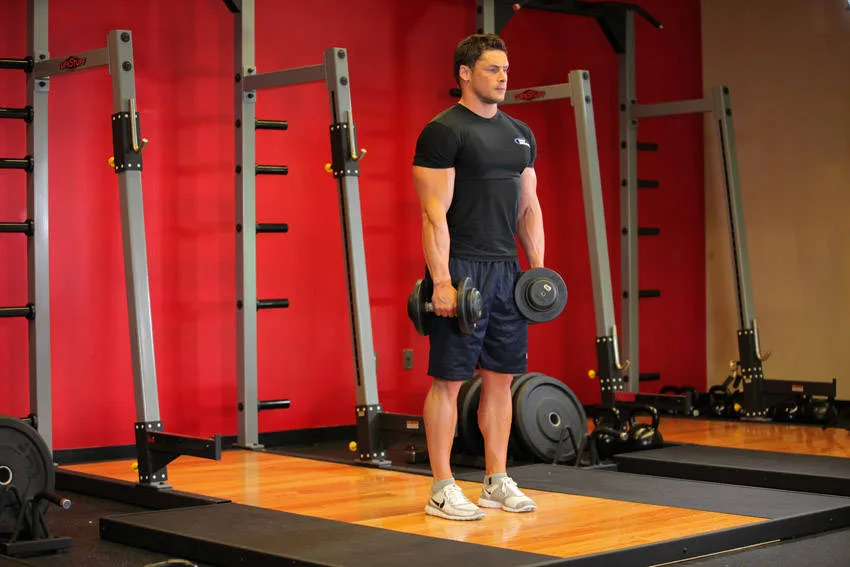
Image source: Web (Bing) / rep-stack.com (Web image (fair-use with source credit))
How to Perform Dumbbell Floor Pull Deadlifts
- Setup: Stand with your feet hip-width apart. Place a dumbbell on the outside of each foot on the floor.
- Grip: Hinge at your hips and bend your knees to reach down and grip the dumbbells. Ensure your shins are mostly vertical and your back is straight.
- Brace and Pull: Take a deep breath, brace your core firmly, and stand up by driving through your feet. Keep the dumbbells close to your body as you ascend.
- Controlled Descent: Lower the dumbbells back to the floor with control, initiating the movement by hinging at your hips before bending your knees.
Why Choose Dumbbell Deadlifts? Advantages & Benefits
There are several compelling reasons why you might opt for dumbbell deadlifts over their barbell counterpart. For many, especially those new to strength training or working with limited equipment, dumbbells offer a more accessible entry point. Our analysis of user feedback and training literature highlights that they can provide a unique stimulus, particularly for hamstring and glute development, thanks to the way the weight hangs.
This can also, for some individuals, translate to a reduced perceived stress on the lower back compared to heavier barbell lifts, provided form is impeccable. Furthermore, they engage a wider array of stabilizing muscles in the shoulders and upper back, contributing to overall functional strength.
- Accessibility: Dumbbells are commonly available in most gyms and home setups, making them a practical choice.
- Muscle Isolation: Dumbbell RDLs are particularly effective for isolating hamstrings and glutes.
- Varied Stimulus: The dumbbell's position by the sides challenges your core and grip differently.
- Potential for Reduced Spinal Load: When performed correctly, dumbbell RDLs can place less direct axial load on the spine.
- Enhanced Stabilizer Engagement: The act of controlling two free weights requires more work from smaller supporting muscles.
If you're considering how much weight to use, consulting guides on How Heavy Should Dumbbells Be for Seniors or general advice on How Heavy Should Dumbbells Be: Ultimate Guide for Safe Gains can provide valuable context.
Potential Downsides: What to Watch Out For
While dumbbell deadlifts are fantastic, they aren't without their limitations. The most significant constraint for many lifters is the sheer weight capacity. You'll often find you can't lift as much with dumbbells as you can with a barbell.
For individuals whose primary goal is maximal strength in the deadlift, a barbell generally offers a greater loading potential. Another common issue is grip strength failure; your hands might give out before your legs and back are fully taxed, which can be frustrating if you're aiming for a full-body strength stimulus.
The biomechanics are also slightly different, which isn't inherently negative but means the stimulus isn't identical to a barbell deadlift. This difference can sometimes lead to uneven loading if not performed with strict attention to form, potentially causing imbalances. It’s crucial to be mindful of these factors to get the most benefit and avoid potential pitfalls.
For instance, understanding the risks associated with other free weights, like Can Kettlebells Cause Injury: Risks and Safety Tips Uncovered, highlights the importance of proper technique with any resistance tool.
How to Do Dumbbell Deadlifts Safely and Effectively
Mastering the form for any deadlift variation is crucial for both effectiveness and injury prevention. When using dumbbells, the principles of a straight back, braced core, and controlled movement remain paramount. It's about creating tension through the entire posterior chain.
Think of it as a technical lift, where precision trumps brute force, especially as you start increasing the weight. Many find that focusing on the mind-muscle connection is key to unlocking the full benefits of these exercises.
Dumbbell RDL Form Breakdown
- Start Position: Stand with your feet hip-width apart, holding a dumbbell in each hand. Let the dumbbells hang in front of your thighs, palms facing your body.
- Initiate the Hinge: Keeping your back straight and a slight bend in your knees (don't lock them out), push your hips backward as if you're trying to close a door with your backside.
- Lower the Dumbbells: Allow the dumbbells to slide down the front of your shins, keeping them close to your legs. Lower yourself until you feel a strong stretch in your hamstrings, but before your lower back starts to round.
- Return to Start: Squeeze your glutes and drive your hips forward to return to a standing position. Maintain a straight back and engaged core throughout the movement.
Dumbbell Floor Pull Form Breakdown
- Setup: Stand with your feet hip-width apart. Place a dumbbell on the outside of each foot on the floor.
- Grip: Hinge at your hips and bend your knees to reach down and grip the dumbbells. Ensure your shins are mostly vertical and your back is straight.
- Brace and Pull: Take a deep breath, brace your core firmly, and stand up by driving through your feet. Keep the dumbbells close to your body as you ascend.
- Controlled Descent: Lower the dumbbells back to the floor with control, initiating the movement by hinging at your hips before bending your knees.
Who Are Dumbbell Deadlifts Best For?
Dumbbell deadlifts, in their various forms, are incredibly versatile and suit a wide range of individuals. Beginners often find the dumbbell Romanian deadlift (RDL) to be a more approachable way to learn the hip hinge pattern. It allows them to feel the stretch in their hamstrings without the immediate pressure of a heavy barbell.
Athletes looking to supplement their primary barbell deadlifts can use dumbbell variations to build specific muscle groups or increase their overall training volume. For those who train at home with limited equipment, dumbbells are a clear winner for incorporating powerful lower body movements into their routine. Anyone aiming to improve hamstring and glute strength, enhance grip endurance, or add variety to their leg workouts will benefit.
If you're curious about pairing leg exercises, looking at Best Muscle Group Combinations to Workout Together: Ultimate Pairs! can offer additional programming ideas.
Common Mistakes to Avoid When Deadlifting With Dumbbells
The most critical mistake anyone can make with dumbbell deadlifts, or any deadlift variation, is rounding the lower back. This puts undue stress on the spinal erectors and intervertebral discs, dramatically increasing the risk of injury. Another common error is not controlling the eccentric (lowering) portion of the lift; letting the weights drop can lead to muscle strains or a loss of form.
Some people also fail to engage their core properly, which compromises spinal stability.
Here are a few key mistakes to watch out for:
- Back Rounding: This is the number one no-no. Always maintain a neutral spine.
- Hyperextending the Back: Don't lean back excessively at the top of the movement. Stand tall and engage your glutes.
- Jerking the Weight: Deadlifts should be controlled, not explosive pulls.
- Not Controlling the Descent: Let gravity do some work, but guide the weight down.
- Limited Range of Motion: Ensure you're getting a proper stretch at the bottom without sacrificing form.
- Grip Failure: If your grip is the limiting factor, consider using grip aids or working on specific grip strength exercises.
FAQs About Dumbbell Deadlifts
Do dumbbell deadlifts work my hamstrings as well as barbell deadlifts?
Yes, dumbbell deadlifts, particularly the Romanian deadlift variation, are excellent for targeting hamstrings. While barbell deadlifts engage the hamstrings, dumbbell RDLs often allow for a deeper stretch and a more focused stimulus on this muscle group due to how the weight hangs.
How much weight should I use for dumbbell deadlifts?
You should use a weight that allows you to perform 8-12 repetitions with good form. If you can easily complete more than 12 reps with perfect technique, the weight is likely too light. If you struggle to reach 8 reps with good form, it's too heavy.
Always prioritize form over the amount of weight lifted. For guidance on weight selection, resources like How Heavy Should Dumbbells Be: Ultimate Guide for Safe Gains can offer more detailed advice.
Can I do dumbbell deadlifts if I have a sensitive lower back?
Dumbbell Romanian deadlifts can be a gentler option for some individuals with lower back sensitivity, as they emphasize the hip hinge and hamstring stretch. However, it's crucial to have perfect form and start with very light weights. If you have a history of back issues, consulting a healthcare professional or a qualified physical therapist is always recommended before starting any new exercise program.
Is it okay to use kettlebells instead of dumbbells for deadlifts?
Yes, kettlebells can be used for deadlifts, offering a similar but distinct stimulus. Kettlebell deadlifts often involve a different grip and biomechanical setup. For a direct comparison, see Are Kettlebells Better Than Dumbbells: Ultimate Fitness Showdown.
Ultimately, both are effective tools for building strength.

