
So, you're wondering if you really need special shoes for deadlifts? It's a question a lot of lifters grapple with, especially when they're starting to get serious about their training. Honestly, the answer isn't a simple yes or no.
It really depends on a few things about your lifting style and what you're trying to achieve.

Today's Exclusive Deals
Limited-time Exclusive Deals. Check current discount on Amazon.
Check Price on Amazon As an Amazon Associate I earn from qualifying purchases.Think of it like this: you wouldn't use a hammer to screw in a lightbulb, right? Different tools for different jobs. Shoes can be a tool for deadlifts, but they're not always the only or even the best tool for everyone.
We'll walk through the options and help you decide if they're worth it for you.
Do You Need Deadlift Shoes?
You don't strictly need deadlift shoes to perform the deadlift exercise. Many lifters successfully deadlift in flat-soled sneakers or even barefoot. However, specialized deadlift or lifting shoes can offer enhanced stability and grip, potentially improving performance for some individuals.
What's the Big Deal with Deadlift Shoes Anyway?
The main idea behind specific deadlift shoes, or lifting shoes in general, is to provide a stable, non-compressible base for your feet. Unlike your everyday trainers or running shoes, which are designed to absorb shock and flex, lifting shoes are built to keep your feet planted firmly on the ground. This stability is crucial for maximizing your force output when pulling a heavy weight.
Manufacturer specifications often highlight their rigid soles and minimal cushioning for this purpose.

Here's a quick rundown of what they offer:
- Minimal Cushioning: They have very little or no cushioning. This means the force you generate goes straight into the ground, not into squishy foam.
- Flat, Hard Soles: The soles are typically flat and rigid, providing a solid platform.
- Elevated Heel (Sometimes): Some lifting shoes, particularly Olympic weightlifting shoes, have an elevated heel. While this is more common for squats, a slight heel can help some people achieve better depth and posture, which can indirectly benefit the deadlift.
Your Footwear Options for Deadlifts
When you're deadlifting, you've got a few main choices for what to wear on your feet. Each has its own pros and cons.
Barefoot or Minimalist Socks
This is where a lot of people start, and honestly, it’s a perfectly valid way to deadlift, especially when you're learning to master your form. Going barefoot or wearing just socks offers the most natural connection to the ground. You get direct feedback from the floor, which can help you refine your balance and power transfer.
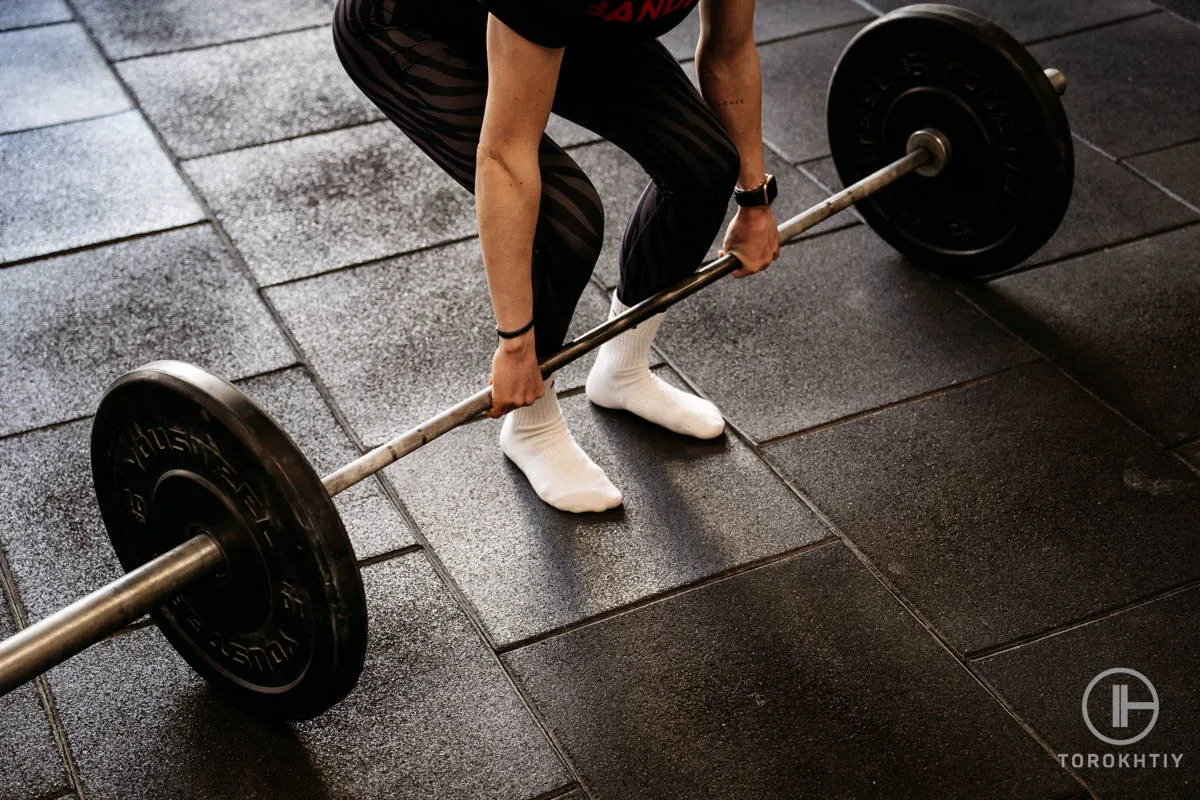
The primary benefit here is cost, it’s free! You also develop a very strong sense of proprioception, understanding exactly how your feet are interacting with the surface. However, it's not always practical or safe.
Gym floors can sometimes be a bit slippery, and your feet can get dirty or injured on rougher surfaces. This option is excellent for those on a tight budget or who prioritize a purely natural feel.
Flat-Soled Athletic Shoes
Think Converse Chuck Taylors, Vans, or some cross-training shoes. These are often a step up from running shoes because they have less cushioning. The flatter, firmer sole provides more stability than the squishy midsoles of most running shoes, which are designed for shock absorption, not for generating maximum force into the floor.
These shoes are widely available and generally more affordable than specialty lifting footwear. They offer a good compromise: more stability than a typical athletic trainer without the expense of dedicated lifting gear. They’re a solid choice for intermediate lifters or those looking for a more budget-friendly stable option than specialty shoes.
You get a decent platform that won’t significantly impede your pull.
Specialty Lifting Shoes
These are designed specifically for lifting, with features like hard, flat soles and sometimes a raised heel. The primary goal is to provide an ultra-stable, non-compressible platform. Their rigid construction means that when you push into the floor, that force goes directly into lifting the weight, rather than being absorbed by soft shoe materials.
Manufacturer specifications often confirm that these shoes feature minimal heel-to-toe drop and dense, durable soles. For serious lifters aiming to maximize their strength potential, these shoes can be a significant advantage by providing a consistent and secure base. As of 2026, the market offers a range of styles, though the defining characteristic remains their focus on stability.
Comparing Your Deadlift Footwear Choices
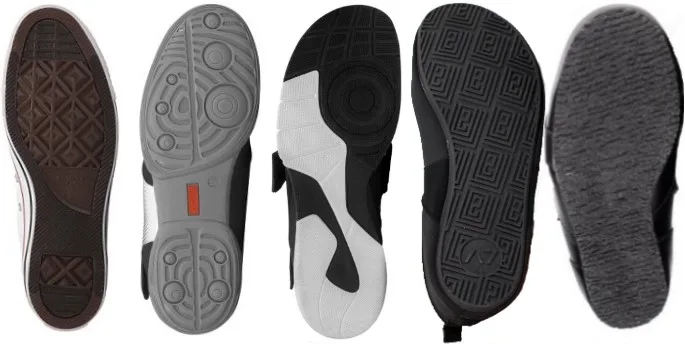
To really figure out if you need dedicated deadlift shoes, it helps to see what each option brings to the table. We’ve seen the basic types; now let’s dive into what makes them tick and who they serve best.
Benefits of Dedicated Deadlift Shoes
The core advantage of dedicated lifting shoes is unparalleled stability. Their soles are engineered to be as flat and incompressible as possible, minimizing any energy leak through the footwear. This allows you to drive your feet into the floor with maximum force, which can translate to heavier lifts.
Aggregated user reviews often report a noticeable difference in stability, especially when lifting maximal weights.
These shoes also typically offer superior grip. The rubber compounds used are designed to adhere to gym flooring, preventing your feet from sliding during the pull. This enhanced traction is crucial, especially if your gym has slicker surfaces or if you tend to have a very aggressive drive off the floor.
For competitive powerlifters, specialized footwear can provide that extra bit of confidence and performance.
Drawbacks of Dedicated Deadlift Shoes
The most significant drawback for many is the cost. Specialty lifting shoes can be considerably more expensive than everyday athletic shoes or even some flat-soled alternatives. This makes them a less accessible option for beginners or those on a strict budget.
You might pay upwards of $100 to $200 for a high-quality pair, depending on the brand and features.
Another consideration is that they might feel different, and perhaps less comfortable for everyday wear or during the walking or resting periods between sets compared to more casual shoes. Also, not all lifting shoes are created equal for deadlifts. Some, particularly Olympic weightlifting shoes, feature a pronounced heel lift.
While great for squats, this raised heel can sometimes put the deadlifter in a less optimal starting position, requiring an adjustment period or leading some to prefer truly flat-soled options like Chuck Taylors or dedicated deadlift slippers.
When Might You Actually Need Deadlift Shoes?
Okay, so when does investing in a pair of dedicated deadlift shoes start to make sense? It's not about following a trend; it's about finding what enhances your training.
- You've Hit a Plateau: If you've been training for a while, have solid deadlift form, and you consistently feel like your feet are slipping or your current shoes are limiting your ability to drive into the floor, it might be time to explore specialized footwear. This feeling of limitation is a key indicator that your current setup might be holding you back.
- You Compete in Strength Sports: In powerlifting or weightlifting federations, specific shoe requirements might exist, or you might simply want the competitive edge that stable, purpose-built footwear can provide. Ensuring you're competition-ready often involves having gear that meets standards and maximizes your potential within those rules.
- You Prioritize Maximum Stability: If your absolute priority is to have the most stable base possible to generate maximum force on every single rep, then specialty shoes are designed for this exact purpose. They minimize any give or compression in your footwear, ensuring every ounce of effort transfers directly into the lift.
- You Lift on Less-Than-Ideal Surfaces: If your gym floor is a bit slick, or you sometimes deadlift on surfaces that aren't perfectly grippy, dedicated lifting shoes can offer superior traction and a secure footing. This is especially relevant if you’re not in a controlled gym environment.
Mistakes to Avoid When Choosing Deadlift Footwear
Choosing the wrong footwear for your deadlifts can actually hinder your progress or even lead to minor setbacks. It’s easy to get caught up in marketing or assuming one type of shoe fits all needs.
- Buying Running Shoes: This is probably the most common mistake. Running shoes are designed for cushioning and shock absorption, which is the opposite of what you want for a stable deadlift. That squishy sole will absorb force and make you feel unstable. Research from biomechanics labs consistently shows a reduction in force transfer with cushioned footwear during maximal lifts.
- Over-relying on Heel Lift: While a slight heel lift in weightlifting shoes can benefit squats, it's often not ideal for deadlifts. A pronounced heel can force your hips too high at the start, altering your natural pull mechanics. Stick to shoes with minimal or no heel-to-toe drop for deadlifts.
- Ignoring Your Current Footwear: Before buying anything new, assess what you’re already wearing. Are your current sneakers just old and worn out? Sometimes, a simple flat-soled shoe like a Converse or Vans can be a massive upgrade if you're coming from plush athletic shoes. You can even try deadlifting in just socks on a clean, grippy surface to feel the difference stability makes.
- Assuming "Lifting Shoes" are All the Same: There are Olympic weightlifting shoes (often with heel lift) and powerlifting shoes (typically flat). Make sure you're looking at a shoe designed for flat-stance stability, or one that offers minimal heel elevation if that’s your preference.
Final Verdict: Do YOU Need Deadlift Shoes?
Ultimately, whether you need deadlift shoes comes down to your individual circumstances, training goals, and preferences. For many beginners, excellent form and flat-soled shoes or even going barefoot are perfectly sufficient. The key is to have a stable, non-slip base that allows you to engage your entire body effectively.
If your current shoes offer that, no upgrade is strictly necessary.
If you're finding your current footwear is a limiting factor, or if you're a more advanced lifter seeking every possible advantage in stability and force transfer, then investing in specialized lifting shoes could be a worthwhile upgrade. Consider your budget, your training environment, and the specific feedback you get from your body and your lifts. Don't just buy them because someone else has them; buy them because they solve a problem or enhance your performance in a tangible way.
Frequently Asked Questions About Deadlift Shoes
How much do deadlift shoes typically cost?
Prices for dedicated deadlift or flat-soled lifting shoes generally range from $70 to $150, with some premium models potentially costing upwards of $200. This varies based on brand, materials, and specific design features.
Can I wear Olympic weightlifting shoes for deadlifts?
Yes, you can, but it’s not always ideal. Olympic weightlifting shoes often have a raised heel which is great for squats but can alter your starting position for deadlifts, potentially making it harder to achieve optimal hip height and back angle. Many prefer truly flat-soled shoes for deadlifts.
Is it better to deadlift barefoot or in shoes?
Both have advantages. Barefoot offers maximum ground feel and stability without any shoe interference, but can be impractical or unsafe in some environments. Shoes, especially flat-soled ones, provide protection and consistent grip on various surfaces.
How do I know if my current shoes are bad for deadlifts?
If your current shoes feel squishy, have thick or worn-out soles, allow your feet to slide during the lift, or make you feel unstable, they are likely not ideal for deadlifts. You should feel firmly planted on the ground.
Will deadlift shoes make me stronger?
Deadlift shoes can contribute to strength gains by providing a more stable platform, allowing for better force transfer and potentially improving technique. However, they are a tool to enhance performance, not a substitute for proper training, programming, and nutrition.

