
So, you're hitting the deadlifts hard and wondering if it's time to add a weightlifting belt to your arsenal. It's a common question, and the answer isn't a simple yes or no. Whether a belt is right for you depends a lot on your lifting experience, your specific goals, and how your body feels.
Think of a belt as a specialized tool. When used correctly, it can be incredibly beneficial for supporting your core and allowing you to push heavier weights. However, for some, it might mask underlying issues or even hinder natural strength development.

Today's Exclusive Deals
Limited-time Exclusive Deals. Check current discount on Amazon.
Check Price on Amazon As an Amazon Associate I earn from qualifying purchases.Manufacturer specifications for high-quality belts, like those from brands focusing on powerlifting gear, often highlight their role in creating intra-abdominal pressure.
Should You Wear a Weightlifting Belt for Deadlifts?
For deadlifts, a weightlifting belt is typically recommended for advanced lifters focused on lifting maximal weights. Its primary function is to help brace the core, creating intra-abdominal pressure that supports the spine and allows for greater force production. Beginners should generally avoid belts until their form is solid.
When Does a Weightlifting Belt Make Sense for Deadlifts?
The decision to use a weightlifting belt for deadlifts hinges on a few key factors, primarily your training experience and your specific goals. It’s not a one-size-fits-all solution, and frankly, if you’re just starting out, it’s probably not for you.
- For Novices: If you've been deadlifting for less than six months consistently, your priority should be mastering proper form. A belt can mask technique flaws, which can lead to injuries down the line. Focus on bodyweight or light weights and perfect your movement patterns first.
- For Intermediate to Advanced Lifters: Once you’re lifting weights that challenge your core significantly, usually above 200-250 lbs, and your form is locked in, a belt can become a valuable training tool. It's most beneficial when pushing for personal records or working with very heavy, low-rep sets.
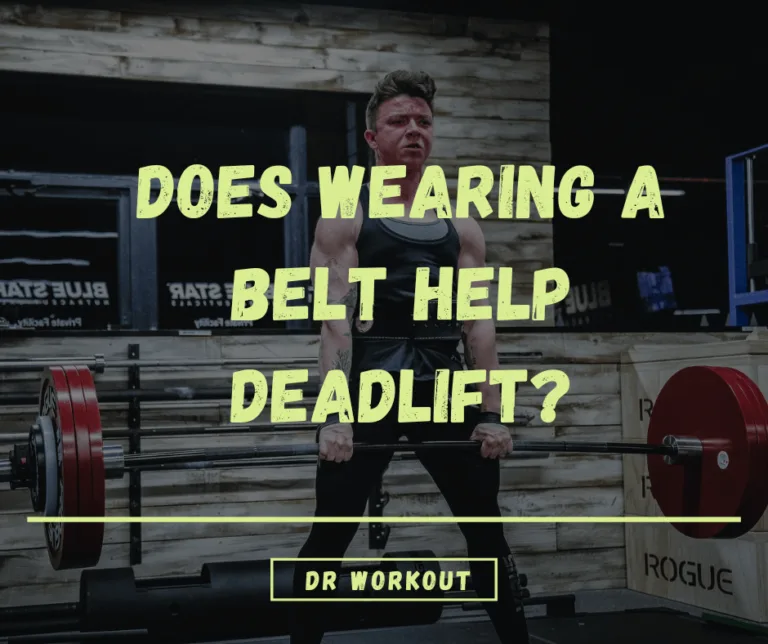
Image source: Web (Bing) / drworkout.fitness (Web image (fair-use with source credit))
Essentially, if your deadlifts are getting serious, and you’re looking to lift heavier while maintaining spine integrity, then it’s time to consider a belt. If you’re still learning the ropes, stick to the basics and build that foundational core strength without external aid.
Are You New to Deadlifts? Focus on Form First.
If you're relatively new to deadlifts, say within your first six months of consistent training, the answer is almost certainly no, you shouldn't be wearing a weightlifting belt. Your primary focus needs to be on developing impeccable form and building your natural core strength. A belt at this stage is often counterproductive; it’s like wearing a brace before you’ve even learned to walk properly.
- Master the Basics: Before even thinking about a belt, ensure you can perform deadlifts with perfect technique using just your body weight or light resistance. This means keeping your chest up, shoulders back, and maintaining a neutral spine throughout the lift.
- Build Your Foundation: Consistent practice with lighter weights allows your core muscles, your abdominals, obliques, and lower back, to develop the strength and endurance needed to support heavier loads naturally. This foundational strength is crucial for long-term progress and injury prevention.
- Avoid Masking Flaws: Using a belt too early can create a false sense of security. It can allow you to lift more weight than your body is truly prepared for, masking weaknesses in your core and potentially ingraining bad habits that are hard to break later.
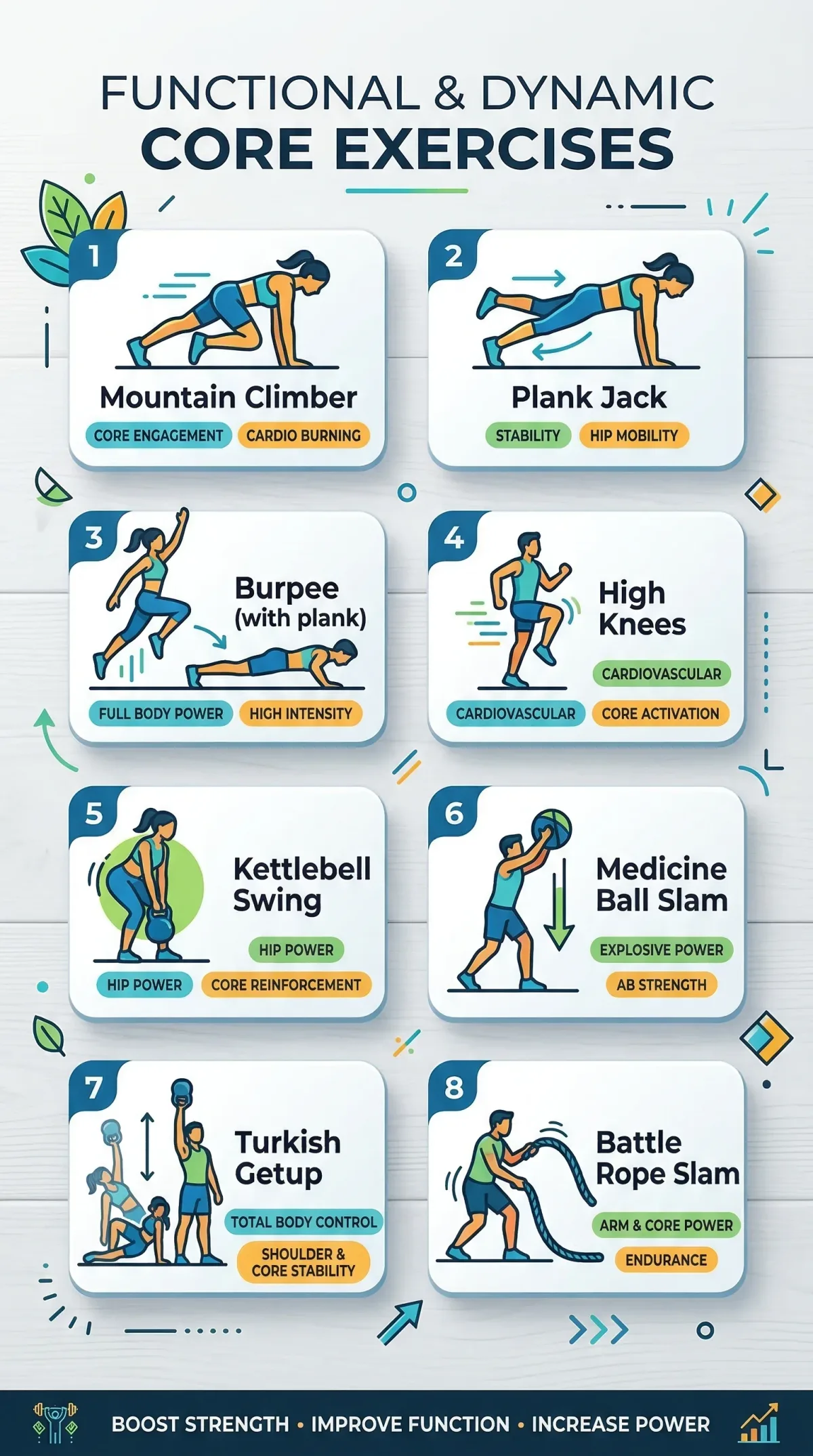
Image source: Web (Bing) / weightletics.com (Web image (fair-use with source credit))
Research, like that often cited by university extension programs focusing on athletic development, emphasizes that a strong, naturally developed core is paramount for preventing injuries in compound lifts. Focus on learning to brace effectively by taking a deep diaphragmatic breath and expanding your abdomen against your spine, a skill that gets honed without a belt in the early stages. If you're looking to build this strength, exploring how to deadlift with dumbbells could be a good starting point.
Lifting Heavier: When a Belt Becomes a Tool
Once you’ve established a solid deadlift technique and your training has progressed to heavier weights, a weightlifting belt can transition from being unnecessary to being a highly beneficial tool. It’s not about ego lifting; it’s about safely pushing your physical limits and achieving new strength milestones. This is where the belt truly earns its place in your gym bag.
Consider this: when you lift very heavy weights, your body needs to create immense stability. A properly used weightlifting belt aids this by allowing you to generate greater intra-abdominal pressure. This increased pressure acts like an internal corset, stabilizing your spine and torso.
Manufacturer specifications for belts designed for competitive lifting, often around 4 inches wide and made of thick leather, highlight their role in supporting maximal efforts.
This added stability can mean the difference between successfully completing a challenging lift or faltering. It helps maintain a more rigid torso, which is critical for transferring force efficiently from your legs and hips through your back. If you’re aiming to increase your personal records (PRs) or compete in strength sports, incorporating belt use for your heaviest working sets becomes a strategic decision.
It’s a tool that, when understood and applied correctly, supports performance and safety under extreme loads.
The Benefits of Using a Belt for Deadlifts
When you start using a weightlifting belt for your deadlifts correctly, it unlocks several key advantages that can significantly impact your training. The most prominent benefit is enhanced spinal and core support, which is crucial for handling heavy loads. By creating and resisting intra-abdominal pressure, the belt acts as an external brace, helping to stabilize your entire trunk.
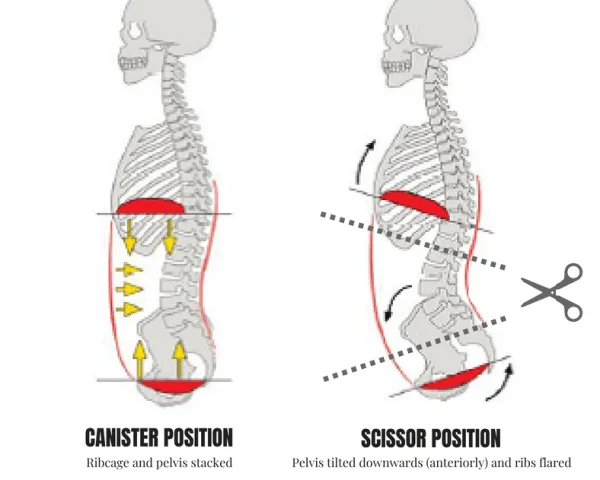
Image source: Bing (Web (fair-use with source credit))
Here’s a breakdown of the main advantages:
- Increased Intra-Abdominal Pressure (IAP): When you inhale deeply and brace against the belt, you increase the pressure within your abdomen. This pressure pushes outwards on your spine, helping to keep it in a more neutral and stable position. This is crucial for preventing excessive flexion or extension under load.
- Enhanced Spinal Stability: The added IAP provides a more rigid torso, which reduces unwanted movement in your lumbar spine. This increased stability can help protect your back from strain or injury when performing maximal or near-maximal lifts.
- Potential for Heavier Lifts: With greater core stability and spinal support, many lifters find they can lift more weight than they could without a belt. This can be instrumental in breaking through strength plateaus and achieving new personal records (PRs). If you’re curious about how heavy weights can help, understanding how heavy dumbbells should be for safe gains can offer context.
- Improved Force Transfer: A stable core allows for more efficient transfer of force from your lower body through your upper body during the deadlift. This means more of the power you generate is directed into moving the weight, rather than being lost to core instability.
- Greater Perceived Safety: For many, the feeling of being braced and supported by a belt when lifting heavy weight contributes to a greater sense of confidence and safety, allowing them to focus more intensely on the lift itself.
As of 2026, research in biomechanics continues to explore the precise magnitude and impact of these benefits, but the consensus in the strength training community is that a well-used belt is a valuable aid for serious lifters.
Downsides: When a Belt Can Hurt Your Progress
While a weightlifting belt offers significant advantages for heavy deadlifts, it's not without its potential drawbacks. If misused or relied upon too heavily, it can actually hinder your progress and even contribute to weaknesses. Understanding these downsides is just as important as knowing the benefits.
- Masking Core Weakness: The most significant downside is that a belt can allow you to lift heavier weights than your natural core strength can handle. This can prevent your core muscles (abdominals, obliques, lower back) from developing the strength and endurance they need. It’s like using a crutch to walk longer distances without letting your injured leg heal and strengthen itself. This is particularly true for lifters who are still developing their foundational strength, perhaps those looking at guides on how heavy should dumbbells be for seniors or general strength progression.
- Inhibiting Natural Bracing: Over-reliance on a belt might lead to a reduced conscious effort to brace your core effectively without it. Your body might become accustomed to the external support, diminishing your natural ability to create intra-abdominal pressure when the belt isn't worn. This can be problematic for lifts where a belt isn't used, or for everyday functional movements.
- Encouraging Bad Habits: If your deadlift form has underlying issues, like a rounded back or hips shooting up too fast, a belt might allow you to lift more weight despite those flaws. Instead of correcting the problem, the belt can reinforce the bad habit by enabling heavier lifts, potentially leading to injury when the belt is removed or during less controlled movements. Focusing on mastering Romanian deadlift form can help build the posterior chain strength that supports good deadlift mechanics.
- Discomfort and Improper Fit: A belt that is too tight, too loose, the wrong shape, or made of inflexible material can simply be uncomfortable and distracting. This discomfort can negatively impact your focus and form during the lift, turning a potential aid into a hindrance.
It’s crucial to remember that a belt is a tool to enhance your lifting, not a shortcut to bypass the hard work of building genuine core strength and solid technique. If your goal is long-term, sustainable strength, don't let the belt become a crutch.

