
An inversion table uses gravity to gently stretch the spine and relieve pressure in minutes.
As a clinician and product tester, I will explain What is an inversion table and how does it work, what it can realistically do for back health, and how to use one safely. I combine clinical experience, user testing, and clear science to give practical tips you can apply today.

Today's Exclusive Deals
Limited-time Exclusive Deals. Check current discount on Amazon.
Check Price on Amazon As an Amazon Associate I earn from qualifying purchases.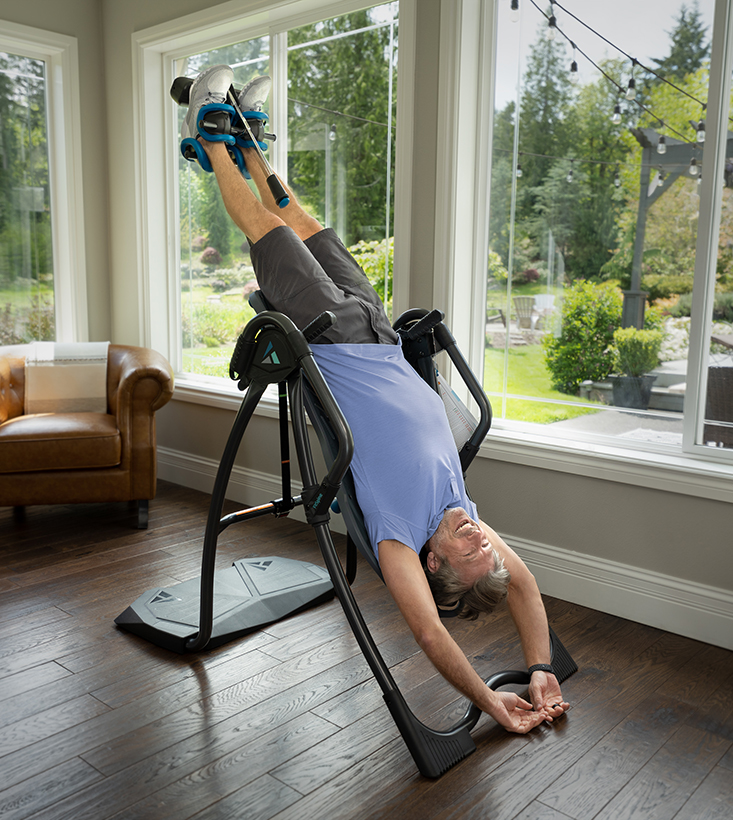
What is an inversion table?
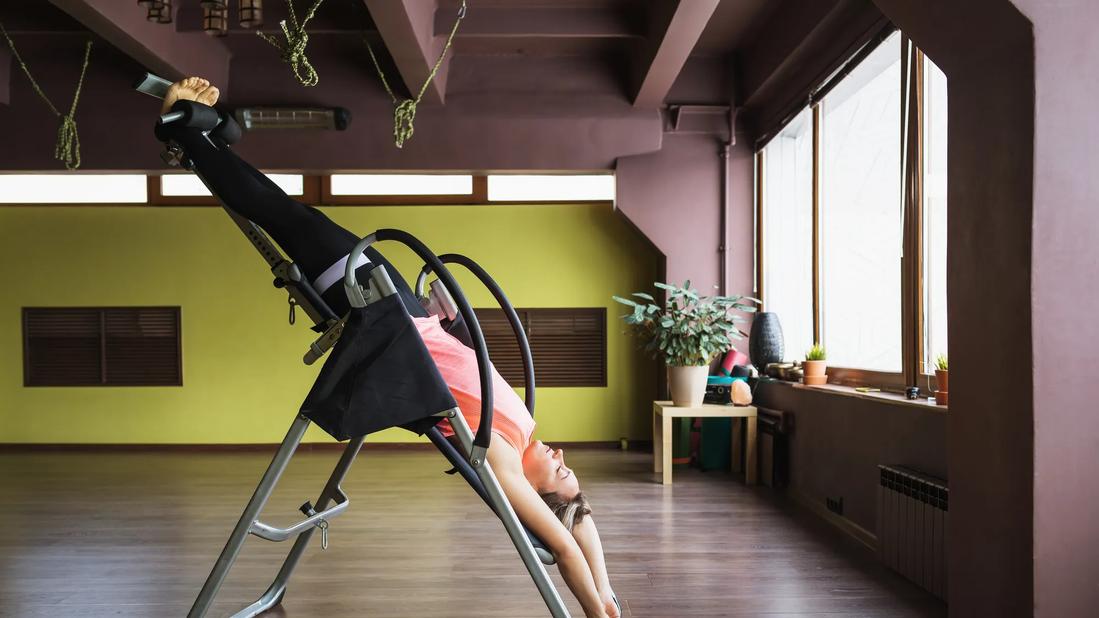
An inversion table is a device that allows you to hang upside down or at an angle while secured at the ankles. It turns your body so gravity creates traction along the spine. People use inversion tables to relieve back pain, reduce spinal compression, and improve mobility in a low-effort way. What is an inversion table and how does it work is simple: it uses body weight and gravity to stretch and unload the spine.
:max_bytes(150000):strip_icc()/Inversion-tables-b3f71004c87749678e3bc20fc838f99b.jpg)
Today's Exclusive Deals
Limited-time Exclusive Deals. Check current discount on Amazon.
Check Price on Amazon As an Amazon Associate I earn from qualifying purchases.How inversion tables work: the mechanics and physiology
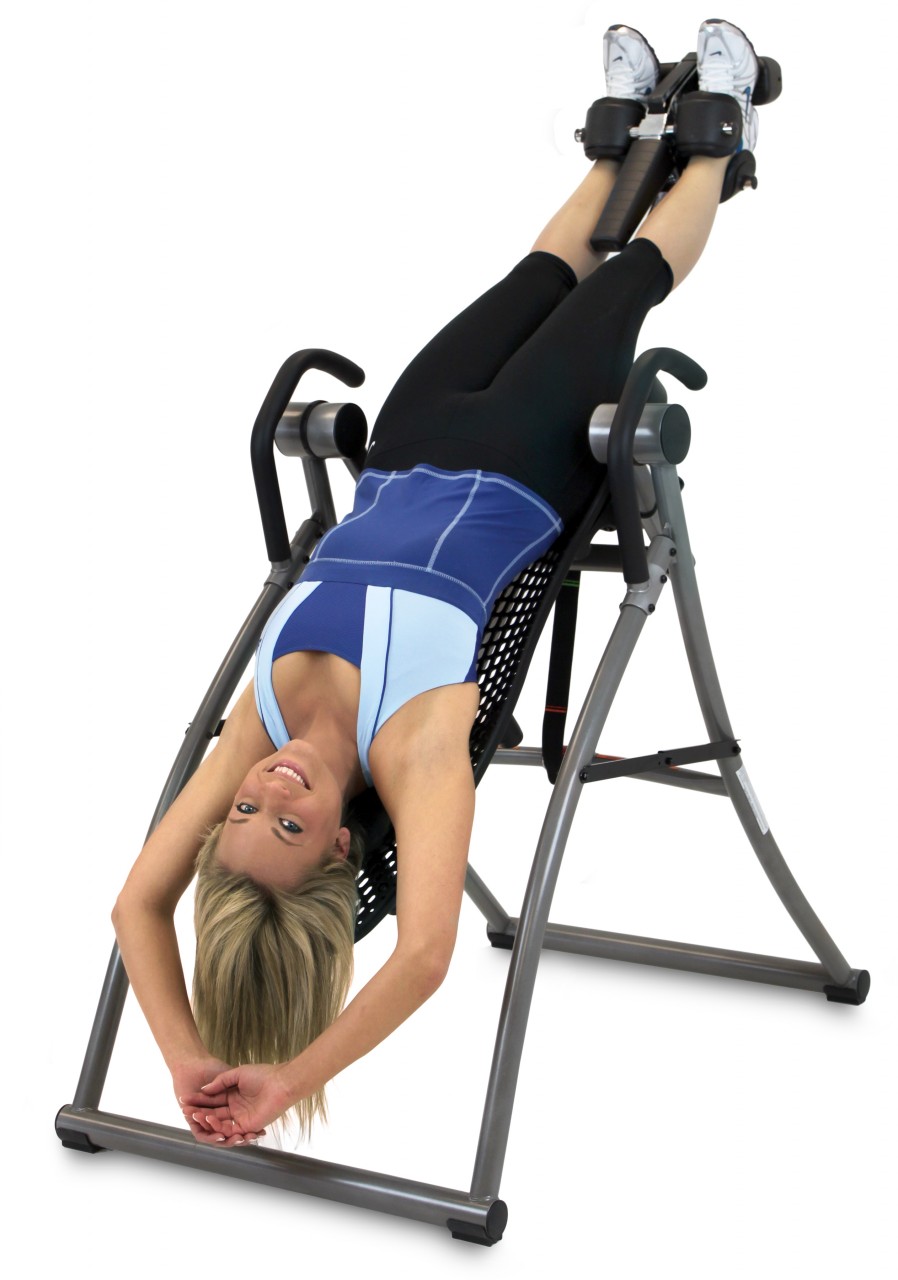
An inversion table creates spinal traction by changing the direction of gravity relative to the body. Traction gently separates vertebrae, which may reduce pressure on discs and nerve roots. Muscles around the spine also relax, which can ease tightness and improve range of motion. What is an inversion table and how does it work on a short physiological level is through decompression, reduced intradiscal pressure, and improved segmental motion.
How traction affects nerves and discs
- Reduced pressure on a compressed nerve can relieve pain and numbness.
- Short-term increases in disc space can reduce pinching and pressure.
- Effects are usually temporary and work best as part of a broader plan.
Common quick questions about how it works
Does inversion therapy actually reduce back pain?
Short-term studies and user reports show it can reduce lower back pain for some people. The benefit often lasts hours to days and is best combined with exercise and posture work.
Today's Exclusive Deals
Limited-time Exclusive Deals. Check current discount on Amazon.
Check Price on Amazon As an Amazon Associate I earn from qualifying purchases.How long should I stay inverted?
Begin with 30 seconds to 2 minutes per session and work up slowly. Most users stay inverted 1 to 5 minutes once adapted.
Is full inversion necessary for results?
No. Many people get benefits from partial inversion at 20–60 degrees. Partial angles reduce risks while still creating traction.
Benefits and what evidence says
Many users find immediate relief after short inversion sessions. Benefits reported include:
- Temporary reduction in lower back pain and pressure.
- Decreased muscle tension and improved flexibility.
- Easier spinal mobilization before exercise or physical therapy.
- A noninvasive alternative to other home therapies.
Clinical evidence is mixed but promising. Controlled trials show modest, short-term pain relief for some patients. Long-term benefits are less proven, so use an inversion table as one tool in a wider plan. What is an inversion table and how does it work for symptoms often depends on cause, duration, and accompanying care.
Risks, contraindications, and safety precautions
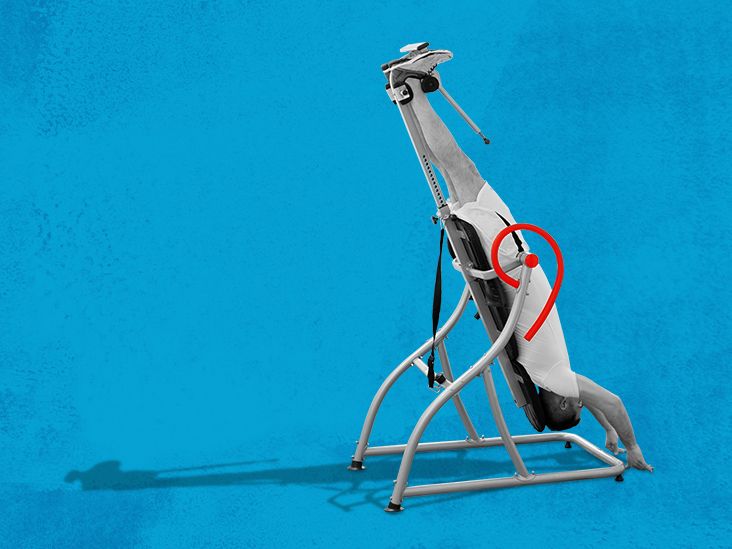
Inversion changes blood flow and pressure. That creates risks for some people. Avoid inversion if you have:
- High blood pressure or heart disease
- Glaucoma or retinal issues
- Recent stroke or brain aneurysm
- Pregnancy or advanced osteoporosis
- Severe obesity beyond the table rating
Safety tips
- Talk to your doctor before trying an inversion table if you have medical conditions.
- Start with mild angles and short time periods.
- Use ankle supports, straps, and a spotter until you feel confident.
- Monitor how you feel and stop if you get dizziness, severe pain, or vision changes.
What is an inversion table and how does it work safely comes down to slow progression and medical clearance when needed.

How to use an inversion table: setup and step-by-step
Using an inversion table safely requires correct setup and simple steps.
- Check weight and height limits on the table and assemble per instructions.
- Adjust the pivot point so your center of gravity feels balanced.
- Secure your ankles and test the lock while standing upright.
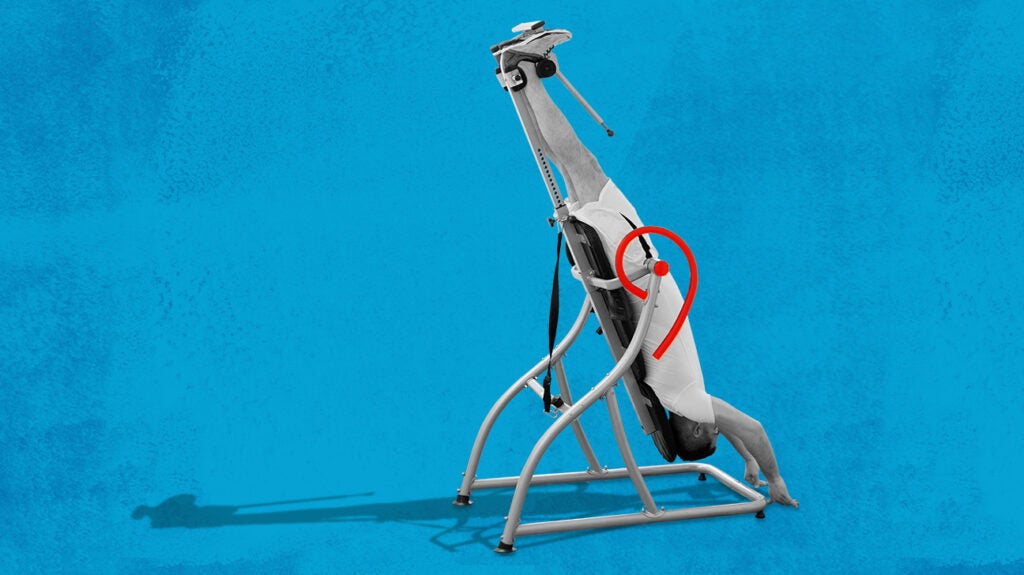
- Lean back slowly and use the strap to set a partial angle first.
- Breathe calmly, relax the neck and shoulders, and stay for 30–90 seconds on early sessions.
- Return to upright slowly and rest before moving.
Practical tips
- Do gentle core or glute exercises off the table to build supportive strength.
- Use inversion as a warm-up or recovery tool, not the sole treatment.
- Avoid holding your breath while inverted to prevent blood pressure spikes.
What is an inversion table and how does it work best comes from pairing short, controlled sessions with movement and strength work.
Choosing the right inversion table
Pick a table that fits your body and your goals. Look for:
- Solid steel frame and high weight capacity
- Easy ankle locking system with padding
- Adjustable pin or strap to control inversion angle
- Compact or folding design if space matters
- Clear instructions and a good warranty
Maintenance and checklist
- Inspect bolts and joints monthly.
- Lubricate moving parts if recommended.
- Keep the unit on a stable, level floor.
When selecting, think of use-case: occasional relief, daily recovery, or clinical rehab. What is an inversion table and how does it work for you depends on the model, build quality, and how you plan to use it.

Personal experience, lessons learned, and practical tips
I have used inversion tables in clinic and at home while testing models. Short sessions helped me feel less tense after long desk days. Key lessons:
- Always start at a low angle and short time.
- Measure how you feel the next day to judge benefit.
- Combine inversion with mobility work and core strengthening for lasting gains.
- Avoid overconfidence—full inversion is not necessary and can be risky.
One mistake I often saw was pushing time and angle too fast. Slow, steady progress gives better and safer results. What is an inversion table and how does it work for each person will vary, so track your responses and adapt.
Frequently Asked Questions
What conditions can an inversion table help with?
Inversion tables can help with mechanical lower back pain, mild sciatica, and tight spinal muscles. Effects are usually short-term and work best with exercise and posture correction.
How often should I use an inversion table?
Start with 2–3 short sessions per day, 30–90 seconds each, and adjust based on comfort. Many people use it daily as a short mobility or relief tool.
Can inversion tables cure herniated discs?
They cannot cure herniated discs. Inversion may reduce pressure and relieve symptoms temporarily, but it is not a replacement for medical treatment or surgery if needed.
Is it normal to feel lightheaded after inversion?
Some people feel lightheaded or slightly dizzy, especially when they return upright. Sit and breathe slowly after a session and reduce the angle if symptoms persist.
Do I need a doctor’s clearance before trying one?
Yes, get medical clearance if you have heart disease, high blood pressure, glaucoma, or other serious conditions. Clearance is also wise if you are over 60 or on blood-thinning medication.
Conclusion
What is an inversion table and how does it work boils down to a simple idea: controlled gravity traction to relieve spinal pressure and relax tight muscles. It can provide quick, short-term relief when used correctly and paired with exercise, posture work, and medical advice. If you want to try one, start gently, track your response, and consult a clinician where risks exist. Try a conservative trial, learn your limits, and share your results in the comments or subscribe for more practical guides.

