
Store a balance ball deflated or on a low stand in a cool, dry place away from sun.
I’ve worked with fitness gear for years and I know how simple storage can protect your gear and save money. This guide on how to store a balance ball when not in use covers safe spots, step-by-step methods, cleaning, common mistakes, and real tips from hands-on experience. Read on to learn practical, low-effort ways to keep your balance ball ready and long lasting.

Today's Exclusive Deals
Limited-time Exclusive Deals. Check current discount on Amazon.
Check Price on Amazon As an Amazon Associate I earn from qualifying purchases.
Why proper storage matters for your balance ball
Proper storage keeps the ball safe from sun, heat, sharp objects, and pets. If you learn how to store a balance ball when not in use, you reduce leaks, surface wear, and lost shape. Good storage also keeps the ball clean so you can use it right away for workouts, desk sitting, or rehab.
My experience: I once left a ball near a window and it lost firmness in weeks. After switching to a shaded shelf, the same model lasted years. These small choices matter for durability and value.
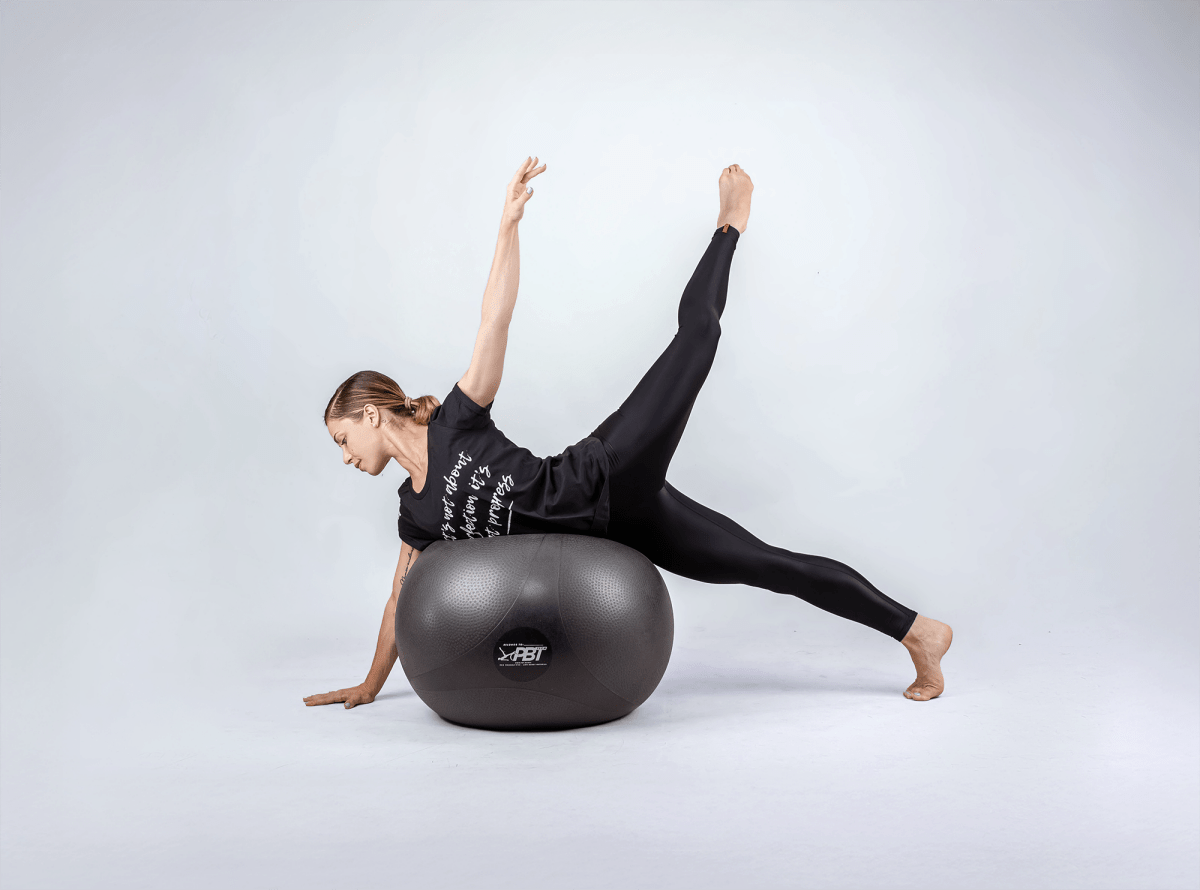
Best storage methods for different spaces
Different homes need different methods. Choose one that fits your space and routine. Below are reliable options to store a balance ball when not in use.
- Low-profile stand or rack
- Use a stable ring stand or cradle that keeps the ball off the floor. This prevents rolling and keeps it away from pets and dust.
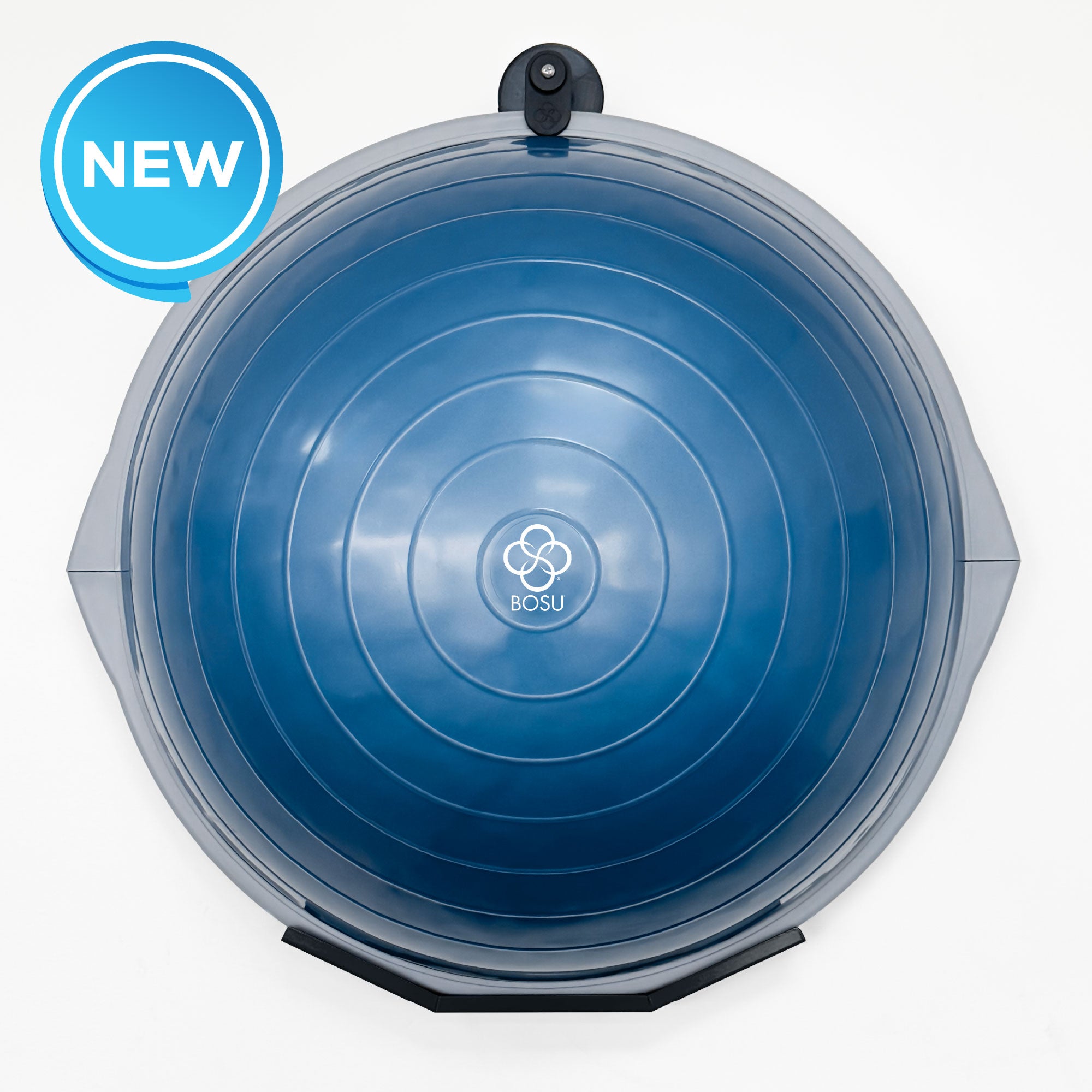
- Deflated and stored in a bag
- Partially or fully deflate the ball and tuck it into a breathable bag. This method saves space and reduces puncture risk.
- Wall-mounted sling or hook
- A wide fabric sling or looped strap on a wall hook keeps the ball visible and handy. Keep it away from sharp corners.
- Under-furniture storage
- Slide the ball under a bed or couch if the clearance is enough. Make sure edges are soft and the area is clean.
- Closet shelf or cubby
- Place the ball on a soft shelf or in a cubby with padding. Avoid pressing the ball under heavy items.
Each option works. Pick the one that fits how often you use the ball and how much space you have.

Step-by-step: How to store a balance ball when not in use
Follow these clear steps. They focus on safety, space, and long-term care.
- Clean the ball
- Wipe with mild soap and water. Dry fully with a soft towel. Clean seams and the valve area.
- Inspect for damage
- Check for nicks, thin spots, or slow leaks. Patch small holes now to avoid bigger damage later.
- Choose storage method
- Pick a stand, sling, bag, or shelf based on your space and use.
- Partially deflate if needed
- For tight spaces, release some air. Keep shape but reduce pressure to avoid stress on seams.
- Keep away from sunlight and heat
- Store in a cool, dry place. Direct sun and heaters degrade the material.
- Check monthly
1. Give it a quick squeeze and rinse every month. Re-inflate if firmness drops.
These steps simplify how to store a balance ball when not in use and help prevent common problems. Short checks keep the ball ready.

Maintenance and care while stored
Storing is not the end. A little care extends life.
- Clean before storage and after heavy use to avoid sweat damage.
- Avoid sharp tools, pet claws, and rough floors.
- Rotate the ball on its stand every few weeks to prevent flat spots.
- Keep the inflation level moderate. Over-inflation stresses seams.
- Patch holes promptly with repair kits designed for PVC or rubber fitness gear.
From my tests, monthly inspections catch small leaks early. A good patch can add years of use.

Common mistakes to avoid
Many people make simple errors that shorten a ball’s life. Watch for these.
- Leaving the ball in sun or near a heater. Heat weakens the material quickly.
- Storing on rough concrete or sharp-edged furniture. These cause abrasions.
- Over-inflating for a firmer feel. This puts pressure on seams and speeds failure.
- Letting pets play unsupervised. Teeth and claws make holes.
- Forgetting to clean before storage. Sweat and dirt degrade the surface.
Avoiding these keeps your ball reliable and safe for workouts and sitting.
Frequently Asked Questions of How to store a balance ball when not in use
How long can I leave a balance ball inflated when not in use?
You can leave it inflated for months, but check it monthly. Temperature swings may change pressure, so top it up when it feels soft.
Can I store a balance ball in my garage?
Yes, if the garage stays dry and shaded. Avoid direct sun, extreme heat, and sharp tools stored nearby. A sealed bag adds protection.
Should I fully deflate a balance ball for storage?
Fully deflating is not necessary and can stress seams if done often. Partial deflation is fine for tight spaces and long-term storage.
Will cold weather damage the ball?
Cold can make the material firmer and slightly less elastic. Keep the ball inside at room temperature when possible to avoid brittleness.
How do I prevent my ball from rolling around the house?
Use a low stand, wall sling, or a storage bin with padding. These keep the ball stable and out of the way.
Conclusion
Storing a balance ball the right way is quick and low cost. Clean it, inspect it, pick a cool shaded spot or a stand, and check monthly. These small steps keep the ball safe and ready for use. Try one storage method this week and see how it improves your space and gear life. Leave a comment with your favorite storage tip or subscribe for more gear care advice.

