
Yes — balance balls are an effective, low-impact way to strengthen and engage your abs safely and functionally.
I’ve coached and trained with balance balls for years, and I can tell you they do more than look fun. Are balance balls good for abs workout is a question I hear daily. This article breaks down how balance balls target core muscles, which moves work best, safety tips, and how to pick the right ball. I’ll share research-backed guidance, real training experience, common mistakes, and ready-to-use routines so you can use balance balls with confidence.

Today's Exclusive Deals
Limited-time Exclusive Deals. Check current discount on Amazon.
Check Price on Amazon As an Amazon Associate I earn from qualifying purchases.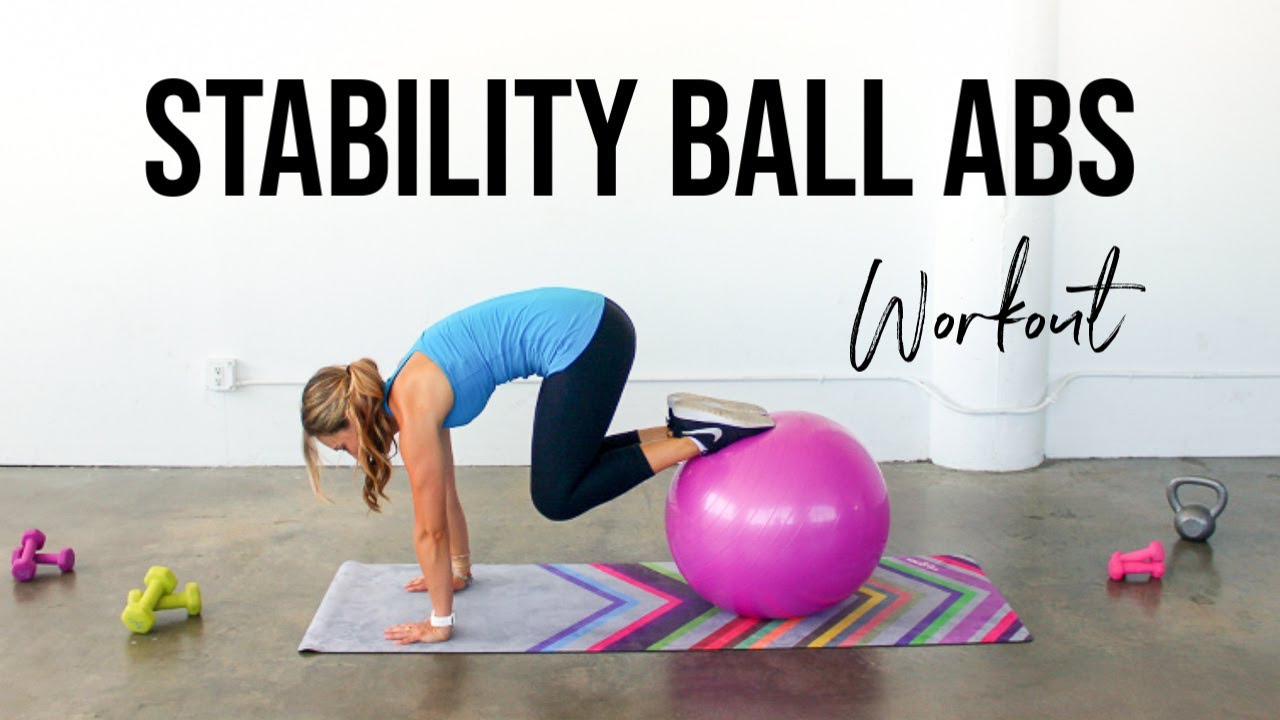
Why balance balls help your abs
Balance balls force your body to stabilize. That means deep core muscles work harder than in many floor-only moves. Are balance balls good for abs workout? Yes, they increase muscle activation in the rectus abdominis, transverse abdominis, and obliques by adding instability.
Key reasons they help:
- Improve core stability by engaging small stabilizer muscles that rarely work during static exercises.
- Increase neuromuscular control, which transfers to better posture and functional strength.
- Allow for joint-friendly training since many exercises are low impact and spine-supported.
These benefits explain why trainers use balance balls in rehab, fitness, and sport conditioning.
How balance balls activate the core (simple mechanics)
Understanding the mechanics helps you train smarter. Balance balls create an unstable surface. Your nervous system responds by recruiting muscles to keep you balanced. That recruitment increases reps and intensity without adding heavy loads.
Mechanics in plain terms:
- Instability requires constant micro-adjustments from core stabilizers.
- A larger range of motion is often possible, which challenges muscles differently than floor moves.
- Breathing and bracing become more important to maintain form.
This is why you feel a burn faster when you try crunches or planks on a ball. Are balance balls good for abs workout? Their instability is the main reason they deliver effective core work.
Which core muscles get worked
Balance ball moves hit both the visible abs and the deeper supports.
Primary muscles targeted:
- Rectus abdominis for flexion and the classic “six-pack” look.
- Transverse abdominis for deep stabilization and lower-back support.
- Internal and external obliques for rotation and side stability.
- Hip flexors and glutes assist during many ball movements.
Working the full core improves function and reduces risk of low-back pain when done correctly.
Top balance ball exercises for abs (with cues)
Here are reliable exercises that I use with clients. Perform each with slow, controlled movements and steady breathing.
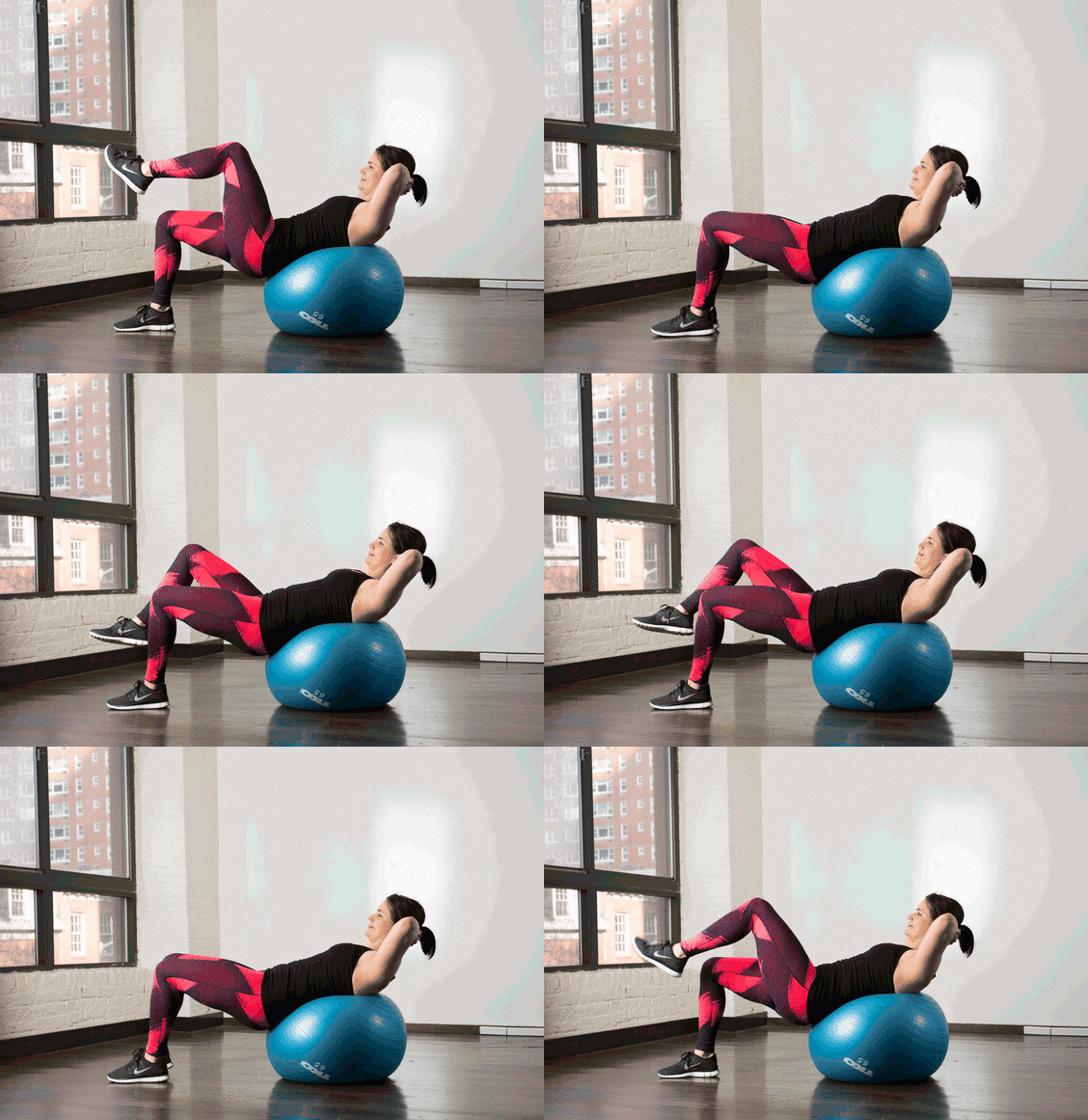
Ball crunch
- Lie with your lower back supported on the ball, feet flat and hip-width.
- Cross hands over chest and curl up using your abdominal muscles.
- Keep movements small and avoid neck strain.
Ball plank
- Place forearms on the ball and feet on the floor in a straight line.
- Hold a neutral spine and pull belly button to spine.
- Begin with 15–30 seconds and build up.
Stir-the-pot
- Start in a plank with forearms on the ball.
- Slowly make controlled circular motions with your forearms while stabilizing your hips.
- Perform small circles to increase difficulty.
Pike on ball
- Start in a plank with shins on the ball.
- Use your abs to lift hips toward the ceiling into a pike, then return to plank.
- This is advanced; keep shoulders steady.
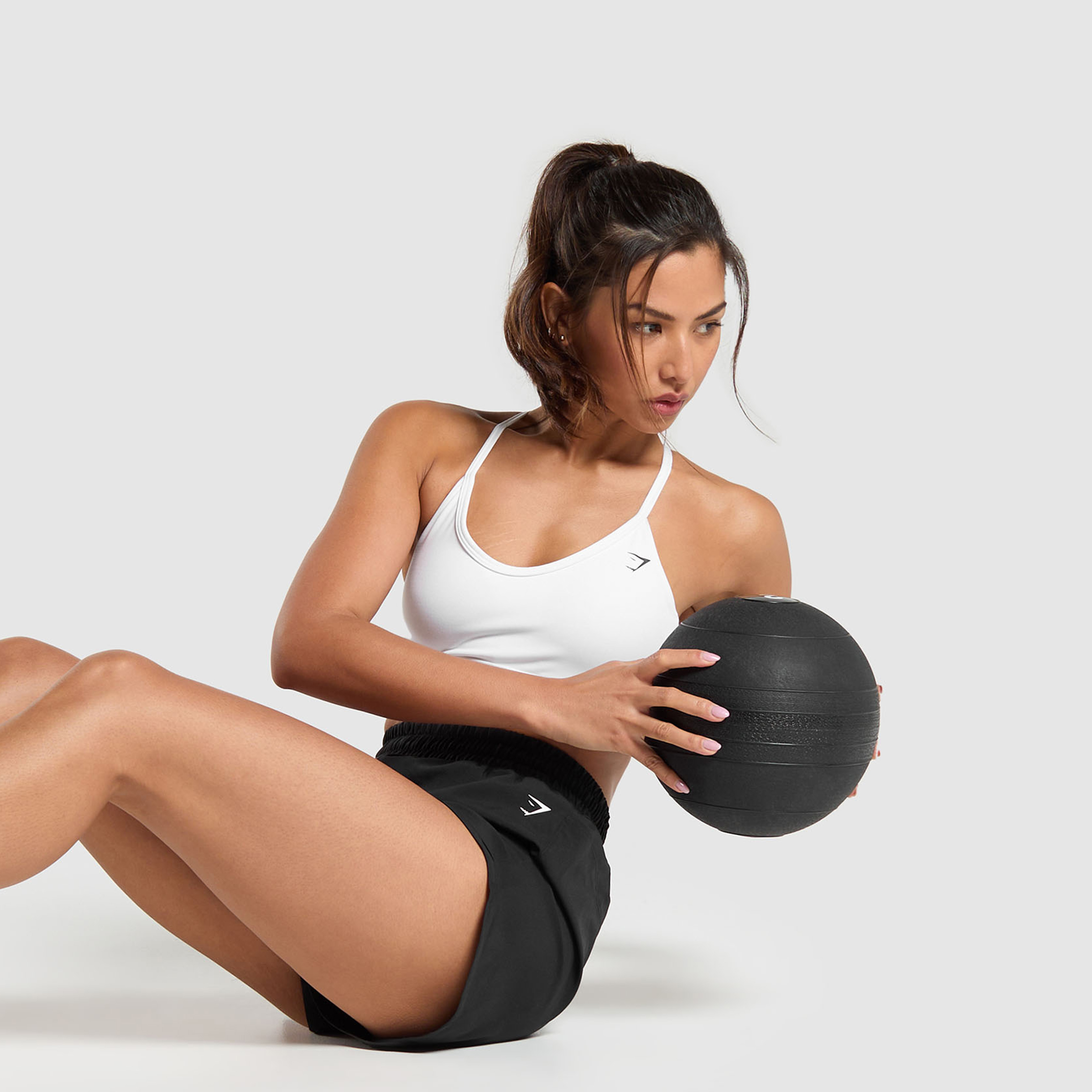
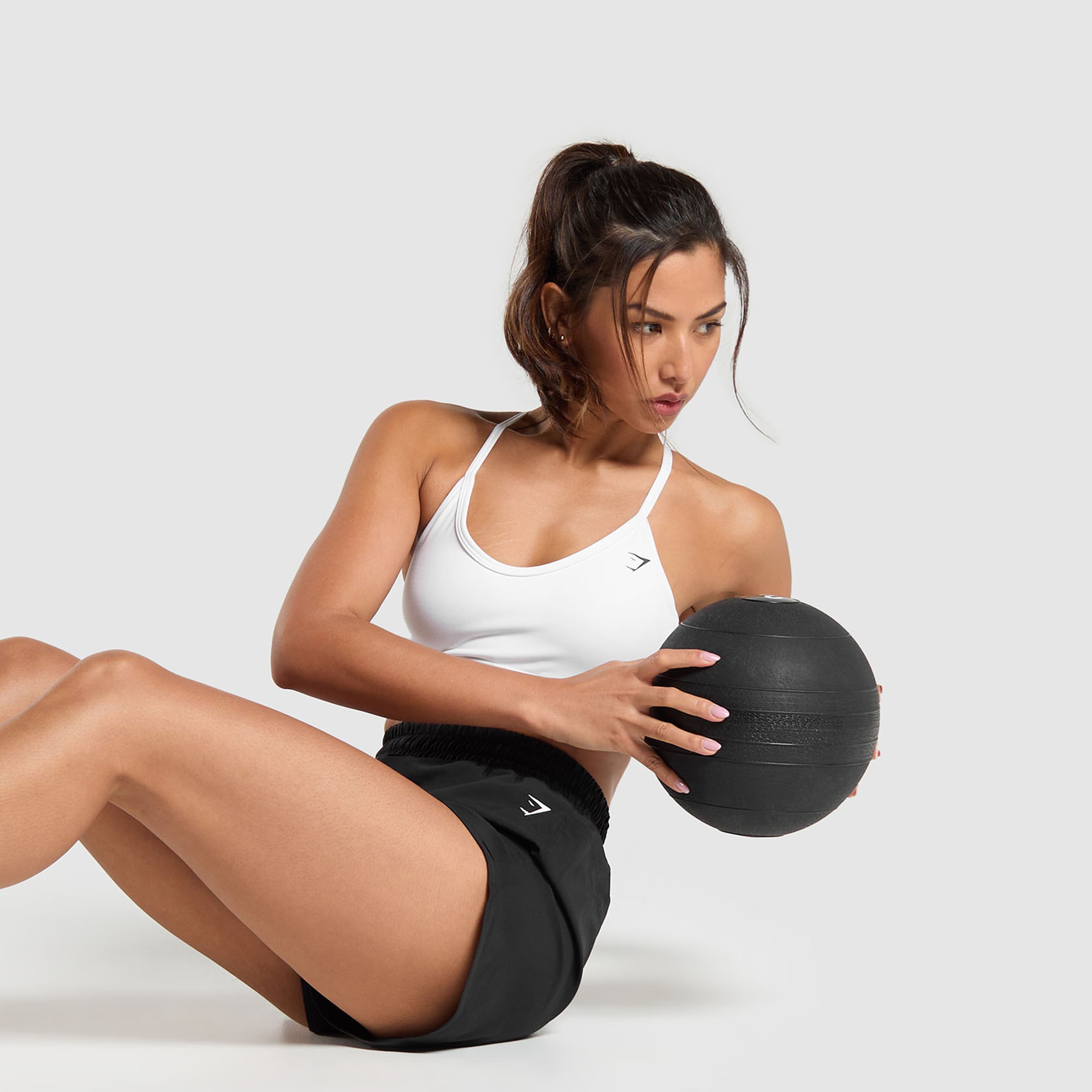
Russian twist on ball
- Sit on the ball, walk forward until your shoulder blades rest on it.
- With feet grounded, hold a weight or hands together and rotate torso side to side.
- Keep hips stable and rotate from the ribs.
These moves are versatile and scalable. Are balance balls good for abs workout? Yes, when you pick and progress the right exercises.

Sample workouts: beginner to advanced
Short and clear routines you can try. Warm up 5 minutes before each.
Beginner (15 minutes)
- Ball crunch — 3 sets of 12 reps
- Ball plank — 3 sets of 20 seconds
- Seated ball marches — 2 sets of 20 reps (10 each side)
Intermediate (20 minutes)
- Ball crunch with hold — 3 sets of 15 reps
- Stir-the-pot — 4 sets of 20 seconds
- Russian twist on ball — 3 sets of 20 reps (10 per side)
Advanced (25 minutes)
- Pike on ball — 4 sets of 8 reps
- Stir-the-pot large circles — 4 sets of 30 seconds
- Decline rollouts with ball — 3 sets of 10 reps
Progress slowly and choose the level that matches your control and comfort.
Safety tips and common mistakes
Safety matters more than intensity. Small fixes make a big difference.
Common mistakes
- Arching the lower back during crunches.
- Using momentum instead of controlled muscle contraction.
- Placing the ball too high or low under the back, which reduces effectiveness.
- Holding breath instead of steady breathing.
Safety tips
- Keep movements slow and intentional.
- Breathe consistently and brace the core.
- If you have lower-back pain, start with supported core drills and consult a professional.
- Use the right ball size so hips and knees sit at roughly 90 degrees when seated.
I once progressed a client too fast into pikes. She felt lower-back soreness for a week. Now I always add a stabilization phase before advanced moves.

Who should use or avoid balance balls
Most people can benefit, but there are clear exceptions. Are balance balls good for abs workout for everyone? Not always.
Good candidates
- People seeking core stability, posture improvement, and low-impact training.
- Clients recovering from mild injuries under professional guidance.
- Athletes wanting game-transferrable core control.
Avoid or modify if
- You have acute spinal injuries or severe balance disorders.
- You are pregnant and haven’t cleared exercises with a clinician.
- You feel dizziness or sharp pain during exercises.
When in doubt, consult a physical therapist or certified trainer to tailor progressions.
How to choose the right balance ball and set it up
A simple choice improves comfort and results.
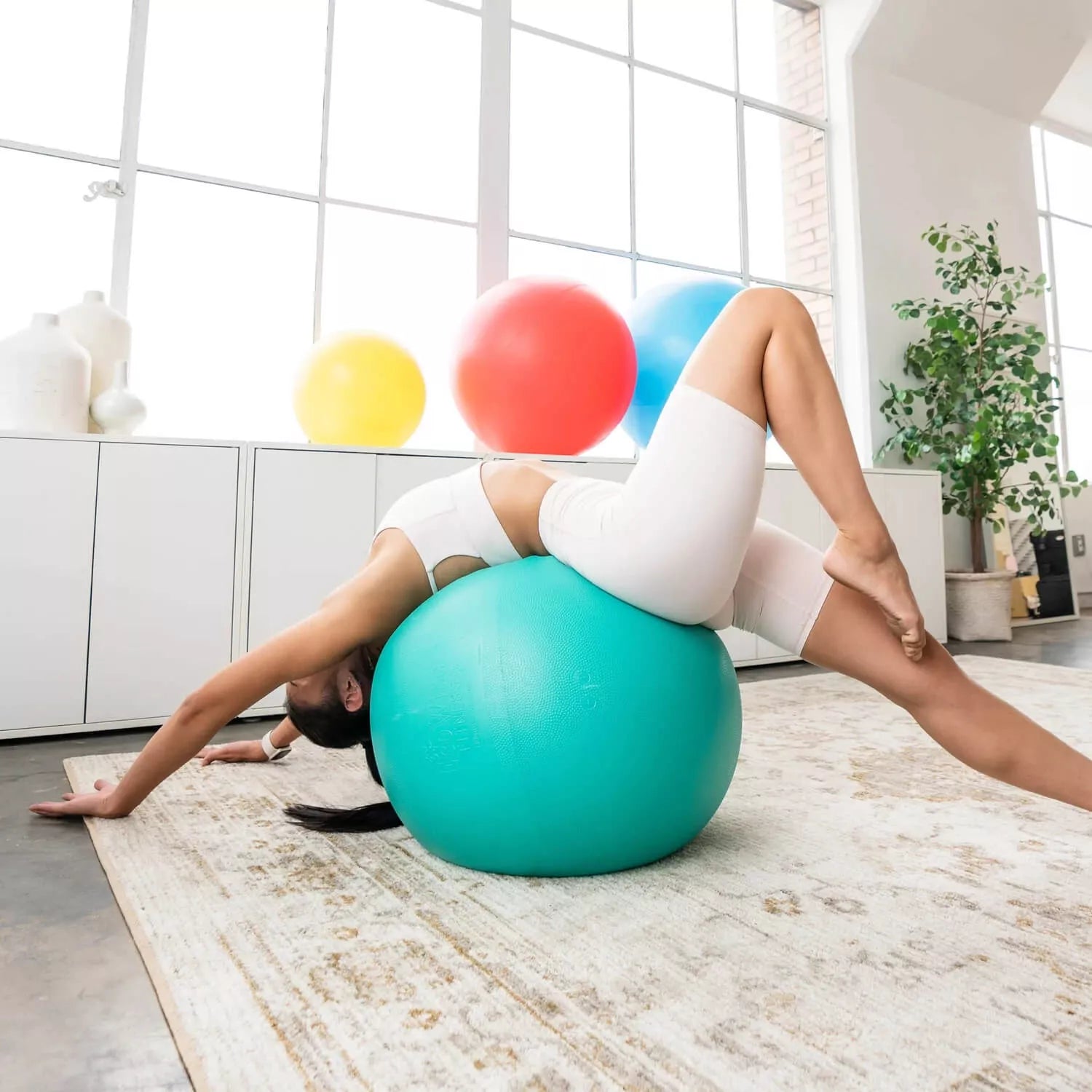
Sizing guide
- 55 cm ball for people under 5'1"
- 65 cm ball for people 5'1" to 6'1"
- 75 cm ball for people over 6'1"
Setup tips
- Inflate so the ball is firm but slightly yielding.
- Use a non-slip mat to prevent slipping.
- Wear supportive footwear or train barefoot for better feedback.
A well-sized ball lets you maintain form and make exercises safer and more effective.

Practical progressions and programming tips
Small, consistent steps beat sporadic big jumps. Program balance ball work 2–3 times per week.
Progression ideas
- Increase hold times before adding reps.
- Move from bilateral to unilateral variations to increase challenge.
- Add tempo changes (slow eccentric) to boost muscle control.
Programming sample
- Weeks 1–2: focus on form and 2–3 stabilization drills per session.
- Weeks 3–6: add 1 dynamic move per session and increase intensity.
- After 6 weeks: reassess and introduce advanced elements like pikes or rollouts.
From personal coaching, the fastest gains came when clients focused on quality over quantity.
PAA-style questions (brief answers)
What makes balance balls better than floor exercises for abs?
- Balance balls add instability that recruits deeper stabilizer muscles. This increases muscle activation and improves balance and core control.
Can balance balls reduce lower-back pain?
- They can help by strengthening deep core muscles and improving posture, but they should complement, not replace, rehabilitative care for serious back issues.
How often should I use a balance ball for abs?
- Two to three targeted sessions per week is effective when combined with full-body training and proper recovery.
Are balance ball abs exercises good for beginners?
- Yes, beginners can start with supported drills like seated marches and gentle crunches, then progress as control improves.
Do balance ball workouts burn belly fat?
- They strengthen and tone core muscles but do not directly burn belly fat; fat loss requires calorie deficit and overall exercise.
Frequently Asked Questions of Are balance balls good for abs workout
Are balance balls safe for people with lower-back pain?
Many people with mild lower-back pain benefit from gentle balance ball work as it strengthens deep stabilizers. Always start slow and consult a clinician for acute or severe pain.
How long until I see results from balance ball abs exercises?
With consistent training 2–3 times a week, you can notice improved stability and muscle tone in 4–8 weeks. Visible changes depend on body fat, diet, and overall training.
Can I replace traditional crunches with balance ball exercises?
You can replace some traditional crunches with balance ball variations because they engage stabilizers more. A mix of both gives balanced strength and appearance benefits.
What is the best balance ball exercise for beginners?
Ball crunches and seated marches are great beginner moves because they are low risk and teach pelvic and spine positioning. Focus on form before adding reps.
Do balance balls improve athletic performance?
Yes. They improve core stabilization, balance, and neuromuscular control, which can transfer to better movement in sports and daily activities.
Conclusion
Balance balls are a practical, effective tool for core development and functional strength. Are balance balls good for abs workout? Yes — when used correctly, they improve muscle activation, stability, and movement control while being gentle on joints. Start with basic, well-cued exercises, progress slowly, and pair ball training with overall strength and cardio work. Try one of the sample routines this week, track how you feel after two weeks, and adjust for more challenge. Share your progress or questions below, and consider subscribing for weekly tips and routines.

