Yes, you can use a balance ball for long periods, but not all day without regular breaks.
I have researched posture tools and spent months testing a stability ball at my desk. This article explains whether Can you sit on a balance ball all day, what the benefits and risks are, and how to use one safely. Read on for clear steps, quick tips, and real-life lessons that help you make an informed choice.
Today's Exclusive Deals
Limited-time Exclusive Deals. Check current discount on Amazon.
Check Price on Amazon As an Amazon Associate I earn from qualifying purchases.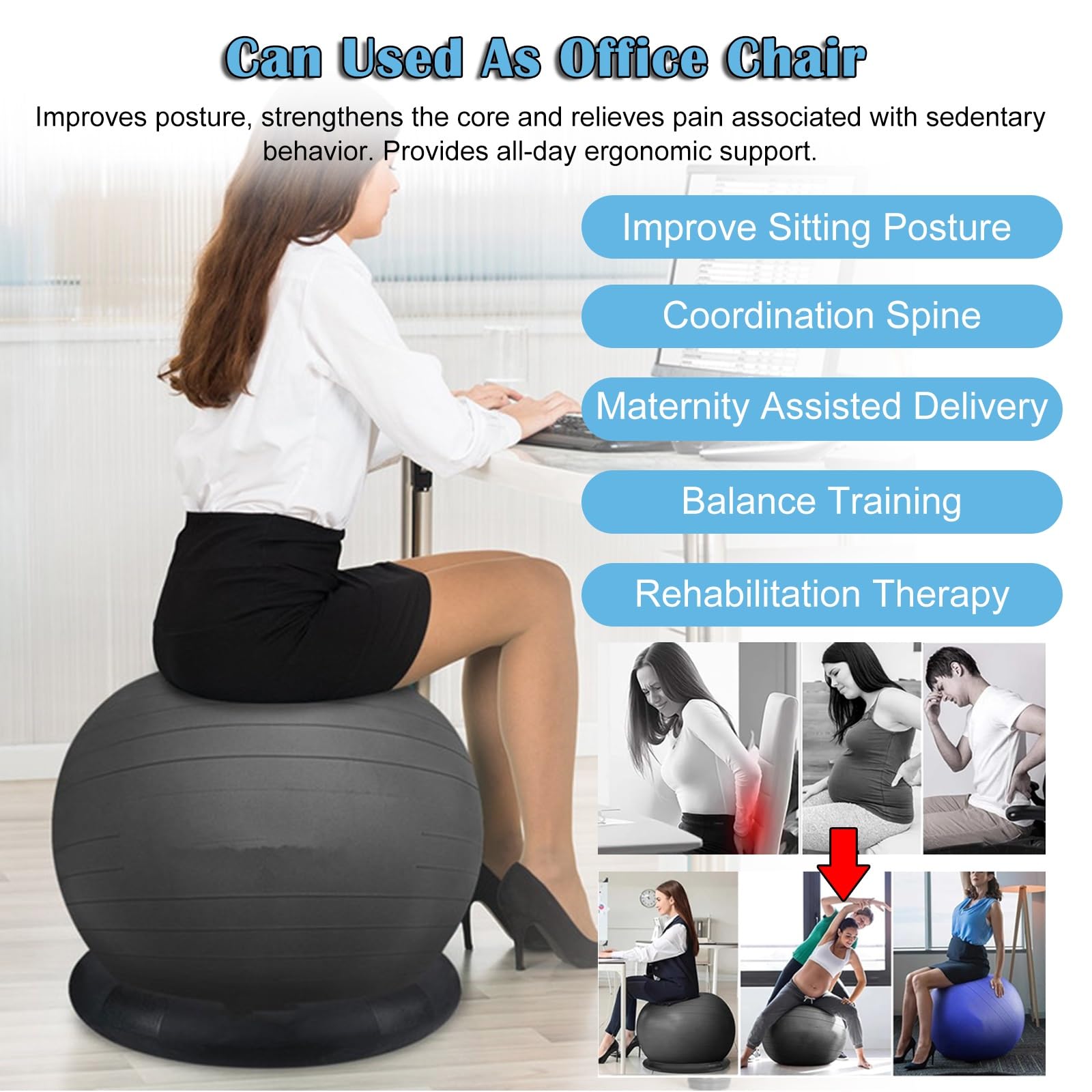
Why people use a balance ball at work and home
People use a balance ball to add movement to long sitting sessions. It forces small muscle adjustments. That can reduce stiffness and boost core awareness.
Common reasons include:
- Improve posture by encouraging upright sitting.
- Add gentle movement to break long periods of stillness.
- Replace a static chair for variety and better focus.
- Use as a tool for simple desk or home exercises.
Research and reports show short, regular movement is best. That means a ball helps when used right.

Can you sit on a balance ball all day?
Can you sit on a balance ball all day? The short answer is yes, but with key limits and rules. Sitting on a balance ball all day without breaks is not recommended. The ball does not replace the need to stand, walk, and change positions.
Why this matters:
- The ball demands constant micro‑activity. This tires muscles in time.
- Fatigue can lead to slouching and poor form. That cancels benefits.
- Long stretches without movement raise risk of discomfort and pain.
Practical rule of thumb:
- Rotate between chair, ball, and standing. Start with short ball sessions. Increase time slowly as your muscles adapt.

Health benefits of using a balance ball for sitting
A balance ball can help in small, meaningful ways. Benefits appear when use is regular but not nonstop. Here are the main advantages.
Key benefits:
- Better core activation from small, constant adjustments.
- Reduced lower back tension when posture is kept upright.
- More movement, which helps circulation and energy.
- Good for short breaks and simple mobility exercises.
Studies show that short, frequent movement beats long static sitting. A ball helps you move more across the day.

Risks and limitations to know
Balance balls are not magic chairs. They have limits and some risks. Knowing them helps you avoid mistakes.
Main risks:
- Muscle fatigue leads to poor posture after long use.
- Higher fall risk for people with balance or mobility issues.
- Not ideal for tasks needing stable support, like long typing sessions.
- Might worsen pain if you already have certain back or hip conditions.
If you have a history of spine or balance problems, ask a professional first. Listen to your body and stop if pain increases.

How to use a balance ball safely and effectively
Using the ball right makes benefits real and cuts risks. Follow small steps. Build time and focus on form.
Practical tips:
- Set a timer for 20–30 minute ball sessions. Switch to a chair or stand afterward.
- Keep hips slightly higher than knees for neutral spine alignment.
- Sit tall and engage your core lightly. Avoid locking knees.
- Alternate tasks: use the ball for reading or short calls, not long focused typing.
- Add short stretches and walks every hour to reset muscles.
- Choose the right size ball. Your knees should be at about a 90‑degree angle.
Tracking how long you sit on the ball helps. Increase time slowly. This prevents sudden fatigue and strain.
Alternatives and complementary strategies
A balance ball is one tool among many. Mixing options gives the best results for long workdays.
Alternatives and combos:
- Use a height‑adjustable desk to alternate standing and sitting.
- Try an active stool or wobble seat for stable movement.
- Build micro‑break routines: stand, stretch, or walk for 2–5 minutes each hour.
- Combine light resistance or mobility breaks with ball use for variety.
Variety keeps muscles fresh and supports posture better than any single solution.

My personal experience and lessons learned
I tested a stability ball at my desk for several months. I started with 15 minutes per session and tracked comfort. At first, my core burned and my back felt better. After 3 weeks I could sit longer without slouching.
Lessons I learned:
- Progress slowly. My first mistake was long, unbroken sessions that tired me quickly.
- Set reminders to move. Without them I’d forget to stand.
- Use the ball for the right tasks. It worked well for calls and reading but not for long typing.
- Pay attention to discomfort. Stop or switch if pain grows.
These small habits kept the ball useful for me. They can help you too.
Frequently Asked Questions of Can you sit on a balance ball all day
Is it safe to replace my office chair with a balance ball?
Short answer: It can be safe for short stretches, but not as a full replacement. Rotate with a chair and standing to prevent fatigue and maintain support.
How long should I sit on a balance ball at one time?
Aim for 20–30 minutes per session at first, then switch for at least 5–10 minutes. Gradually increase as your core strength improves.
Will sitting on a balance ball burn more calories?
Yes, slightly. The micro‑movements use extra energy, but the calorie burn is modest. It is best paired with regular activity for weight goals.
Can a balance ball help lower back pain?
It can help some people by encouraging upright posture and movement. If you have chronic pain, consult a clinician before switching to a ball.
What size balance ball do I need for desk use?
Choose a ball that lets your knees form about a 90‑degree angle when sitting. Common sizes are 55 cm, 65 cm, and 75 cm depending on height.
Can kids use a balance ball for homework?
Yes, with supervision and short sessions. Kids often benefit from movement, but limit time and ensure proper size and safety.
Conclusion
Using a balance ball can be a smart way to add movement and posture awareness to your day. Can you sit on a balance ball all day? Yes, but only with limits, proper form, and regular breaks. Start slow, rotate with other seating options, and listen to your body.
Takeaway: try short, timed ball sessions and build habits that mix movement with seated work. If this helped, try the routine for a week and note changes. Share your experience or questions below and subscribe for more practical tips.