Balance ball exercises include core, stability, lower body, upper body, and full body moves for all levels.
I’ve trained clients and written about stability training for years. I know what works, what doesn’t, and how to build safe progressions. This article on What exercises can be done on a balance ball gives clear exercises, step‑by‑step cues, and practical plans you can use today. Read on to learn routines, safety tips, and my real‑world lessons for getting stronger and more stable with a balance ball.
Today's Exclusive Deals
Limited-time Exclusive Deals. Check current discount on Amazon.
Check Price on Amazon As an Amazon Associate I earn from qualifying purchases.
Why use a balance ball
A balance ball forces your body to make tiny adjustments. This builds core strength and improves balance at the same time. I use balance ball drills to fix weak stabilizers and add variety to gym routines. If you wonder What exercises can be done on a balance ball, the short answer is core, lower body, upper body, and full body drills that scale from rehab to advanced training.

Core and stability exercises
These moves are the foundation for What exercises can be done on a balance ball. They teach balance and control first, then add strength.
Ball crunches
Ball crunches target the rectus abdominis and teach breathing control.
- Lie with your lower back on the ball and feet flat.
- Place hands gently behind your head and lift shoulders toward hips.
- Do 10 to 20 reps with slow, controlled motion.
Plank with forearms on the ball
A harder core plank that challenges small stabilizer muscles.
- Place forearms on the ball and toes on the floor.
- Keep a straight line from head to heels and hold 20 to 45 seconds.
- Breathe steady and lower the hold time if wobble increases.
Stir the pot
An anti‑rotation drill that tests the whole core.
- From a forearm plank on the ball, make small clockwise circles with your hands.
- Reverse direction after 8 to 12 circles.
- Start small and keep hips steady.
Roll-outs
Progressive anti‑extension work for strong cores.
- Kneel and place both hands on the ball.
- Roll the ball forward slowly, keeping a neutral spine.
- Pull back with the abs. Aim for 6 to 12 reps.
Lower body exercises
Balance balls add instability to leg work. That increases muscle activation and joint control.
Wall squats with ball
Good for beginners and rehab.
- Place the ball between your lower back and a wall.
- Feet shoulder width, squat until knees are about 90 degrees.
- Do 10 to 15 controlled reps.
Hamstring curls
Targets posterior chain and glute stability.
- Lie on your back with feet on the ball and hips lifted.
- Pull the ball toward your hips with heels and lower slowly.
- Perform 12 to 15 reps.
Single leg bridge on ball
Boosts unilateral strength and balance.
- Place one foot on the ball, other leg in the air.
- Lift hips and squeeze the glute of the supporting leg.
- Do 8 to 12 reps per side.
Step ups and Bulgarian splits (ball as support)
Great for balance and power.
- Use the ball behind you as a soft support or to add instability.
- Keep form strict and use a lower step at first.

Upper body exercises
A balance ball makes upper body work more challenging by adding a stability demand.
Push-ups with hands on ball
Push strength plus shoulder stability.
- Place hands on the ball and assume a plank.
- Lower chest slowly, then press up.
- Start with knees down if needed.
Chest press lying on ball
A small stability challenge for pressing.
- Lie with upper back on the ball and feet wide for base.
- Press dumbbells or a light barbell over chest with control.
- Keep hips lifted.
Seated shoulder press
Adds core work while pressing.
- Sit on the ball with feet anchored wide.
- Press dumbbells overhead while keeping spine tall.
- Use light weight and focus on balance.
Triceps dips using ball
Unconventional but effective for coordination.
- Place hands on a bench and feet on the ball or vice versa.
- Lower slow and full range. Keep elbows tucked.
Full-body and dynamic drills
Combine stability with movement to train sport‑like control. These answer What exercises can be done on a balance ball for athletic and cardio goals.
Mountain climbers with hands on ball
Adds instability to a classic cardio move.
- Hands on the ball, run knees toward chest one at a time.
- Keep hips down and core tight.
Ball passes
A coordinated abs and hip flexor drill.
- Lie on the floor holding the ball above head.
- Pass the ball to your feet and lift both hands and feet to meet.
- Repeat for 10 to 15 passes.
Burpee variations (modified)
Use the ball to alter intensity.
- Place hands on ball for the pushup and step back instead of jumping.
- Great for conditioning while protecting joints.
Standing tosses or med ball slams into a ball
Partner or wall drills using the balance ball as a rebound to train power and control.

Workout plans and progressions
Here are simple plans based on fitness level. They show how to use What exercises can be done on a balance ball over time.
Beginner routine
- Ball crunches 3 sets of 12
- Wall squats 3 sets of 12
- Seated shoulder press 2 sets of 10
- Plank on ball 3 times for 20 seconds
Intermediate routine
- Stir the pot 3 sets of 8 each direction
- Hamstring curls 3 sets of 12
- Push-ups on ball 3 sets of 8
- Mountain climbers 4 sets of 30 seconds
Advanced routine
- Roll-outs 4 sets of 8
- Single leg bridge on ball 4 sets of 10 per side
- Ball pass 4 sets of 15
- Circuit: 40 seconds work 20 seconds rest for 4 rounds
Progress by adding reps, holding time, or by reducing base of support. I used these steps with clients to help a runner recover and then run faster without pain.
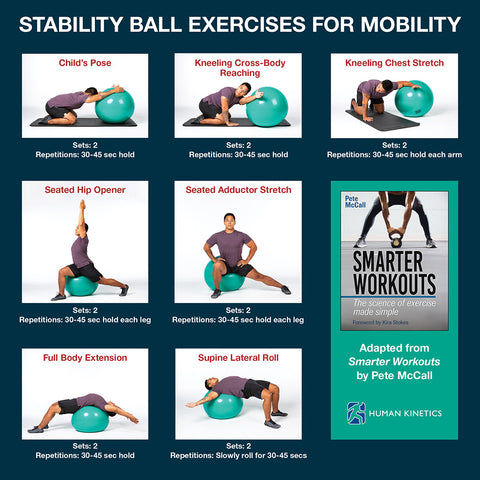
Safety, setup, and common mistakes
Safety matters when practicing What exercises can be done on a balance ball. Use good setup and simple checks.
- Choose the right size ball based on height. Your knees should be about 90 degrees when sitting on the ball.
- Inflate to the correct firmness. A too-soft ball is unstable and a too-hard ball limits movement.
- Common mistakes include arching the lower back, gripping the neck, and using momentum. Slow down and focus on form.
- Avoid high‑risk moves if you have recent shoulder, neck, or spine injuries without professional clearance.
I once started a client on advanced roll‑outs too fast. They felt low back pain for a week. We stepped back to easier core holds and pain disappeared.
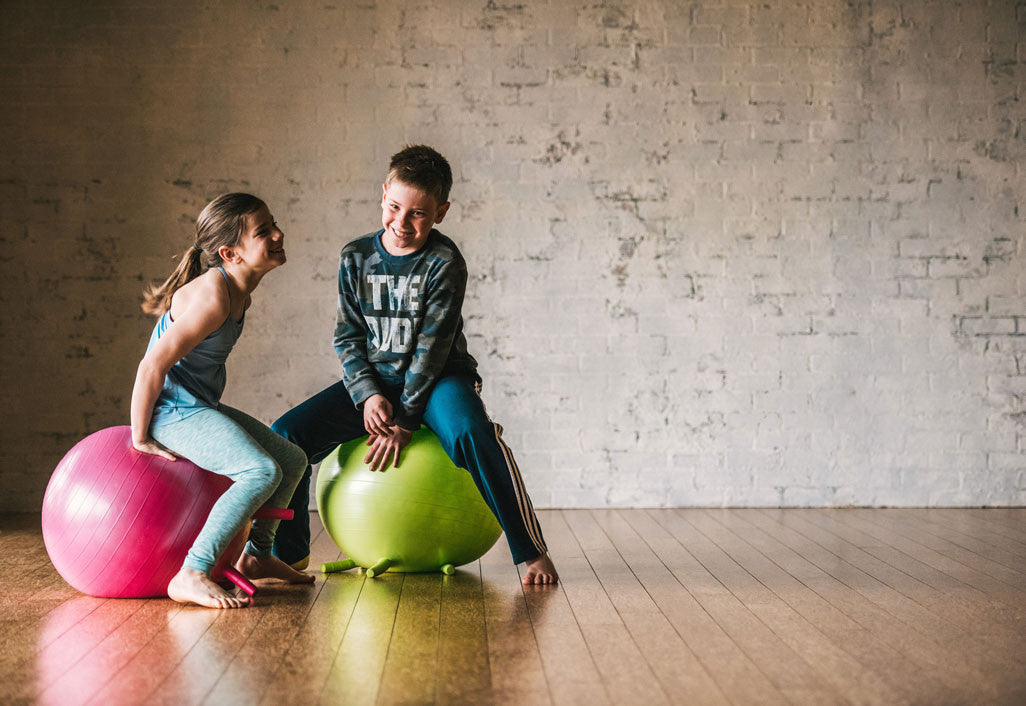
Equipment, maintenance, and useful variations
Understanding gear improves your results from What exercises can be done on a balance ball.
- Types of balls: stability ball, Swiss ball, physio ball. All are similar but quality varies.
- Add a mat to prevent slipping and to protect floors.
- Use a pump and check inflation before each session.
- Replace balls with visible wear or cracks.
- Try alternatives like a BOSU for different instability or a smaller medicine ball to anchor balance.
Personal experience and tips
I use balance ball drills in warmups and rehab sessions. Simple moves like ball squats fixed my knee tracking issue when done correctly. My advice is to practice balance daily for short sessions and to keep workouts controlled. Small daily drills beat occasional long sessions for steady progress.
Frequently Asked Questions of What exercises can be done on a balance ball
What exercises are best for beginners on a balance ball?
Start with seated balance holds, wall squats with the ball, and basic ball crunches. These build familiarity and core control without high risk.
Can you build core strength on a balance ball?
Yes. Many balance ball moves require constant small corrections from the core, which builds strength and endurance over time. Start with low volume and increase hold times gradually.
How often should I use a balance ball each week?
Two to four short sessions per week is effective for most people. Consistency matters more than long sessions.
Is a balance ball good for lower back pain?
A balance ball can help when used safely for mobility and core control drills, but avoid provocative moves and check with a clinician if you have acute pain. Start with gentle stability holds.
What size ball should I buy for my height?
Choose a ball where you sit with knees at about 90 degrees. Typical sizes are 55 cm for short adults and 65 cm for average heights, but check the manufacturer chart.
Can balance ball exercises replace strength training?
They are complementary. Balance ball work improves stability and core control but should be combined with progressive strength training for maximal strength gains.
Conclusion
Balance balls offer versatile options for strength, stability, rehab, and sport. What exercises can be done on a balance ball range from simple core holds to advanced dynamic drills that build control and power. Start with basics, progress slowly, and focus on form. Try one new ball exercise this week and track how your balance and control improve. If you found this helpful, leave a comment, share your favorite ball drill, or subscribe for more practical routines and tips.