
Wipe with mild soap and water, then rinse and air-dry to safely clean a balance ball.
I have cleaned dozens of exercise balls and stability balls in gyms and at home. I know what works and what can damage them. This guide shows step-by-step how to clean a balance ball safely, remove stains, sanitize without harm, and store it right. Read on for simple methods, material tips, and mistakes to avoid so your balance ball stays safe, grippy, and long-lasting.

Today's Exclusive Deals
Limited-time Exclusive Deals. Check current discount on Amazon.
Check Price on Amazon As an Amazon Associate I earn from qualifying purchases.
Why you should clean a balance ball regularly
A clean balance ball keeps you healthy. Sweat, oils, and dirt make the surface slippery. Bacteria and mold can grow on damp balls. Cleaning keeps grip and extends the ball’s life. It also preserves the ball’s material and anti-burst features.
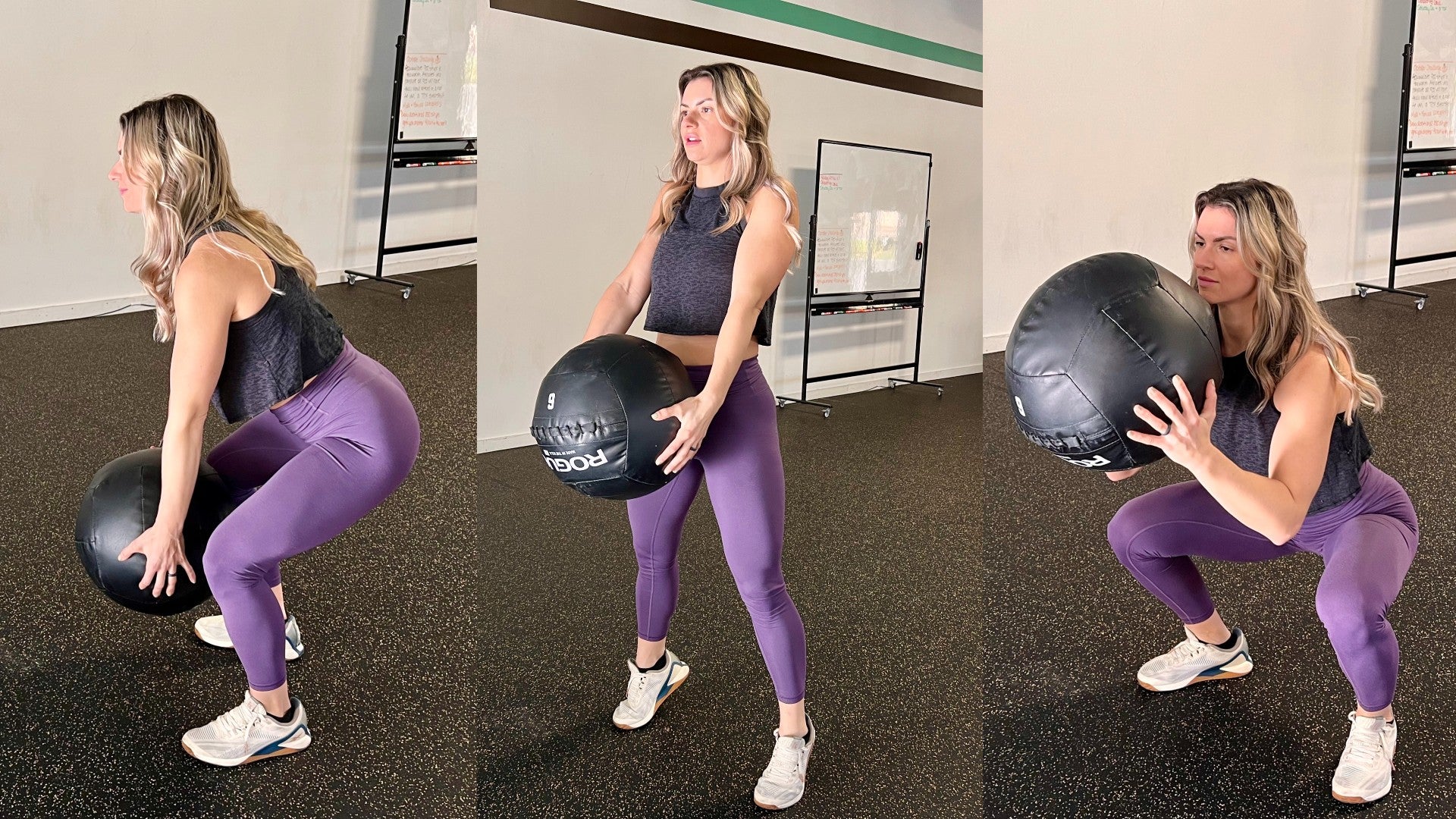
Materials and tools you need
Keep this small kit ready to clean a balance ball properly:
- Soft microfiber cloth for gentle wiping.
- Mild dish soap or gentle laundry soap.
- Warm water in a bucket or spray bottle.
- Isopropyl alcohol 70% for light disinfection.
- White vinegar as a natural cleaner option.
- Soft-bristle brush for stuck dirt.
- Towel for drying and air-dry space.
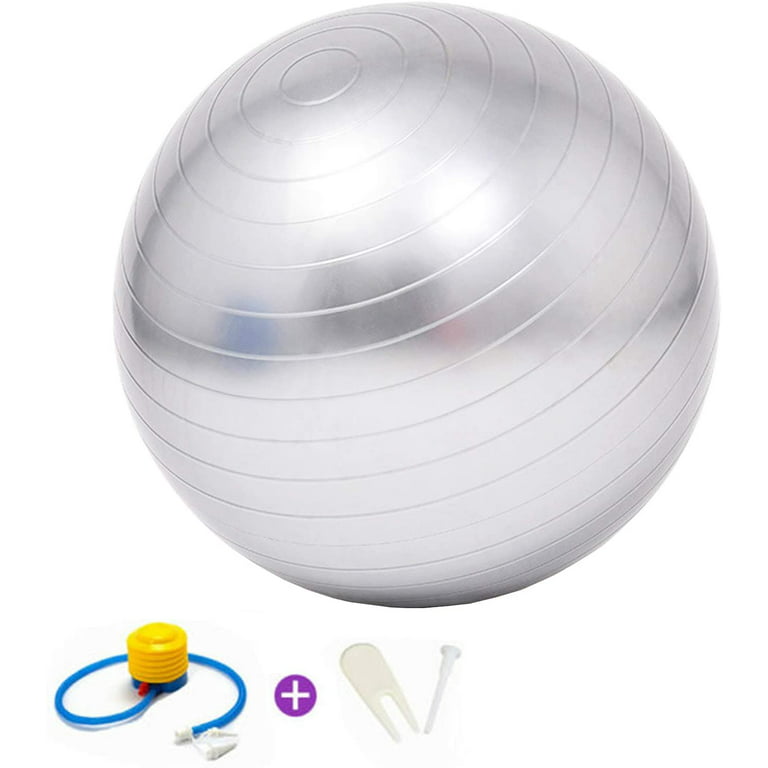
How to clean a balance ball: step-by-step daily wipe
This quick routine is for light cleaning and maintenance.
- Inflate the ball to normal pressure. A partially deflated ball is harder to clean.
- Mix warm water and a few drops of mild soap.
- Dip the microfiber cloth and wring it so it is damp, not dripping.
- Wipe the entire surface in circular motions. Work top to bottom.
- Rinse the cloth and wipe again to remove soap residue.
- Use a dry towel to blot, then let the ball air-dry fully before use.
This simple routine keeps the texture intact and avoids harsh cleaners that can degrade the PVC.
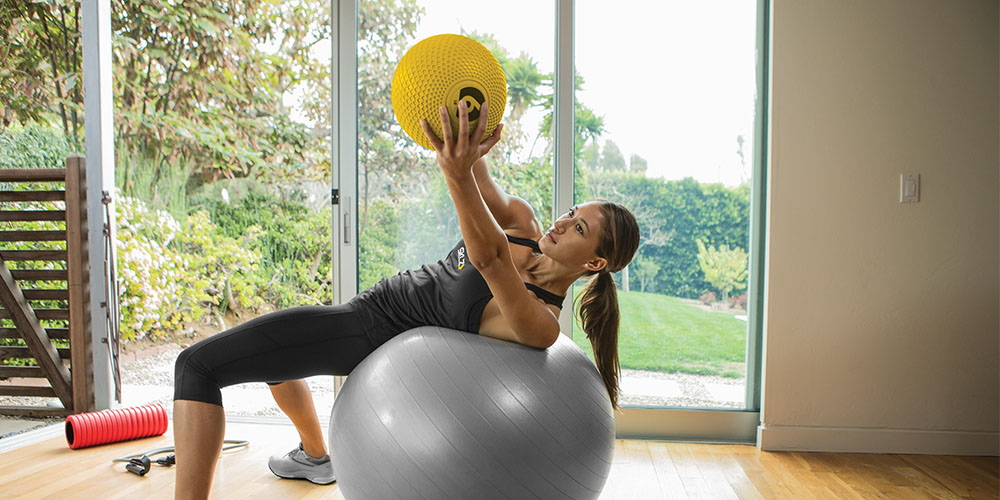
Deep cleaning and disinfection for heavy grime
For gym use or after illness, a deeper clean helps.
- Deflate slightly if needed to reach all areas easily.
- Mix warm water with a tablespoon of vinegar per cup of water, or use a 70% isopropyl alcohol solution on a cloth.
- Scrub stains gently with a soft-bristle brush and the solution.
- Wipe down again with clean water to remove residue.
- Dry thoroughly in a shaded, ventilated area. Avoid direct sun.
Alcohol disinfects quickly but can dry some plastics if overused. Vinegar cleans without harsh chemicals and preserves the surface.
Removing stains, scuff marks, and stubborn residue
Stains and scuffs are common. Try these safe fixes.
- Light scuffs: Use a clean eraser or soft brush with soap and water to rub gently.
- Ink or marker: Dab with isopropyl alcohol on a cloth. Test a small spot first.
- Sticky residue: Apply warm soapy water and let sit for a minute before rubbing.
- Deep stains: Repeat gentle cleaning rather than using harsh solvents.
Avoid acetone, bleach, or strong solvents. They can weaken the ball’s material and reduce elasticity.

Special advice for different materials and anti-burst balls
Balance balls are usually made of PVC or anti-burst vinyl. Follow these rules.
- PVC and vinyl: Safe with mild soap and water or diluted vinegar.
- Anti-burst textured balls: Use microfiber to keep grip.
- Foam-coated or fabric-covered balls: Spot clean with mild soap and air-dry.
- If unsure, check the manufacturer’s label for cleaning instructions.
When you clean a balance ball, always test your cleaner on a small area first.
Drying, storage, and long-term care
Proper drying and storage protect your ball.
- Always air-dry completely before storing.
- Keep the ball away from direct sunlight and heat.
- Store in a cool, dry place on a rack or in a bag to avoid dust.
- Maintain recommended inflation to avoid creases or stress.
Regularly inspect for tiny cuts or weak spots. Replace the ball if you find structural damage.

Safety tips and common mistakes to avoid
Protect yourself and the ball by avoiding these errors.
- Do not use bleach, acetone, or harsh solvents.
- Avoid sharp objects near the ball during cleaning.
- Do not overinflate or underinflate when cleaning.
- Don’t dry in direct sun for long periods.
- Avoid rough scouring pads that abrade the surface.
When you clean a balance ball, gentle care pays off. A soft cloth is better than rough tools.
My experience and practical tips
I tested cleaning methods on several brands. Soap and water worked best for routine cleaning. Vinegar removed odors without damage. I once used a strong solvent by mistake. The surface dulled and required replacing the ball. Learn from that: test cleaners and use the mildest option first.
Real tip: keep a small cleaning kit near your workout area. Quick wipes after each session prevent grime build-up and make deep cleans rare.
Eco-friendly cleaning options
You can clean a balance ball without harsh chemicals.
- Use a mix of water and vinegar for deodorizing.
- Castile soap in water is gentle and biodegradable.
- Microfiber cloths reduce the need for detergent.
- Air out the ball after use to limit moisture build-up.
These choices help both your health and the environment.
Frequently Asked Questions of How to clean a balance ball
How often should I clean a balance ball?
Clean your balance ball after heavy use or when visibly dirty. For daily light workouts, a weekly wipe-down is a good routine.
Can I use bleach to disinfect my balance ball?
No. Bleach can damage PVC and weaken the ball. Use 70% isopropyl alcohol or diluted vinegar instead for safe disinfection.
Will soap and water remove sweat odor?
Yes. Mild soap and warm water remove oils and sweat that cause odors. Air-dry the ball fully to prevent mildew.
Can I put my balance ball in the washing machine?
No. Washing machines can deform and damage the ball. Hand-clean with a cloth to keep shape and strength.
How do I fix small punctures or leaks?
Small leaks often need a patch kit designed for PVC or vinyl. Deflate, clean the area, apply the patch, and follow kit instructions for best results.
Conclusion
Cleaning a balance ball is easy when you use gentle cleaners, simple tools, and a steady routine. Follow the steps here to clean a balance ball safely, remove stains, and disinfect without harm. Keep a small kit nearby and wipe the ball often to extend its life and maintain grip. Try the mild methods first, test small areas, and store the ball in a cool, dry place. Try these tips today, and leave a comment with your own cleaning wins or questions.

