
Ever wonder if that heavy pull-up is doing more for you than just building a big back? When you're performing a deadlift, you're engaging a surprising number of muscles, making it one of the most efficient compound exercises out there. Understanding precisely which muscles are activated can help you optimize your technique and see better results.
In our research, we've found that the deadlift isn't just a leg or back exercise; it's a full-body movement that taxes your entire muscular system. For instance, according to guidelines from the National Strength and Conditioning Association (NSCA), compound exercises like the deadlift are crucial for developing maximal strength and power across multiple muscle groups simultaneously. As of 2026, it remains a cornerstone of strength training programs worldwide.

Today's Exclusive Deals
Limited-time Exclusive Deals. Check current discount on Amazon.
Check Price on Amazon As an Amazon Associate I earn from qualifying purchases.The Deadlift's Muscle Powerhouse: A Full-Body Engagement
When you hear "deadlift," you might immediately picture someone hoisting a massive barbell off the floor. But what's actually happening at a muscular level? It's a complex dance of coordinated effort where nearly every part of your body contributes to moving that weight.
Imagine it like a chain reaction, starting from your feet gripping the floor all the way up to your shoulders stabilizing the load.
This exercise is celebrated for its efficiency because it recruits so many muscles at once, unlike isolation exercises that target just one. This full-body engagement means you get more bang for your buck in terms of training time and overall strength development. If your goal is to build a strong, functional physique, understanding this comprehensive muscle activation is key to unlocking the deadlift's full potential.
The Big Players: Hamstrings, Glutes, and Quads
Let's break down the primary movers in a deadlift. These are the muscles that generate the most force to get that weight from the floor to a standing position. They're the engine room of the entire movement.
Driving the Lift: Hamstrings and Glutes in Action
Your hamstrings, the muscles on the back of your thighs, and your glutes, located in your buttocks, are your main hip extensors. When you initiate the deadlift pull, they work together to straighten your hips. This means they're contracting forcefully to bring your torso upright from a bent-over position.
Their power is absolutely critical for a successful lift, especially as the bar clears your knees.
The Foundation: Quadriceps and Core Stability
While hamstrings and glutes handle the hip extension, your quadriceps, the muscles on the front of your thighs, play a crucial role in the initial phase. They help drive your knees forward as you break the bar off the floor and also assist in maintaining an upright torso. Simultaneously, your core muscles, your abs and obliques, are working overtime to brace your midsection.
This bracing prevents your spine from rounding, creating a stable platform for your limbs to generate power. For a powerful and safe pull, these foundational muscles are indispensable.
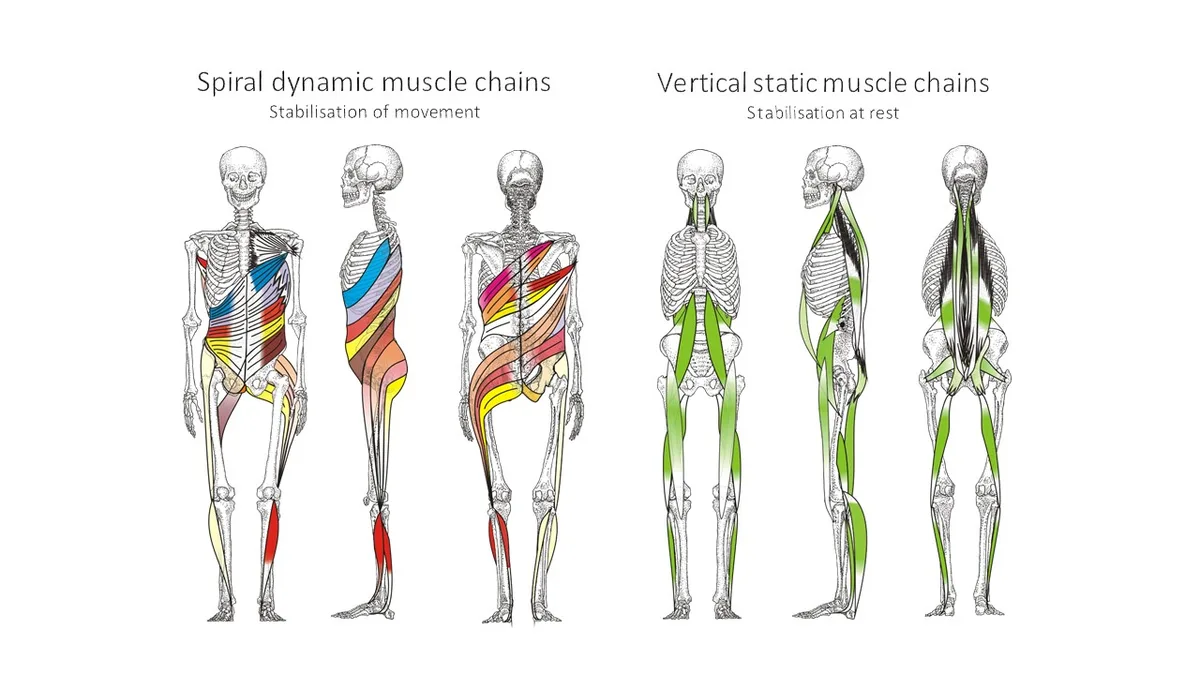
Image source: Web (Bing) / meet.bertringa.de (Web image (fair-use with source credit))
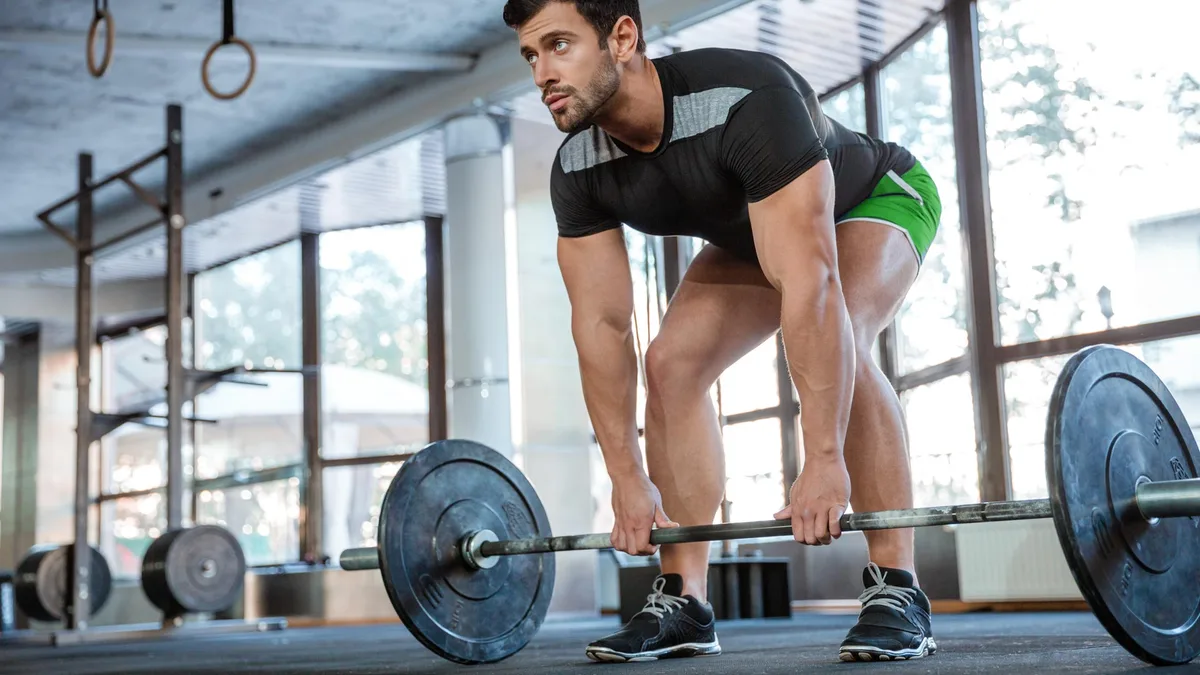
Image source: Web (Bing) / proteinreview.com.au (Web image (fair-use with source credit))
The Spinal Support Crew: Back and Core Muscles
Beyond the primary movers, a host of back and core muscles work diligently to keep your body stable and protected throughout the deadlift. These muscles are less about generating raw power and more about providing rigid support and control.
Keeping It Straight: Erector Spinae and Lats
Your erector spinae are the muscles that run along either side of your spine. Their job during a deadlift is to prevent your back from rounding. They contract isometrically, meaning they tighten without changing length, to maintain a neutral spine.
This is paramount for safety and for efficiently transferring force. Similarly, your latissimus dorsi (lats), the large muscles on the sides of your back, engage to keep the bar close to your body and help maintain upper body tension. Think of them as helping to pull your shoulders down and back, which further stabilizes your torso.
The Unsung Heroes: Traps and Core Bracing
Your trapezius muscles, often called "traps," are located in your upper back and neck. They become active to help depress your scapula (pull your shoulder blades down) and create a stable shelf for the barbell. This prevents your shoulders from shrugging uncontrollably.
Your entire core, including your rectus abdominis (abs) and obliques, must forcefully brace to resist any unwanted spinal flexion or extension. This core stability is what allows the power generated by your legs and hips to be effectively transferred to the barbell. Without this solid foundation, the lift becomes unstable and much less effective.
Holding On: Grip and Forearm Strength
You can't lift what you can't hold. That's where your grip and forearm muscles come into play. For many people, grip strength becomes the limiting factor in deadlifts long before their legs or back give out.
The muscles in your forearms and hands are working intensely to maintain a tight hold on the barbell throughout the entire range of motion. This includes muscles responsible for flexing your fingers and wrist, as well as smaller intrinsic hand muscles. Without a strong grip, the bar will slip, ending your set prematurely.
This is why grip work is often incorporated into deadlift training, either through holding the weight for time after your main sets or by using specific grip-strengthening exercises. For anyone looking to lift heavier weights, developing superior grip endurance and strength is non-negotiable.
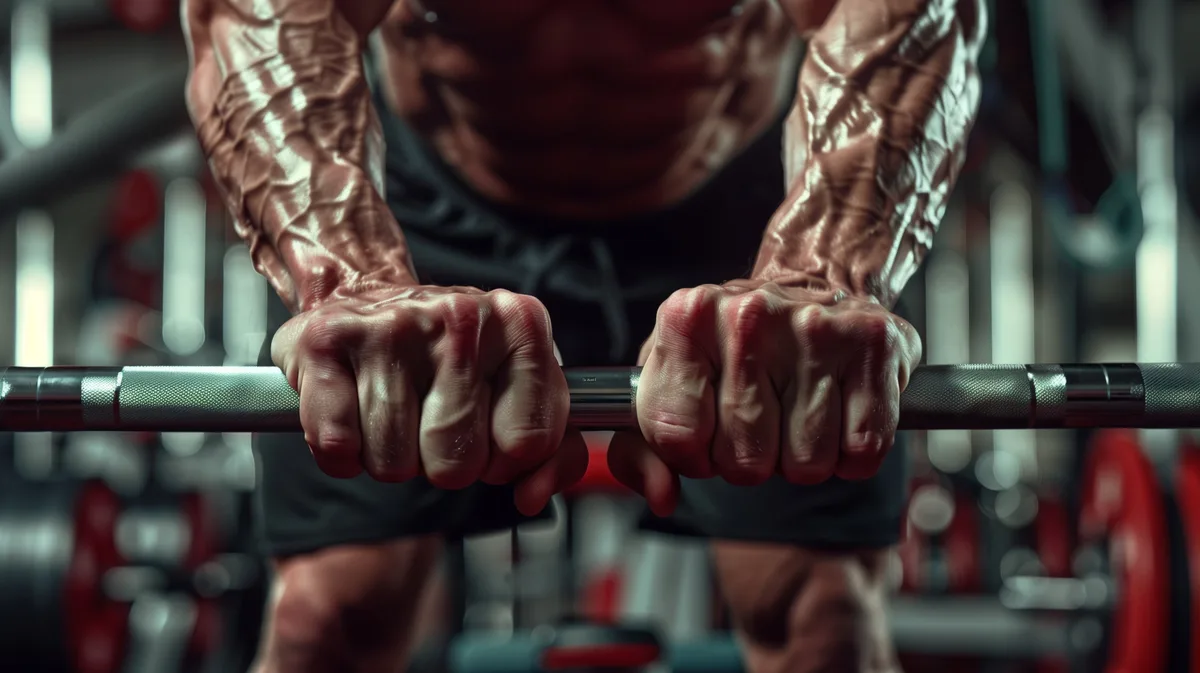
Image source: Bing (Web (fair-use with source credit))
Why Knowing Your Muscles Matters for Your Lifts
Understanding which specific muscles are activated during a deadlift is more than just trivia; it’s a practical tool that can significantly enhance your training. When you have a clear picture of the muscle engagement, you can make informed adjustments to your technique and programming. This knowledge helps you address weak points and ensure you’re getting the most comprehensive benefits from this powerful exercise.
Form, Weaknesses, and Smarter Training
If you're not feeling the engagement in the intended muscles, it often signals an issue with your form. For instance, if you feel the lift primarily in your lower back and not much in your hamstrings and glutes, you might not be hinging properly at the hips. This can lead to less efficient lifting and, more importantly, increase your risk of injury.
By understanding the role of each muscle group, you can better troubleshoot your technique. This knowledge also helps identify specific weaknesses. Perhaps your grip consistently fails before your legs do, or your upper back can't keep the bar close.
Knowing this allows you to select accessory exercises, like pull-ups or specific grip work, to target and strengthen those lagging areas. It's about training smarter, not just harder, to build well-rounded strength and achieve your goals safely and effectively.
Common Deadlift Mistakes That Miss Muscle Targets
Even with a good understanding of muscle engagement, it's easy to fall into common deadlift pitfalls. These errors don't just reduce your effectiveness; they can prevent certain muscles from working properly and even increase your risk of injury. Paying attention to these common issues can help you refine your technique.
One frequent mistake is initiating the pull with the arms rather than the legs and hips. This puts excessive strain on the biceps and upper back, while diminishing the work done by your hamstrings and glutes. Another error is not maintaining a neutral spine, causing the back muscles, particularly the erector spinae, to work inefficiently or become overloaded.
Visually, this often looks like the hips shooting up too quickly, leaving the chest and shoulders behind.
Is My Back Rounding Too Much?
If you suspect your back is rounding, it's crucial to address it immediately. This typically happens when your posterior chain (hamstrings, glutes, lower back) isn't strong or flexible enough to maintain a flat back throughout the lift. You might be starting with a rounded back or allowing it to round as you pull.
This puts immense pressure on your spinal discs and can lead to serious injury. Focus on controlled descent and ensure your setup prioritizes a tight, neutral spine. Learning to properly brace your core is fundamental here.
Are My Hips Shooting Up First?
This common deadlift fault means your legs aren't doing enough of the work to drive the weight up. If your hips rise much faster than your shoulders, your hamstrings and glutes aren't maximally engaged for hip extension. The bar ends up traveling too far away from your body, and you rely too much on your upper back to pull it the rest of the way.
To correct this, focus on pushing the floor away with your feet and keeping your chest up, as if you're trying to show the bar to the wall in front of you.
FAQ: Deep Dive into Deadlift Muscle Activation
Do deadlifts work my biceps?
While the biceps are not primary movers in a deadlift, they do act isometrically to help stabilize the arms and keep the bar close to the body. They are not contracting to lift the weight, but they are engaged to maintain tension.
Can deadlifts help with posture?
Yes, deadlifts can significantly improve posture by strengthening the entire posterior chain and core muscles, which are essential for maintaining an upright stance and a healthy spinal alignment. They build the muscles that counteract slouching.
Which deadlift variation works my glutes the most?
Variations like the Romanian deadlift (RDL) place a greater emphasis on the hamstrings and glutes due to the reduced knee bend and increased range of hip extension. Learning how to do Romanian deadlifts effectively can target these muscles more intensely.
Is it normal to feel sore in my forearms after deadlifts?
Absolutely. Grip strength is a major component of the deadlift, and it's common to experience significant soreness in your forearms and hands, especially when increasing weight or volume. This indicates your grip muscles are getting a serious workout.
Can deadlifts help build bigger legs?
Deadlifts are a fantastic exercise for overall leg development, heavily engaging the quadriceps, hamstrings, and glutes. While they might not isolate the quads as much as a leg press machine, they build powerful, functional strength across the entire lower body and are a key component for building strong legs. For dedicated quad development, consider exercises like the leg press.

