
Figuring out what is the difference between recreational and technical scuba diving is key to understanding your underwater journey. While both involve breathing underwater with scuba gear, they serve very different purposes and come with distinct requirements. One is about leisure and exploration, the other about pushing limits and accessing challenging environments.
Think of recreational diving as your entry ticket to seeing the underwater world, typically in clear, shallow waters, focusing on enjoyment and safety. Technical diving, however, is for those who want to go deeper, stay longer, or explore places that standard training doesn't cover. For instance, recreational diving generally sticks to depths around 130 feet (40 meters), while technical diving regularly surpasses this, requiring specialized equipment and gas mixes.

Today's Exclusive Deals
Limited-time Exclusive Deals. Check current discount on Amazon.
Check Price on Amazon As an Amazon Associate I earn from qualifying purchases.Diving In: Understanding the Core Concepts
Understanding the fundamental ideas behind both types of diving is the first step. It’s not just about depth; it's about the entire approach to exploring the underwater realm.
Recreational Diving Explained
Recreational scuba diving is all about experiencing the underwater world for fun and exploration. This type of diving focuses on relatively shallow depths, good visibility, and straightforward dive profiles. Your training here emphasizes safety, buoyancy control, and enjoying the sights like coral reefs or accessible shipwrecks.
The primary goal is to have a safe and enjoyable dive without undertaking complex logistical or physiological challenges. This is the most common form of scuba diving that people encounter on vacation or through introductory dive experiences.
Technical Diving Unpacked
Technical diving, often shortened to tech diving, is for adventurers seeking to go beyond the standard limits of recreational diving. This involves deeper dives, longer bottom times, or entering "overhead environments" like caves or inside large shipwrecks where ascent to the surface isn't always a direct, immediate option. It demands a higher level of training, meticulous planning, and specialized equipment and breathing gases.
The focus is on managing increased risks through rigorous procedures and advanced knowledge. As of 2026, the recognized standards for technical diving training continue to evolve, emphasizing the complexity involved.
Quick Answer
Recreational diving focuses on fun and exploration within safe, standard limits like 130 feet. Technical diving pushes those boundaries, going deeper or longer with specialized gas and advanced training. The core difference lies in objective, depth, gas mixes, and the extensive training required for the higher risks of technical diving.
Key Differentiators: Depth, Gas, and Training
The main distinctions between recreational and technical diving boil down to three critical elements: how deep you go, what you breathe, and the training you’ve completed. These factors are interconnected and dictate the entire approach to a dive.
Depth Limits and Dive Profiles
Recreational diving typically limits divers to a maximum depth of around 130 feet (40 meters). This limit is set based on the physiological effects of compressed air, particularly nitrogen narcosis, which can impair judgment at depth. Dive profiles are generally straightforward, meaning you descend, spend time at the bottom, and ascend, usually with a single safety stop if needed.
The goal is to enjoy the underwater scenery without stressing the body's limits.
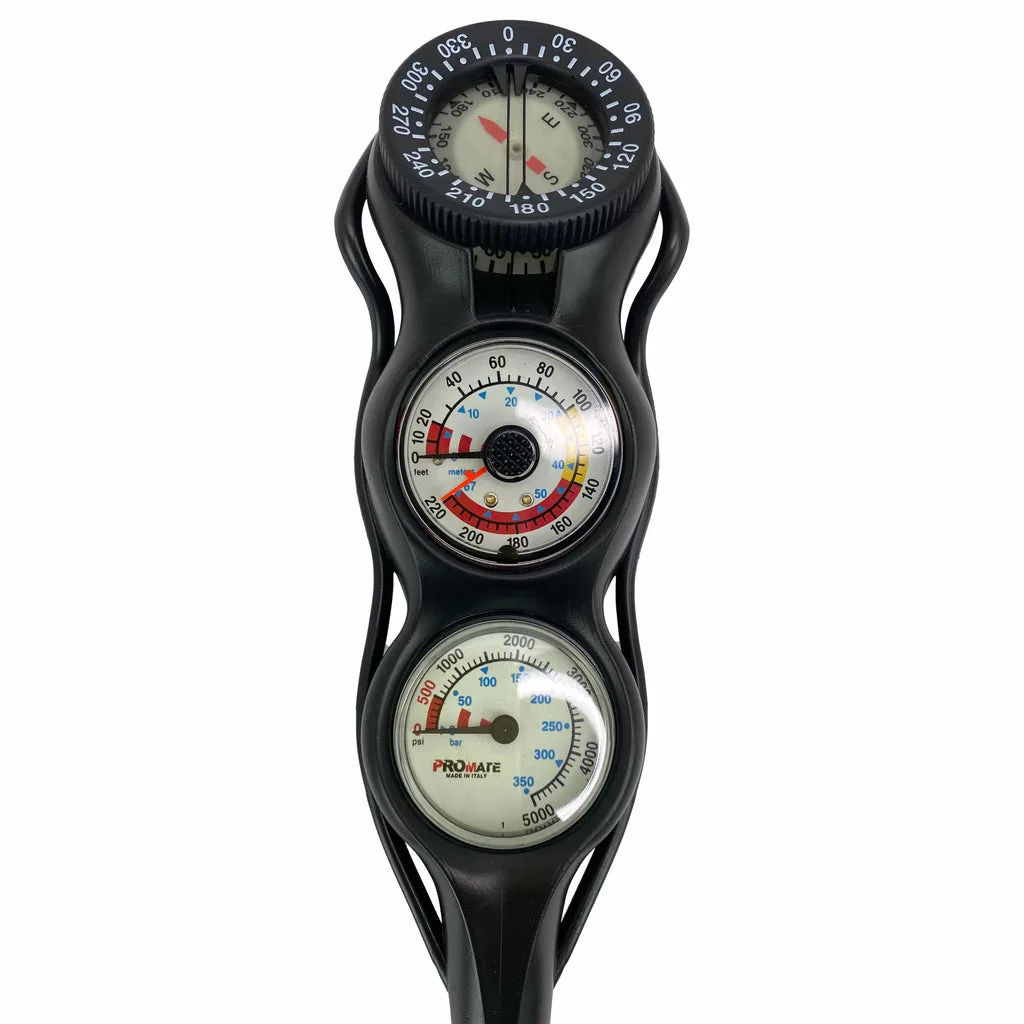
Image source: Bing (Web (fair-use with source credit))
Technical diving, conversely, regularly exceeds this 130-foot mark. Divers might explore wrecks at 200 feet (60 meters) or deeper, or conduct long, slow ascents from significant depths, requiring extended decompression stops. These dives involve more complex dive profiles, often incorporating multiple stages, specific gas switches, and very precise timing to manage the physiological stresses of extended exposure to pressure and different gas mixes.
Breathing Gas: Air vs. Special Mixes
For most recreational diving, standard compressed air is the breathing gas of choice. This is a simple mix of approximately 21% oxygen and 79% nitrogen. It's readily available, cost-effective, and perfectly suitable for dives within the recreational depth limits.

Image source: Web (Bing) / alsafechina.en.made-in-china.com (Web image (fair-use with source credit))
Technical diving requires specialized breathing gas mixtures to safely manage the increased physiological challenges of deeper or longer dives. These can include:
- Nitrox: Air with a higher percentage of oxygen (and therefore less nitrogen). This allows for longer bottom times at recreational depths or reduces nitrogen loading on deeper dives.
- Trimix: A blend of helium, oxygen, and nitrogen. Helium is used to reduce the narcotic effects of nitrogen at extreme depths and can also lower the density of the breathing gas, making it easier to breathe.
- Other mixes: Depending on the specific dive profile, specialized gases like pure oxygen might be used for decompression.
Choosing the right gas mix is critical and depends entirely on the planned depth and duration of the dive. Using the wrong mix can lead to serious consequences like oxygen toxicity or severe nitrogen narcosis. You can find more on specific gas mixes and their applications in advanced dive training materials.
The Training Ladder: From Beginner to Tech Diver
Getting certified for recreational diving is the entry point into the sport. Courses like Open Water Diver teach you the fundamental skills needed for safe diving. As you gain experience, you can pursue advanced certifications, which build on your skills for different environments or conditions, such as Advanced Open Water or Wreck Diver specialties.
These courses focus on expanding your knowledge and comfort level within established safety parameters. For those starting out, understanding the basic equipment is key; consider looking into best scuba diving gear for beginners 2026: top picks to buy now for guidance on initial equipment.
Technical diving requires a significantly more extensive training path. It doesn't simply mean doing a few "deep dives." Tech diving certifications are typically sequential and specialized. You’ll need advanced training beyond recreational limits, often involving courses focused on decompression procedures, gas blending, and mixed gas diving.
For example, a progression might look like Extended Range Nitrox, Advanced Trimix, and then Cave Diver certifications. This rigorous education ensures divers understand the complex physics, physiology, and planning necessary to manage the higher risks involved. Properly configured gear, like a reliable best scuba diving regulator 2026: top picks for every diver setup, is also paramount.
Who Is Each Type Of Diving For?
The choice between recreational and technical diving largely depends on your personal goals and your dedication to ongoing training. They cater to different types of underwater enthusiasts.
Recreational Diving: Your Gateway to Underwater Fun
Recreational diving is perfect for anyone looking to explore the wonders of the underwater world without an extreme focus on technical challenges. If you dream of swimming alongside colorful fish on a tropical reef, exploring a shallow, accessible shipwreck, or simply enjoying the peace and quiet beneath the waves, then recreational diving is your path. It's accessible to a wide range of people and offers incredible experiences for travelers and hobbyists alike.
For those starting out, understanding the basic safety gear is essential; consider looking into best scuba diving gear for beginners 2026: top picks to buy now for guidance on initial equipment. This type of diving is all about enjoyment and safe exploration within defined limits.
Technical Diving: For the Explorer Ready for More
Technical diving is for those who feel the call of the unknown, the desire to explore further and deeper than most divers can. If you're fascinated by deep wrecks, extensive cave systems, or long underwater explorations that push the boundaries of what's possible, then technical diving might be your passion. It requires a serious commitment to training, meticulous planning, and a deep respect for the increased risks involved.
Divers pursuing tech diving often have a strong background in recreational diving and a desire for more complex, challenging underwater expeditions. These dives can access environments that are otherwise unreachable, offering unique opportunities for discovery. The right gear, like a capable best scuba diving computer 2026: top picks for safe underwater adventures, is non-negotiable.
Navigating the Risks: Safety and Mistakes
Both recreational and technical diving carry inherent risks, but the nature and complexity of these risks differ significantly. Understanding common mistakes is crucial for staying safe in either discipline.
Common Recreational Diving Pitfalls
In recreational diving, the most frequent mistakes often stem from a lack of attention to fundamental skills or planning. These can include poor buoyancy control, which can damage delicate marine environments and make it difficult to enjoy the dive. Another common error is rushing ascents, potentially leading to minor decompression sickness.
Over-exertion, neglecting pre-dive checks, or not properly managing air consumption are also frequent slip-ups for newer divers. Simple errors in buddy checks or not understanding hand signals can also lead to miscommunication underwater.
Technical Diving Hazards and How to Manage Them
Technical diving introduces a new layer of complexity and significantly higher risks if not managed properly. Mistakes here can have far more severe consequences. Key hazards include:
- Gas Toxicity: Oxygen toxicity at depth or prolonged exposure to high partial pressures of nitrogen can cause serious physiological problems. This is managed through careful gas selection and adherence to depth limits for each gas mix.
- Decompression Sickness (DCS): Deeper and longer dives require meticulous decompression planning to avoid the bends. This involves calculated "decompression stops" on the ascent, often using different gas mixes to accelerate off-gassing. Missing or shortening these stops can lead to DCS.
- Equipment Failure: Technical divers often carry more equipment, and a failure in a critical system, like a regulator or a buoyancy control device, can be more challenging to manage. Redundant systems are standard.
- Gas Management Errors: Running out of gas, or "out of air," is a critical emergency in any diving, but in tech diving, it's compounded by the potential need for specific decompression gas mixes. Precise gas planning and monitoring are essential.
- Environmental Hazards: Accessing complex environments like caves or deep wrecks exposes divers to risks like entanglement, equipment damage, or disorientation. Rigorous training in specialized environments, often using a best scuba diving knife 2026: top picks for safe underwater adventures, is vital.
Meticulous planning, extensive training from reputable agencies, and unwavering adherence to established procedures are the cornerstones of safe technical diving.
Making Your Choice: Which Path Is Right for You?
Deciding whether recreational or technical diving is the right fit hinges on your personal goals and commitment. If your aim is to explore the ocean's beauty, see vibrant marine life, and enjoy the underwater world in a relaxed manner, recreational diving is your clear choice. It offers incredible experiences without the demanding training and complex planning required for more advanced pursuits.
For those just starting, understanding the basic safety gear is essential; consider looking into best scuba diving gear for beginners 2026: top picks to buy now for guidance on initial equipment.
On the other hand, if you find yourself consistently drawn to exploring the limits, seeking out deeper wrecks, venturing into overhead environments like caves, or pushing the boundaries of time underwater, technical diving may be your calling. This path demands significant dedication to advanced training, meticulous preparation, and a proactive approach to risk management. It’s a journey for the serious explorer who thrives on challenge and has a deep respect for the complexities of advanced diving physics and physiology.
Having the right tools, like a robust best scuba diving regulator for beginners 2026: top picks reviewed or a dependable best scuba diving computer 2026: top picks for safe underwater adventures, is crucial for both, but especially for tech divers.
Do I Need Special Gear for Technical Diving?
Absolutely, technical diving requires specialized equipment that goes beyond what's used in recreational diving. This often includes multiple gas cylinders for breathable air and decompression gases, redundant regulators, specialized buoyancy control devices (BCDs) designed for twin tanks, and sophisticated dive computers capable of tracking complex decompression profiles. Your typical recreational gear, like a single-tank BCD or a basic mask and fins, simply isn't sufficient for the demands of tech diving.
For instance, while a good set of fins is vital for recreational diving, tech divers might use specialized propulsion devices or rebreathers depending on the mission. You can explore some general gear considerations in guides like best scuba diving fins for strong currents 2026: top picks reviewed.
How Much More Training Do I Need for Tech Diving?
The training gap between recreational and technical diving is substantial. A certified recreational diver typically has basic open water certification. Technical diving, however, requires a series of progressively advanced certifications.
You'll need specific courses for wreck penetration, cave diving, extended range nitrox, and trimix diving, among others. Each certification builds upon the last, focusing on complex gas management, decompression theory, and emergency procedures. Aggregating feedback from training agencies indicates that a full technical diver training path can easily involve hundreds of hours of dedicated study and practical application, far exceeding the typical 30-40 hours for initial recreational certification.
Frequently Asked Questions About Recreational vs. Tech Diving
What is the main goal of recreational diving?
The primary goal of recreational diving is to enjoy exploring the underwater environment safely. This includes seeing marine life, exploring shallow reefs or accessible wrecks, and experiencing the sensation of weightlessness.
Can I use my recreational scuba gear for technical diving?
No, recreational scuba gear is generally not suitable for technical diving. Tech diving requires specialized equipment like multiple tanks, redundant regulators, and advanced computers to handle greater depths and complexities.
Is technical diving significantly more dangerous than recreational diving?
Yes, technical diving is inherently more dangerous due to the increased depths, longer dive times, and specialized equipment. It demands a much higher level of training, meticulous planning, and strict adherence to safety protocols to manage these elevated risks.
How deep can a recreational diver typically go?
A recreational diver is generally trained to a maximum depth of about 130 feet (40 meters). This limit is established to mitigate risks associated with nitrogen narcosis and decompression sickness.
What are the most common gas mixes used in technical diving?
The most common gas mixes in technical diving are Nitrox (higher oxygen, less nitrogen for extended bottom time) and Trimix (helium, oxygen, and nitrogen for deep dives to manage narcosis and breathing resistance).

