When you're gearing up for an underwater adventure, knowing what are the risks of scuba diving? is your first and most important step. Diving opens up a breathtaking new world, but it's crucial to be prepared for the unique physical challenges that come with exploring below the surface. Ignoring these potential dangers can quickly turn a dream dive into a serious emergency.
Our research indicates that understanding these risks means being aware of how your body reacts to pressure changes and the underwater environment. For instance, critical safety protocols, like those outlined by Divers Alert Network (DAN), emphasize proper dive planning to prevent issues like decompression sickness, which occurs when dissolved gases in your body form bubbles during ascent.

Today's Exclusive Deals
Limited-time Exclusive Deals. Check current discount on Amazon.
Check Price on Amazon As an Amazon Associate I earn from qualifying purchases.Quick Answer
Scuba diving risks include decompression sickness, lung overexpansion, nitrogen narcosis, and barotrauma to ears and sinuses. Environmental factors like cold and marine life also pose threats. Proper training, meticulous dive planning, and adhering to safety guidelines significantly reduce these dangers.
Understanding Scuba Diving Risks: Why This Matters
Diving is an incredible way to see parts of our planet most people never experience. You can drift alongside sea turtles, explore vibrant coral reefs, or even glide through historical shipwrecks. It's an adventure that offers both tranquility and excitement.
However, the underwater world operates under different rules than our everyday lives, primarily due to pressure. As you descend, the water pressure around you increases significantly, and your body has to adapt.
This pressure change affects how gases behave in your body, especially the air you breathe from your scuba tank. Incorrectly managing these pressure effects can lead to a range of injuries, some of which can be severe or even life-threatening. That's why getting certified training is non-negotiable; it teaches you the fundamental principles of diving physiology and the practical skills needed to handle these situations safely.
As of 2026, recreational diving fatalities remain low, but this is a direct result of rigorous training standards and adherence to safety protocols.

Core Risks: What Can Go Wrong Underwater
The underwater environment presents several distinct challenges that divers must understand and respect. These risks stem from both the physical properties of water pressure and the physiological responses of the human body. Being aware of these core risks is the first step in mitigating them.
Decompression Sickness (The Bends) and Gas Issues
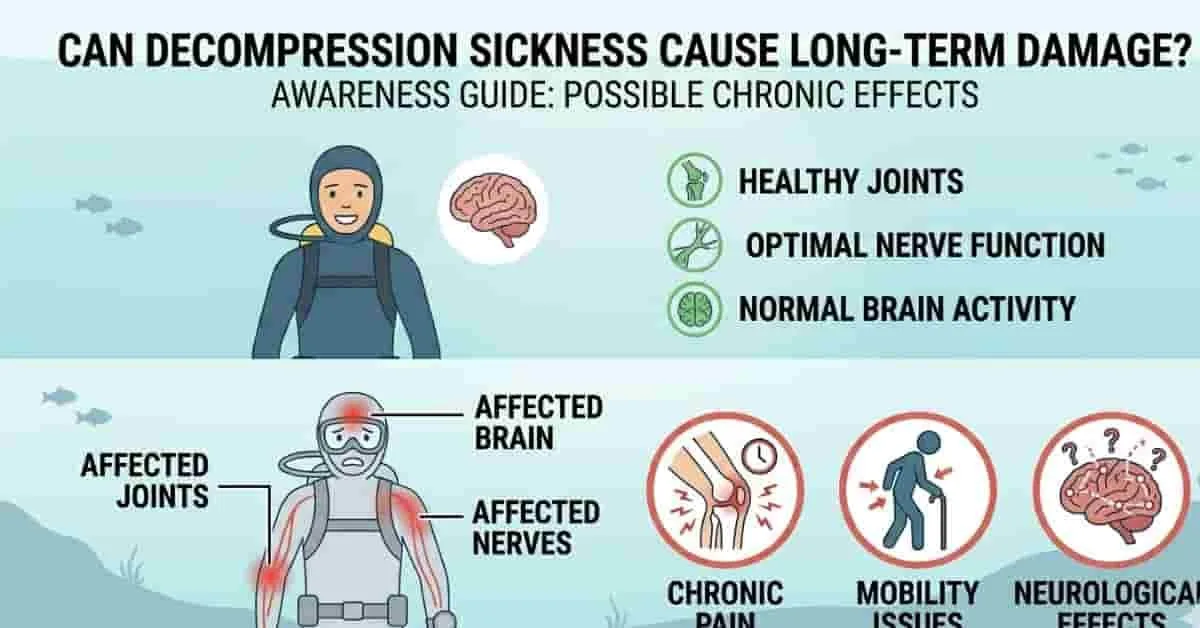
This is perhaps the most talked-about risk in scuba diving, often referred to as "the bends." It happens when you ascend too quickly from a dive, or spend too long at depth, causing dissolved nitrogen gas in your body tissues to form bubbles. Think of it like opening a soda bottle too fast; the dissolved CO2 rapidly comes out of solution, creating fizz. In your body, these nitrogen bubbles can cause pain, neurological problems, or even paralysis.
- Nitrogen Narcosis: At deeper depths (typically below 100 feet), the increased partial pressure of nitrogen can have an intoxicating effect, similar to alcohol intoxication. This "rapture of the deep" can impair your judgment, leading to poor decision-making. It usually resolves when you ascend to shallower depths, but it's a serious distraction while diving.
- Oxygen Toxicity: While nitrogen narcosis is about too much gas at pressure, breathing pure oxygen or enriched air (like Nitrox) at certain depths or for extended periods can lead to oxygen toxicity. This can cause convulsions underwater, which is extremely dangerous. Proper dive planning and equipment checks, like ensuring you have the correct best scuba diving regulator for beginners 2026: top picks reviewed, are key to managing these gas-related risks.
Barotrauma: Your Ears, Sinuses, and Lungs
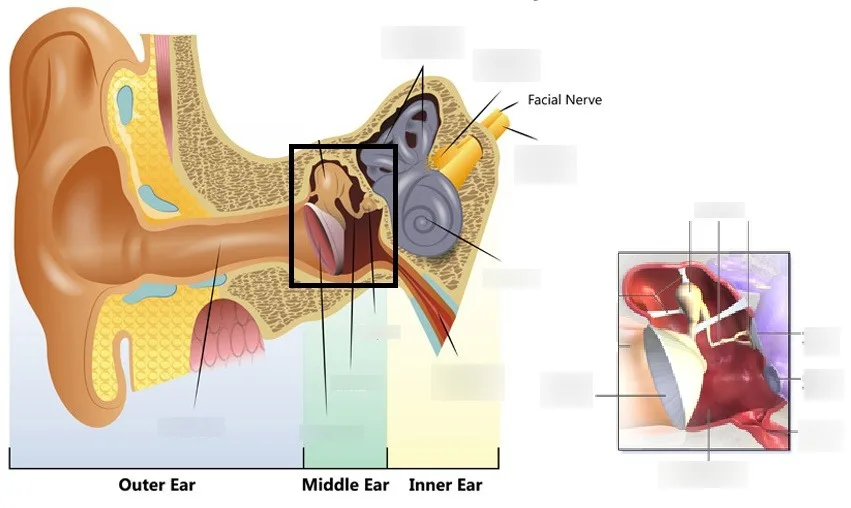
Barotrauma refers to injuries caused by pressure differences between a body air space and the surrounding water pressure. Your ears and sinuses are particularly vulnerable because they are air-filled cavities that need to be equalized during descent.
- Ear Barotrauma: If you can't equalize the pressure in your middle ear during descent, the pressure difference can rupture your eardrum or damage the delicate structures within your ear. Symptoms include pain, dizziness, and hearing loss.
- Sinus Barotrauma: Blocked sinuses, often due to a cold or allergies, can prevent proper equalization. This can lead to pain, nosebleeds, and potentially sinus tissue damage.
- Lung Overexpansion Injuries (LOI): This is one of the most serious diving risks and happens if you hold your breath while ascending. As you ascend, the air in your lungs expands. If you don't exhale, this expanding air can rupture lung tissue, forcing air into your bloodstream (arterial gas embolism) or chest cavity (pneumothorax). Arterial gas embolism is a life-threatening condition where air bubbles travel to your brain or heart. Always exhale continuously during ascent.
Environmental Hazards: Water Temperature and Marine Life
Beyond the direct effects of pressure, the underwater environment itself presents hazards.
- Hypothermia: Water conducts heat away from your body much faster than air. Prolonged exposure, even in water that feels only slightly cool, can lead to hypothermia. Symptoms include shivering, confusion, and loss of coordination. Wearing an appropriate best scuba diving wetsuit for cold water 2026: top picks reviewed or a drysuit is crucial for maintaining body temperature.
- Marine Life Encounters: While most marine animals are not aggressive, some can inflict painful stings or bites if provoked or accidentally touched. Jellyfish, lionfish, sea urchins, and certain types of coral can cause reactions. Sharks are rarely aggressive towards divers, and attacks are exceptionally uncommon, but respecting their space is always wise. Wearing protective gear like best scuba diving gloves for comfort and safety in 2026 and best scuba diving boots for rocky shore 2026: top picks reviewed can offer some protection against minor abrasions and stings.
Key Factors That Increase Your Risk
While diving is generally safe when proper protocols are followed, certain factors can significantly increase your risk of experiencing an incident. Understanding these elements helps you make informed decisions about when, where, and how you dive.
Diving Experience and Training Level
Your progression through dive training directly impacts your safety. Beginners are at a higher risk due to less familiarity with equipment, procedures, and emergency responses. A certification course from an agency like PADI or NAUI covers essential skills, but real-world experience is also vital.
- Lack of Certification: Diving without proper certification is extremely risky. You won't have the foundational knowledge of physics, physiology, and emergency skills necessary for safe diving.
- Inadequate Advanced Training: Venturing into technical diving, deep dives, or complex environments like caves or wrecks without specific advanced training and experience is highly dangerous. For instance, cave diving requires specialized skills to manage navigation and breathing gases in confined, overhead environments.
- Overconfidence: Experienced divers can sometimes become overconfident, leading them to push limits or ignore safety checks. Complacency is a silent risk factor.
Dive Planning and Execution
Thorough planning is the bedrock of safe diving. Rushing this process or deviating from the plan without good reason can lead to problems.
- Ignoring Dive Tables or Dive Computers: These tools are designed to calculate safe bottom times and ascent profiles based on depth and duration. Not using them or misinterpreting their readings is a primary cause of decompression sickness. Your best scuba diving computer 2026: top picks for safe underwater adventures is a critical piece of safety equipment.
- Diving Beyond Personal Limits: This includes exceeding depth limits for your certification, diving in conditions you're not comfortable with (e.g., strong currents, poor visibility), or diving with a partner whose skills don't match yours.
- Improper Ascent Rates: Ascending too quickly is a direct cause of lung overexpansion injuries and decompression sickness. Strict adherence to ascent rate guidelines (usually 30 feet per minute or slower) and performing safety stops is paramount.
Equipment and Medical Fitness
Your gear and your personal health are direct determinants of dive safety.
- Equipment Malfunction: While rare with modern gear, regulators can fail, BCDs might lose air, or computers can malfunction. Regular maintenance and thorough pre-dive checks are essential to catch potential issues. Ensuring you have reliable gear, such as a quality best scuba diving regulator 2026: top picks for every diver, is a crucial part of preparation.
- Pre-existing Medical Conditions: Certain conditions can make diving dangerous. These include heart and lung diseases, uncontrolled diabetes, epilepsy, and psychological disorders. Always consult a physician if you have any doubts about your fitness to dive. Many dive training agencies require a medical questionnaire, and a physician's sign-off may be needed.
- Illness or Fatigue: Diving while sick (especially with a cold or congestion) or severely fatigued significantly increases your risk of barotrauma and impaired judgment. Never dive if you feel unwell.
How to Dive Safely: Essential Practices
Staying safe underwater isn't about luck; it's about consistently applying proven techniques and knowledge. These practices are learned during your initial certification and reinforced with every dive.
Pre-Dive Checks and Planning
Before you even get in the water, a significant amount of safety work happens. This includes reviewing your dive plan and performing a buddy check.
- Dive Plan Review: Discuss your intended depth, bottom time, ascent procedures, potential hazards, and emergency signals with your dive buddy. This ensures you are both on the same page. For planned deep dives, you might consult specific dive tables or your dive computer's plan mode.
- Buddy Check (BWRAF): This is a systematic, verbal, and tactile check of your buddy's equipment and your own. It covers Breathing (is air on?), Weights (are they secure?), Releases (are they easy to find and use?), Air (is it on and sufficient?), and Final Okay (a last check before entering the water). This checklist helps catch crucial errors like forgetting to turn on the air supply. Reliable best scuba diving gear for beginners 2026: top picks to buy now makes these checks more straightforward.
Controlled Ascents and Safety Stops
Ascent is a critical phase of the dive where most pressure-related injuries can occur if not managed correctly.
- Ascent Rate: Always ascend slowly and smoothly. The standard guideline is no faster than 30 feet per minute (9 meters per minute). Your dive computer will typically track this for you, often with an audible or visual alarm if you ascend too quickly.
- Safety Stops: At around 15-20 feet (5-6 meters) from the surface, a safety stop of 3-5 minutes is highly recommended on most dives, especially those approaching the no-decompression limits. This allows your body to off-gas excess nitrogen more effectively, reducing the risk of decompression sickness. Maintaining neutral buoyancy at your safety stop is also key.
Breathing Techniques and Air Management
How you breathe underwater is fundamental to both safety and enjoyment.
- Never Hold Your Breath: This is the golden rule of scuba diving, especially during ascent. Your lungs are designed to expand as you rise; holding your breath can lead to lung overexpansion injuries. Breathe smoothly and continuously.
- Monitor Your Air Supply: Regularly check your submersible pressure gauge (SPG) or dive computer to know how much air you have left. Always maintain a safe reserve and plan your ascent with your buddy based on air consumption. A good rule of thumb is to ascend when you and your buddy reach a pre-determined low air pressure, typically around 500 PSI (34 bar).
When to Seek Expert Help and What to Do
Despite all precautions, dive emergencies can happen. Knowing how to recognize potential problems and what immediate steps to take is vital. Prompt and correct action can make a significant difference.
Recognizing Symptoms of Dive Illnesses
Many dive-related illnesses share symptoms that can be easily mistaken for other conditions. Awareness is key.
- Decompression Sickness (DCS) Symptoms:
- Joint pain (most common)
- Skin rash or itching
- Dizziness or vertigo
- Fatigue or weakness
- Numbness, tingling, or paralysis
- Shortness of breath
- Confusion or personality changes
- Lung Overexpansion Injury (LOI) Symptoms:
- Sudden chest pain
- Difficulty breathing
- Coughing up blood
- Dizziness or loss of consciousness
- Weakness or paralysis
- Nitrogen Narcosis Symptoms:
- Impaired judgment and decision-making
- Euphoria or anxiety
- Drowsiness
- Disorientation
- Visual or auditory distortions
Emergency Procedures and First Aid
If you or your buddy suspect a dive illness, immediate action is required.
- Administer Oxygen: If available, administer 100% oxygen to a suspected DCS or LOI victim. This is a critical first aid measure recommended by DAN. Proper training on its use is essential, often covered in advanced diver courses or specific first aid training.
- Call for Help: Contact emergency medical services immediately. For diving-specific emergencies, inform them that a diver is involved.
- Rehydration: For mild DCS symptoms after proper treatment, keeping the diver hydrated is important.
- Seek Recompression: The definitive treatment for DCS and severe LOI is recompression in a hyperbaric chamber. This is why rapid transport to a facility with recompression capabilities is crucial. Your dive insurance often covers these costs; checking this beforehand is wise.
Medical Advice for Divers
It's not just about emergencies; ongoing health and prior conditions matter.
- Fitness to Dive: If you have any medical concerns, consult a doctor who is familiar with diving medicine. Organizations like the Undersea and Hyperbaric Medical Society (UHMS) can help you find qualified physicians.
- Post-Dive Symptoms: If you experience any unusual symptoms after a dive, even if mild, err on the side of caution. Do not fly or drive to altitude, and seek advice from dive medicine professionals or DAN. Symptoms can sometimes be delayed.
Essential Scuba Diving Safety Gear and Certifications
The right equipment and proper training are your primary lines of defense against diving risks. They aren't optional extras; they are fundamental to safe underwater exploration.
- Certification: This is your ticket to safe diving. Courses from recognized agencies like PADI, NAUI, or SSI provide the knowledge and skills needed to understand diving physics, physiology, and emergency procedures. Without a certification, you're effectively diving blind to the inherent risks. Always dive within the limits of your certification level.
- Dive Computer: More than just a timer, a dive computer tracks your depth, bottom time, ascent rate, and calculates decompression obligations. It's an indispensable tool for managing nitrogen exposure. Having a reliable best scuba diving computer 2026: top picks for safe underwater adventures is as important as your mask and regulator.
- Surface Marker Buoy (SMB) / Dive Flag: This is your communication with the surface. Deploying an SMB during your ascent ensures boat traffic sees you. A dive flag indicates that divers are in the water. Your best scuba diving surface marker buoy reviews and buying guide 2026 outlines options for this critical piece of safety gear.
- Dive Knife or Cutting Tool: Essential for dealing with entanglement situations, whether it's fishing line, a dropped net, or a malfunctioning piece of gear. A securely mounted best scuba diving knife 2026: top picks for safe underwater adventures is a must-have.
- Appropriate Exposure Protection: This means a wetsuit or drysuit suited to the water temperature. Without it, hypothermia becomes a significant risk, impairing your physical and mental capabilities underwater. Your choice between a best scuba diving wetsuit for warm water 2027 or a thicker model for colder environments is a critical safety decision.
- Buoyancy Control Device (BCD): While not directly a safety device in an emergency, proper buoyancy control is fundamental to safe diving. It allows you to manage your depth, maintain stability, and perform safety stops effectively. A well-fitting 8 best scuba diving bcd 2027: top picks for every diver is key to good buoyancy.
- Oxygen Kit and First Aid: Having access to and knowing how to use emergency oxygen and basic first aid supplies can be life-saving in the event of a dive-related incident. Many dive centers offer specialized O2 provider courses.
Real Scenarios: What Divers Encounter
Understanding the risks is one thing, but seeing how they play out in real situations can really drive the point home. These scenarios highlight common challenges and how preparedness can make a difference.
The Case of the Unplanned Ascent
A certified diver, feeling confident after several successful dives, decides to skip a full pre-dive check with their buddy to save time. During the dive, they notice their air is running lower than expected but don't worry too much, thinking they have enough to reach the surface. As they begin their ascent, they get distracted by a passing school of fish and rise too quickly without pausing for a safety stop.
Upon surfacing, they experience severe joint pain and dizziness. This is a classic presentation of decompression sickness, directly linked to an inadequate ascent rate and skipped safety stop. This diver's experience underscores the importance of always following dive plans and procedures meticulously, regardless of experience level.
Narcosis and the Confused Diver
On a dive trip to a popular Pacific reef, an experienced diver descends to a site known for its deeper sections, around 120 feet. As they explore a coral formation, they start feeling unusually giddy and find themselves laughing at things that aren't particularly funny. They notice their buddy looking concerned but dismiss it, thinking they're just enjoying the dive.
However, their ability to monitor their air supply diminishes, and they briefly lose track of their depth. Fortunately, their buddy notices the erratic behavior, signals to ascend, and guides them back to 60 feet where the narcosis dissipates. This scenario shows how nitrogen narcosis can subtly but dangerously affect judgment, making clear communication and a reliable buddy crucial for safety.
Equipment Failure in Action
During a dive in cooler waters, a diver's primary regulator begins to free-flow air intermittently. At first, they try to manage it by adjusting their grip, but it soon becomes a constant stream of bubbles. This not only depletes their air supply rapidly but also makes it difficult to hear their buddy or notice other important sounds.
The diver signals their buddy for assistance, and they execute an emergency ascent together. This incident highlights why regular equipment maintenance, as recommended by manufacturers, and knowing your alternate air source (octopus) procedures are non-negotiable. Investing in quality gear, like a dependable best scuba diving regulator 2026: top picks for every diver, is a key part of risk mitigation.
What Are the Biggest Mistakes Divers Make?
Even with good training, common errors can put divers at risk. Recognizing these pitfalls is the first step to avoiding them.
Rushing the Dive Process
This encompasses everything from skipping pre-dive checks to a hasty ascent. Divers might feel pressured by time, fellow divers, or just a desire to get in the water. This leads to overlooking critical steps, such as ensuring all gear is functioning, air is turned on, or weights are properly secured.
A quick pre-dive check takes mere minutes but can prevent an incident that could ruin a trip or worse. Similarly, rushing an ascent bypasses essential off-gassing periods and safety stops, directly increasing the risk of decompression sickness.
Ignoring Subtle Symptoms
Many dive-related issues don't manifest as sudden, dramatic events. A slight headache, mild dizziness, or unusual fatigue after a dive can be early signs of DCS or nitrogen narcosis. Divers sometimes dismiss these as normal tiredness or dehydration, especially if they aren't experiencing obvious pain.
However, these subtle cues are your body telling you something is wrong. Always pay attention to how you feel, both during and after a dive, and don't hesitate to communicate any concerns to your buddy or seek professional advice.
Diving While Unfit or Unprepared
Diving requires a certain level of physical and mental fitness. Pushing yourself when you're sick, exhausted, or hungover is a recipe for disaster. Your body's ability to handle pressure changes and stress is compromised.
Likewise, diving in conditions beyond your training or experience level, such as strong currents or low visibility, without proper skills or equipment, dramatically increases risk. This includes diving with faulty or poorly maintained gear; ensure your equipment, like your BCD and air delivery system, is regularly serviced. A well-maintained best scuba diving gear set 2026 for ultimate underwater adventure is fundamental.
Is It Worth the Risk? The Benefits of Diving
Despite the risks, millions of people enjoy scuba diving safely every year, and for good reason. The rewards of exploring the underwater world are profound and unique.
- Unparalleled Exploration: You get to witness ecosystems and landscapes that are otherwise inaccessible. From vibrant coral reefs teeming with life to mysterious shipwrecks and geological formations, the visual and sensory experience is unlike any other. Divers often describe it as visiting another planet.
- Stress Reduction and Mindfulness: The quiet, weightless environment underwater can be incredibly meditative. Focusing on breathing and your surroundings promotes a sense of calm and mindfulness, offering a unique escape from daily stresses. Many divers find it a deeply relaxing activity.
- Physical and Mental Challenge: Diving offers a gentle form of exercise, improving cardiovascular health and strength. Mentally, it requires focus, problem-solving, and adherence to procedures, providing a satisfying sense of accomplishment and competence. Mastering buoyancy control, for example, is a skill that takes practice and offers great rewards.
- Community and Adventure: Diving opens doors to a global community of like-minded individuals. It’s an activity that encourages travel, shared experiences, and lifelong learning. Whether you're exploring local waters or exotic destinations, there's always a new adventure waiting.
Final Safety Checklist: Your Dive Readiness Guide
Before you even think about suiting up, running through this checklist ensures you’re truly ready to dive safely. It combines preparation, equipment, and personal well-being.
- Medical Fitness: Have you consulted a doctor if you have any health concerns? Are you feeling well today, free from congestion, fatigue, or injury?
- Certification: Are you certified for the type of diving you plan to do? Do you understand and agree to the plan with your buddy?
- Equipment Check: Has your gear been serviced recently? Did you complete a thorough buddy check before the dive? Is your dive computer or tables programmed correctly for the dive?
- Environmental Awareness: Have you checked the weather and water conditions? Are you dressed appropriately for the water temperature with adequate exposure protection?
- Mental Preparedness: Are you feeling mentally alert and focused? Are you comfortable with the dive plan and potential risks?
If you can confidently answer "yes" to all these points, you're well on your way to a safe and enjoyable dive. Remember, safety isn't just about equipment; it's about your mindset and preparation.