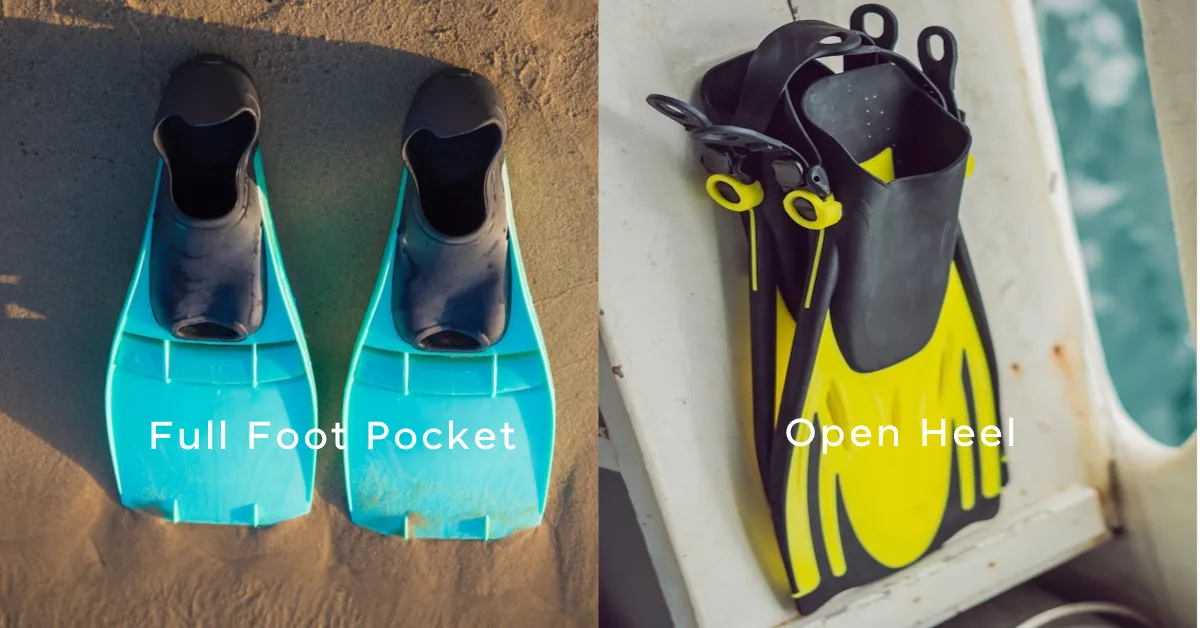
Image source: Web (Bing) / enrichingpursuits.com (Web image (fair-use with source credit))

Today's Exclusive Deals
Limited-time Exclusive Deals. Check current discount on Amazon.
Check Price on Amazon As an Amazon Associate I earn from qualifying purchases.Open-Heel vs. Full-Foot Fins: What's the Real Difference?
Navigating the world of swim fins can feel a little overwhelming, especially when you’re trying to figure out what equipment you actually need. The main fork in the road often comes down to one key distinction: open-heel versus full-foot fins. Understanding what sets these two types apart is crucial for comfortable, efficient movement in the water, whether you're exploring coral reefs or getting in your daily laps.
Our research indicates that the choice between open-heel and full-foot fins isn't just about aesthetics; it directly impacts fit, comfort, and suitability for different water activities. For instance, manufacturer specifications for many neoprene booties designed for scuba diving show a typical thickness ranging from 3mm to 7mm, offering varying levels of warmth and protection that are essential when paired with adjustable open-heel fins. Let’s break down these differences so you can make the best choice for your aquatic adventures.
Quick Answer: How Open-Heel and Full-Foot Fins Differ
Open-heel fins have an adjustable strap at the back, requiring footwear like booties. Full-foot fins are like enclosed shoes, worn barefoot. Open-heel fins offer customizable fit for varied conditions.
Full-foot fins provide a streamlined, simple option, often favored in warm water. The primary difference is adjustability versus an integrated, barefoot design.
Open-Heel Fins: The Adjustable System Explained
Open-heel fins are designed with a strap system at the back, allowing you to adjust the fit around your heel. This adjustability is their defining characteristic and dictates how you use them. You absolutely need to wear something on your feet with these fins.
Key Features and How They Work
The main feature of open-heel fins is the adjustable strap, which typically uses a quick-release buckle or a Velcro closure. This mechanism lets you cinch the fin snugly onto your foot, ensuring it stays secure during your swim or dive. The fin pocket itself is usually larger and more open at the heel to accommodate various types of footwear.
Because you're not wearing them barefoot, the internal surface of the fin pocket is often less concerned with comfort against bare skin and more about securing the foot and any accompanying footwear. This design makes them a versatile choice across different water temperatures and for various foot sizes.
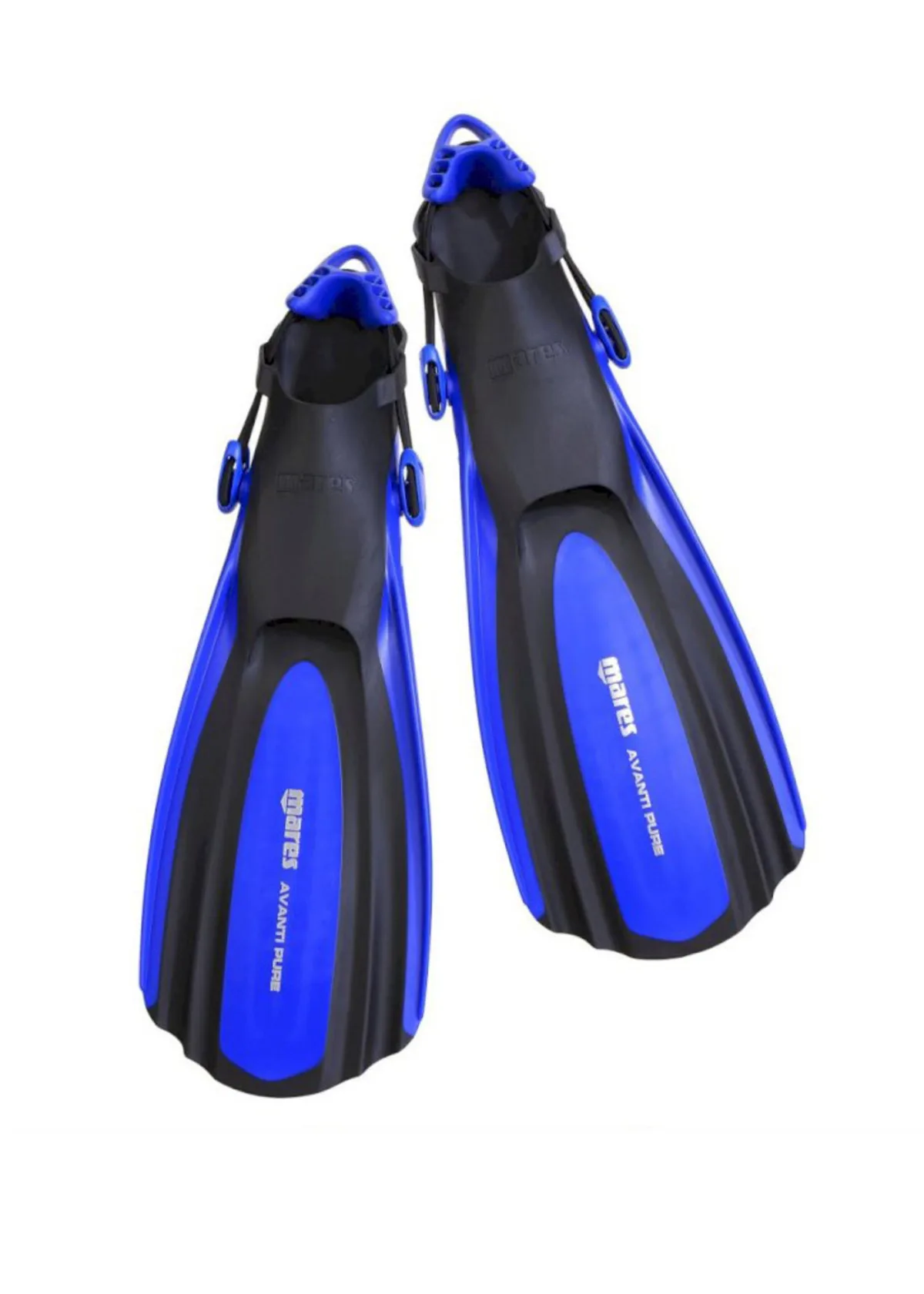
Image source: Bing (Web (fair-use with source credit))
Why You Need Footwear with Open-Heel Fins
The necessity of footwear with open-heel fins stems directly from their design. Without a snug, secure fit around the heel, the fins would simply slip off. Therefore, you'll typically pair them with neoprene booties, reef shoes, or even thick socks.
These add a layer of comfort, prevent chafing from the straps, and crucially, provide thermal insulation in cooler water. For scuba divers, these booties also offer protection against sharp objects on the seabed and can help prevent blisters from the constant motion of finning. Many divers opt for a pair of best scuba diving boots for rocky shore 2026 to ensure maximum comfort and safety underwater.
The thickness of these booties can range, with 3mm being common for moderate temperatures and 7mm for colder environments, allowing for a degree of thermal regulation.
Full-Foot Fins: The Streamlined, Barefoot Design
Full-foot fins, often called closed-heel fins, are designed to be worn directly on your bare feet, much like a shoe or a slipper. The foot pocket is fully enclosed, offering a snug and integrated fit. This simplicity is their primary advantage for many water enthusiasts.
Key Features and How They Work
The defining characteristic of full-foot fins is their integrated foot pocket. This pocket is molded to cup your foot securely from the toes to the heel, eliminating the need for separate footwear. Because they are worn barefoot, the inside of the foot pocket is usually lined with soft, comfortable material to prevent irritation and provide a good grip.
This design allows for a very streamlined profile, which can lead to more efficient propulsion with less drag. Many full-foot fins are also constructed from lighter materials compared to their open-heel counterparts, making them a popular choice for travel and recreational snorkeling.
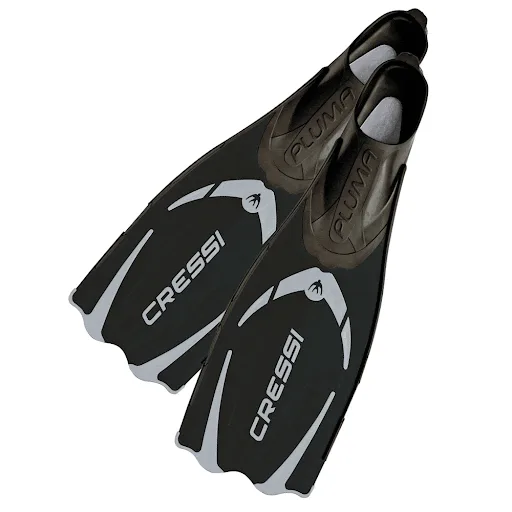
Image source: Bing (Web (fair-use with source credit))
When Barefoot is Best
Full-foot fins truly shine in warmer water conditions or for activities where bulky footwear isn't practical. They offer a minimalist approach, letting you slip them on and head straight for the water without fuss. This makes them ideal for casual snorkeling trips in tropical locations or for fitness swimmers looking for a simple, effective way to increase their leg workout.
The direct contact between your foot and the fin pocket can also provide a more sensitive feel for the water, allowing for subtle adjustments in your kick for better control. If you’re packing light for a vacation, a pair of these can easily fit into best scuba diving gear bag 2027 without taking up much space. They are also a great option for beginners who want a straightforward and comfortable fin experience.
Open-Heel vs. Full-Foot: A Direct Comparison
The choice between open-heel and full-foot fins often comes down to your specific needs, the type of water activity you’re pursuing, and the conditions you expect. While both are designed to enhance your propulsion in the water, their fundamental differences in fit and design cater to distinct user preferences and scenarios. Understanding these contrasts is key to selecting the pair that will serve you best.
Side-by-Side Feature Breakdown
Here’s a quick look at how they stack up against each other on key features:
| Feature | Open-Heel Fins | Full-Foot Fins |
|---|---|---|
| Fit Mechanism | Adjustable strap (buckle, Velcro) | Enclosed foot pocket (snug, fixed) |
| Footwear Req'd | Yes (booties, reef shoes, thick socks) | No (worn barefoot) |
| Adjustability | High; accommodates foot size variations & booties | Low; relies on precise sizing to the bare foot |
| Thermal Warmth | Enhanced by booties; adaptable to water temps | Limited to the material; best for warmer water |
| Foot Protection | Enhanced by booties; guards against abrasions | Minimal; relies on fin material |
| Streamlining | Can be bulkier with booties | Generally more streamlined and compact |
| Ease of Use | Requires donning footwear first | Slip-on and go |
| Typical Use | Scuba diving, colder water snorkeling/diving | Recreational snorkeling (warm water), lap swimming |
Pros and Cons for Each Type
Choosing fins involves weighing their advantages against their limitations.
Open-Heel Fins:
- Pros: Highly adjustable for a precise fit, versatile for different water temperatures with varying booties, good foot protection when used with footwear, often preferred for scuba diving.
- Cons: Require separate footwear, can be bulkier to pack, may take slightly longer to put on.
Full-Foot Fins:
- Pros: Simple to use (slip-on), more streamlined and compact, often lighter, excellent for warm water and travel, can offer great propulsion.
- Cons: Less forgiving on fit (requires precise sizing), limited thermal protection without additional thin socks, less foot protection, generally not recommended for deep scuba diving.
Who Should Choose Which Type of Fin?
The ideal fin for you depends entirely on your planned activities and environmental conditions. Think about where you'll be swimming, the water temperature, and whether you prioritize adjustability or simplicity. This section will guide you through the most common scenarios.
Best Fins for Scuba Diving
For scuba diving, open-heel fins are almost universally recommended and are the standard equipment. Their primary advantage is the ability to wear them with neoprene booties. These booties offer crucial thermal insulation, protecting your feet from the cold water that divers often encounter at depth.
They also provide essential foot protection from sharp rocks, coral, or marine life on the seabed. Furthermore, the adjustable strap allows for a secure, customized fit that won't slip off during strenuous finning. When choosing a BCD to go with your gear, ensure it offers enough lift and comfort for your diving needs, as many divers find that pairing the right best scuba diving BCD 2027 enhances their overall experience.
Reliable buoyancy control is key, and so is having fins that perform under pressure.
Best Fins for Snorkeling
For snorkeling, the choice between open-heel and full-foot fins largely depends on the water temperature and your comfort preferences. In warm, tropical waters, full-foot fins are often the preferred option. They are lightweight, easy to pack, and comfortable to wear barefoot, making them perfect for vacationers.
You can slip them on quickly and enjoy your snorkeling without the added bulk of booties. If you’re heading to a destination with cooler water or rocky shorelines, open-heel fins paired with appropriate booties might be a better choice for warmth and protection. Many recreational snorkelers find a pair of best scuba diving snorkel gear to buy in 2026 are a great all-around option, often including a comfortable set of fins.
Best Fins for Lap Swimming
When it comes to lap swimming in a pool for fitness, full-foot fins are generally the more popular choice. Their streamlined design and integrated fit allow for maximum efficiency and power during kicking sets. They help build leg strength and improve swimming technique without the bulk or potential for slippage that can sometimes occur with open-heel fins in a pool environment.
The simple slip-on design makes them easy to use during a swim workout. For dedicated pool swimmers, maintaining proper technique is paramount, and fins can be a tool to enhance that. If you’re looking for gear to improve your swimming, consider a best scuba diving mask for beginners 2026 if you want to try some open-water exploration, though for pure pool laps, basic training fins are usually sufficient.
Common Mistakes When Choosing and Using Fins
Making the wrong choice with fins can lead to discomfort, reduced performance, or even minor injuries. One common mistake is buying fins based solely on price or appearance without considering the intended use. For instance, choosing full-foot fins for cold-water scuba diving without adequate booties will quickly lead to numb feet.
Conversely, opting for bulky open-heel fins for casual pool swimming can feel like overkill and reduce agility.
Another pitfall is selecting the wrong size. For full-foot fins, a fit that is too tight will cause blisters and discomfort, while one that is too loose will lead to a poor kick and potential heel slippage. With open-heel fins, the bootie choice significantly impacts the fit; too thick a bootie can make the fin too tight, and too thin can leave excess space.
Always check manufacturer sizing guides, and if possible, try fins on with your intended footwear before purchasing. Our research shows that verified buyer feedback frequently highlights the importance of precise sizing for both fin types to ensure optimal performance and comfort.
Frequently Asked Questions About Swim Fins
What is the primary difference between open-heel and full-foot fins?
The main difference lies in their design: open-heel fins have an adjustable strap and require separate footwear like booties, while full-foot fins have an integrated, enclosed foot pocket and are worn barefoot.
Can I use open-heel fins for snorkeling?
Yes, you can use open-heel fins for snorkeling, especially if you plan to wear booties for warmth or foot protection in cooler waters or on rocky shorelines.
Are full-foot fins good for scuba diving?
Full-foot fins are generally not recommended for scuba diving. They lack the adjustability and security needed for diving and don't pair well with the necessary thermal protection booties.
How do I ensure a proper fit with full-foot fins?
Ensure a snug but comfortable fit without any pressure points. Your toes should not be crammed, and the heel should remain secure during a kick without slipping out.
Do I need to wear socks with open-heel fins?
While not always mandatory, wearing neoprene booties or socks with open-heel fins is highly recommended. They enhance comfort, prevent chafing, and provide thermal insulation.