
Image source: Web (Bing) / krueslehmann.de (Web image (fair-use with source credit))

Today's Exclusive Deals
Limited-time Exclusive Deals. Check current discount on Amazon.
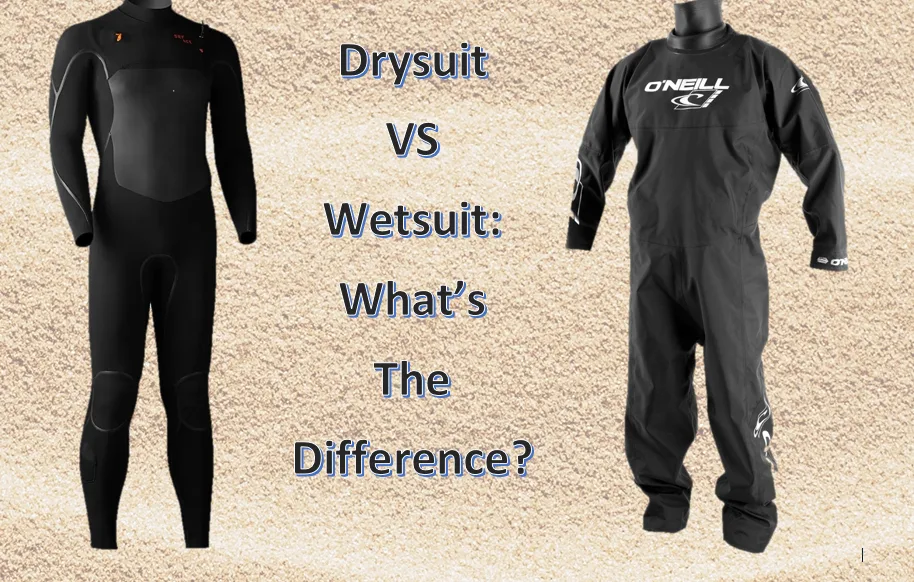
Check Price on Amazon As an Amazon Associate I earn from qualifying purchases.Choosing between a wetsuit and a drysuit can seem confusing, but understanding their core differences is key to staying comfortable and safe in the water. The fundamental question you're likely asking is: what's the real distinction, and which one is right for your next adventure? Knowing the purpose and design of each garment can make a world of difference.
In our research, we found that wetsuits work by trapping a thin layer of water, while drysuits are designed to keep you completely waterproof. For instance, wetsuit neoprene thickness, often ranging from 3mm to 7mm, directly impacts insulation, whereas drysuits rely on layered undergarments for warmth. Let's break down exactly how they achieve this.
How Wetsuits Keep You Warm (It's Not What You Think!)
A wetsuit's primary job is to keep you warm, but it does so in a pretty unique way. It's not about being waterproof; it's about managing water. When you slip into a wetsuit, made typically from neoprene, a thin layer of water inevitably gets inside.
This is actually intentional!
Your body then heats this trapped water, creating a warm barrier between your skin and the colder external water. The thicker the neoprene material, the better the insulation. However, thicker neoprene also means less flexibility and more restriction.
This mechanism is why wetsuits are fantastic for activities where you're in and out of the water, like surfing or kayaking.

Image source: Web (Bing) / stockcake.com (Web image (fair-use with source credit))
The snug fit is critical; if a wetsuit is too loose, water will constantly flush in and out, defeating the purpose and leaving you feeling colder. Manufacturer specifications often highlight the importance of a "second skin" fit for optimal thermal performance.
How Drysuits Keep You Warm (The Totally Dry Way)
Unlike wetsuits, drysuits are designed with one goal in mind: to keep you bone dry. They're constructed from fully waterproof materials, and crucially, they feature watertight seals at the neck, wrists, and ankles. This prevents any water from entering the suit.
Because you remain dry, the warmth comes from the air trapped inside the suit and any thermal layers you wear beneath it. This allows for significant temperature regulation, similar to how you'd dress for cold weather on land. You can layer up as much as needed, making drysuits ideal for immersion in very cold water.

Image source: Web (Bing) / extreme-exposure.com (Web image (fair-use with source credit))
The ability to layer means you can adapt to a wide range of cold conditions, which is a major advantage for activities like extended scuba diving in frigid waters. As of 2026, advanced materials have made many drysuits more streamlined, but they still require proper management of internal air for buoyancy.
Key Differences: Wetsuit vs. Drysuit at a Glance
The core distinction between a wetsuit and a drysuit lies in their fundamental design philosophy: one manages water, the other repels it. This difference impacts everything from their materials to how they keep you warm and who they're best suited for.
Materials and Construction
- Wetsuits: Typically made from neoprene, a closed-cell foam rubber. The thickness of the neoprene (e.g., 3mm, 5mm, 7mm) determines its insulating properties. Seams are usually stitched and glued, but they are not fully watertight.
- Drysuits: Constructed from waterproof materials like trilaminate, crushed neoprene, or coated fabrics. They feature integrated, waterproof seals around the neck and wrists, and often zippered entries that are also watertight.
How They Insulate
- Wetsuits: Insulate by trapping a thin layer of water between your skin and the suit. Your body heat warms this water, which then acts as an insulator. The effectiveness depends on the neoprene thickness and a snug fit to minimize water flushing.
- Drysuits: Insulate by keeping you completely dry and trapping air. Warmth is achieved through the air volume and the thermal layers worn underneath. You can adjust your insulation level by adding or removing base layers.
Fit and Flexibility
- Wetsuits: Designed to be skin-tight. This snug fit is essential for the insulation mechanism to work efficiently. While some flexibility is built-in, thicker suits can feel more restrictive.
- Drysuits: While they need to be reasonably well-fitting to manage air, they are generally less restrictive than a thick wetsuit. The looseness allows for air movement and layering, but an excessive amount of slack can create buoyancy issues.
Waterproofing
- Wetsuits: Not fully waterproof. Water will enter the suit, especially around seams and the neck/wrist openings. This is a feature, not a flaw, for their intended use.
- Drysuits: Designed to be completely waterproof. The seals and specialized zippers prevent any water ingress, ensuring you stay dry.
Who Should Wear a Wetsuit?
Wetsuits are fantastic for a wide range of water activities, particularly when the water temperature is cool to moderately cold, and you expect to be in and out of the water frequently. They offer a good balance of warmth, flexibility, and affordability.
- Surfers: The intermittent immersion characteristic of surfing means a wetsuit's warming mechanism works well. They can move freely and react quickly. For warm water surfing, a thinner suit like those found in our 5 Best Scuba Diving Wetsuit for Warm Water 2027 guide is perfect.
- Kayakers and Stand-Up Paddleboarders (SUPers): For casual paddling in temperate conditions, a wetsuit provides enough protection and allows for easy movement.
- Casual Swimmers or Snorkelers: If you're venturing into water that's a bit chilly but not freezing, a wetsuit can extend your comfort time significantly.
- Beginner Scuba Divers: In warmer climates, a wetsuit is often the standard for introductory scuba diving experiences. It offers protection without the complexity of managing a drysuit. You can find helpful gear in our Best Scuba Diving Gear for Beginners 2026: Top Picks to Buy Now article.
Aggregate reviews suggest that for activities involving significant surface time or variable immersion, the wetsuit's ease of use and flexibility are major advantages.
Who Needs a Drysuit?
A drysuit becomes essential when staying completely dry is paramount, particularly in very cold water conditions. They offer superior thermal protection and are a critical piece of equipment for certain demanding activities.
- Scuba Divers in Cold Water: This is arguably the most common and critical use case for drysuits. Staying dry prevents rapid heat loss, allowing for longer, safer dives in frigid environments. Divers often rely on specialized gear like Best Scuba Diving Wetsuit for Cold Water 2026: Top Picks Reviewed or drysuits for this purpose. Proper buoyancy control is key, and managing the air inside the suit is a learned skill.
- Technical or Extreme Water Sports Enthusiasts: Activities like ice swimming, winter kayaking, or certain types of sailing in frigid climates demand the absolute thermal protection a drysuit provides.
- Commercial Divers: For professionals working in cold water for extended periods, drysuits are standard safety equipment.
- Anyone Sensitive to Cold: If you find you get cold very easily, or plan extended stays in water that would be uncomfortable in a wetsuit, a drysuit offers the ultimate solution. Many divers opt for robust dive bags like those in our 8 Best Scuba Diving Gear Bag 2027: Top Picks for Easy Travel to transport their specialized drysuit gear.
Common Mistakes When Choosing or Using Your Suit
Choosing the wrong suit or using it incorrectly can lead to discomfort, reduced performance, and even safety issues. Most common mistakes revolve around fit, intended use, and maintenance. For example, a diver might choose a 5mm wetsuit for arctic waters, only to find it provides insufficient warmth.
Similarly, someone might purchase a drysuit for casual summer kayaking, only to find it unnecessarily bulky and warm. Proper research into water temperatures and activity demands is crucial. Neglecting suit maintenance, like not rinsing a wetsuit or failing to care for drysuit seals, can also lead to premature wear and tear.
Is My Wetsuit Too Loose?
If water easily flushes in and out around your neck, wrists, or ankles, your wetsuit is likely too loose. This constant water exchange makes you colder because your body has to continuously reheat incoming water. A snug fit is essential for the neoprene to trap that insulating layer effectively.
You should feel a slight compression when putting it on, but not to the point of restricting breathing or circulation. Manufacturer specifications often highlight the importance of a "second skin" fit for optimal thermal performance.
Can I Use a Wetsuit in Very Cold Water?
Generally, no. While thicker wetsuits (like 7mm) offer significant warmth, they have limits. For water temperatures below roughly 10-15°C (50-59°F), especially for extended periods or in challenging conditions, a drysuit is a far safer and more effective choice.
Aggregate user feedback consistently shows that relying solely on a wetsuit in truly cold water leads to rapid hypothermia. Always check manufacturer guidelines for recommended temperature ranges for specific suit thicknesses.
Expert Tips for Staying Comfortable in the Water
Staying comfortable in the water boils down to understanding your gear and the environment. The right suit, properly fitted and used, makes a huge difference. Here are some expert-approved tips to maximize your warmth and enjoyment.
- Layer Smartly (Especially with Drysuits): The versatility of a drysuit comes from its layering potential. Invest in good thermal base layers, like those made from merino wool or synthetic thermal fabrics. These trap body heat without adding excessive bulk.
- Consider a Hood, Gloves, and Boots: Extremities lose heat rapidly. For both wetsuits and drysuits, adding insulated hoods, gloves, and boots can dramatically increase your comfort in cooler water. Many divers consider Best Scuba Diving Gloves for Comfort and Safety in 2026 as essential as the suit itself.
- Rinse and Dry Thoroughly: After every use, rinse both wetsuits and drysuits with fresh water to remove salt, chlorine, and debris. Hang them to dry completely, out of direct sunlight, to prevent material degradation. This simple step prolongs the life of your gear.
- Manage Air in Drysuits: For drysuits, mastering buoyancy control by managing the air inside is crucial. Too much air can make you float uncontrollably; too little can lead to suit squeeze. Practice in a safe environment.
Wetsuit vs. Drysuit: The Final Verdict
The decision between a wetsuit and a drysuit hinges primarily on the water temperature you'll be in and the duration of your planned activity. There's no single "better" option; it's about choosing the right tool for the specific job.
A wetsuit is generally the go-to for warmer waters, shorter durations, and activities where some water ingress is acceptable, offering a good blend of mobility and thermal protection. Think surfing, casual snorkeling, or warmer season kayaking. You can find excellent options in our Best Scuba Diving Wetsuit Reviews and Buying Guide 2026.
A drysuit is the undisputed champion for cold water immersion, extended activities, or when staying completely dry is non-negotiable. Its ability to allow for extensive thermal layering makes it indispensable for serious diving or extreme water sports in frigid conditions. For those prioritizing warmth and dryness above all else, a drysuit is the superior choice.