When you're gearing up for a dive, the last thing you want to worry about is the integrity of your breathing apparatus. Knowing exactly how often should scuba tanks be inspected is crucial for both your safety and the longevity of your gear. These aren't just guidelines; they're vital safety protocols.
In our research, we found that adhering to a strict inspection schedule is non-negotiable. For instance, US Department of Transportation (DOT) regulations mandate periodic testing for compressed gas cylinders. This commitment to regular checks ensures your tank is always ready for your underwater adventures.

Today's Exclusive Deals
Limited-time Exclusive Deals. Check current discount on Amazon.
Check Price on Amazon As an Amazon Associate I earn from qualifying purchases.Quick Answer
Scuba tanks require a visual inspection at least annually and a hydrostatic test every five years. These inspections are mandatory for safety and compliance. Visual checks look for internal and external damage, while hydrostatic tests verify the tank's structural integrity under pressure.
Skipping these can lead to serious risks.
The Critical Inspections for Your Scuba Tank
Your scuba tank, or dive cylinder, is a lifeline underwater. It holds the compressed air or gas mix you need to breathe, so its condition is paramount. There are two main types of inspections you need to be aware of, each serving a distinct but equally important purpose in keeping you safe.

Image source: Web (Bing) / ruidiving.com (Web image (fair-use with source credit))
- Visual Inspection: This is the most frequent check, essentially an in-depth look at the tank's interior and exterior.
- Hydrostatic Testing: This is a more rigorous pressure test performed less often, ensuring the tank itself can withstand its rated pressure.
Understanding these distinct inspection types and their required frequencies is fundamental to responsible scuba diving and maintaining your equipment. It's about proactively identifying potential issues before they become dangerous.
Visual Inspections: What to Look For and When
The visual inspection is your tank's annual check-up. It's designed to catch obvious problems that could affect its performance or safety. Think of it as a detailed physical exam by a trained professional, looking for any signs of trouble on the surface and, crucially, within.
This inspection typically takes place about once every 12 months.
Inside the Tank: Your First Line of Defense
The most critical part of a visual inspection happens when a technician looks inside your tank. They use a specialized light and sometimes a mirror or borescope to examine the inner walls. They're searching for several key indicators of potential problems.
- Corrosion: This is a major concern. Flaking, pitting, or significant rust inside the tank can weaken its structure and contaminate the air.
- Oily Residue or Contaminants: Any signs of oil, dirt, or other foreign substances are red flags. These can react with the compressed air or be inhaled by the diver, causing health issues.
- Debris: Small particles, metal shavings, or other debris can indicate internal damage or an improperly maintained tank.

Image source: Bing (Web (fair-use with source credit))
External Checks: Don't Forget the Outside
While the interior gets the most scrutiny, the exterior of the tank is also inspected. Technicians will look for:
- Dents or Gouges: Significant damage to the tank's outer shell can compromise its structural integrity.
- Cracks: Any visible cracks, especially around the neck or base, are serious indicators of failure.
- Valve Condition: The tank valve itself is checked for proper function, leaks, and damage.
If a tank passes its visual inspection, it gets a sticker or tag indicating it's good to go for another year. This is a fundamental part of routine gear upkeep.
Hydrostatic Testing: The Deeper Dive into Tank Integrity
Hydrostatic testing is a more intensive procedure than a visual inspection, and it's performed much less frequently. This test is all about verifying the tank's actual structural strength under extreme pressure. It’s a crucial step in ensuring the tank can handle the pressures of diving safely for its lifespan.
Why Hydrostatic Testing is Non-Negotiable
This test goes beyond surface-level checks to assess the fundamental integrity of the tank's material. It involves pressurizing the tank far beyond its normal working pressure to see how it responds. If the tank shows any signs of weakness, deformation, or leakage under this stress, it's deemed unsafe for further use.
This is a vital safety measure, as hidden flaws might not be visible during a standard visual inspection.
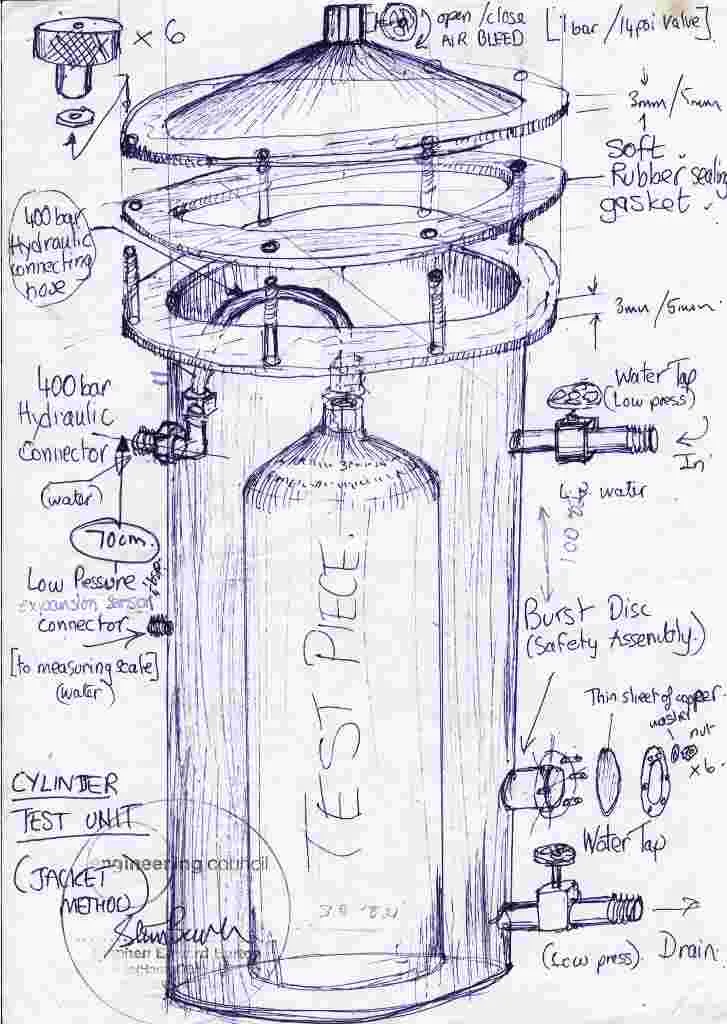
Image source: Web (Bing) / storage.googleapis.com (Web image (fair-use with source credit))
Understanding the 5-Year Rule
The generally accepted standard, which aligns with many regulatory bodies, is that scuba tanks must undergo hydrostatic testing every five years from the date of manufacture. This date is stamped directly onto the tank's shoulder. This five-year interval accounts for the cumulative stress and potential degradation that any pressurized container can experience over time, even with careful use.
- If your tank is due for hydrostatic testing, it MUST be performed by a certified facility. They have the specialized equipment to safely conduct the test.
- Failure during hydrostatic testing means the tank is condemned. It will be permanently stamped as such and must be taken out of service.
This rigorous testing process is a cornerstone of dive safety, ensuring that the equipment providing your breathable air is sound and reliable. For those looking for reliable equipment, checking the test date is as important as checking the manufacturing date on a new dive cylinder.
The Risks of Skipping Tank Inspections
You might be tempted to skip an inspection if your tank looks fine or hasn't been used much. However, overlooking these regular checks can have severe consequences, not just for your gear, but for your well-being. The risks associated with skipping inspections are significant and can lead to dangerous situations underwater.
When Safety is Compromised
A tank that hasn't been properly inspected might have internal corrosion or micro-fractures that are invisible to the naked eye. When such a tank is pressurized and taken underwater, these hidden weaknesses can lead to failure. This could mean a sudden loss of air supply at a critical moment, or worse, a catastrophic rupture of the tank itself.
Both scenarios are extremely hazardous and can result in serious injury or fatalities.
What Can Go Wrong with Neglected Tanks
- Sudden Air Loss: Internal damage can lead to slow leaks that worsen over time, or a sudden, catastrophic failure of the valve or tank body, leading to an uncontrolled ascent or inability to breathe.
- Contaminated Air: Without regular visual inspections, rust, debris, or oily residue can accumulate inside the tank. Breathing in these contaminants can cause lung irritation, infections, or even poisoning.
- Structural Failure: The metal of the tank can degrade over time due to stress, pressure cycles, and environmental factors. A hydrostatic test is designed to catch these subtle structural issues before they become critical.
As of 2026, regulatory bodies continue to emphasize the importance of these checks. Always prioritize getting your tanks professionally inspected to avoid these potentially life-threatening problems. It's a small investment for immense peace of mind.
For those considering essential gear like a best scuba diving wetsuit for cold water, proper maintenance of all components is equally vital.
Who Should Perform Tank Inspections?
This isn't a DIY job. The safety implications of a scuba tank inspection mean it must be carried out by qualified professionals using specialized equipment. Attempting to inspect or test your own tank can be ineffective and dangerous.
The Role of Dive Shops and Certified Technicians
Your local dive shop is usually the first point of contact for regular tank maintenance. They employ technicians who are trained and certified to perform both visual inspections and arrange for hydrostatic testing. These professionals understand the specific requirements for scuba cylinders and have the necessary tools, such as specialized lighting for internal visual checks and access to hydrostatic testing facilities.
They'll apply the appropriate inspection tags and record the service.
Manufacturer Guidelines and Standards
Beyond general training, dive cylinder manufacturers often provide specific guidelines for inspection and maintenance. These specifications are developed based on extensive research into the materials and stresses involved. Adhering to these manufacturer recommendations, alongside any national or international standards like those set by organizations such as CSA Group or ISO for cylinder safety, ensures your tank receives the best possible care.
For example, the US Department of Transportation (DOT) also has stringent rules for cylinder testing and re-testing. A certified technician will be up-to-date on all relevant regulations and manufacturer directives.
Your Scuba Tank Maintenance Schedule
Putting these inspections into practice means following a clear timeline. For most recreational divers, this schedule is straightforward and focuses on annual visual checks and the mandatory five-year hydrostatic test. Maintaining this rhythm ensures your tank remains a reliable piece of life-support equipment for every dive.
- Annual: Schedule a visual inspection for your tank. This is typically done at your dive shop.
- Every 5 Years: Your tank needs a hydrostatic test. Mark this date from the tank's manufacturing stamp.
This cycle repeats, with a visual inspection every year and a hydrostatic test every five years from the original manufacturing date. Missing either can compromise your safety. Understanding when your tank was made is the first step in plotting its inspection schedule.
If you're buying a used tank, ask for its inspection history and next due dates. This diligent approach is key, similar to how one might track routine upkeep for essential gear like a dive computer. For divers also outfitting their dive kit, understanding the maintenance needs of components like a best scuba diving gear set is part of the overall safety picture.
Beyond Inspections: Proper Tank Care
Maintenance isn't just about inspections; it's about daily habits.
- Rinse After Use: Always rinse your tank with fresh water, especially if you've been diving in saltwater. This prevents corrosion.
- Store Properly: Keep tanks upright in a cool, dry place, away from direct sunlight or extreme heat. Secure them so they can't fall over.
- Never Empty Completely: Avoid letting your tank run completely empty. A slight positive pressure inside helps prevent moisture and contaminants from entering.
- Handle with Care: Treat your tank with respect. Avoid dropping it or subjecting it to unnecessary impacts.
These practices, combined with scheduled inspections, will help ensure your tank remains safe and reliable for many dives to come. For divers looking for comprehensive gear, understanding the maintenance needs of critical components like tanks is just as important as choosing the best scuba diving mask for beginners.
Frequent Visual Inspection Mistakes to Avoid
While visual inspections seem straightforward, certain mistakes can lead divers or even less experienced technicians to overlook critical issues. Being aware of these common pitfalls can help ensure your tank receives a thorough and accurate assessment, keeping you safer underwater.
Overlooking Internal Surface Issues
The most common mistake is not looking closely enough inside the tank. A quick glance might miss subtle pitting or the very early stages of corrosion, especially in aluminum tanks which can oxidize. Technicians should use bright lights and good angles to thoroughly examine the entire internal surface.
They might also miss oily residue, which can be a sign of compressor contamination or improper handling.
Ignoring the Valve Assembly
The tank valve is a critical component, and its inspection is as important as the tank itself. Technicians should check for:
- Ease of Operation: Does the valve turn smoothly? Are there signs of stiffness or damage?
- Seals and O-rings: Worn or damaged O-rings can cause leaks and require replacement.
- Threads: Damaged threads on the valve stem or where it connects to the tank can be dangerous.
Failure to properly inspect and maintain the valve can lead to leaks or inability to control gas flow. This is a critical component often overlooked when the focus is solely on the cylinder body. For those considering new equipment, it’s good to know that a quality best scuba diving regulator for beginners typically comes with robust valves.
Inconsistent Inspection Practices
Some individuals or facilities may not follow standardized inspection protocols. This can lead to inconsistent checks, where a tank might pass one year but fail the next due to an overlooked issue. It's best to use reputable dive shops or service centers that adhere to recognized standards, ensuring a consistent level of scrutiny every time.
Hydrostatic Testing Frequency: What if My Tank is Older?
The five-year hydrostatic test rule is fairly standard, but what about very old tanks, or tanks made of different materials? The fundamental principle remains the same: structural integrity must be verified periodically. However, material and age can influence inspection rigor and the lifespan of a tank.
Material Matters: Aluminum vs. Steel
Most modern scuba tanks are made of either aluminum or steel. While both require hydrostatic testing every five years, their susceptibility to different types of degradation varies.
- Aluminum Tanks: These are generally more resistant to external corrosion but can suffer from internal corrosion, particularly if exposed to water. Pitting can occur on the inside, which is what visual inspections primarily look for, but hydrostatic tests confirm the overall wall strength.
- Steel Tanks: Steel tanks are stronger and can often handle more pressure, but they are more prone to external corrosion (rust) if not properly cared for. Internal corrosion can also occur, though often at a different rate than aluminum.
Regardless of material, the five-year hydrostatic test is the critical benchmark for confirming the tank's ability to withstand pressure safely. Our research indicates that adhering to this schedule is paramount for both types.
Tank Lifespan and Condemnation
Tanks don't last forever. While regular inspections and hydrostatic tests can extend a tank's service life significantly, there comes a point where they must be retired. A tank might be condemned (permanently taken out of service) if it fails a hydrostatic test, shows significant damage, or reaches a manufacturer-specified or regulatory lifespan.
For instance, some older DOT regulations had specific lifespan limits, though modern rules often focus more on the tank's condition via testing. Always consult the tank's markings and follow your service center's advice regarding its remaining service life. This caution is similar to maintaining other critical diving gear, like a best scuba diving mask for beginners.
When to Consider an Early Inspection
Sometimes, a situation arises that warrants an inspection of your scuba tank before its scheduled date. These aren't general recommendations but rather responses to specific events or observations that could compromise your tank's safety. Promptly addressing these concerns is always the best course of action for a diver.
Post-Accident or Major Incident
If your tank has been involved in a significant incident, it needs immediate professional evaluation. This includes:
- Dropping the Tank: If a tank is dropped from a significant height, especially if it lands on its valve or crown, it could have sustained internal damage not visible externally.
- Exposure to Fire or Extreme Heat: High temperatures can weaken the tank's metal structure, even if there's no visible damage. Tanks exposed to fire should be immediately condemned.
- Near-Miss Incidents: If you experienced a sudden loss of air, a strange noise under pressure, or any other anomaly that made you question the tank's integrity, get it inspected.
Noticing Unusual Signs
Even outside of major incidents, pay attention to how your tank behaves. If you notice any of the following, it's time for an unscheduled inspection:
- Persistent Leaks: Even after ensuring the valve O-ring is good, a persistent leak from the valve stem or tank neck needs investigation.
- Difficulty Opening/Closing Valve: A valve that becomes unusually stiff or loose warrants a professional check.
- Any Visible Damage: Dents, gouges, or signs of corrosion that appear between scheduled inspections should be evaluated.
Acting quickly on these signs can prevent a minor issue from becoming a major safety hazard, ensuring your tank remains dependable for your dives. It's also wise to ensure other critical gear, like your best scuba diving knife, is properly maintained and readily accessible.