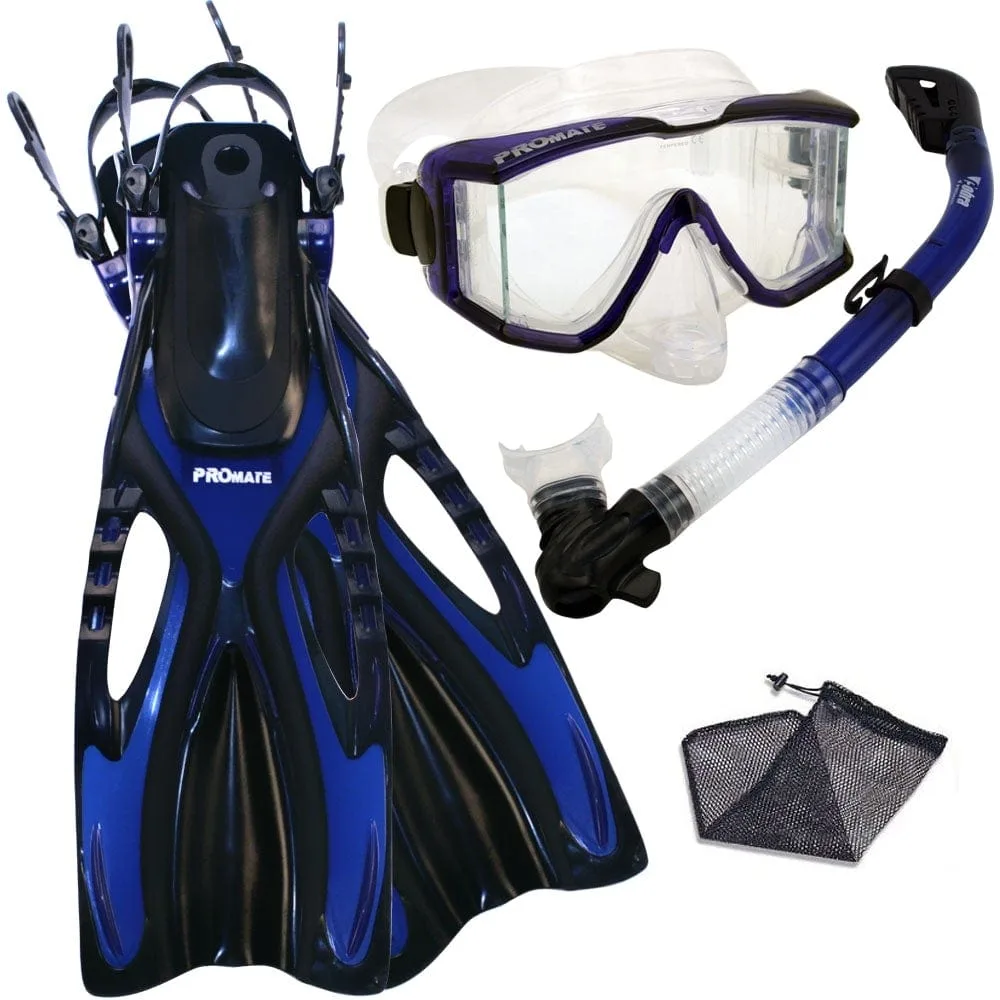
Image source: Web (Bing) / getwetstore.com (Web image (fair-use with source credit))

Today's Exclusive Deals
Limited-time Exclusive Deals. Check current discount on Amazon.
Check Price on Amazon As an Amazon Associate I earn from qualifying purchases.When you're gearing up for a dip in the ocean or lake, you might wonder about the gear. Specifically, what is the difference between a scuba mask and a snorkeling mask? While they both let you see underwater, they're not quite interchangeable for all activities.
Understanding these distinctions is key to ensuring comfort and safety, whether you're exploring shallow reefs or venturing deeper.
Manufacturer specifications indicate that a scuba mask is engineered for specific underwater pressures, often featuring a lower internal volume and a more robust seal compared to a standard snorkel mask. This design choice directly impacts how easily you can manage water ingress and maintain a clear view during dives. We'll break down the key design elements that set these two types of masks apart, helping you choose wisely for your next aquatic adventure.
Quick Answer
Scuba masks have lower internal volume and a tighter skirt for easier clearing and pressure management underwater. Snorkel masks often have higher volume and a less robust seal, prioritizing surface comfort. For diving, scuba masks are safer due to tempered glass lenses.
What You Need to Know About Mask Differences
The main distinction between a scuba mask and a snorkel mask comes down to their intended use and the environments they're built for. Snorkeling typically involves staying near the surface, breathing through a tube, and experiencing minimal pressure changes. Scuba diving, on the other hand, means descending to depths where water pressure increases significantly, and you rely on a tank for air.
These different demands necessitate different mask designs. As of 2026, manufacturer standards still emphasize these core differences for optimal performance and safety in each activity.
- Snorkel Mask: Designed for surface viewing, often with a wider field of vision and higher internal volume.
- Scuba Mask: Engineered for underwater use, featuring low volume for easy clearing, a secure seal, and tempered glass lenses for safety.
Key Features: How They're Built Differently
Let's dive into the specifics. The materials, design, and engineering behind each mask type contribute directly to its performance and suitability for different underwater activities. Understanding these features will help you appreciate why one is better suited for certain situations than the other.
Volume: More Space vs. Less Space
Internal volume refers to the amount of air trapped inside the mask between your face and the lenses. This is a critical differentiator.
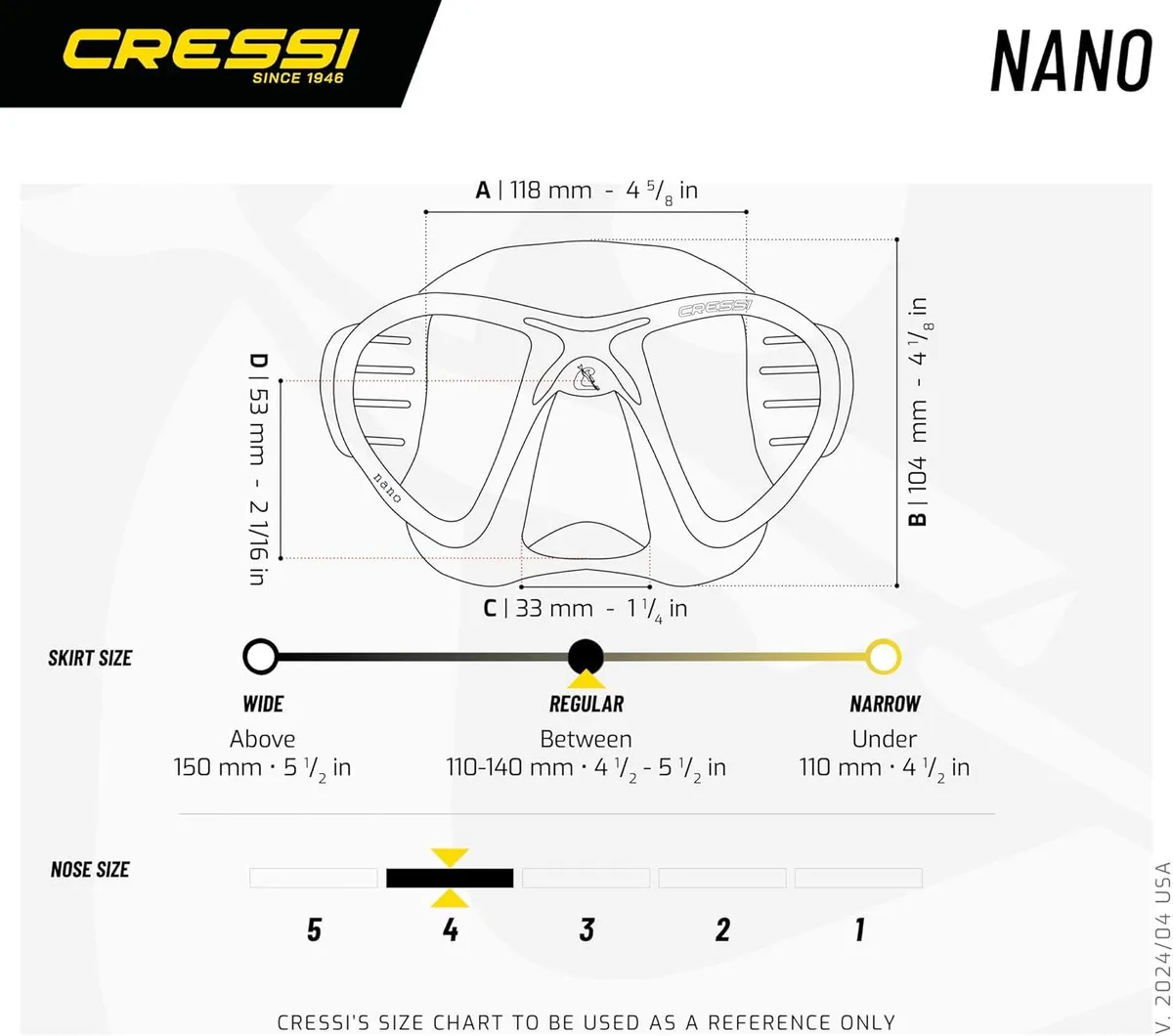
- Low Volume (Scuba Masks): Scuba masks are typically designed with minimal internal volume. This means less air is trapped inside.
- Why it matters: When you ascend during a dive, the air inside the mask expands. A low-volume mask requires much less effort to equalize pressure or clear of water if it leaks. This is crucial for comfort and safety, especially as you descend. You can often clear a low-volume mask with just a gentle exhale through your nose.
- Aggregate reviews report that divers find low-volume masks easier to manage during ascents and descents.
- High Volume (Snorkel Masks): Many snorkel masks have a larger internal volume.
- Why it matters: While this might feel less constricting for some, it means more air to manage if water enters. Clearing a high-volume mask underwater can require more force or water, potentially making it less ideal for extended or deeper diving. For surface snorkeling, this larger volume is usually not an issue.
Skirt Seal: Comfort vs. Security
The skirt is the soft, flexible material (usually silicone) that forms a watertight seal around your face. Its design and material are vital for preventing leaks.
- Secure Seal (Scuba Masks): Scuba masks prioritize a very secure, leak-proof seal. The silicone is often a bit firmer, and the skirt is shaped to create a tight barrier against the face.
- Why it matters: When diving, even a small leak can become a persistent annoyance and a potential safety concern if it compromises your vision or requires constant attention. The robust seal on scuba masks is designed to withstand the pressure changes encountered at depth. Manufacturer specifications for many scuba masks highlight their dual-skirt designs for enhanced sealing.
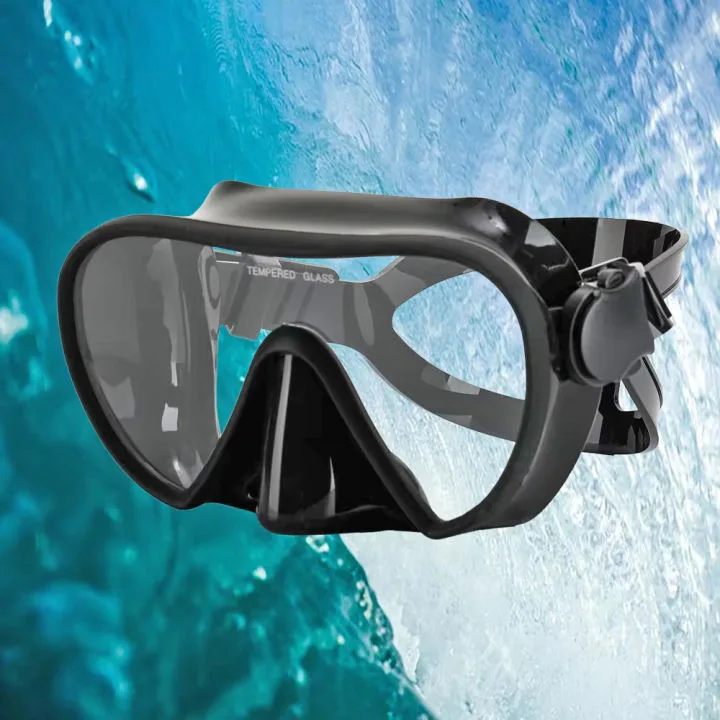
- Comfort-Focused Seal (Snorkel Masks): Snorkel masks often feature softer, more pliable skirts. This can enhance comfort for long periods spent on the surface.
- Why it matters: While comfort is great for casual snorkeling, this softer material might not hold up as well under the greater pressures experienced during scuba diving. A less secure seal can lead to more frequent leaks, which, as mentioned, are more problematic underwater.
Lens Material: Glass vs. Plastic
The material of the mask's lenses plays a significant role in safety and durability.
Tempered Glass (Scuba Masks): Virtually all scuba masks use tempered glass for their lenses.
- Safety First: This is a critical safety requirement mandated by diving organizations. If tempered glass breaks, it shatters into small, relatively blunt pieces, significantly reducing the risk of serious cuts. This is non-negotiable for any mask used for scuba diving. Per ANSI Z86.1 standards for safety glazing, tempered glass is designed to fracture into granular fragments.
Plastic Lenses (Snorkel Masks): Some snorkel masks, particularly those aimed at recreational users or children, may feature plastic lenses.
- Durability and Weight: Plastic is lighter and less prone to shattering if dropped, making it a practical choice for a more casual product. However, plastic lenses scratch much more easily than glass. While less of a concern for surface snorkeling, deep scratches can impair vision.
Field of Vision
The field of vision refers to how much you can see through the mask's lenses. This can vary widely, even within categories.
- Varied Views: Some snorkel masks are specifically designed for an ultra-wide panoramic view, allowing you to take in more of the surrounding scenery while on the surface.
- Scuba Mask Focus: While many modern scuba masks also offer excellent wide fields of vision, their design is often balanced with the needs of underwater visibility and low volume. The objective is clear sightlines for navigation and observation, not just a broad sweep of the surface. Many divers seeking specific wide-face accommodations will look at specialized scuba masks, as detailed in our guide on best scuba diving masks for wide face 2026.
Can You Swap Them? Scuba Mask for Snorkeling, and Vice Versa
This is a common question, and the answer is mostly yes, but with important caveats.
Using a Scuba Mask for Snorkeling: Absolutely! This is generally a fantastic idea. If you already own a scuba mask, it will likely provide a more comfortable, secure, and clear experience for snorkeling than a dedicated snorkel mask might. The low volume and good seal are beneficial even at the surface. It's like using a high-performance tool for a less demanding job. Many divers prefer their scuba mask for all their water activities.
Using a Snorkel Mask for Scuba Diving: This is where you need to be very cautious. While it might seem convenient, using a standard snorkel mask for scuba diving is generally not recommended, especially if you plan to go beyond very shallow depths. The primary reasons are safety and performance under pressure. A mask not designed for diving could leak more easily, be harder to clear, and, if it has plastic lenses, it won't meet safety standards for diving. You can find information on essential diving gear in our guide to best scuba diving gear for beginners 2026.
When to Use Which: Best Mask for Your Activity
Deciding between a scuba mask and a snorkel mask really comes down to what you plan to do in the water. The right gear ensures safety and enhances your enjoyment.
Using a Scuba Mask for Snorkeling
If you have a scuba mask, you're already set for snorkeling. It offers a superior seal and is easier to clear, which is helpful even if you're just bobbing on the surface. You won't have to worry about leaks as much, and the visibility is usually excellent.
This means more time enjoying the view and less time fiddling with your gear. For those concerned about carrying their equipment, a good best scuba diving gear bag 2027 can easily accommodate a scuba mask.
Why You Shouldn't Snorkel Mask for Scuba Diving
The reasons are primarily rooted in safety and the physics of being underwater.
- Pressure and Leaks: As you descend, water pressure increases. A snorkel mask, often with a less rigid skirt and higher internal volume, is more prone to leaks under this pressure. Imagine trying to keep a sieve from dripping, it’s a similar challenge.
- Clearing Difficulty: Clearing water from a mask is a fundamental skill in scuba diving. If a mask has a large internal volume, it takes more air and effort to push that water out. This can be taxing and even dangerous if you're struggling with your mask while managing your breathing. Manufacturer specifications for best scuba diving regulator for beginners 2026 always pair with reliable masks.
- Lens Safety: Standard snorkel masks may not have tempered glass lenses. This is a critical safety feature for scuba diving. If a plastic lens were to break underwater, the sharp fragments could cause serious injury.
Common Questions About Water Masks
How do I know if my mask is leaking?
A leaking mask usually shows itself as water seeping in around the edges, particularly when you move your head or tilt it. If you find yourself constantly emptying water, the seal isn't adequate for the conditions or your face shape. This is more common with snorkel masks used for diving than with well-fitted scuba masks.
What is "mask squeeze"?
Mask squeeze happens when the pressure inside your mask becomes less than the surrounding water pressure, causing the mask to be pushed tightly against your face. This is more common with low-volume scuba masks if you don't equalize the pressure by exhaling through your nose. Our research indicates that proper equalization techniques prevent this discomfort and potential injury.
How often should I replace my mask?
With proper care, a good quality scuba mask can last many years, often a decade or more. The silicone skirt and straps are usually the first parts to show wear, becoming brittle or stretched. For snorkel masks, lifespan can vary more depending on material quality and usage.
Regular inspection of the skirt and lens for cracks or degradation is advisable.
Can I use antifog spray with my mask?
Yes, antifog sprays or drops are designed to prevent lenses from fogging up, which is crucial for clear underwater vision. These are particularly helpful for new masks that might have a thin film from the manufacturing process. Always rinse your mask thoroughly after applying antifog treatments.
If you’re considering underwater photography, a clear view is essential, so check out the best scuba diving camera 2026 options.
Making the Right Choice for Your Underwater Adventures
When choosing between a scuba mask and a snorkel mask, your primary activity dictates the best option. For any kind of diving, even shallow introductory dives, a dedicated scuba mask is essential. Its low volume, secure seal, and tempered glass lenses are engineered for underwater safety and performance, making the task of clearing it easier and reducing risks associated with pressure changes.
If you're strictly a surface snorkeler, a good quality snorkel mask might suffice and can sometimes be more budget-friendly. However, many seasoned snorkelers find that a comfortable scuba mask offers a superior experience. Ultimately, prioritizing safety and performance, especially when diving, means opting for gear specifically designed for those conditions.
Don't compromise on what lets you see the underwater world clearly and safely; selecting the right mask is a fundamental step. For ensuring all your gear is ready, proper packing is key, so consider a best scuba diving dry bag 2026.