Image source: Web (Bing) / dresseldivers.com (Web image (fair-use with source credit))
Choosing the right scuba diving fins is essential for efficient and comfortable underwater exploration. The wrong fins can lead to tiring dives, while the right ones feel like a natural extension of your legs, enabling you to glide with ease. This guide delves into the key factors influencing fin performance, including blade design and material, to help you make an informed decision.

Today's Exclusive Deals
Limited-time Exclusive Deals. Check current discount on Amazon.
Check Price on Amazon As an Amazon Associate I earn from qualifying purchases.Consider that manufacturer specifications for composite-bladed fins often highlight their superior energy return compared to basic plastic models, a feature crucial for conserving air. This guide breaks down the critical elements to ensure you select the best fins for your needs.
Quick Answer
Selecting the right scuba diving fins involves matching their type, size, and features to your diving style and environment. Full-foot fins offer a snug fit ideal for warmer waters, while open-heel fins pair with boots for greater versatility. Blade stiffness and material are critical determinants of propulsion efficiency.
A proper fit is paramount to prevent discomfort and ensure effective kicking. Your experience level and intended dive environments should also influence your choice.
Full-Foot vs. Open-Heel Fins: Which Camp Are You In?
This initial decision hinges on personal preference and your most frequent diving environment, with each type offering distinct advantages.
- Full-Foot Fins: Featuring an integrated, closed foot pocket, these fins are slipped onto bare feet, similar to shoes. They are typically lighter and more streamlined, making them a popular choice for warm-water diving, snorkeling, and travel. Their snug fit often translates to a direct feel and efficient power transfer.
- Pros:
- Streamlined and lightweight, excellent for travel.
- Often more budget-friendly than open-heel models.
- Simple to don and doff.
- Well-suited for warm-water diving without the need for boots.
- Cons:
- Can feel cold in cooler water without booties.
- Fit is critical; improper sizing can cause blisters or slippage.
- Limited adjustability for diverse foot shapes.
- Pros:

Image source: Web (Bing) / deepbluediving.org (Web image (fair-use with source credit))
- Open-Heel Fins: These fins utilize an adjustable heel strap, designed to be worn with separate dive boots. This design offers exceptional versatility, allowing for fit adjustments to accommodate comfort and various boot thicknesses. They are the standard for most cold-water divers and are widely popular in recreational diving globally. The added protection of sturdy boots is a significant benefit.
- Pros:
- Adjustable fit accommodates diverse foot shapes and boot thicknesses.
- Ideal for cooler water dives when paired with thermal boots.
- Provides foot protection against sharp objects or reef impacts.
- Straps are often replaceable if damaged.
- Cons:
- Generally heavier and bulkier than full-foot fins.
- Requires a separate purchase of compatible dive boots.
- Straps may degrade or break over time.
- Pros:
Your primary diving locations should guide this decision. For tropical dives with water temperatures above 70°F (21°C), full-foot fins may suffice. For cooler waters or if you desire adjustable fit, open-heel fins are the recommended choice.
It is strongly advised to try on open-heel fins with the specific dive boots you intend to use, as boot thickness can significantly influence the final fit.
Blade Basics: What Your Fin's "Engine" Does
The fin blade is the core component responsible for propulsion. Its design, material, and flexibility critically impact the effort required for movement and the resulting thrust.
Blade Material Matters: Plastic, Composite, or Something Else?
The material composition of your fin blade directly influences its performance, durability, and cost.
- Plastic (Polypropylene/Thermoplastic): Common in entry-level and mid-range fins, these materials offer a good balance of stiffness and flexibility, along with considerable durability. Polypropylene blades are recognized for their responsiveness, quickly returning to their original shape after a kick to provide effective propulsion. They are also relatively economical.
- Composite (e.g., Fiberglass, Carbon Fiber): High-performance fins frequently employ composite materials. These blades are lighter, more flexible, and capable of storing and releasing more energy per kick than plastic. This results in more powerful propulsion with reduced effort, a significant advantage for divers aiming to conserve energy or navigate strong currents. However, composite fins are considerably more expensive and can be more brittle if subjected to impact.
- Rubber: Some fins, particularly older or specialized designs, utilize rubber. While rubber offers good flexibility and durability, it can be heavy and doesn't provide the same responsive propulsion as modern plastics or composites.
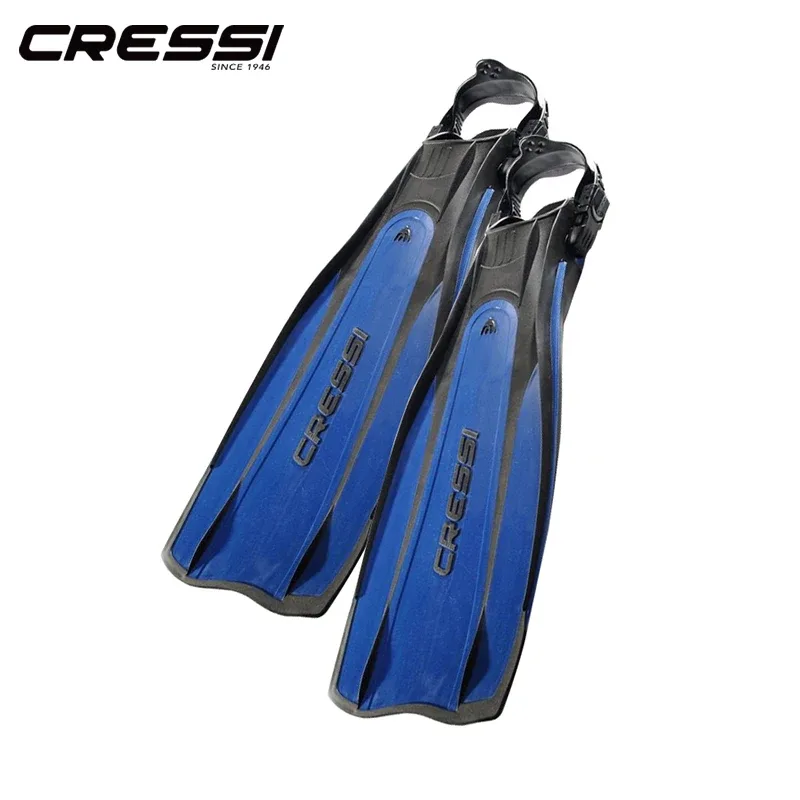
Image source: Web (Bing) / aliexpress.com (Web image (fair-use with source credit))
User feedback frequently suggests that while plastic fins are suitable for most recreational divers, those seeking maximum efficiency or frequenting challenging conditions may find the investment in composite fins justified. As of 2026, advancements in composite fin manufacturing continue to yield lighter and more durable options, though price remains a primary consideration.
Stiffness and Flex: Finding Your Perfect Push
The stiffness, or flex, of the blade is a crucial factor, representing a trade-off between power output and the effort required.
- Stiff Blades: Deliver maximum thrust per kick, beneficial for divers with strong legs needing speed or power, especially in strong currents. However, stiff blades can be more tiring for those with less leg strength or a preference for a gentler kicking style, potentially leading to leg cramps if not used correctly.
- Flexible Blades: Provide a softer, more forgiving kick, requiring less effort and reducing fatigue. They are ideal for beginners, divers with limited leg strength, or those preferring a relaxed kicking style. The trade-off is reduced propulsion per stroke, potentially resulting in slower movement.
The optimal stiffness is contingent upon your kicking technique, physical condition, and diving circumstances. For example, divers employing a slow, deliberate flutter kick might prefer a medium-flex blade, while those using a powerful frog kick might opt for a stiffer blade.
Manufacturer data indicates that many brands offer varying stiffness levels within the same model line to accommodate diverse preferences.
Size & Fit: No Room for Wiggle (or Pinch!)
Achieving the correct size and fit for your fins is arguably the most critical aspect. Ill-fitting fins can severely impact dive enjoyment through discomfort, blisters, or ineffective performance. Fit encompasses not just length but also how the fin interacts with your foot and leg.
Getting the Right Foot Pocket Fit
The principle of "snug but not tight" is paramount, especially for full-foot fins. The foot pocket must secure your foot to ensure power transfer to the blade during kicks without slippage.
- Too Loose: Foot movement within the pocket leads to lost propulsion and inefficient kicks. It can also cause blisters or chafing from friction. In severe cases, a loose fin could detach underwater, posing a significant safety risk.
- Too Tight: A foot pocket that is too small or constricting can cause severe discomfort, leading to foot cramps, numbness, or nerve compression. This can make even a short dive feel arduous and painful.
When trying on full-foot fins, ensure there is no significant empty space around the heel or toes. Your toes should have a slight ability to wiggle, while your heel should feel supported and exhibit minimal lift when flexing your foot. Always consult manufacturer sizing charts and read customer reviews concerning sizing when purchasing online.
Some brands are known to run larger or smaller than standard sizing.
Open-Heel Systems: Boots and Straps
For open-heel fins, the fit involves the interplay between the fin and the dive boot. This system offers greater flexibility but requires careful consideration.
Dive Boots: Beyond thermal insulation, dive boots provide cushioning, support, and improved grip within the fin's foot pocket.
- Boot Thickness: Neoprene boots vary in thickness (e.g., 3mm, 5mm, 7mm). Thicker boots occupy more space, necessitating a larger fin size compared to wearing thin socks or no boots.
- Boot Style: Some boots feature smooth soles for easy fin entry, while others have rugged soles for shore diving. Sole rigidity and thickness can also affect the overall feel.
Fin Straps and Buckles: The adjustable strap on open-heel fins secures the fin.
- Material: Straps are typically made of rubber or durable polymer. Over time, rubber can degrade due to UV exposure and saltwater.
- Buckles: Most modern fins use quick-release buckles for easy adjustment and removal. Ensuring these function correctly and secure properly is vital.
When trying on open-heel fins with boots, simulate kicking movements. A secure fit is essential, with the heel comfortably held without excessive pressure points. The strap should be snug but not constrictive around the ankle.
Many divers recommend testing fins with the exact boots intended for use, as combinations can significantly affect feel and fit. The best scuba diving boots for rocky shore can offer crucial protection and influence fin fit.
Propelling Yourself Forward: Performance Factors
Beyond basic type and fit, several blade and structural design elements influence underwater propulsion efficiency. These features are engineered to optimize hydrodynamics and minimize the effort required for movement.
- Channeling: Many fins feature longitudinal channels or grooves. These are designed to control water flow, directing it backward more efficiently. By helping create a focused jet stream rather than allowing water to spread, channels increase thrust and reduce drag.
- Vents: Some fins incorporate holes or cutouts (vents). These are intended to reduce water resistance during the upstroke or recovery phase of a kick, allowing the fin to move through water with less effort. The effectiveness of vents can vary based on their size, placement, and overall fin design.
- Ribs: Ribs along the blade's sides or underside provide structural support. They help maintain the blade's shape under pressure, ensuring consistent power transfer and preventing excessive distortion or "flapping" that could lead to lost propulsion.
The synergy of these features, along with blade length and stiffness, determines the fin's overall performance. A longer, stiffer blade with well-designed channels and ribs typically offers more powerful propulsion, beneficial in strong currents. Conversely, a shorter, more flexible blade with fewer features may be easier for recreational divers or in calm conditions.
For divers prioritizing performance in challenging environments, seeking fins specifically designed for strong currents is advisable, as they often incorporate specialized blade designs for maximum efficiency. Explore best scuba diving fins for strong currents 2026 for more targeted information.
Who Needs What Kind of Fin? Scenarios and Swimmers
Your choice of scuba diving fins should align with your diver profile and anticipated conditions. There is no universal solution, as different fin designs cater to specific needs.
- Beginner Divers: Generally benefit from fins that are easy to use and forgiving. Medium-flex, moderately sized fins, whether full-foot or open-heel, are a reliable choice. They provide adequate propulsion without demanding a powerful kick, helping new divers conserve energy and build confidence. Overly stiff or large fins can be overwhelming.
- Experienced Recreational Divers: With increased experience, divers may develop a preferred kicking style and seek greater efficiency. This might lead to choosing fins with more advanced blade designs, such as those with channeling or composite materials, for increased power and speed with less effort. Comfort and fit remain paramount. For a broad overview of essential gear, consult the best scuba diving gear for beginners 2026.
- Travel Divers: Prioritize lightweight and compact fins. Full-foot fins are often favored, especially for warm-water diving, due to their smaller packing footprint. Some manufacturers offer compact open-heel fins designed for travel, though they still require boots. Efficient packing is key, and a good scuba diving gear bag can greatly assist.
- Cold Water Divers: Require fins capable of accommodating thick neoprene or insulated dive boots. This typically necessitates open-heel fins with adjustable straps. The added bulk of boots means ensuring adequate fin pocket size is crucial. For thermal protection, consider a best scuba diving wetsuit for cold water 2026.
- Divers in Strong Currents: These divers need fins that deliver maximum thrust and control. Stiffer, longer blades, often made from composite materials, are preferred for powerful, efficient kicks to maintain position or navigate swift passages.
- Technical Divers: Often select specialized fin designs, sometimes featuring very stiff blades and specific shapes for maneuverability in confined spaces or for frog-kicking efficiency. Durability and reliability are critical considerations.
Understanding your typical diving environment and personal physical capabilities will guide you toward the most suitable fin type. For instance, if you consistently dive in tropical waters with minimal current and prioritize packing light, full-foot fins might be ideal. If you anticipate diving in varying temperatures or strong currents, investing in quality open-heel fins and comfortable boots offers a more practical long-term solution.
Trying On Fins: What to Look and Feel For
This step is crucial for ensuring a comfortable and effective fit, especially since sizing can vary between brands.
- For Full-Foot Fins: Slip your bare foot (or thin dive socks if you plan to use them) into the fin. Your toes should reach the end without pressing hard against it. The fit should be snug around your instep and heel. When flexing your foot upward, your heel should not lift significantly within the foot pocket. You should have slight toe mobility.
- For Open-Heel Fins: Wear the dive boots you intend to use. Insert your foot into the fin's foot pocket, ensuring your boot fits comfortably. Adjust the strap to be snug but not constrictive. The heel of your boot should be securely held by the fin's pocket. Check for any pressure points or areas that feel overly tight.
Perform practice kicks while standing or seated. The fin should feel like an extension of your leg, not resistant. Any pinching, rubbing, or excessive looseness indicates a potential fit issue.
If possible, testing fins in a pool before a dive is highly recommended.
How to Test Fin Performance
Once you have confirmed a good fit, it's time to consider how the fins will perform in water. While a pool test is ideal, some performance aspects can be assessed when dry.
- Simulate Kicking: While wearing the fins (with boots, if applicable), perform practice kicks. For flutter kicks, extend your legs and move them up and down from the hip. Assess the resistance encountered and the perceived propulsion generated.
- Assess Blade Flex: Gently attempt to bend the blade. Evaluate if it feels too stiff for your preference or if it exhibits a responsive spring. An optimal balance allows for efficient power transfer without causing exhaustion. Manufacturer specifications often detail flex ratings, but a physical feel is usually more indicative.
- Check for Drag: Imagine moving through water. Fins with clean, streamlined designs and minimal protrusions tend to create less drag. Features like channels help manage water flow, but poorly designed fins can generate unwanted turbulence.
The objective is to find fins that enable efficient movement with minimal effort. If you experience significant resistance or fatigue your legs during the try-on, they may not be suitable for extended underwater use. For dives in stronger currents, assessing the fins' power generation capacity is particularly important.
What Do They Cost and What Do You Get?
Scuba diving fins range in price from budget-friendly options to high-performance professional models. Understanding the value proposition at each price point can guide your investment.
- Entry-Level Fins: Typically constructed from basic plastic or rubber, these fins are the most affordable, often priced between $50 and $100. They are suitable for occasional recreational diving in calm conditions. While durable, they may not match the efficiency or comfort of higher-end models.
- Mid-Range Fins: These models usually feature improved blade designs, better materials (such as polypropylene blends), and more ergonomic foot pockets. They offer a good balance of performance and value, typically costing $100 to $200. Many divers find these a worthwhile upgrade from basic fins.
- High-Performance / Technical Fins: Made from advanced composite materials like carbon fiber or fiberglass, these fins are lighter, more powerful, and more responsive. Designed for maximum efficiency and speed, they are often favored by technical divers, instructors, or serious recreational divers seeking top-tier performance. Prices can range from $200 to $500 or more.
When budgeting, remember that a quality pair of fins represents an investment in your underwater comfort and enjoyment. A slightly more expensive, well-fitting, and efficient pair can significantly enhance every dive. Factor in the cost of dive boots if you opt for open-heel fins.
How to Care for Your Scuba Fins
Proper maintenance ensures the longevity and optimal performance of your dive fins. Consistent care prevents damage and material degradation.
- Rinse After Every Dive: Always rinse fins thoroughly with fresh, clean water after each use. Saltwater and sand can degrade materials and cause stiffness. Ensure the foot pocket and any adjustable straps or buckles are rinsed effectively.
- Dry Them Properly: After rinsing, allow fins to air dry completely before storage. Avoid prolonged exposure to direct sunlight, as UV rays can weaken plastic and rubber. Lay them flat or hang them to dry.
- Store Them Carefully: When storing fins, avoid cramming them into a tightly packed gear bag where they could be bent or damaged. Lay them flat, preferably in a mesh gear bag for air circulation, or place them loosely in a larger equipment bag. Do not stack heavy items on top of them.
- Check Straps and Buckles: For open-heel fins, periodically inspect straps and buckles for signs of wear, cracks, or corrosion. Replace any damaged components before they fail during a dive. Replacement straps are widely available from most major brands.
Adhering to these simple steps protects your investment and ensures your fins remain reliable for numerous underwater adventures. Meticulous care is particularly crucial for composite fins, which can be more susceptible to damage if handled roughly. For comprehensive gear management, a durable best scuba diving dry bag 2026 can safeguard your fins and other equipment during transport.
Frequently Asked Questions About Scuba Diving Fins
How long should scuba diving fins be?
Fin length varies, but for recreational diving, blade lengths typically range from approximately 20 to 30 inches (50 to 75 cm). Longer fins generally offer more power but can be more cumbersome. Shorter fins are easier to maneuver but may provide less propulsion.
Can I use my snorkeling fins for scuba diving?
While similar in appearance, most snorkeling fins are designed for surface kicking and may lack the power or support required for scuba diving, particularly with the added drag of scuba gear. Scuba fins are generally larger and engineered for more efficient underwater propulsion.
How often do I need to replace my scuba fins?
With proper care, scuba fins can last for many years, often a decade or more. Signs indicating replacement is necessary include cracks in the blade, significant deterioration of the foot pocket, or worn-out straps and buckles on open-heel models.