
I’ve helped clients build home gyms for spare bedrooms, basements, and even studio corners. The results are consistent: more workouts, less stress, better health. So, what are the benefits of having a home gym? You save time, spend smarter, train more, and enjoy a space tailored to your life. In this guide, I’ll break it down with research-backed insights and real lessons from the field. If you’ve wondered whether a home gym is worth it, this will help you decide with confidence.
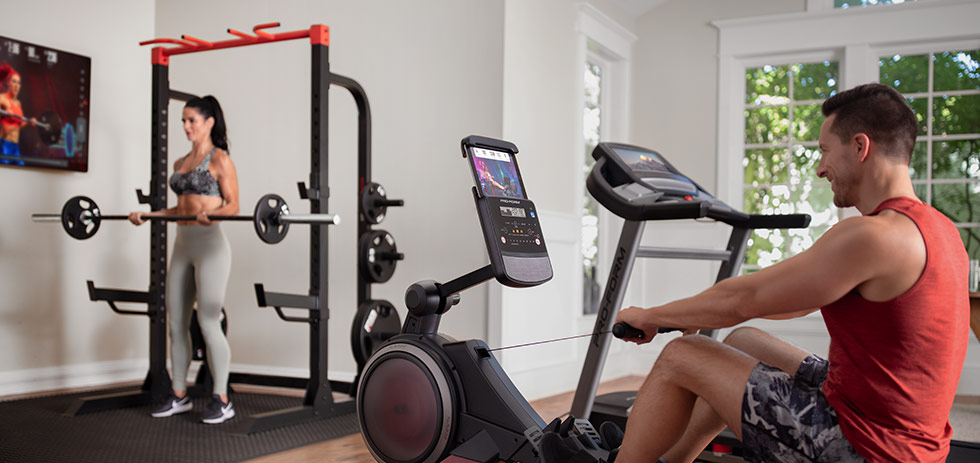
Source: www.proform.com

Today's Exclusive Deals
Limited-time Exclusive Deals. Check current discount on Amazon.
Check Price on Amazon As an Amazon Associate I earn from qualifying purchases.Key Benefits At A Glance
- Time efficiency You skip commutes and wait times, so you train more often.
- Cost savings Over time, gear beats monthly memberships and travel costs.
- Consistency Your gym is always open, rain or shine.
- Privacy You can learn, fail, and progress without judgment.
- Personalization You control equipment, layout, music, and temperature.
- Safety and hygiene You manage cleanliness and reduce exposure to germs.
- Accessibility You remove barriers for busy schedules and families.
- Mental well-being Training at home reduces friction and boosts mood.
- Performance You can follow a focused program without distractions.
Research shows that frequent, short sessions improve adherence and health markers. Home setups make those sessions easier to do, which drives real results.
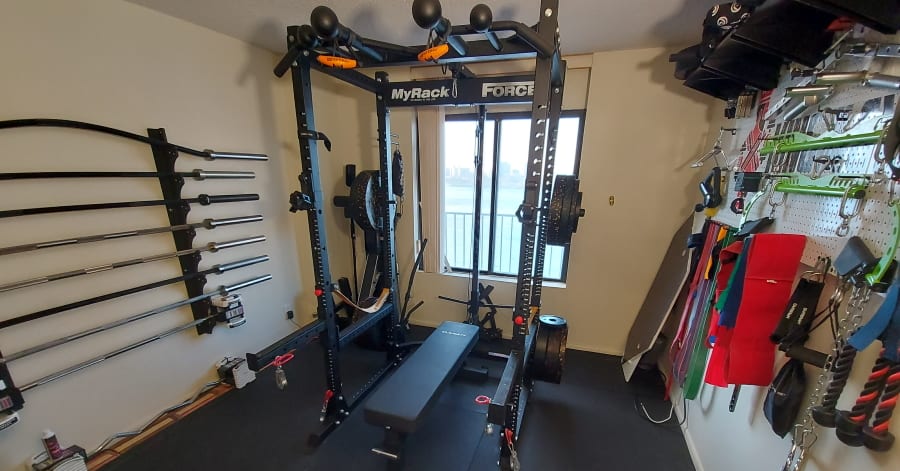
Source: www.kingofthegym.com
Save Time And Stay Consistent
Time is the biggest lever. A 30-minute workout can take 90 minutes with travel and wait times. At home, you can lift in 30 minutes, shower, and move on with your day.
- Micro-workouts Work in 10- to 20-minute blocks. Morning mobility. Lunch lifts. Evening cardio.
- Habit stacking Pair training with coffee or podcasts to make it automatic.
- No gym hours Your schedule wins. Early bird or night owl, the door is always open.
From experience, clients who switch to home training report 2 to 3 extra sessions per week within the first month. More touches mean steady progress.
Source: www.proform.com
Cut Long-Term Costs
Gym memberships, gas, parking, and extras add up. A basic setup pays for itself.
- Starter kit Adjustable dumbbells, bands, a mat, and a pull-up bar cover most goals.
- Smart buying Buy used or refurbished. Quality plates and racks last for years.
- Phase upgrades Add a bench, barbell, and rack when ready.
Analyses of typical costs show that a modest home gym can break even in 12 to 24 months compared to mid-tier memberships, especially for couples or families. After that, your “membership” is free.

Source: www.fitness-world.in
Train On Your Terms: Privacy And Comfort
You control the room. That matters more than people think.
- No waiting, no staring You lift at your pace without pressure.
- Your vibe Music, lighting, fan speed, and even the shoes you prefer.
- Learning curve Practice form without feeling watched.
Many beginners build confidence faster at home. I’ve seen clients nail their first proper squat simply because they could film sets in peace and review cues without rush.

Source: lewallfitness.com
Customize For Your Goals And Space
Your gym should fit your goals, not the other way around.
- Small space strength Adjustable dumbbells, kettlebells, and a foldable bench.
- Power-focused Barbell, rack, bench, plates, and a platform mat.
- Conditioning Rowers, bikes, jump ropes, and sleds if you have room.
- Recovery Corner Foam roller, massage ball, and a yoga mat.
Plan zones by movement: push, pull, squat, hinge, carry, and cardio. This layout keeps sessions smooth and focused.
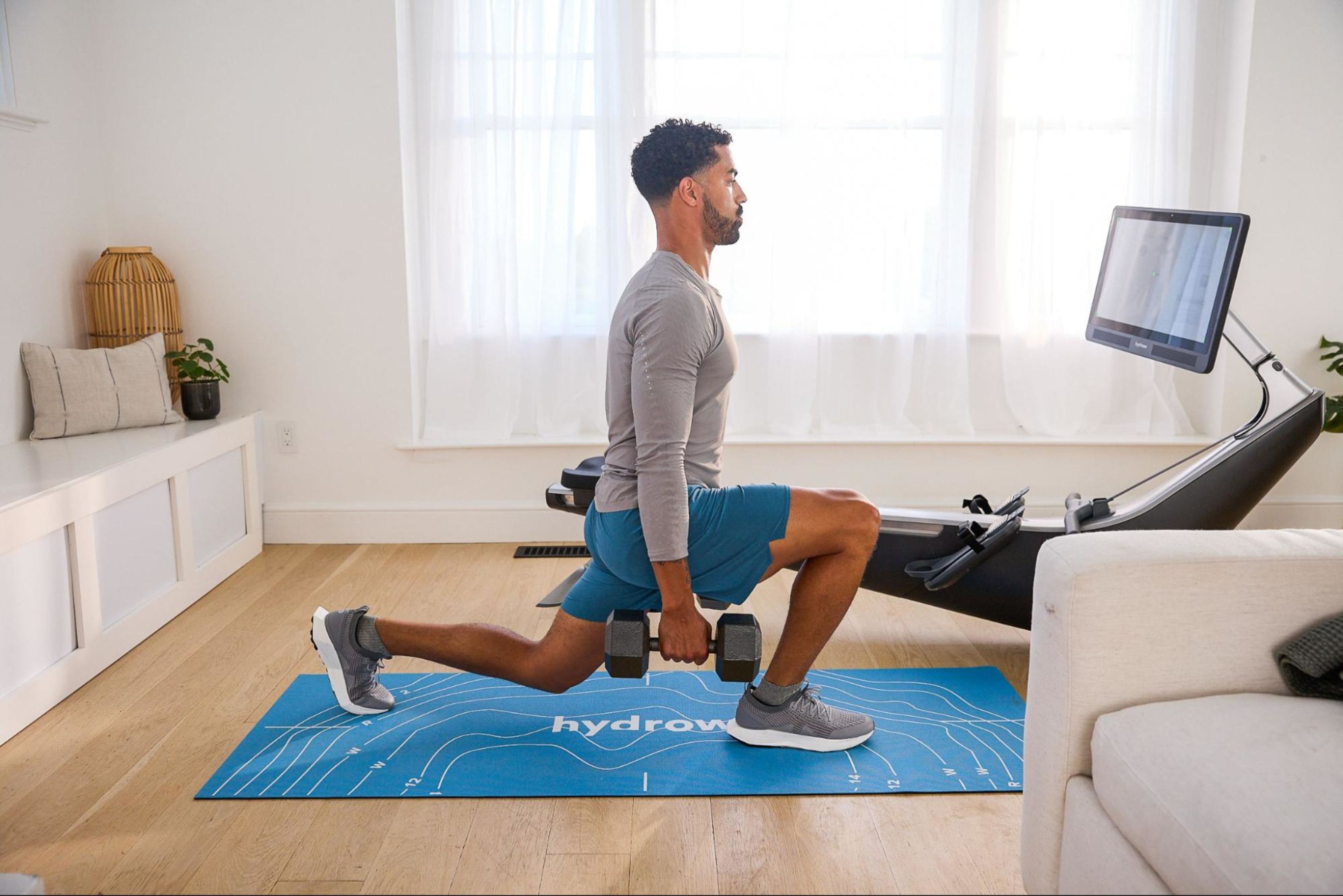
Source: hydrow.com
Safer And More Hygienic Workouts
You set safety standards. You also know who used the gear last.
- Clean gear Wipe downs are fast and reliable.
- Controlled environment Fewer germs and less risk of seasonal bugs.
- Safe progression Use spotter arms on racks. Practice with light loads.
Evidence links consistent strength work with lower injury risk and better metabolic health. A home gym makes consistency and safe practice easier to sustain.
Source: blog.rentacenter.com
Motivation, Mindset, And Mental Health
A home gym reduces friction. Less friction means less decision fatigue.
- Lower barriers You start sooner when setup is simple.
- Mood boost Short movement breaks can reduce stress and improve focus.
- Identity shift When training fits daily life, fitness feels like part of you.
I’ve watched clients use five-minute “reset sets” between meetings to keep stress low. Small wins add up.
Family Fitness And Accessibility
Fitness can be a shared habit at home.
- Role modeling Kids see you train and join in with safe variations.
- Flexible schedules Couples can alternate sets while dinner cooks.
- Inclusive options Adapt workouts for different abilities with bands, chairs, and tempo work.
For new parents or caregivers, at-home training often keeps health goals alive when leaving the house is hard.
Performance Gains And Program Quality
Home gyms support better programs when you keep it simple.
- Focused plans Follow a progressive plan without distractions.
- Data you can use Track reps, load, tempo, and rest for steady gains.
- Recovery synergy Sleep, nutrition, and training live under one roof.
Progression principles beat fancy machines. Add small loads. Add a rep. Add a set. Or reduce rest. These simple steps drive results.
Practical Setup Tips From Experience
- Start with needs Pick 6 to 8 moves you’ll do weekly. Buy gear that serves them.
- Measure first Check ceiling height and floor load. Use rubber mats to protect floors and reduce noise.
- Choose durable gear A sturdy bench, a reliable bar, and plates that fit your space.
- Plan storage Wall hooks, shelves, and a small bin for bands and grips.
- Keep it inviting Good light, a fan, and a clean floor boost use.
One lesson learned Use collars every time. Loose plates are a top cause of scary moments at home.
Common Mistakes To Avoid
- Overbuying Fancy gear without a plan becomes clutter.
- Skipping basics Ignore warm-ups, and progress stalls or injuries rise.
- No programming Random workouts limit results. Follow a simple cycle.
- Poor flooring Noise complaints and damaged floors are avoidable.
- Bad ergonomics Set rack heights, bench position, and bar paths to your body.
Fix these early, and your home gym becomes a long-term asset.
Frequently Asked Questions of What are the benefits of having a home gym?
Does A Home Gym Really Save Money?
Yes. After the initial setup, you avoid monthly fees and travel costs. Over one to two years, most people break even, and families save faster.
Can I Build A Home Gym In A Small Apartment?
Yes. Use adjustable dumbbells, bands, a foldable bench, and a pull-up bar. Store gear under a bed or in a closet. A mat protects floors and reduces noise.
What Equipment Should I Buy First?
Start with a mat, adjustable dumbbells or kettlebells, a band set, and a pull-up option. Add a bench, barbell, plates, and a rack when your program needs them.
How Do I Stay Motivated At Home?
Use short, scheduled sessions. Keep a visible plan, track progress, and prep your space the night before. Music, timers, and simple goals help.
Is It Safe To Lift Heavy At Home?
Yes, with the right setup. Use a rack with spotter arms, learn proper form, and progress gradually. Film sets to check technique, and avoid maxing out alone.
Can I Get Strong Without Machines?
Absolutely. Free weights, bodyweight, and bands cover all major movement patterns. Progression over time matters more than the type of machine.
How Do I Keep Noise Down?
Use rubber mats, controlled lowering, and bumper plates. Avoid dropping weights. For cardio, choose a bike or rower over a treadmill in shared spaces.
Conclusion
A home gym gives you time, control, and momentum. You save money long term, train more often, and build a routine that fits your life. Start small, buy for your plan, and improve the space as you grow. Your best gym can be a few feet from your coffee mug.
If you’re ready, pick three core exercises and set up a 20-minute session for tomorrow. Keep it simple. Keep it consistent. Progress will follow.
Want more tips or gear guides? Subscribe, leave a comment with your space and goals, and I’ll help you design a setup that works for you.

