I’ve set up more than a dozen compact gyms for clients and myself, from studio corners to small garages. Here’s the truth: you don’t need a big room to train well. You need a smart plan. If you’ve wondered how to design a home gym in a small space, this guide shows you how to map your room, pick compact gear, and store it cleanly so you actually use it. I’ll share what works, what breaks, and how to make every square foot count. Let’s build a small-space setup that feels pro, not cramped.
:max_bytes(150000):strip_icc()/estudio-raiz-da0fdecf76104157a4fb3adacc62a6f4.jpg)
Source: www.thespruce.com
Today's Exclusive Deals
Limited-time Exclusive Deals. Check current discount on Amazon.
Check Price on Amazon As an Amazon Associate I earn from qualifying purchases.Step 1: Define Your Space And Your Goals
A great small gym starts with clarity. Measure your area, set training goals, and match the two.
- Measure the footprint. Length, width, and ceiling height. Note door swings, windows, outlets, and vents.
- Pick your main goal. Strength, fat loss, mobility, or sport prep. Let your goal drive your gear.
- Choose must-do movements. Push, pull, hinge, squat, lunge, carry, and core. This keeps your plan balanced.
- Decide frequency. If you train most days, buy what you will use often. If not, keep it simple.
- Check noise and neighbors. If you live upstairs, plan for quieter tools and softer landings.
Pro tip from experience: I once forced a power rack into a low-ceiling attic. It killed motivation because pull-ups were awkward. A compact rack with a fold-out bar would have been better.
What research suggests: Habit strength rises when friction is low. Keep your setup quick to access and easy to reset. That starts with a clear layout and minimal clutter.
Source: www.realhomes.com
Step 2: Plan A Smart Layout And Traffic Flow
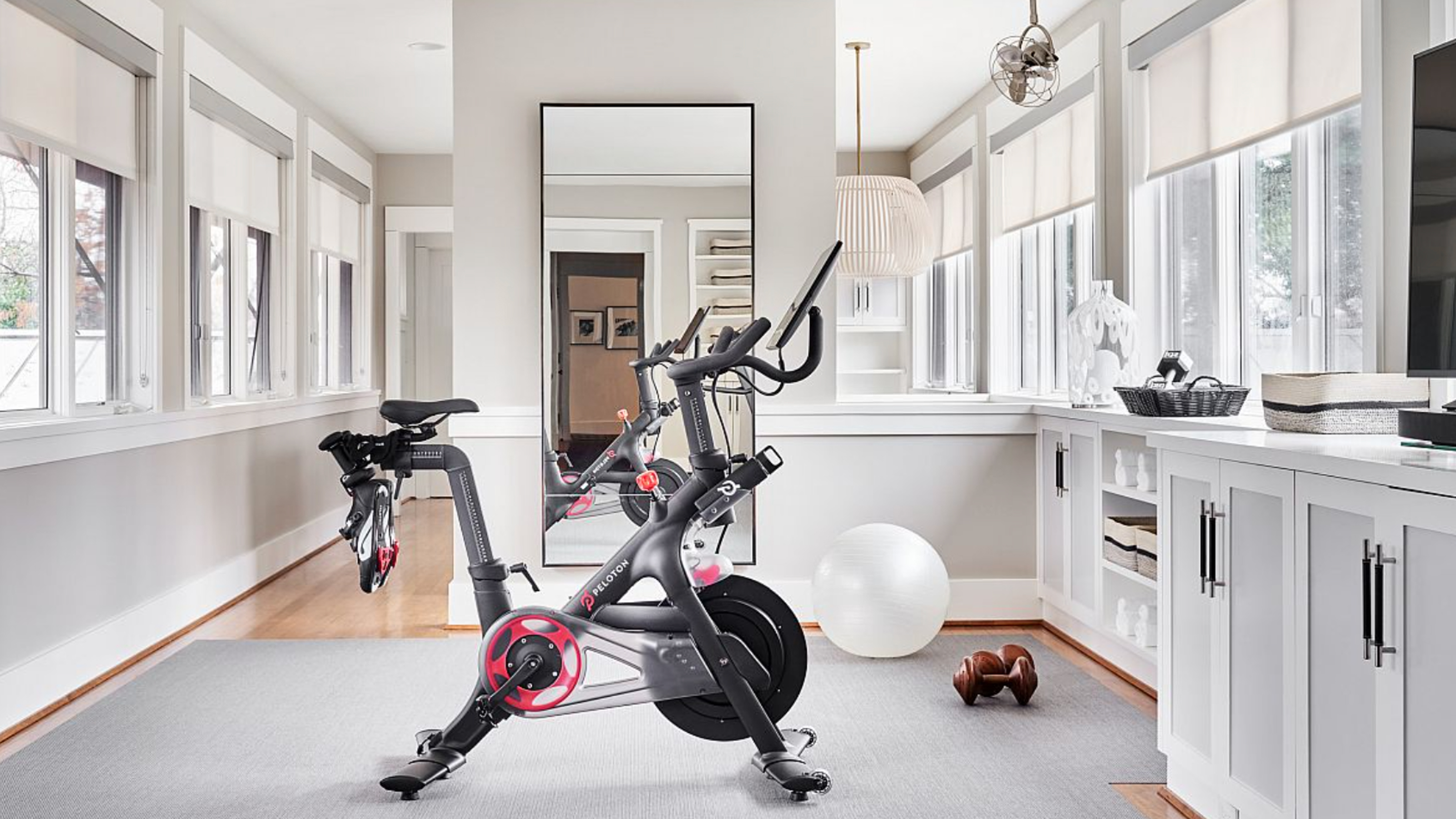
Zones prevent chaos. You need a training zone, a storage zone, and a safety buffer.
- Training zone. Leave a 6-by-6 foot square if possible. This fits most moves, including lunges and kettlebell swings.
- Storage zone. Use one wall for vertical racks, shelves, and hooks. Keep floor clear.
- Safety buffer. Leave 18–24 inches around gear for movement, cables, and doors.
Simple layouts that work:
- Studio corner. Mat in the corner, foldable bench against wall, hooks for bands, kettlebells under a shelf.
- Hallway closet gym. Over-the-door pull-up bar, bands on hooks, foldable mat. Pull gear out when needed.
- Small garage bay. Fold-away wall rack, bumper plates on a tree, plyo box doubles as storage.
Personal tip: Tape the floor to outline zones before buying gear. Move inside the tape and test lunges, pushups, and swings. You will catch tight spots early.

Source: www.safetyinfo.com
Step 3: Choose Compact, Multi-Use Equipment
Select tools that cover many moves, store small, and last. Prioritize versatility over single-use machines.
Essentials for most small spaces:
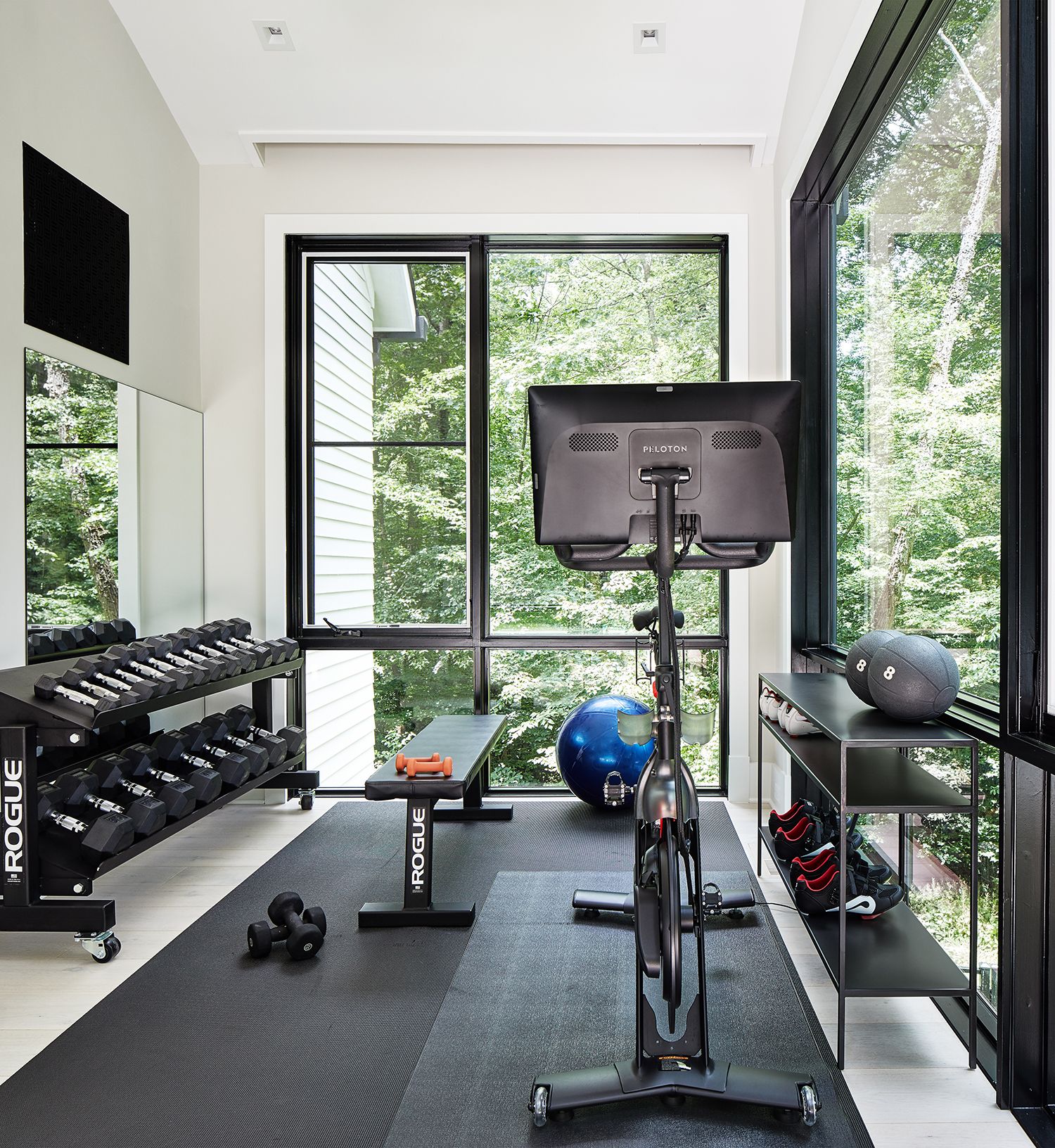
- Adjustable dumbbells. Replace multiple pairs. Choose trusted brands with secure locks.
- Kettlebells. One medium and one heavy cover swings, squats, and presses. Kettlebells store well and build full-body power.
- Resistance bands with door anchor. Light to heavy. Great for pulls, presses, and mobility.
- Foldable bench or step. Folds flat under a bed or stands against a wall.
- Suspension trainer. Anchors to a door or ceiling for rows, presses, and core work.
- Jump rope. Compact cardio that stores in a drawer.
- Yoga mat or 2-piece foldable mat. Cushions joints and protects floors.
Space-saver upgrades:
- Compact barbell with short sleeves plus change plates. Works in tight rooms.
- Fold-away wall rack with pull-up bar. Folds near-flat when not in use.
- Adjustable cable tower or wall-mounted pulley. A slim profile adds big exercise variety.
What to skip in tight rooms:
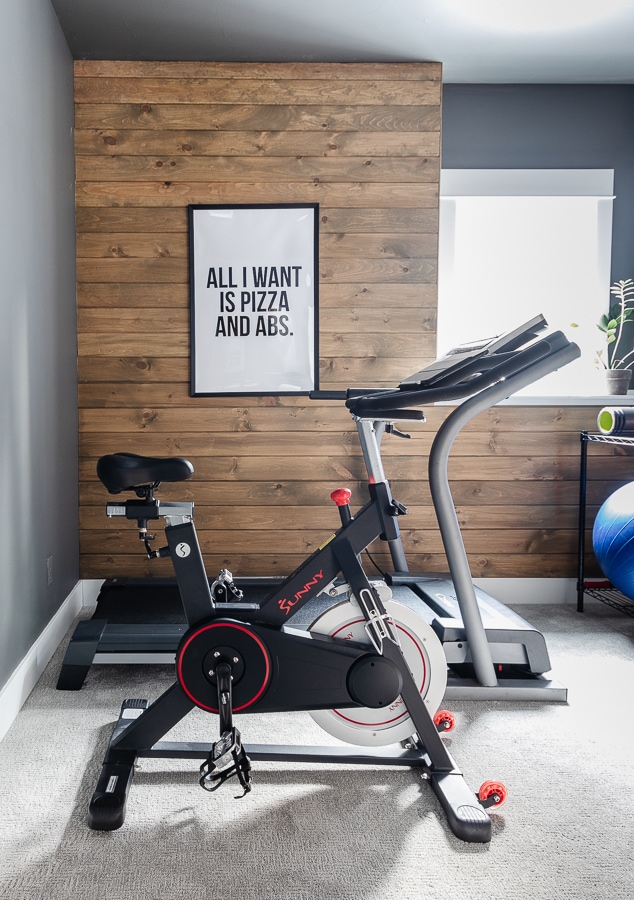
- Large treadmills and full-size ellipticals. They eat space and add noise.
- Single-function machines. They limit variety and cost more per exercise.
Evidence-based notes: Free weights and bands drive strength and hypertrophy well when you train close to failure. You do not need machines to progress. Bands and kettlebells also improve power and mobility with minimal footprint.

Source: www.thelilypadcottage.com
Step 4: Storage That Disappears When You’re Done
If your gear vanishes fast, you will train more often. Aim for vertical, hidden, and mobile storage.
- Wall hooks for bands, jump ropes, and suspension trainers. Place at shoulder height.
- Pegboard panels for modular storage. Add baskets for collars and wraps.
- Under-bench bins for small items. Label them for speed.
- Rolling cart for dumbbells and accessories. Roll it in and out of a closet.
- Over-the-door racks for mats and straps.
- Plate tree or vertical kettlebell stand. Keeps weight off the floor.
Personal lesson: Clear floors keep me consistent. When the floor is open, the workout starts sooner and feels less stressful.
Source: www.dukemanorfarm.com
Step 5: Flooring, Lighting, And Ventilation
Comfort and safety hinge on the ground and the air.
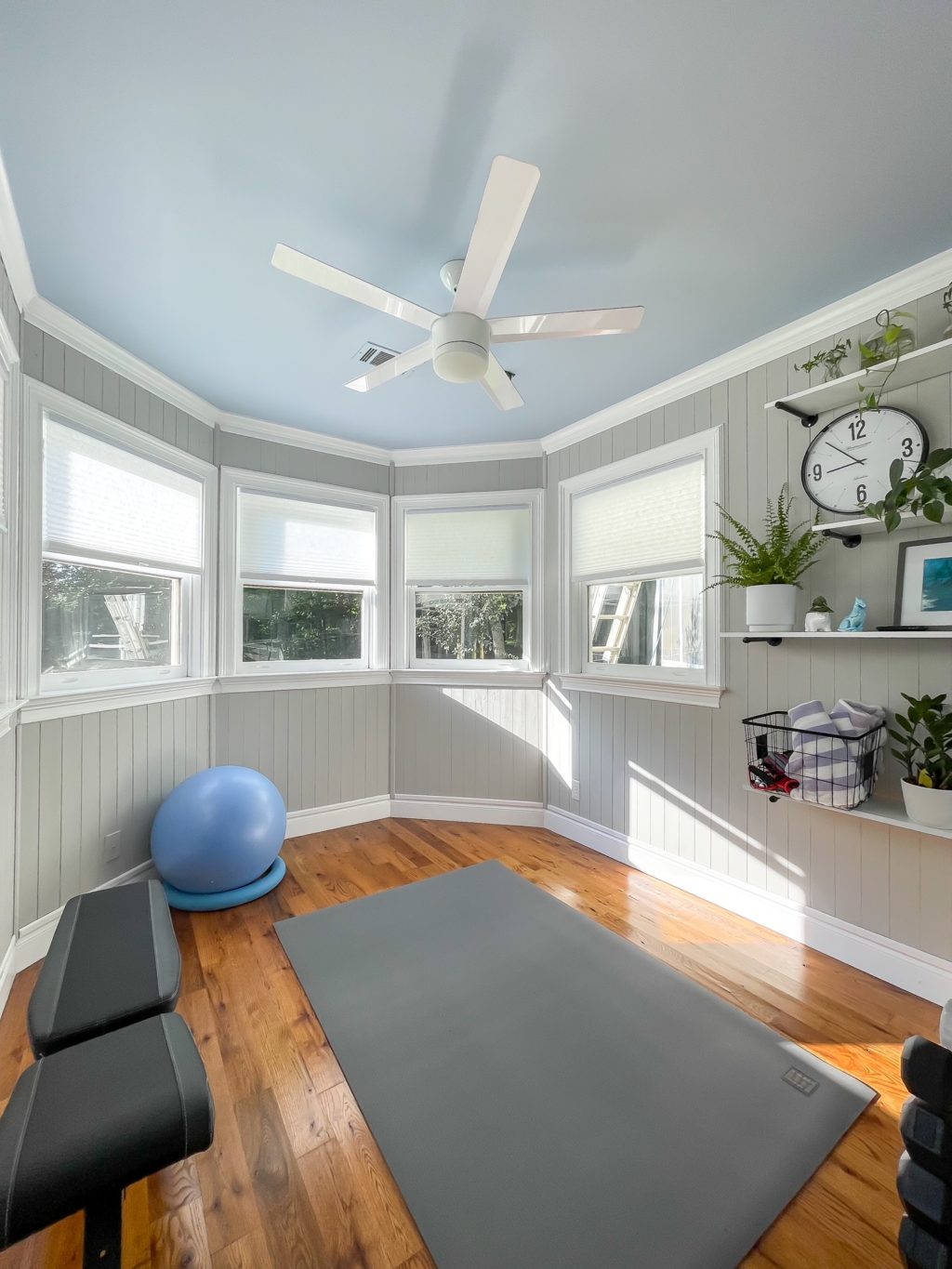
- Flooring. Use 3/8 to 1/2 inch rubber tiles or mats. They protect floors, dampen noise, and add grip.
- Noise control. Add a second mat layer where you lift. Use rubber-coated plates and avoid dropping weights.
- Lighting. Bright, even light boosts alertness. Add a standing lamp or LED strip near mirrors.
- Ventilation. Use a fan near a window or a compact air purifier. Fresh air improves perceived effort.
- Mirrors. A tall, narrow mirror helps form checks without taking much wall space.
For apartments: Place a dense mat under the main lifting area. Train controlled landings. Your downstairs neighbors will thank you.
Source: www.thelilypadcottage.com
Step 6: Budget Smart And Buy In Phases
You can build a strong gym for less than one year of a typical gym membership.
Tiered approach:
- Start here. Bands, jump rope, mat, and a single kettlebell.
- Next buy. Adjustable dumbbells and a foldable bench.
- Then upgrade. Suspension trainer, compact rack, and change plates if you lift heavy.
Money-saving tips:
- Choose used iron plates and bells first. Metal lasts.
- Buy quality for moving parts like adjustable dumbbells and benches.
- Avoid impulse gadgets. If a tool handles fewer than five useful moves, skip it.
A quick cost frame: Many people hit all major goals with a sub-$400 setup when they buy smart and used. Invest more only when your training demands it.
Source: 8cv.org
Step 7: Program Workouts For Small Spaces
Train with simple, dense sessions that need little room and little setup.
Full-body template, 3 days per week:
- A. Lower push. Goblet squat or split squat, 3 sets of 8–12.
- B. Upper pull. Band row or suspension row, 3 sets of 10–15.
- C. Hinge. Kettlebell deadlift or swing, 3 sets of 8–12.
- D. Upper push. Dumbbell floor press or overhead press, 3 sets of 8–12.
- E. Core finisher. Carry, plank, or dead bug, 2–3 sets.
Time-saver circuits:
- 10-minute EMOM. Odd minutes: 12 kettlebell swings. Even minutes: 10 pushups.
- 15-minute ladder. 1 to 5 and back down of goblet squats and rows.
Progression you can trust:
- Add a rep each session until you hit the top of the range, then add weight.
- If weight options are limited, slow the tempo and add a pause.
Evidence hint: Short, high-effort sets with limited rest can match longer sessions for fat loss and conditioning. Keep form crisp and track progress.
Step 8: Real-World Layouts You Can Copy
Here are field-tested setups that fit tight homes.
One-wall studio setup:
- 6-by-4 foot mat centered on a wall.
- Hooks above for bands and suspension trainer.
- Narrow shelf with kettlebells and a jump rope.
- Foldable bench leans behind the shelf.
Closet gym:
- Over-the-door pull-up bar and anchor.
- Under-bed bin for bands, sliders, and a mat.
- Adjustable dumbbells stored on a low shoe rack.
- Train in the hall, reset in two minutes.
Micro garage bay:
- Fold-away wall rack with pull-up bar.
- Plate tree and a short barbell.
- Rubber tiles only under the rack to save cost.
- Box that doubles as storage for wraps and collars.
Personal note: My favorite client setup was a 5-foot nook with a pegboard, a mat, and two kettlebells. He trained four days a week because everything reset in 90 seconds.
Step 9: Safety, Setup Checks, And Maintenance
Small rooms need tight safety habits.
- Anchors. Load-test wall mounts and door anchors to the manufacturer’s rating.
- Clearance. Leave headroom for presses and pull-ups. Check ceiling fans.
- Footing. Keep cables and bands off the floor when not in use.
- Maintenance. Wipe sweat, clean mats weekly, and check bolts monthly.
- Health. Warm up for 5 minutes. If pain pops up, stop and regress the move.
Transparency note: Some rooms cannot support heavy barbell drops due to floor limits. If in doubt, use controlled lowers, kettlebells, or bands instead.
Frequently Asked Questions Of How To Design A Home Gym In A Small Space?
How Much Space Do I Need For A Useful Home Gym?
You can train well in as little as a 6-by-4 foot area. Focus on free weights, bands, and bodyweight. Keep storage vertical to free floor space.
What Is The Best Equipment For A Small Apartment?
Start with adjustable dumbbells, a medium kettlebell, resistance bands with a door anchor, a suspension trainer, and a foldable mat. These cover all major movements and store fast.
Can I Lift Heavy Without A Full Power Rack?
Yes. Use heavy kettlebells, adjustable dumbbells, and a compact barbell with change plates. Train near failure with strict form. Pauses and tempo work increase intensity safely.
How Do I Reduce Noise For Neighbors?
Use dense rubber mats, avoid dropping weights, and pick rubber-coated plates. Train controlled landings, add a second mat layer for deadlifts, and use a fan instead of a treadmill for cardio.
What If My Ceiling Is Too Low For Overhead Presses?
Press seated or use incline floor presses. Try landmine-style presses with a short bar, or do single-arm kettlebell presses with a half-kneeling stance if clearance allows.
How Do I Stay Motivated In A Small Space?
Make setup and reset under two minutes. Keep gear visible but tidy. Use a simple plan, track reps, and set a fixed training cue like morning coffee then 20 minutes of movement.
Conclusion
Small spaces can deliver big results when you plan the layout, pick versatile gear, and store it smart. Measure your room, define your goals, and build in phases. Keep your floor clear, your light bright, and your workouts simple and repeatable. Start today with one kettlebell, a mat, and a band. Add the rest as your habit grows. Ready to build your compact setup and train with confidence? Subscribe for more small-space guides, leave a comment with your room size, and I’ll help you sketch the perfect layout.