
Beginners should start at about 20–30 degrees and increase slowly as they feel comfortable.
I’ve used inversion tables with many clients and tested angles myself. This guide explains what angle beginners should use on an inversion table, why that angle matters, and how to progress safely. You’ll get clear steps, safety checks, and real-world tips so you can try inversion without guesswork. Read on to learn the right starting angle, how to set the table, and simple progress plans.

Today's Exclusive Deals
Limited-time Exclusive Deals. Check current discount on Amazon.
Check Price on Amazon As an Amazon Associate I earn from qualifying purchases.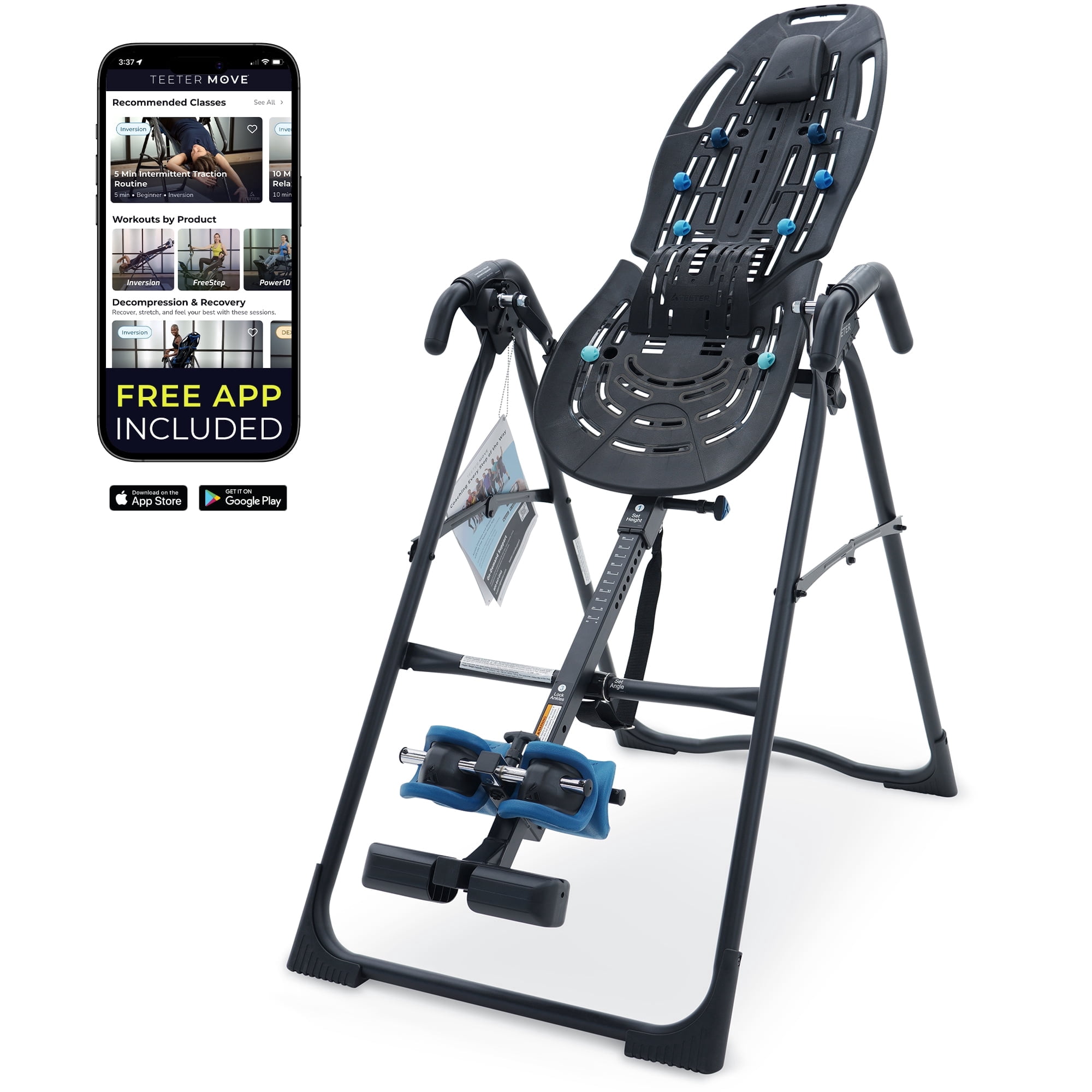
Why the angle matters
The angle you choose controls how much stretch and pressure change your spine feels. Small angles give gentle decompression. Big angles increase traction but also raise blood pressure and dizziness risk. Knowing what angle should beginners use on an inversion table helps avoid pain, nausea, or unsafe rises in blood pressure.
Recommended starting angles for beginners
Most beginners do best in a low to moderate range. Keep sessions short and calm. Here are clear starting points:
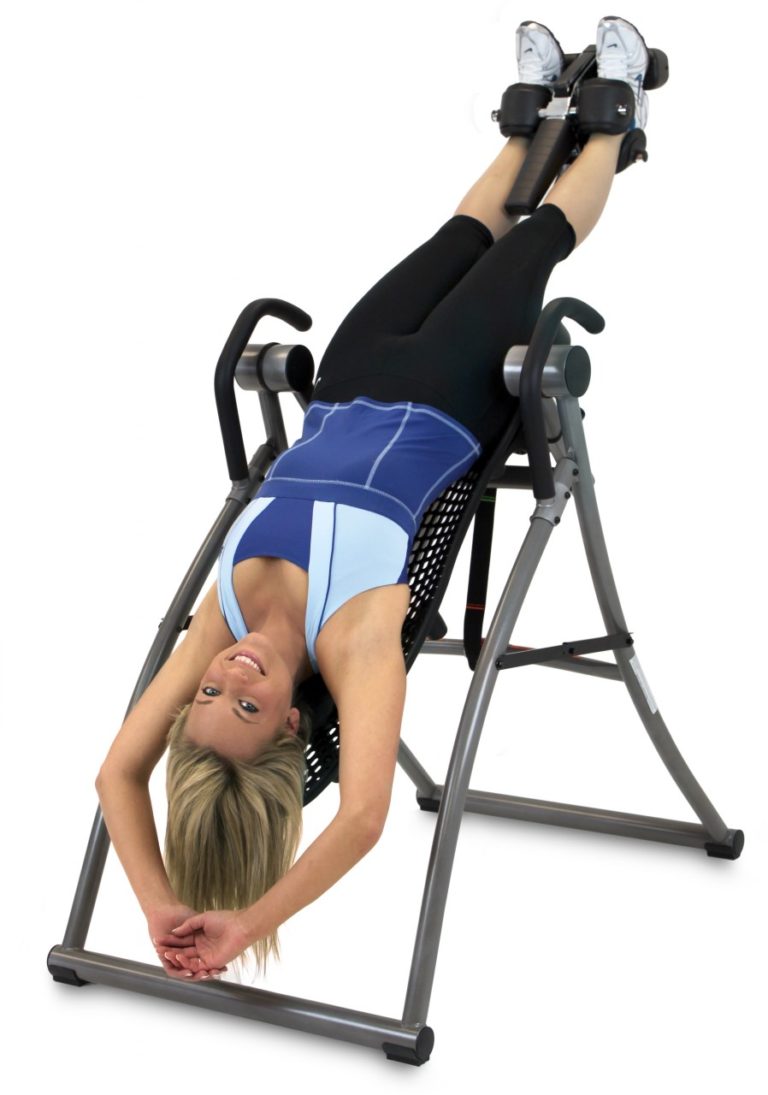
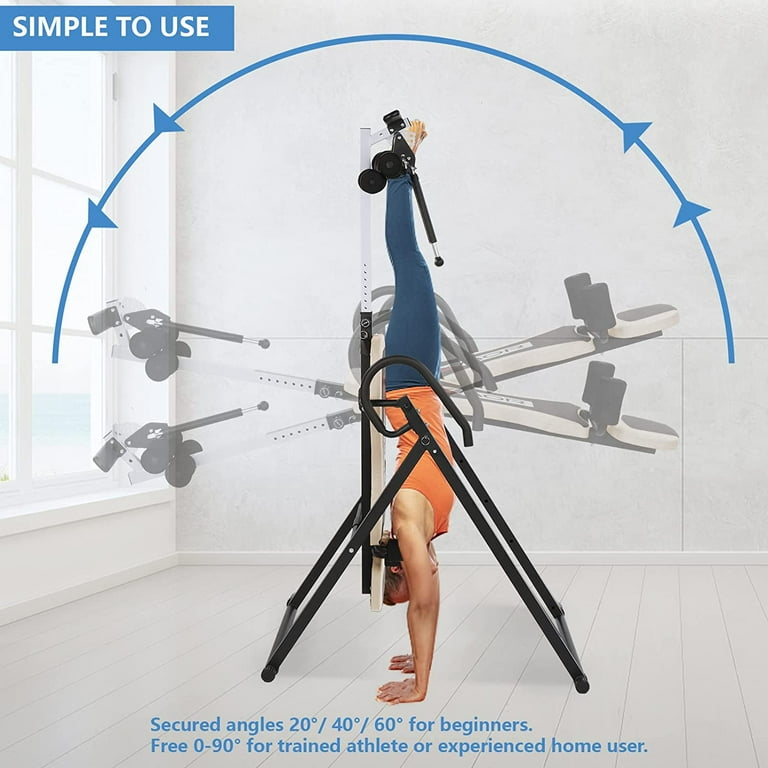
- 20–30 degrees — Gentle stretch for first sessions. Best for easing into inversion and testing tolerance.
- 30–40 degrees — Moderate traction once you feel stable at lower angles. Use this after a few sessions.
- 40–60 degrees — For stronger decompression and spinal relief, only after building comfort.
- 60–90 degrees — Near full inversion. Reserve for experienced users and only with medical clearance.
If you ask "What angle should beginners use on an inversion table" remember to start low. Start at 20–30 degrees and add 5–10 degrees over days or weeks. Keep sessions to 1–3 minutes at first.
How to progress safely
Move slowly and watch your body. Use this simple plan to progress:
- Week 1: 20–30 degrees, 1–2 minutes per session, once per day.
- Week 2: 25–35 degrees, 2–3 minutes, 1–2 times per day.
- Week 3 and beyond: Add 5–10 degrees every 3–7 days as tolerated.
- Full inversion: Only try after weeks of gradual progress and if no side effects occur.
People also ask: Will inversion worsen blood pressure? Short answer: inversion raises blood pressure and heart rate for many people, so check with a clinician if you have hypertension.
People also ask: Can beginners get relief fast? Short answer: some feel eased tension after one session, but steady gains come from repeated, gentle use.
Benefits and risks by angle
Angles bring different effects. Know what to expect.
- Low angles (20–30 degrees) — Benefits: mild traction, low dizziness risk, safe for most. Risks: limited decompression for severe issues.
- Mid angles (30–60 degrees) — Benefits: stronger spinal relief, better disc space traction. Risks: more blood pressure change, lightheadedness, ear pressure.
- High angles (60–90 degrees) — Benefits: maximum spinal decompression and joint stretch. Risks: high cardiovascular stress, risk of falling if not secured, increased eye/ear pressure.
When deciding what angle should beginners use on an inversion table, weigh benefits against personal health risks. If you take medication or have heart disease, avoid mid and high angles until cleared.
Setup, technique, and tips
A safe start relies on good setup and form. Follow these steps:
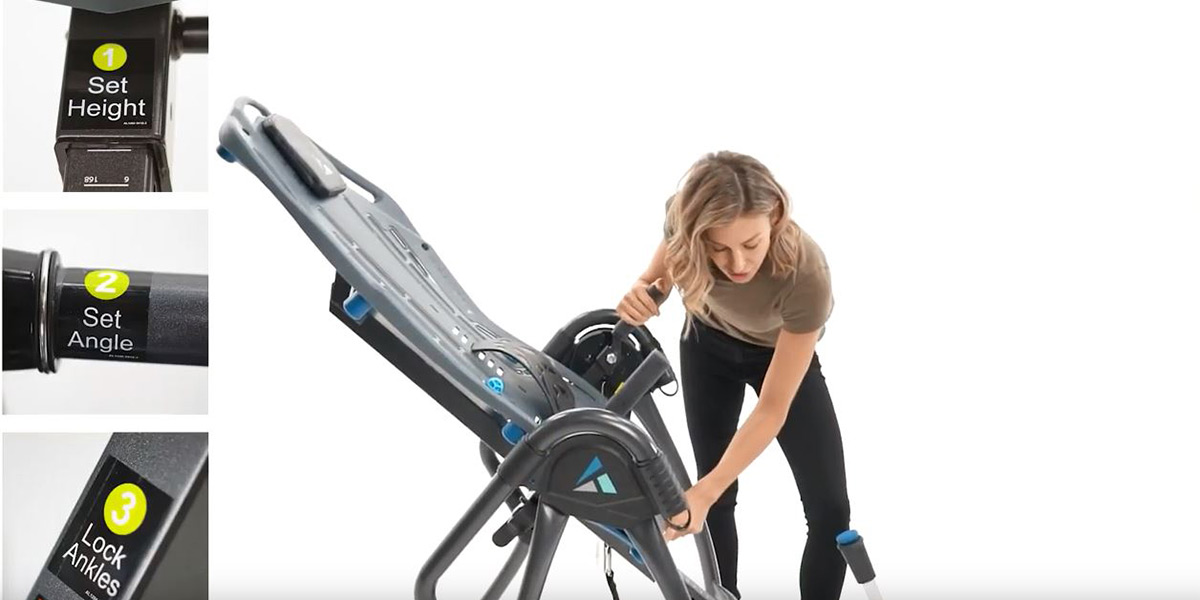
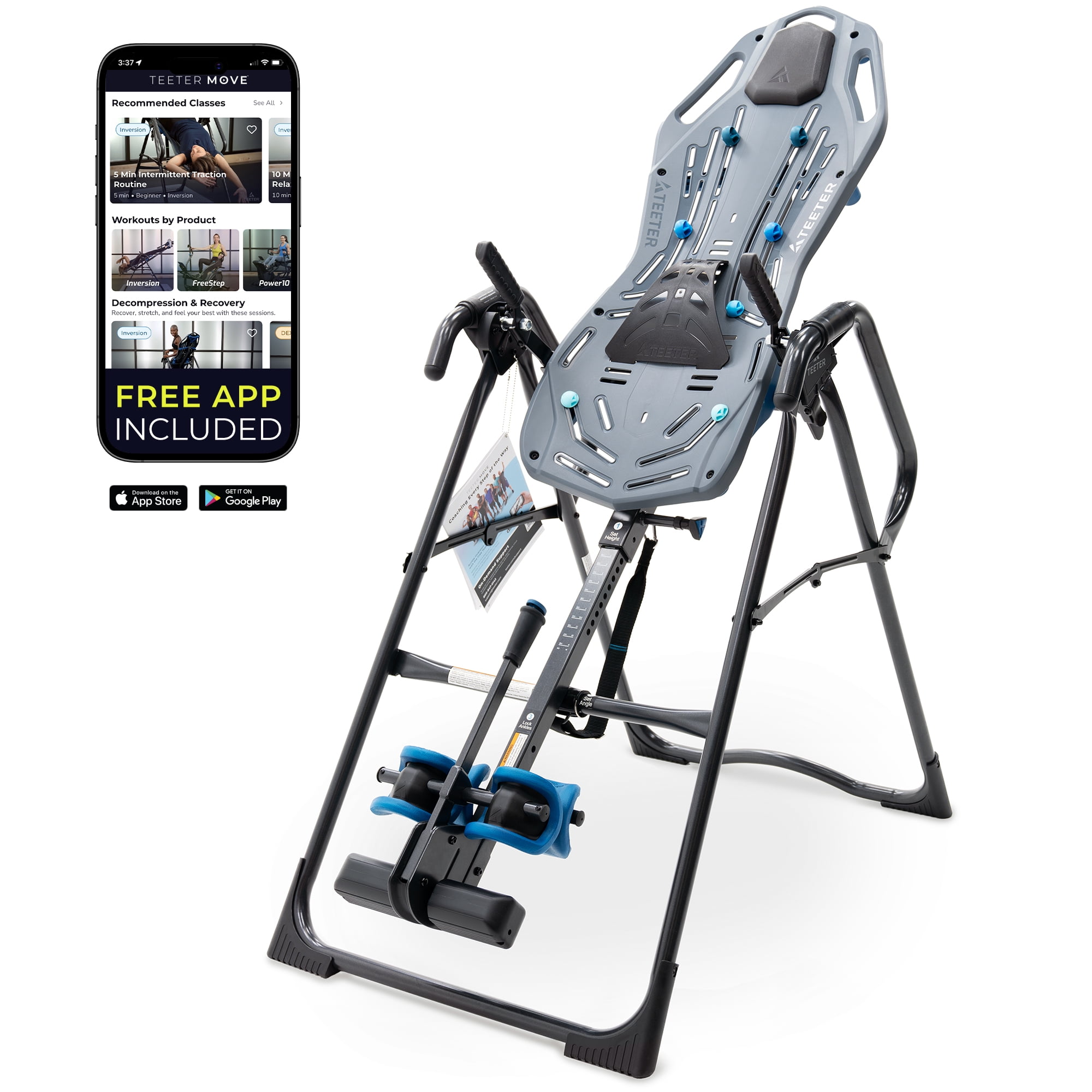
- Fit the ankle locks snugly but not painfully.
- Adjust the balance point so you can control tilt with hand levers.
- Start with controlled breathing. Exhale on the tilt out, inhale while returning.
- Keep sessions short—1–3 minutes at first. Pause if you feel dizzy, short of breath, or nauseous.
- Use a friend or spotter for initial sessions until you feel steady.
Check your table manual for angle markings. Mark your favorite safe starting angle so you can repeat it. If you wonder what angle should beginners use on an inversion table with a specific condition, consult your provider first.

Personal experience and real-world tips
I first used inversion at 25 degrees after a bad day of lower back pain. The first two sessions were just two minutes long. I felt less tight the next day and slowly increased to 35 degrees over three weeks. Key lessons I learned:
- Don’t push through vertigo. Stop and sit up slowly.
- Track how you feel the next day—delayed soreness can mean you increased too fast.
- Use the table after light warm-up, not on cold muscles.
Many clients report steady pain relief when they start low and progress slowly. Mistakes to avoid include starting at full inversion, skipping medical checks, and using the table when overly tired or dehydrated.
Frequently Asked Questions of What angle should beginners use on an inversion table
What angle should beginners use on an inversion table for back pain?
Start at 20–30 degrees for your first sessions. Increase slowly to 30–40 degrees if you feel stable and symptoms improve.
How long should beginners invert at the starting angle?
Keep sessions 1–3 minutes at first. Build up to 5–10 minutes as you adapt and only if no adverse effects occur.
Can beginners go to full inversion right away?
No. Full inversion is for experienced users. Beginners should avoid high angles until they have weeks of gradual progress and medical clearance.
Is inversion safe for people with high blood pressure?
Inversion can raise blood pressure. Consult a doctor before using an inversion table if you have hypertension or heart disease.
How often should beginners use an inversion table each week?
Start with once daily or every other day. Aim for 3–5 short sessions per week as you progress and feel comfortable.
Will inversion make sciatica worse for beginners?
Some people get relief; others feel more pressure. Start low and stop if leg pain increases. Talk to a clinician if sciatica persists or worsens.
Conclusion
Start low, move slow, and put safety first when deciding what angle should beginners use on an inversion table. A sensible plan is 20–30 degrees for first sessions, short duration, and gradual increases guided by comfort. Track your response, consult a clinician for health issues, and focus on consistency rather than fast gains. Try a careful week-long plan, note changes, and share your experience or questions below to keep learning and stay safe.

