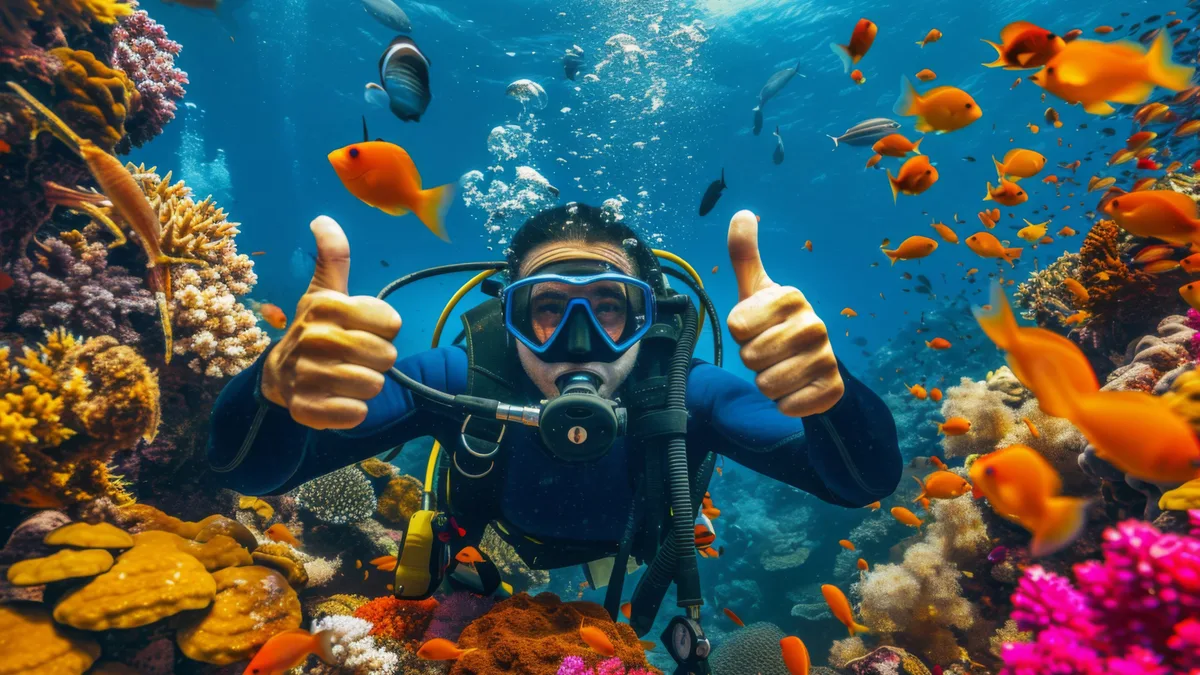
Image source: Web (Bing) / okaydive.com (Web image (fair-use with source credit))

Today's Exclusive Deals
Limited-time Exclusive Deals. Check current discount on Amazon.
Check Price on Amazon As an Amazon Associate I earn from qualifying purchases.Thinking about exploring the underwater world but wondering if scuba diving is safe for someone new to it? It's a completely normal question to ask, and the good news is that with the right training and precautions, recreational scuba diving can be a very safe activity for beginners. Millions of people around the world enjoy diving every year without incident.
Our research and analysis of diver safety reports show that when you follow established protocols and get proper certification, the risks are significantly minimized. For instance, according to standards set by major certification agencies, a beginner diver typically undergoes at least 25 hours of training covering theory, confined water skills, and open water dives. This rigorous process ensures you're prepared before venturing into the ocean.
Quick Answer
Yes, scuba diving can be safe for beginners. Proper certification from a recognized agency is crucial. Following safety procedures and understanding risks significantly reduces potential dangers.
Key safety factors include medical fitness and adherence to dive planning.
The Real Risks: What Beginners Need to Know
While diving is generally safe when done correctly, it's not without its risks, and being aware of them is your first step to staying safe. These are not meant to scare you off, but to empower you with knowledge so you can avoid problems. For beginners, understanding the potential issues is as important as learning how to use the gear.
Common Scuba Diving Dangers
There are several potential hazards associated with scuba diving, some of which can be serious if not managed properly. These are well-documented, and that's precisely why training exists.
- Barotrauma: This is injury caused by pressure differences. The most common types for beginners are ear and sinus squeeze, which happen if you don't equalize the pressure in your ears or sinuses as you descend.
- Decompression Sickness (DCS): Often called "the bends," DCS occurs when dissolved nitrogen in your body tissues forms bubbles during ascent if you ascend too quickly or stay too deep for too long. Adhering to dive computer limits and proper ascent rates prevents this.
- Nitrogen Narcosis: At deeper depths, nitrogen can have an anesthetic effect, similar to being intoxicated. This can impair judgment, so it's essential to stay within recreational depth limits, typically no more than 60 feet (18 meters) for open water certified divers.
- Running Out of Air: This usually happens due to poor dive planning, equipment issues, or panic. The buddy system and regular air checks are critical defenses.
- Entrapment: Getting stuck in fishing nets, shipwrecks, or tight spaces can be dangerous. Always be aware of your surroundings and avoid unnecessary risks.

Understanding these potential dangers is key to a safe dive.
Preventing Scuba Accidents: Training is Key
The single most effective way to prevent scuba diving accidents is through comprehensive training from a certified instructor. Your certification course teaches you the theory, the skills, and the decision-making necessary to dive safely. It’s not just about learning to breathe underwater; it’s about understanding how pressure affects your body, how to use your equipment correctly, and how to handle emergencies.
Agencies like PADI, SSI, and NAUI all adhere to rigorous training standards designed to build confidence and competence.
Essential Scuba Gear for New Divers
You can't scuba dive without the right equipment, and understanding each piece is part of your safety training. Your gear creates a self-contained underwater breathing apparatus (SCUBA), allowing you to explore depths safely. While you'll rent most gear when starting out, knowing what it is and how it works is fundamental.
Your First Dive Kit Explained
When you start, you'll typically use rental equipment provided by your dive center. This usually includes the core items needed for your certification dives.
- Scuba Tank: This cylinder holds compressed breathable air.
- Regulator: This device reduces the high-pressure air from the tank to a breathable pressure, delivering it to you as you inhale. It typically has a primary second stage (the part you breathe from), an alternate air source (octopus) for your buddy, and a submersible pressure gauge (SPG) to monitor your air supply.
- Buoyancy Control Device (BCD): This is like a vest that you can inflate or deflate. It helps you control your buoyancy, allowing you to hover effortlessly at any depth, ascend or descend, and provides a secure way to mount your tank. We've found models that offer good adjustability and comfort for new divers.
- Mask: A mask creates an air space in front of your eyes and nose, allowing you to see clearly underwater. A good fit is essential to prevent leaks.
- Fins: Fins are worn on your feet to help you propel yourself through the water efficiently.
- Exposure Suit (Wetsuit or Drysuit): Depending on water temperature, you'll wear a wetsuit or drysuit to keep you warm. Wetsuits work by trapping a thin layer of water against your body, which your body then heats. Drysuits keep you completely dry and are typically used in colder water. You can find excellent options for warm water if you're looking at a best scuba diving wetsuit for warm water.
- Dive Computer: Modern dive computers are essential tools that track your depth, time underwater, and ascent rate, helping you avoid decompression sickness. It's a critical piece of safety equipment for any diver. Many of the best scuba diving computers are designed with beginner-friendly interfaces.
- Weight System: Weights are used to counteract the buoyancy of your BCD and exposure suit, allowing you to descend. These can be integrated into the BCD or be part of a separate weight belt, like the best scuba diving weight belts.
How Beginner Scuba Training Works
The journey from curious observer to certified diver is structured to ensure you build skills progressively and safely. Your training is divided into several key phases, each building on the last. This systematic approach is why diving is accessible to so many.
From Classroom to Open Water
Your open water diver certification course will typically involve three main components:
- Knowledge Development: This is where you learn the theory behind diving. You’ll study how pressure affects your body, physics and physiology related to diving, equipment function, communication signals, dive planning, and emergency procedures. Most agencies use a combination of e-learning modules and classroom sessions. You'll learn about crucial safety checks, like the BWRAF (BCD, Weights, Releases, Air, Final Check) before every dive.
- Confined Water Dives: These are conducted in a pool or a shallow, calm body of water that resembles pool conditions. Here, you practice fundamental scuba skills under the direct supervision of your instructor. Skills include clearing your mask of water, recovering your regulator, practicing buoyancy control, and simulating emergency ascents.
- Open Water Dives: Once you've mastered the skills in confined water, you'll move to open water, typically the ocean, a lake, or a river. You'll complete a minimum of four dives, applying the skills you learned in a real-world environment. These dives are designed to be controlled and supervised, gradually increasing in depth as you gain confidence.
What to Expect During Your Certification Dives
During your open water dives, you’ll be paired with a certified instructor or divemaster and often with another student diver, practicing the buddy system. You'll practice skills like deploying a surface marker buoy (SMB), which is vital for signaling your location. Many divers also start looking into underwater photography with a best scuba diving camera during these early dives.
The goal is to apply your training in a real environment, see marine life, and become comfortable and competent underwater. Your instructor will guide you through proper ascent and descent techniques and manage your air supply.
When Scuba Diving Isn't Safe for Beginners
While most beginners can dive safely, certain medical conditions or situational factors can make scuba diving a risky proposition. Being honest with yourself and your doctor is paramount before starting any training. Ignoring these can lead to serious health issues, even under supervised conditions.
Medical Conditions That Matter
A doctor’s sign-off is often required before you can begin scuba training, and for good reason. Certain pre-existing conditions can be significantly aggravated by diving pressures.
- Respiratory Issues: Conditions like asthma, chronic bronchitis, emphysema, collapsed lung (pneumothorax), or lung infections can be extremely dangerous underwater. A sudden asthma attack while breathing compressed air can lead to lung overexpansion injuries.
- Heart Conditions: Significant heart disease, recent heart attack, arrhythmias, or congestive heart failure can be life-threatening underwater due to the physical exertion and pressure changes.
- Neurological Disorders: Epilepsy, multiple sclerosis, or conditions affecting balance and coordination can impair your ability to react in an emergency or maintain control.
- Diabetes: Poorly controlled diabetes can lead to hypoglycemia (low blood sugar) or complications that affect circulation and nerve function, both of which are risky when diving.
- Circulatory Problems: Conditions affecting blood flow, such as deep vein thrombosis (DVT) or sickle cell trait, can increase the risk of DCS.
Red Flags Before You Dive
Even if you’re medically cleared, there are other factors that could make a dive unsafe for a beginner.
- Current Illness: If you have a cold, sinus infection, or ear infection, postpone your dive. Pressure changes can cause severe pain and injury.
- Fatigue or Impairment: Being overly tired, hungover, or under the influence of drugs or alcohol can severely impair your judgment and physical capabilities.
- Poor Weather Conditions: Strong currents, low visibility, or rough surface conditions can be challenging and unsafe for new divers. Your dive operator will usually cancel dives in such conditions.
- Inadequate Training: Attempting to dive without proper certification or with an uncertified person is extremely risky. Always dive with a qualified buddy and follow your training.
Making Scuba Diving Safe: Expert Tips
Beyond your initial certification, adopting certain habits and maintaining a mindful approach will greatly enhance your safety and enjoyment as a new diver. These are the practices that experienced divers rely on daily to ensure every dive is a good dive.
The Buddy System in Practice
Diving with a buddy is non-negotiable. Your buddy is your safety net. Our research indicates that most dive incidents are less severe when a buddy is present to assist.
- Pre-Dive Briefing: Before every dive, discuss your dive plan with your buddy. Go over the planned depth, time, entry and exit points, potential hazards, and emergency procedures.
- Stay Together: Maintain visual contact with your buddy throughout the dive. Don't stray too far, and if you lose sight of each other, follow standard buddy-separation procedures.
- Share Air: Know how to perform an alternate air source (octopus) deployment. If your buddy runs out of air, they can breathe from your secondary regulator.
- Monitor Each Other: Keep an eye on your buddy's air supply and general well-being. You're looking out for each other.
Dive Planning Basics
Proper planning prevents poor performance, and that's especially true underwater. Your dive plan considers your certification level, the dive site's conditions, and your air consumption.
- Know Your Limits: Stick to depths appropriate for your certification level (e.g., 60 feet for Open Water Divers).
- Air Management: Always plan your dive with a conservative air reserve. A common guideline is the "rule of thirds", use one-third of your air to descend and explore, one-third for the return, and keep one-third in reserve. Your dive computer will track this, but knowing your gauge is vital.
- Site Assessment: Understand the entry and exit points, potential currents, and any specific hazards of the dive site.
Recognizing and Managing Common Issues (Narcosis, Buoyancy)
As you gain experience, you'll learn to identify and manage minor issues before they become problems.
- Buoyancy Control: Mastering buoyancy is a core skill. Being neutrally buoyant means you neither sink nor float, allowing effortless hovering. Poor buoyancy can lead to accidental ascents or descents, potentially causing barotrauma or damaging the reef. Practice regularly to improve.
- Nitrogen Narcosis: If you start feeling unusually giddy or impaired at depth, it’s likely narcosis. The immediate remedy is to ascend to a shallower depth; the symptoms usually disappear quickly. Never try to push through narcosis.
- Equipment Checks: Performing thorough pre-dive safety checks on all your gear, and ensuring you have a reliable best scuba diving regulator for beginners and a well-fitting best scuba diving mask for beginners, is a vital part of preventing gear-related problems.
Alternatives to Full Scuba Certification
Not everyone is ready to commit to a full open water certification course right away, and that's perfectly fine. There are other ways to experience the underwater world that can help you decide if diving is for you, or that might be sufficient for your vacation diving needs. These options offer a taste of diving without the full certification requirements.
Discover Scuba Diving Experiences
A "Discover Scuba Diving" (DSD) or "Resort Course" is the most common introductory experience. It's designed to give you a brief, supervised dive experience. You'll get a short safety briefing and learn a few basic skills in shallow water, like how to breathe through your regulator and clear your mask.
Then, you'll go on a shallow, closely supervised dive with an instructor or divemaster. This is not a certification, and you won't be able to dive independently afterward. It’s a great way to see if you enjoy being underwater with scuba gear before investing in a full course.
Many dive resorts offer these experiences as a convenient way to try diving.
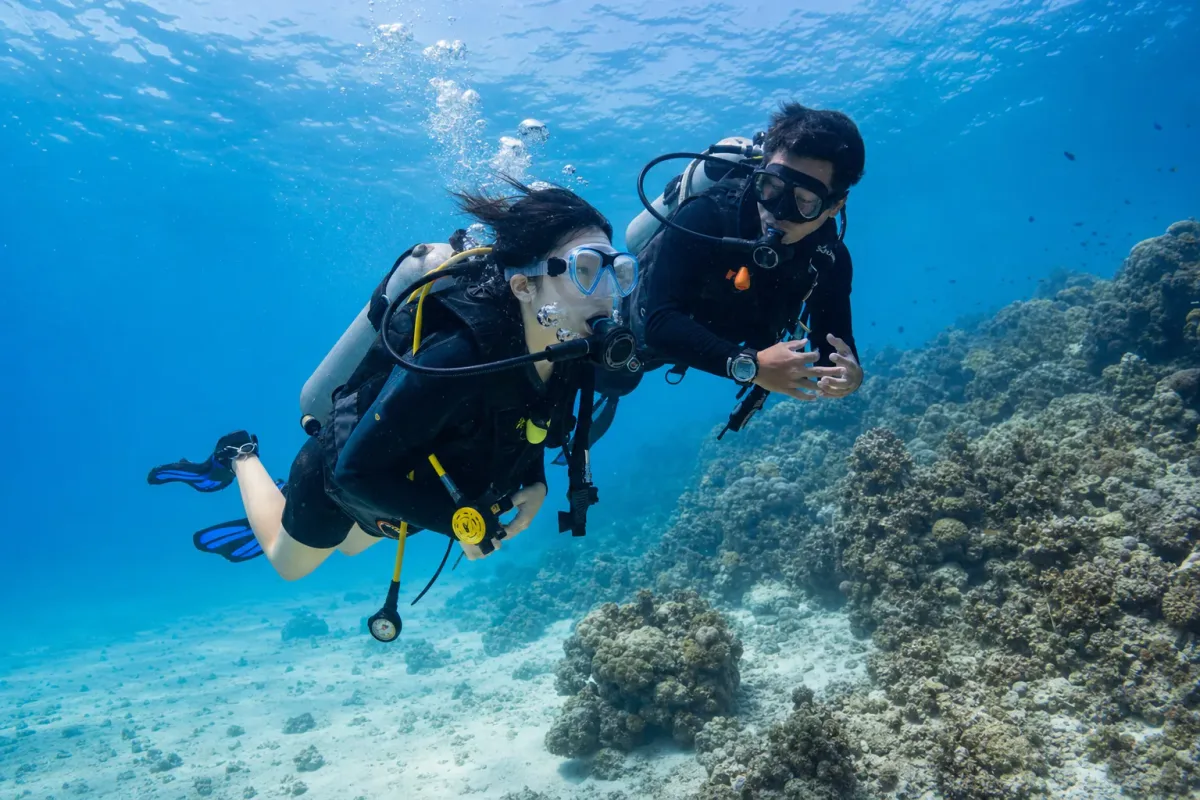
A Discover Scuba Diving experience provides a safe, supervised introduction.
When Snorkeling Might Be Better
For many people, snorkeling is a more accessible and less intimidating way to enjoy the underwater environment. It requires minimal equipment, just a mask, snorkel, and fins, and no formal training. You stay on the surface, breathing through the snorkel, and can observe marine life directly above the reef or seabed.
If your goal is simply to see colorful fish and coral from the surface, or if you have any reservations about breathing underwater or pressure changes, snorkeling is an excellent alternative. It’s also far less physically demanding and carries virtually no risk of the specific dangers associated with scuba diving. You can explore shallow reefs and see a lot without needing extensive training or gear.
For many, a good quality mask and fins are all that’s needed to enjoy the underwater world.
Frequently Asked Questions About Beginner Diving Safety
Do I need a medical exam to learn to dive?
Yes, in most cases, you will need to complete a medical questionnaire. If you answer "yes" to any of the questions concerning medical conditions, you'll need a physician's approval before you can participate in any in-water training. This is a critical safety step to ensure diving won't exacerbate a health issue.
How deep can a beginner diver go?
After completing an Open Water Diver certification, the standard maximum depth is 60 feet (18 meters). Some agencies offer junior certifications that are shallower. Your dive instructor will ensure you stay within these limits during training and will advise you on appropriate depths for your experience level.
Is it possible to panic underwater?
Yes, panic is a significant risk factor in diving, but it's almost always preventable with proper training. Your certification course teaches you how to manage stressful situations, recognize the early signs of anxiety, and control your breathing and buoyancy. Staying calm and following your training are key to preventing panic.
What happens if I run out of air?
If you realize you're low on air or have run out, the immediate response is to signal your buddy. Your buddy will then provide you with air from their alternate air source (octopus regulator). This is why the buddy system and regular air checks are so vital in scuba diving safety protocols.
Can I dive if I wear glasses?
Absolutely. You can get prescription dive masks made to your exact vision needs, or you can use dive masks with inserts that hold prescription lenses. Many divers who need vision correction find they can see perfectly well underwater with the right equipment.
Is Scuba Diving Safe for You? Your Next Steps
Scuba diving offers an incredible gateway to exploring a hidden world, and for beginners, safety is paramount. By getting certified through a reputable agency, understanding the potential risks, and always prioritizing proper training and buddy procedures, you can confidently embark on your underwater adventures. Continued education, like an Advanced Open Water course, further enhances your skills and safety.
If you're considering diving, the best first step is to find a qualified dive center in your area and speak with an instructor. They can answer all your specific questions and guide you through the process of becoming a certified diver. Always ensure your gear is well-maintained; for instance, if you're looking for specific gear, explore options for the best scuba diving gear for beginners.