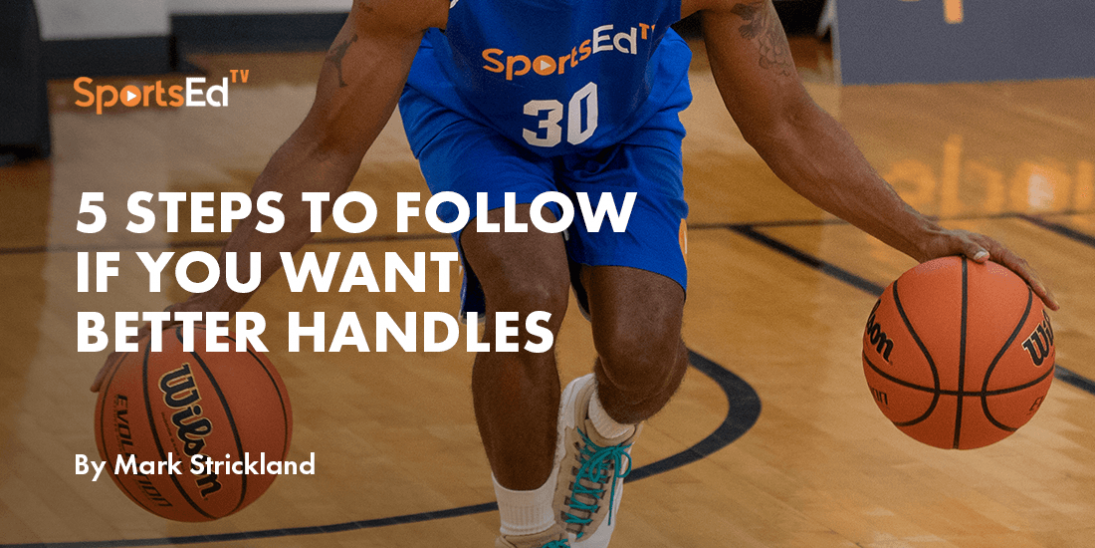
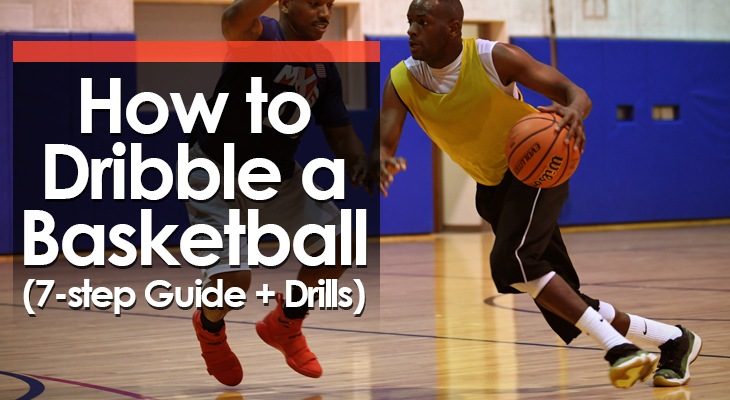
The best way to improve basketball dribbling is to practice basic ball control, strengthen both hands, improve body position, and repeat game-like drills consistently.
Deal
Today's Exclusive Deals
Limited-time Exclusive Deals. Check current discount on Amazon.
Across youth leagues, high school programs, college courts, and recreational gyms in the United States, strong dribbling remains one of the most useful basketball skills. A player who can control the ball under pressure can create space, protect possessions, and make better decisions during a game.
Improving dribbling does not require complicated moves first. Most progress comes from mastering simple skills such as keeping a low stance, controlling the basketball with fingertips, looking up while dribbling, and practicing movements that match real game situations. Consistent training builds confidence and reduces mistakes when defenders apply pressure.
Source: rockstaracademy.com
What Basketball Dribbling Means And Why It Matters
Basketball dribbling is the skill of using one hand to repeatedly bounce the ball on the floor while maintaining control. It allows players to move around the court without passing or shooting and is a basic requirement for nearly every offensive action.
Good dribbling is not only about moving the ball quickly. Effective ball handlers combine control, awareness, timing, and decision-making. A player who dribbles well can change direction, protect the ball from defenders, and create opportunities for teammates.
For beginners, the goal should be control before speed. A player who loses the ball often will improve faster by slowing down, learning correct mechanics, and gradually increasing difficulty.
Source: storage.googleapis.com
Control
The ability to keep the ball close and predictable during movement.
Awareness
The ability to see teammates, defenders, and open spaces while handling the ball.
Confidence
The comfort needed to make quick decisions during pressure situations.
The Difference Between Practicing Moves And Improving Skills
Learning crossover, behind-the-back, or between-the-legs moves can be useful, but these techniques only help when a player can perform them with control and purpose. A flashy move without balance or awareness may create turnovers instead of advantages.
Practice for a reason
Every drill should connect to a basketball situation such as beating pressure, changing direction, or protecting the ball.
Build The Correct Dribbling Foundation First
The foundation of better dribbling begins with body control. Players who stand too tall, use their palms, or watch the ball constantly often struggle when defenders increase pressure.
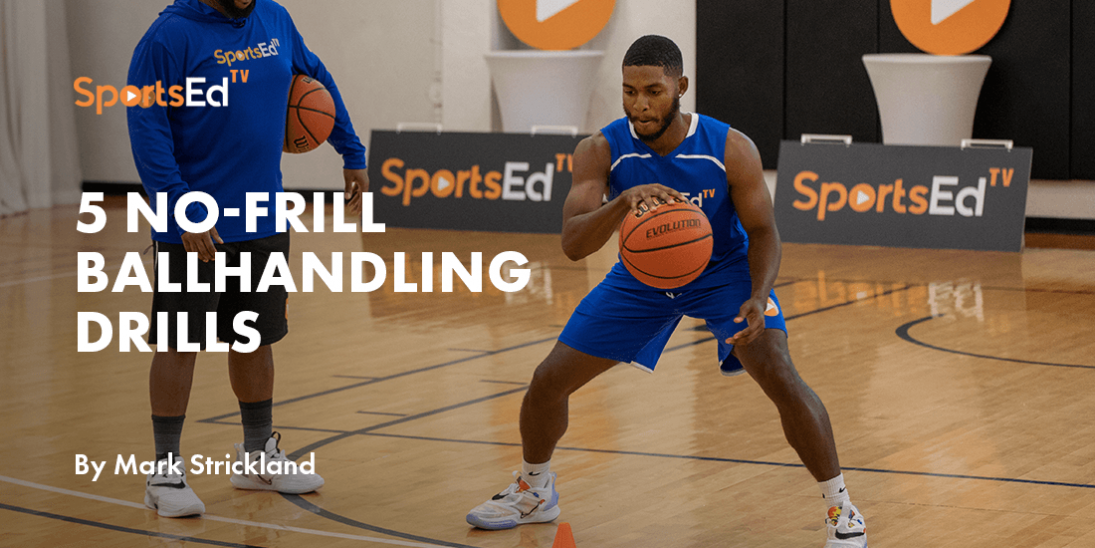
A strong dribbling position keeps the body ready to move in any direction. Bend the knees, lower the hips, keep the chest up, and maintain balance over the feet. This position helps players accelerate, stop, and change direction more effectively.
Source: sportsedtv.com
Use your fingertips
Fingertip control provides better touch and allows quicker changes in direction compared with slapping the ball with the palm.
Keep your head up
Looking forward helps players read defenders and find passing opportunities.
Protect the basketball
Use the body and off-hand position legally to create space between the defender and the ball.
How To Hold Your Body While Dribbling
A balanced stance should feel athletic and comfortable. The feet should be about shoulder-width apart, knees should stay slightly bent, and the player should avoid leaning too far forward or backward.
The ball should stay near the side of the body instead of directly in front where defenders can easily reach it.
The most effective dribbling drills repeat important skills while adding movement and pressure. Players should start with controlled exercises and progress toward drills that feel more like actual games.
Short daily practice sessions can be valuable because ball handling improves through repetition. Quality practice with proper technique is more useful than rushing through long sessions with poor form.
These drills improve hand control and help players become comfortable using different levels of force.
Crossover practice
Moving the ball quickly from one hand to the other improves direction changes and defensive protection.
Moving dribbles
Walking, jogging, and sprinting while dribbling helps transfer skills into game movement.
A Simple Weekly Dribbling Practice Plan
A balanced routine can include basic control work, weak-hand training, change-of-direction drills, and game-speed practice. Players should adjust the difficulty based on their age, skill level, and available practice time.
Beginner example
Spend 10 minutes on stationary control, 10 minutes on movement drills, and 10 minutes on game-like situations.
Advanced example
Add defensive pressure, speed changes, and decision-making drills after strong fundamentals are developed.
Improve Your Weak Hand And Handle Pressure Better
Many players depend heavily on their dominant hand, which makes their movement predictable. Training the weaker hand creates more options and helps players respond better when defenders force them away from their preferred side.
Weak-hand improvement takes time because coordination develops through repetition. Players should expect slower progress at first and focus on accuracy before increasing speed.
Source: rowwhole3.gitlab.io
Start simple
Use the weaker hand for basic dribbles before attempting complex combinations.
Increase pressure gradually
Move from standing drills to walking, running, and defender-based situations.
Signs Your Dribbling Is Improving
Improvement is shown through better control, fewer lost balls, and the ability to keep your eyes up while moving. A player may also notice that changing direction feels more natural and less forced.
Better confidence
You can attack open space without immediately worrying about losing control.
Common Basketball Dribbling Mistakes And How To Fix Them
Most dribbling problems come from technique errors rather than a lack of effort. Identifying the problem allows players to choose better drills instead of repeating the same mistakes.
Source: rowwhole3.gitlab.io
Watching the ball too much
Practice looking forward during simple dribbles until ball control becomes automatic.
Standing upright
Lower your body position to improve balance and quick reactions.
Only practicing the strong hand
Include weak-hand drills regularly to create a more complete skill set.
Training only fancy moves
Master basic control before adding advanced techniques.
Slow improvement is normal because basketball dribbling requires coordination between the eyes, hands, and body. Players should review their technique, reduce unnecessary difficulty, and repeat quality movements more often.
Record practice
Video can help identify posture and control issues that are difficult to notice during play.
Frequently Asked Questions
Q
How long does it take to improve basketball dribbling?
The timeline depends on practice quality, current ability, and consistency. Players who practice correct techniques regularly usually notice better control before they develop advanced game skills.
Q
Can I improve basketball dribbling at home?
Yes. Many basic ball-handling drills can be practiced in a driveway, gym, or open space. Players should make sure they have enough room to move safely and avoid damaging nearby objects.
Q
Why do I keep losing the ball while dribbling?
Common causes include looking down too often, poor body position, weak hand control, or trying moves that are too advanced. Return to basic drills and increase difficulty slowly.
Q
Should I practice dribbling with both hands?
Yes. Strong players develop both hands because defenders can limit options by forcing movement toward one side.
Q
Are advanced dribbling moves necessary to become a good player?
Advanced moves can help, but fundamentals such as control, balance, and decision-making are more important for most players.
✦ Wrapping Up
Conclusion
Improving basketball dribbling comes from mastering simple skills and building them through consistent practice. Strong ball handlers are not created by learning one move; they develop control, awareness, and confidence over time.
Players should focus on proper technique, train both hands, practice realistic drills, and measure progress through better control during actual games. Small improvements repeated often can create major changes on the court.
💡 Key Takeaway
Start with 15 to 30 minutes of focused dribbling practice several times each week, beginning with control drills before adding speed and pressure.