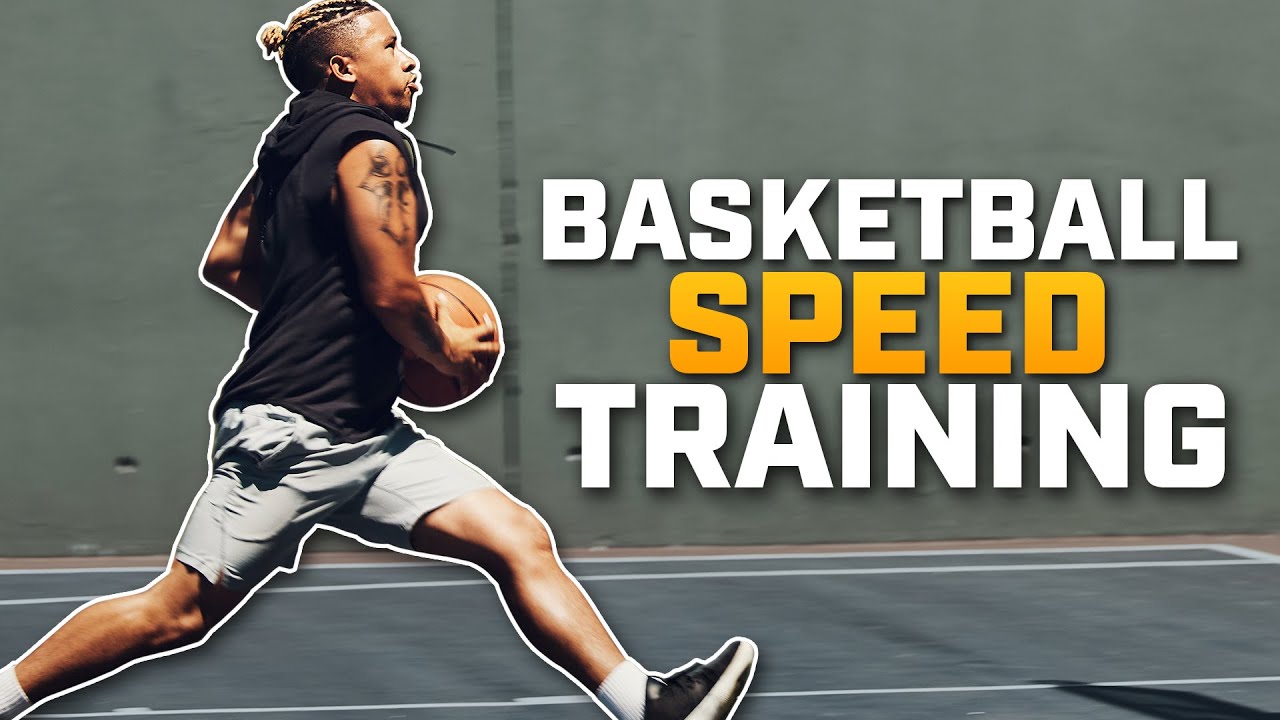
You can improve basketball speed by training acceleration, footwork, strength, balance, reaction ability, and basketball-specific movement patterns through consistent practice.
Deal
Today's Exclusive Deals
Limited-time Exclusive Deals. Check current discount on Amazon.
Basketball players across the United States, from youth leagues to NCAA programs and professional courts, rely on speed to create separation, defend space, and react quickly during changing plays. Improving speed is not only about running faster in a straight line. It involves explosive first steps, quick stops, sharp direction changes, and the ability to move efficiently while controlling the ball.
The fastest basketball players develop a combination of physical qualities and technical skills. Sprint training, lower-body strength work, agility drills, proper recovery, and repeated game-like movements can help athletes become quicker on the court. However, speed improvements depend on consistent training, correct technique, and a plan that matches the player’s age, experience, and physical condition.
Source: i.ytimg.com
Understand What Basketball Speed Really Means
Basketball speed is the ability to move quickly and effectively during a game. It includes more than maximum running speed because basketball rarely involves long straight sprints. Players constantly accelerate, slow down, change direction, jump, and react to opponents.
A player with good basketball speed can beat defenders off the dribble, recover on defense, reach loose balls, and create better scoring opportunities. A slower player may not need to become the fastest athlete on the court but can gain an advantage by improving movement efficiency and reaction ability.
Source: i.pinimg.com
Acceleration
Acceleration is how quickly a player reaches a higher speed from a stationary or slow position. It affects first steps, drives to the basket, and defensive recovery.
Agility
Agility is the ability to change direction while maintaining control and balance. It is essential for defending, cutting, and avoiding opponents.
Reaction Speed
Reaction speed helps players respond quickly to passes, screens, steals, and unexpected movements during a game.
Why Basketball Speed Is Different From Track Speed
Track athletes often focus on straight-line speed, while basketball players need repeated bursts of movement. A guard may sprint for only a few seconds before stopping, cutting, or changing direction. This means basketball speed training should include short explosive actions that match game demands.
Game movement
Basketball requires repeated starts, stops, jumps, and lateral movements rather than continuous running.
Build A Faster First Step
The first step is one of the most important parts of basketball speed because it determines how quickly a player creates space. A powerful first step starts with a low athletic stance, proper weight placement, and explosive force from the legs.
Players can improve their first step by practicing short acceleration drills and improving lower-body strength. The goal is not simply moving faster but producing force quickly while staying balanced.
Source: i.ytimg.com
Practice short sprints
Use 5 to 20 yard sprint repetitions with full effort and enough rest to maintain quality movement.
Improve starting position
Keep the hips lowered, knees slightly bent, and body ready to push forward instead of standing upright.
Train both directions
Basketball players must explode left and right, so practice movement from multiple angles.
First Step Training Mistakes To Avoid
Many players try to improve speed by moving faster during every drill. This can create poor habits. Quality movement, strong body control, and proper rest are more valuable than completing drills with tired and incorrect technique.
Avoid standing too tall
An upright position reduces the ability to generate explosive forward force.
Avoid unnecessary steps
Extra movements waste time when attacking or defending.
Use Basketball Speed Drills That Improve Quickness
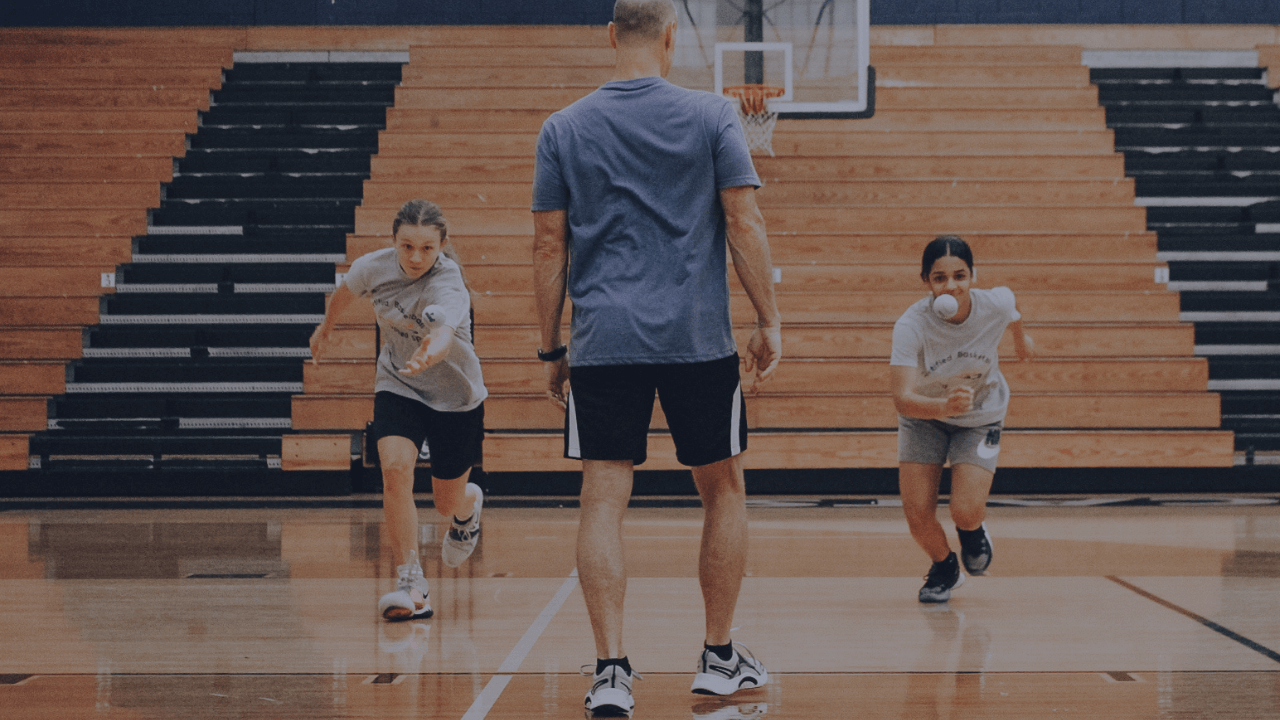
Basketball speed drills should copy movements that happen during games. The most useful drills combine acceleration, stopping, changing direction, and reacting to a signal.
Players should focus on controlled movement first. Speed comes from repeating correct patterns until the body can perform them naturally under pressure.
Cone patterns improve cutting ability, balance, and the ability to change direction quickly.
Defensive slide drills
Lateral movement drills help players stay in front of opponents and improve defensive speed.
Reaction drills
Random signals, partner movements, or visual cues improve decision-making speed.
Example Basketball Speed Workout
A simple speed session can include a warm-up, acceleration work, agility drills, and basketball movements. Beginners should start with fewer repetitions and increase training volume gradually.
Warm-up
Perform dynamic movements such as jogging, mobility exercises, and controlled jumps.
Acceleration work
Complete short explosive sprints with full recovery between attempts.
Game movement practice
Combine speed drills with dribbling, defensive slides, or finishing moves.
Improve Strength And Power For Faster Movement
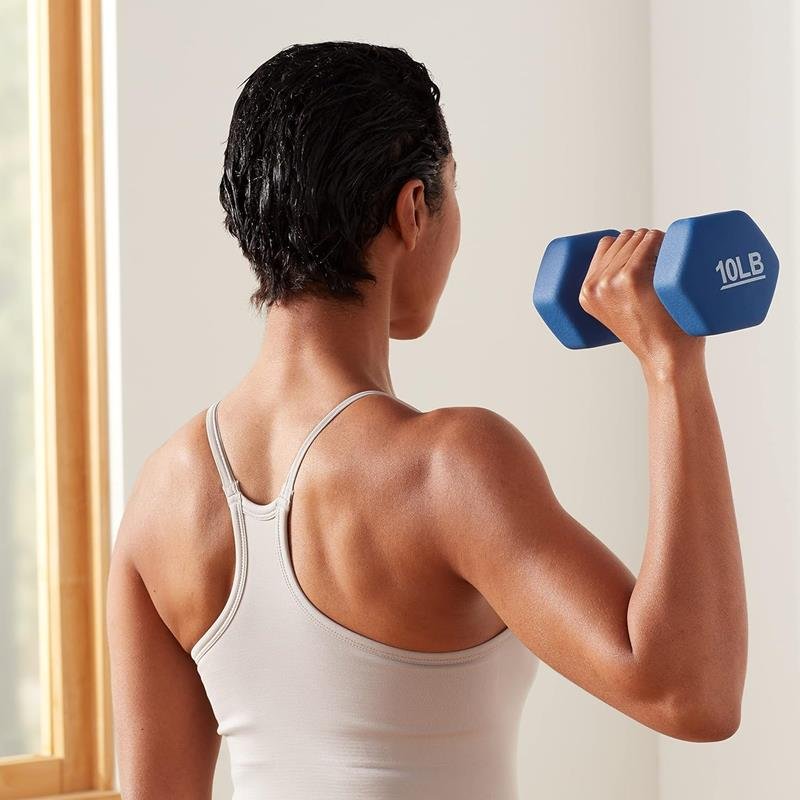
Strength supports speed because muscles need to create force to accelerate the body. Strong legs, hips, and core muscles help players push harder, stop safely, and maintain control during quick movements.
Strength training should support basketball performance rather than replace skill practice. Players should focus on proper technique and use training plans suitable for their age and experience.
Source: youreachiteach.com
Lower-body strength
Exercises that develop the legs and hips can support explosive movements such as jumping and sprinting.
Core stability
A stable core helps players transfer force efficiently when changing direction.
Power development
Explosive exercises can improve the ability to produce force quickly when performed safely.
Balance Strength With Recovery
Training too hard without enough recovery can reduce performance and increase injury risk. Players should include rest days, proper sleep, hydration, and good nutrition as part of speed development.
Watch fatigue
Poor technique and slower movements can indicate the body needs recovery.
Fix Common Problems That Limit Basketball Speed
Many players struggle with speed because of movement habits rather than a lack of effort. Correcting technique problems can make movement more efficient and help players use their existing athletic ability better.
Identifying the reason behind slow movement is the first step toward improvement. Different problems require different solutions.
Source: s3.amazonaws.com
Slow reaction
Use reaction drills and decision-based exercises to improve response time.
Poor footwork
Practice basic movement patterns before adding advanced speed drills.
Weak conditioning
Build fitness gradually so speed can be maintained throughout games.
Progress can appear in many ways. Players may notice quicker first steps, better defensive positioning, improved balance during cuts, and less fatigue during repeated sprints.
Better control
Faster movement should still allow accurate passes, shots, and defensive positioning.
Frequently Asked Questions
Q
How long does it take to improve basketball speed?
Improvement depends on training consistency, current fitness level, age, and technique. Some players notice better movement quality within weeks, while larger performance changes usually require longer periods of structured practice.
Q
Can basketball players get faster without lifting weights?
Yes. Sprint drills, agility exercises, skill practice, and proper movement training can improve speed. Strength training can also help many athletes develop more force, but it should be used correctly.
Q
What is the best drill for basketball speed?
There is no single best drill for every player. Short sprints, defensive slides, reaction drills, and basketball-specific movements each improve different parts of speed.
Q
Why am I fast running but slow in basketball games?
Straight-line speed does not always transfer to basketball. Games require decision-making, balance, footwork, and quick changes of direction.
Q
Should young basketball players train speed?
Young players can practice speed through age-appropriate drills focused on technique, coordination, and safe movement. Training should match physical development and skill level.
✦ Wrapping Up
Conclusion
Improving basketball speed requires more than trying to run faster. Players become quicker by developing acceleration, agility, strength, reaction ability, and efficient movement habits. The best results come from combining physical training with basketball-specific practice.
A smart speed program focuses on quality movements, gradual progress, and proper recovery. Whether a player wants a faster first step, stronger defense, or better transition play, consistent training can create meaningful improvements.
💡 Key Takeaway
Start with short acceleration drills, improve your footwork, train your strength safely, and practice game-speed movements regularly to become a faster basketball player.