
You’re here because you want a clear path, not another vague list of exercises. I’ve built home gym plans for clients and for myself, from tiny studio setups to garage gyms. In this guide, I’ll show you how to create a home gym workout plan that fits your goals, space, time, and gear. You’ll learn the core steps, see real examples, and avoid common mistakes. If you’ve wondered how to create a home gym workout plan that actually sticks, you’re in the right place.

Source: smart.dhgate.com

Today's Exclusive Deals
Limited-time Exclusive Deals. Check current discount on Amazon.
Check Price on Amazon As an Amazon Associate I earn from qualifying purchases.Define Your Goal And Baseline
A great plan starts with a simple, honest assessment. Pick one primary goal for the next eight to twelve weeks: build strength, lose fat, gain muscle, improve cardio, or move pain-free. Then note your baseline: body weight, waist, a push-up test, a plank hold, and a 1-mile walk or jog time.
Use SMART goals. For example: perform 20 push-ups unbroken, add 30 pounds to a goblet squat, or walk 1 mile 2 minutes faster. Keep it simple, measurable, and realistic so you can track wins each week.
I learned to start small after overloading a client’s program years ago. Once we trimmed it to three must-do moves, results jumped. Simplicity creates consistency, and consistency drives progress.
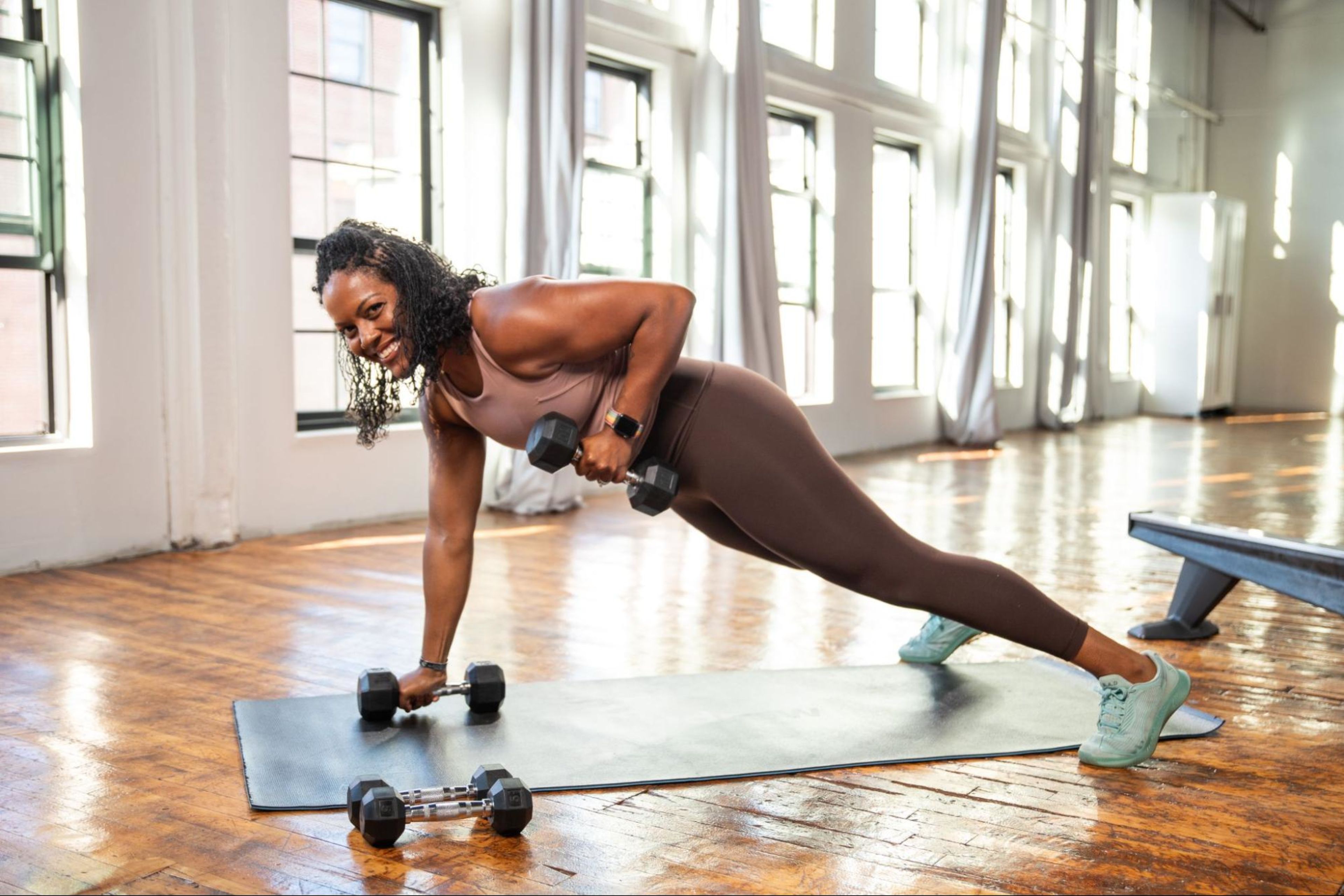
Source: hydrow.com
Choose A Home-Friendly Training Split
Your split is how you organize the week. Pick one that matches your schedule and recovery. Three common options work well at home.
- Full body, 3 days per week. Best for busy people and beginners. Rotate movements to hit all major muscles each session.
- Upper/lower, 4 days per week. Good for muscle gain and strength with moderate volume.
- Push/pull/legs, 3 to 5 days per week. Great if you love variety and can recover well.
If you’re new, choose full body. If you have at least 45 minutes on four days, try upper/lower. Keep at least one full rest day each week to protect joints and energy.

Source: www.safetyinfo.com
Map Your Weekly Schedule And Recovery
Make training fit your life, not the other way around. Pick set days and times, like Monday, Wednesday, Friday at 7 a.m. Put them on your calendar and set reminders. Plan a 5-minute buffer to warm up and a 5-minute buffer to cool down.
Aim for 150 to 300 minutes of moderate cardio per week or 75 to 150 minutes of vigorous cardio. Add two to four strength sessions. Sleep 7 to 9 hours, and plan at least one low-intensity day for walks, mobility, or yoga.
I ask clients to choose a “Minimum Effective Dose” plan for tough weeks. Even one 20-minute session keeps the habit alive. Momentum beats perfection.
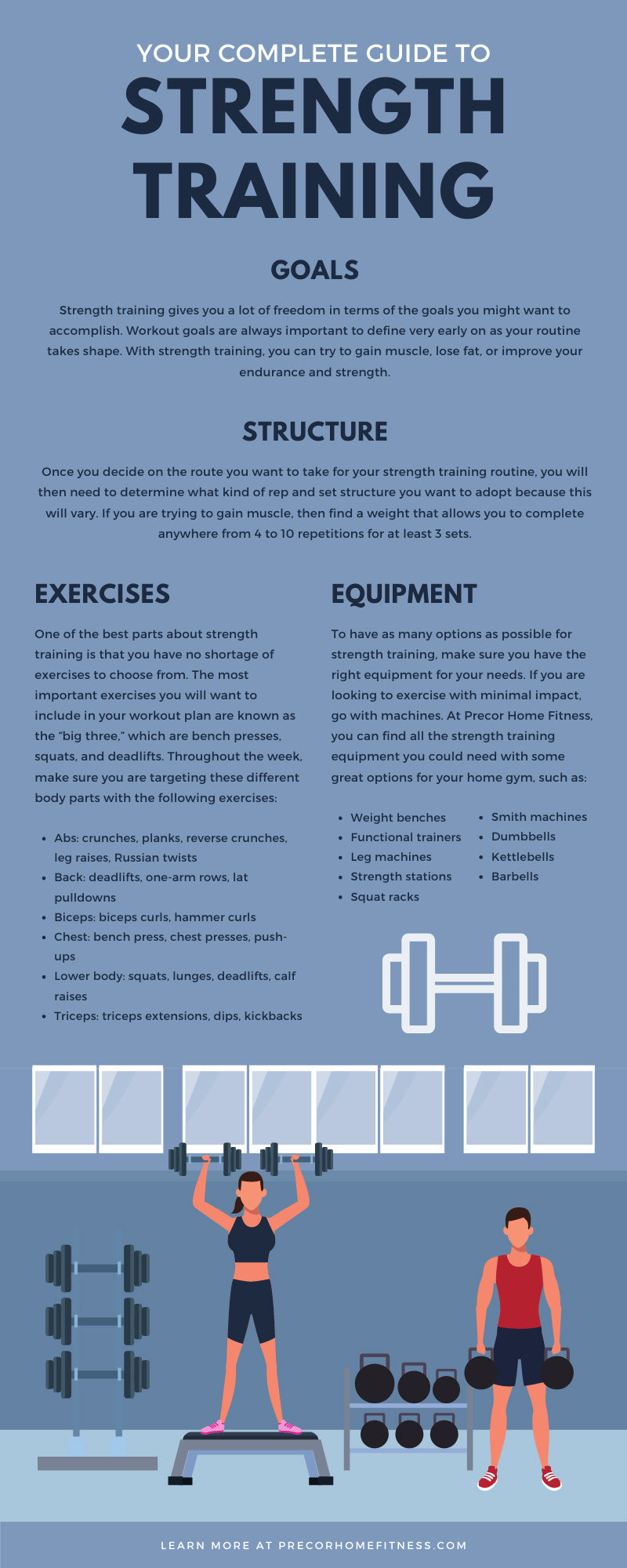
Source: www.safetyinfo.com
Select Exercises Based On Your Equipment
Build your exercise menu around what you have now. Add gear as you grow.
No equipment
– Squat and split squat
– Push-up and incline push-up
– Hip hinge with towel RDL pattern
– Glute bridge and single-leg bridge
– Plank, side plank, dead bug
– Burpee or step-back burpee for conditioning
Dumbbells or kettlebells
– Goblet squat, reverse lunge, step-up
– Floor press, incline push-up with plates, shoulder press
– Romanian deadlift, single-arm row, suitcase carry
– Swings (kettlebell), thrusters
– Farmer’s carry, overhead carry
Bands and suspension trainer
– Band rows, pull-aparts, face pulls
– Band RDLs, good mornings
– Assisted push-ups and dips
– TRX rows, Y-T-W raises
– Band-resisted marches for core and hips
Pick one squat or lunge, one hinge, one push, one pull, and one core move per session. That simple frame covers your bases.

Source: mandabio.net
Structure Each Workout
Use a clear, repeatable format so you never guess what to do.
- Warm-up, 5 to 8 minutes. Light cardio, dynamic mobility, and one activation drill for hips and upper back.
- Power or primer, 3 to 5 minutes. Jumps, medicine ball throws, or a fast band pull to wake up the nervous system.
- Strength blocks, 20 to 30 minutes. Two to three supersets pairing non-competing moves, like squat plus row, hinge plus push.
- Finisher, 5 to 10 minutes. Short conditioning or a core circuit.
- Cooldown, 3 to 5 minutes. Easy breathing, light stretches for hips, chest, and lats.
Keep a small rep range for strength, like 4 to 8 reps. Use 8 to 15 reps for muscle gain. Leave 1 to 2 reps in reserve to protect form and avoid burnout.
Progression, Tracking, And Periodization
Progress beats variety. Change one variable each week: load, reps, sets, tempo, or rest. A simple ladder works well. When you hit the top of your rep range with good form, add load next session.
Use a log. Track the date, exercise, sets, reps, load, and notes on effort. Every four weeks, plan a deload with 30 to 40 percent less volume or intensity. Then shift a few exercise variations to spark new progress.
Research shows progressive overload and planned deloads improve gains while reducing injury risk. In practice, this keeps you fresh and motivated.
Nutrition, Sleep, And Habit Systems
Your home gym plan needs fuel and rest. Aim for one palm-size portion of protein per meal, or about 0.7 to 1 gram per pound of goal body weight per day. Add fiber-rich carbs around workouts and healthy fats to round out meals. Drink water before, during, and after training.
Sleep is your superpower. A steady routine improves recovery, hormones, and strength. Use light exposure in the morning, limit screens at night, and keep your room cool and dark.
Habit tips that work: lay out gear the night before, start each session with a two-minute rule, and use a visible wall calendar to mark completed workouts. Small acts build big results.
Safety, Form, And Modifications
Form first, load second. Film one set each week to spot knee valgus, rounded backs, or shrugging shoulders. Slow the tempo and shorten ranges if needed. Pain is a red flag; adjust at once.
Common swaps help you train around tweaks. If push-ups bother your shoulder, use a neutral-grip dumbbell floor press. If lunges hurt the knee, try step-ups or a supported split squat. For low-back discomfort, switch heavy hinges to hip bridges and bird dogs while you rebuild core strength.
If you have a medical condition or recent injury, get cleared and follow professional guidance.
Sample 4-Week Home Gym Plan
This sample uses dumbbells, a band, and a chair or bench. Train three days per week, full body. Rest 60 to 90 seconds between sets.
Week 1 to 2
- A1 Goblet squat, 3 sets of 8 to 12
- A2 One-arm row, 3 sets of 8 to 12 each
- B1 Dumbbell Romanian deadlift, 3 sets of 8 to 12
- B2 Push-up or incline push-up, 3 sets of 6 to 10
- C Core circuit: plank 30 to 45 seconds, dead bug 8 each, side plank 20 to 30 seconds each, 2 rounds
- Finisher: 6 rounds of 20 seconds fast marching in place, 40 seconds easy
Week 3
- Add one set to A and B moves if recovery is good
- Raise push-up volume by 2 reps per set if form holds
- Slightly increase dumbbell load on squats and RDLs
Week 4 deload
- Reduce sets by 30 to 40 percent
- Keep form sharp, move with intent, and focus on breathing
Optional cardio
- Two easy 20-minute walks or cycles per week on non-lifting days
Budget And Space Optimization Tips
You can do a lot with a little. Start with one pair of adjustable dumbbells, a medium resistance band, and a yoga mat. Add a pull-up bar, a bench, or a kettlebell as your plan evolves.
Store gear in a bin or under a bed. Use a door anchor for bands. If noise is a concern, choose controlled reps, carries, and bodyweight flows over jumps.
I once built a full routine in a hallway with a mat, one kettlebell, and a band. Constraints can be creative. Focus on the big rocks: squat, hinge, push, pull, and carry.
Frequently Asked Questions Of How To Create A Home Gym Workout Plan?
How Many Days Per Week Should I Train At Home?
Three days per week works well for most people. If you’re very busy, two days still builds strength. If recovery is good, four days can speed muscle gain.
How Long Should A Home Workout Last?
Aim for 30 to 45 minutes. Short on time? Do a focused 20-minute session: warm-up, one strength superset, a quick finisher, and cooldown.
What If I Only Have One Pair Of Dumbbells?
Use tempo and higher reps to increase challenge. Try 3-second lowers, pauses at the bottom, single-leg moves, and slow eccentric rows and presses.
How Do I Know I’m Progressing?
Track load, reps, sets, and effort. If you can do 2 more reps than last week at the same load, or lift a bit heavier with the same reps, you’re progressing.
Can I Build Muscle With Bodyweight Only?
Yes. Use hard variations like deficit push-ups, tempo squats, single-leg work, and gymnastics-style holds. Push close to fatigue with perfect form.
What’s The Best Warm-Up For Home Workouts?
Keep it short and specific. Do 2 minutes of light cardio, 3 mobility drills for hips and shoulders, and one activation drill like band pull-aparts.
How Should I Eat Around My Home Workouts?
Have a protein-rich meal 1 to 3 hours before training. After, eat protein and carbs to support recovery. Hydrate well throughout the day.
Wrap-Up And Next Steps
You now have a clear blueprint to create a home gym workout plan that fits your goal, time, and space. Start with one primary goal, choose a simple split, build sessions around core movements, and progress one small step each week. Keep a log, respect recovery, and let your plan grow with you.
Take action today. Pick three training days, choose your five core moves, and set your first week in your calendar. If this helped, subscribe for more guides, or drop a comment with your goal and setup so I can suggest a custom starting plan.

