
Figuring out how much weight to add to your deadlifts can feel like a constant puzzle. You want to get stronger, but jumping too far ahead too fast can lead to injury or just plain frustration. It’s a balancing act between pushing yourself and listening to your body.
That’s where a smart strategy comes in. While there aren't universal numbers that fit everyone, understanding the principles of progressive overload and safe weight increases is key. For example, standard Olympic barbells weigh 45 lbs (20 kg), and adding smaller weight plates in precise increments is how most lifters build up their deadlift.

Today's Exclusive Deals
Limited-time Exclusive Deals. Check current discount on Amazon.
Check Price on Amazon As an Amazon Associate I earn from qualifying purchases.When Adding Weight Feels Like a Guessing Game: The Problem
You’ve been hitting the gym, putting in the work, and you feel like you’re ready for more. But when you look at the weight plates, how do you decide what to load onto the bar for your deadlifts? This is where many lifters hit a wall.
They might add too much weight and struggle with form, increasing their risk of injury, especially to their lower back.
On the flip side, adding too little weight means you’re not challenging your muscles enough to grow stronger. You might be leaving potential gains on the table. This uncertainty can lead to inconsistent training sessions, where some days feel productive and others feel like a waste of time.
It's frustrating when progress stalls because you’re not sure of the next step.
How Much Weight Should You Add to Deadlifts?
Generally, you should add weight to your deadlifts in small, manageable increments, typically 2.5 to 5 lbs (1 to 2.5 kg) per session or week, as long as your form remains perfect. Always prioritize maintaining good technique over lifting heavier weight. Your current strength, training experience, and recovery capacity dictate these small increases.
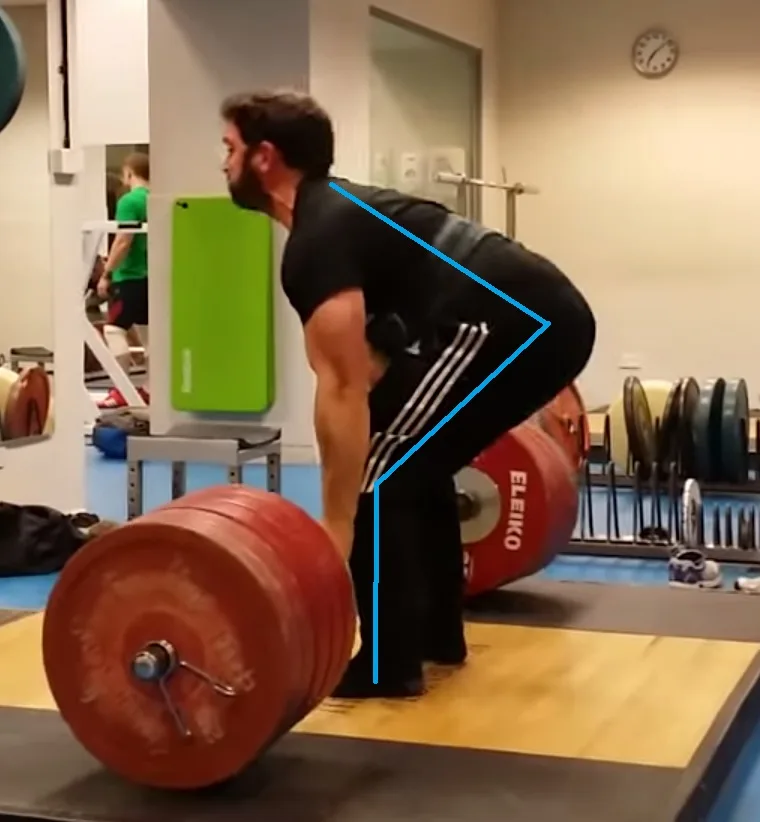
Image source: Web (Bing) / castironstrength.com (Web image (fair-use with source credit))
Your First Deadlift Weight: Where to Start
Getting started with deadlifts means finding a weight that allows you to perform the movement with perfect form for your target number of repetitions, usually between 5 and 8 reps. For many beginner men, this might be a weight as low as 95 lbs (including the barbell) to 135 lbs. For beginner women, it could range from 65 lbs to 105 lbs.
The crucial point is mastering the movement pattern first.
This starting weight isn't about showing off; it's about building a solid foundation. You need to feel comfortable with the hip hinge, maintain a neutral spine, and engage your lats and glutes correctly. If you’re unsure about your form, it’s far better to start with an empty barbell (45 lbs / 20 kg) or even lighter if needed, and focus on executing each repetition flawlessly.
Once you can comfortably complete all your target reps with excellent form, you're ready to think about adding more.
How to Actually Add Weight: A Step-by-Step Approach
Warm-up Sets and Technique Checks
Before you touch your working weight, always start with a few lighter sets. These aren’t just about getting your blood flowing; they’re your technical warm-up. Begin with an empty barbell or a very light weight plate combination, perhaps 25 lbs on each side, for 10-15 reps.
This helps you groove the proper movement pattern.
Next, gradually increase the weight to about 50-60% of your intended working weight for another set of 5-8 reps. The goal here is to feel the movement, check your grip, and ensure your back stays neutral. If your form starts to waver even at this stage, it's a sign that your planned working weight might still be too high, or you need more practice with the lighter loads.
Adding Incremental Weight
Once your warm-ups are solid, you’re ready for your working sets. The fundamental principle here is progressive overload: gradually increasing the demand on your muscles over time. For deadlifts, this usually means adding weight in small increments.
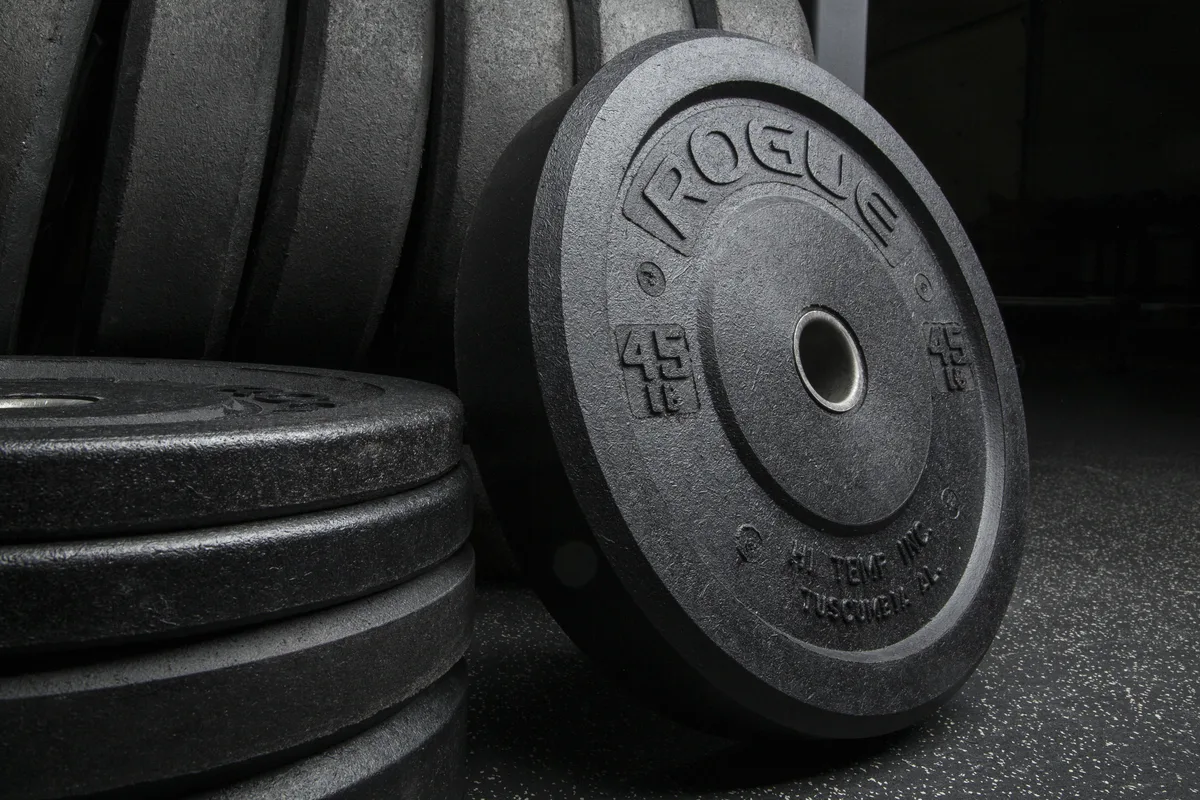
Image source: Web (Bing) / wallpapers.com (Web image (fair-use with source credit))
Most gyms have weight plates ranging from 1.25 lbs (0.5 kg) and 2.5 lbs (1 kg) all the way up to 45 lbs (20 kg). For deadlifts, adding 5 lbs (two 2.5 lb plates) or even just 2.5 lbs (two 1.25 lb plates) to each side of the barbell is a smart way to progress. If you successfully complete all your target reps with excellent form on your working sets, then consider adding that small increment for your next session.
If you're using calibrated plates, you might add 5kg (11 lbs) or 10kg (22 lbs) at a time, but for general strength, sticking to smaller increments is usually best.
Knowing When to Push vs. Hold Back
This is the crucial decision point. Did you hit your target reps (say, 5 reps) with your current weight, and your form felt strong and controlled throughout? If yes, you've earned the right to add more weight next time.
You might add that 5 lbs. Did you struggle to complete the last rep, or did your back round slightly, or did your hips shoot up too fast? If you answered yes to any of those, it's time to hold back.
Instead of adding weight, repeat the same weight for your next session, focusing solely on improving your form and control for all reps. Sometimes, a session or two at the same weight can actually be more beneficial for building a stronger neuromuscular connection and reinforcing good habits. Don't chase the number; chase the quality of the lift.
This careful approach helps prevent injuries and builds sustainable strength.
Common Deadlift Weight Mistakes to Sidestep
Many lifters make similar errors when trying to increase their deadlift weight. Being aware of these can save you a lot of pain and frustration down the line. It's not just about picking a heavier weight; it's about how you integrate that weight into your training responsibly.
Overly Ambitious Jumps: The most common mistake is adding too much weight too quickly. Trying to jump from 200 lbs to 250 lbs in a single session, for example, is a recipe for disaster. Even a 10-20 lb jump can be too much if your body isn't ready. Remember, small, consistent gains are much more sustainable and safer than infrequent, massive leaps. You're building a house, brick by brick, not trying to telekinetically assemble it all at once.
Ignoring Form Breakdown: This is the cardinal sin of strength training. If your form deteriorates as the weight goes up, you're lifting too much. Specifically, watch for your lower back rounding (lumbar flexion), your hips shooting up faster than your shoulders, or your shoulders creeping forward. Perfect form on every single rep, even on your heaviest sets, is non-negotiable. If form breaks down, the weight is too heavy for that session.
Sticking to the Same Weight for Too Long: On the flip side, not progressing is also a mistake. If you can comfortably do 8 reps with a weight that you're only supposed to do 5 reps with, it's probably time to add more. Plateauing happens when you do too little, not just too much. Consistent, small additions to the bar, provided your form is clean, are how you continue to get stronger over time.
How to Track Your Deadlift Progress
You can't manage what you don't measure, and that's especially true for strength training. Keeping a detailed training log is your best friend when it comes to knowing how much weight to add to your deadlifts. This isn't just about jotting down numbers; it's about creating a clear roadmap for your progress.
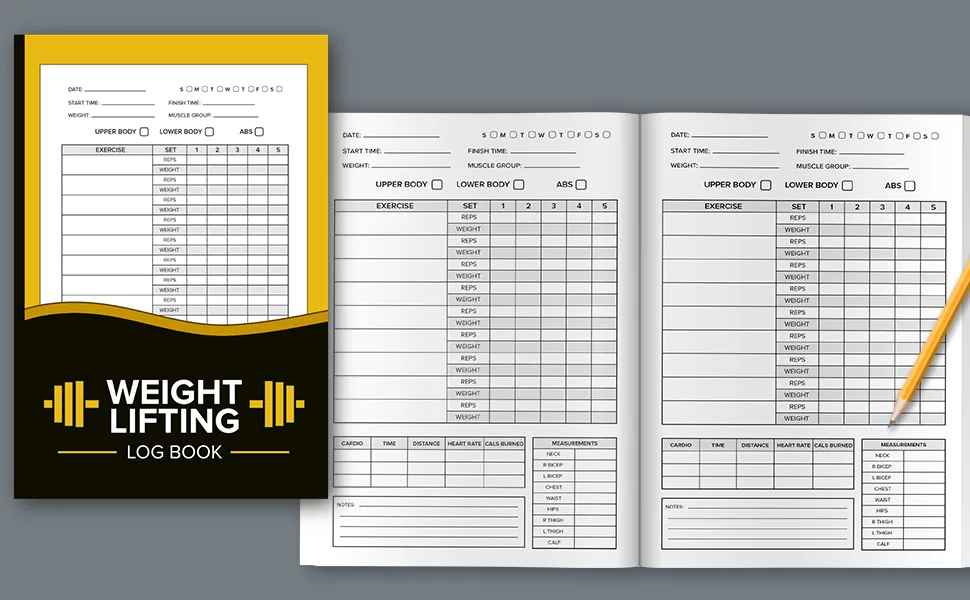
Image source: Web (Bing) / amazon.com (Web image (fair-use with source credit))
Your log should record the date, the exercise (deadlift), the weight used for each set, and the number of reps performed for each set. Note any observations about your form, how the weight felt (e.g., "easy," "challenging," "very hard"), and your recovery. Looking back at your log before a session will tell you exactly what weight you used last time and how you performed.
This data provides the objective basis for your decision on adding weight. If you hit your target reps with good form, and your log shows you made progress last time, that's your cue to add those 2.5 or 5 lbs. This systematic approach removes guesswork and ensures you're always moving forward.
When to Reassess Your Weight Strategy
While adding weight consistently is the goal, there are times when you need to step back and re-evaluate your strategy. This isn't about failure; it's about smart programming and listening to your body’s signals. If you've been adding weight week after week and suddenly hit a wall where you can't even complete your reps with good form, it's time for a change.
One common reason to reassess is if you’re experiencing persistent fatigue or minor aches and pains. Your nervous system and muscles need time to recover and adapt. A deload week, where you significantly reduce the weight (often by 40-50%) and volume for a week, can be incredibly beneficial.
This allows your body to fully recover, repair, and prepare for the next phase of training. Another reason to reassess is if your goals shift, perhaps from pure strength to endurance or power. Different goals require different approaches to weight selection and rep ranges.
Frequently Asked Questions About Deadlift Weight
How much weight should I add to deadlifts if I'm a beginner?
As a beginner, start with a weight that allows you to perform 5-8 repetitions with perfect form. This might be around 95-135 lbs for men and 65-105 lbs for women, including the barbell. Focus entirely on mastering the technique before adding more weight.
Should I add weight every deadlift session?
Not necessarily. Add weight only when you can comfortably complete your target reps and sets with excellent form. If your form falters or you can't hit your rep count, repeat the same weight next session and focus on technique.
Consistent, small increases are better than rushed, risky jumps.
What if my grip fails before my legs or back on deadlifts?
Grip strength can be a limiting factor. If your grip is failing, consider using chalk for better traction. You can also incorporate grip-strengthening exercises into your routine, like farmer's walks or holding heavy dumbbells.
For very heavy sets, using lifting straps might be an option, but don't rely on them exclusively, as building natural grip strength is important.
How often should I test my one-rep max (1RM) for deadlifts?
Testing your 1RM too frequently can be taxing on your body and increase injury risk. For most lifters, testing a 1RM every 8-12 weeks is sufficient. Alternatively, you can estimate your 1RM based on how much weight you can lift for 3-5 reps.
Can I use different weight plates for deadlifts?
Yes, you can use various weight plates, but ensure they are properly seated on the barbell sleeves. Standard iron plates, bumper plates (rubber-coated for dropping), and calibrated plates are all common. Bumper plates can offer a bit more protection for your floor if you're training at home.
Making the Right Weight Choice for Your Deadlifts
Choosing how much weight to add to your deadlifts is a deeply personal process. It requires attention to detail, consistent logging, and a strong commitment to good form over lifting ego. By following a structured approach of starting light, progressively adding small increments, and meticulously tracking your progress, you build a foundation for sustainable strength gains.
Remember, the goal isn't just to lift more weight, but to lift it safely and effectively.

