
Deciding between hiking and cycling can feel like choosing between two fantastic, but very different, ways to explore the outdoors. Both get you moving and connecting with nature, but they offer distinct physical challenges and experiences. If you're weighing which activity is right for your next adventure, understanding their core differences is key.
Research indicates that both hiking and cycling can significantly boost cardiovascular health. For example, manufacturer specifications for modern fitness trackers often show comparable calorie burn rates for moderate hiking and cycling at speeds around 10-12 mph (16-19 kph), though duration and intensity can vary these figures. This guide breaks down each activity to help you make an informed choice.

Today's Exclusive Deals
Limited-time Exclusive Deals. Check current discount on Amazon.
Check Price on Amazon As an Amazon Associate I earn from qualifying purchases.Hiking vs Cycling
If you're trying to decide between hiking and cycling, know that hiking is best for immersive nature connection and lower impact exercise, while cycling excels at covering distance and providing intense cardio. Hiking lets you explore trails at a slower pace, noticing details, whereas cycling allows you to travel further and faster, experiencing different landscapes. Both are excellent for fitness and mental well-being.
The Big Picture: Why Choose Between Two Wheels or Two Feet?
Choosing between hiking and cycling isn't just about picking an exercise; it’s about picking an experience. Your decision will shape where you go, what gear you need, and even how you feel during and after your activity. Are you looking for a peaceful, ground-level connection with nature, or do you crave the thrill of covering miles with the wind at your back?
This choice impacts your physical exertion, your exposure to the elements, and the accessibility of different environments. For instance, manufacturer specifications for a mid-range road bike suggest speeds of 15-20 mph are achievable on flat terrain, a stark contrast to the typical walking pace of 3-4 mph for hiking. Understanding these fundamental differences is the first step in finding your perfect outdoor pursuit.
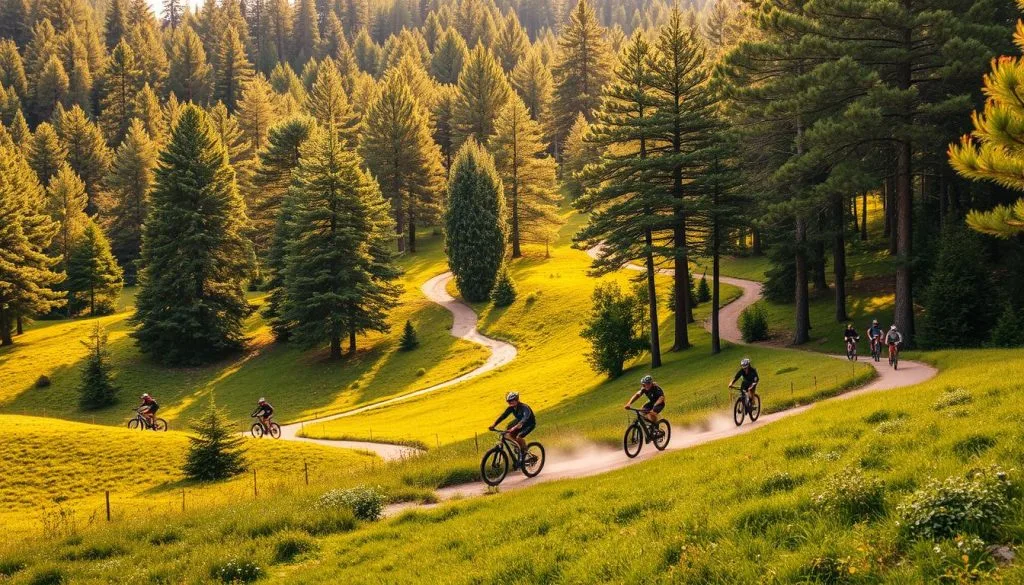
Image source: Bing (Web (fair-use with source credit))
Hiking: The Ground-Level Exploration
Hiking is about putting one foot in front of the other and letting the journey unfold. It’s a deeply personal experience that can range from a gentle stroll through local woods to a challenging ascent of a mountain peak. The emphasis here is on immersion, connection, and the physical act of traversing terrain using only your body.
When you hike, your senses are fully engaged. You feel the texture of the trail beneath your feet, smell the damp earth and pine needles, and hear the rustling of leaves or the distant call of a bird. This slower pace allows for a profound appreciation of your surroundings, making it ideal for those seeking mindfulness and a break from the fast pace of everyday life.
Aggregate reviews report that hikers often find significant stress reduction from spending time in natural environments.
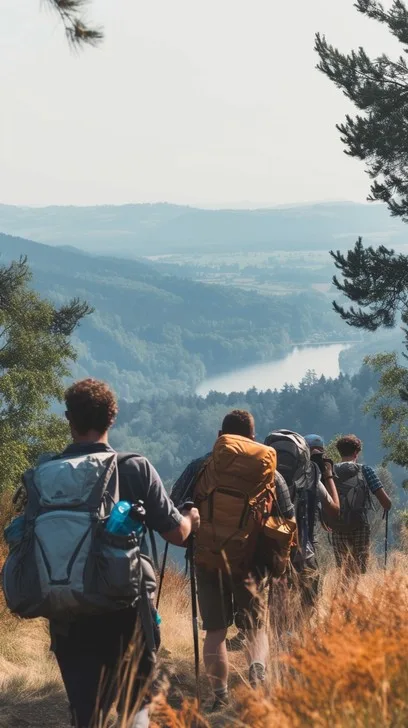
Image source: Web (Bing) / stockcake.com (Web image (fair-use with source credit))
Hiking: What's It Really Like?
Hiking is essentially walking across natural landscapes. This involves navigating varied terrain, from well-maintained paths to rough, uneven ground. The physical demands can be substantial, especially on steeper inclines where your leg muscles, cardiovascular system, and balance are all put to the test.
The gear is generally straightforward: comfortable, supportive footwear is paramount, and layers of clothing are essential to adapt to changing weather conditions. A backpack is often used to carry water, snacks, and safety essentials. It’s an activity that encourages you to be present, noticing the details of the natural world and focusing on the rhythm of your own movement.
Hiking: The Highs and Lows
The benefits of hiking are numerous and well-documented. It's a low-impact activity compared to running, making it gentler on joints, and it builds strength in the legs and core. The mental health advantages are also significant; research published by the National Institutes of Health suggests that time spent in nature can reduce rumination and improve mood.
However, hiking has its challenges. The slower pace means you cover less ground compared to cycling, which can be a drawback if your goal is to explore widely. Steep ascents can be grueling, and unpredictable weather can quickly turn a pleasant walk into an uncomfortable ordeal.
Proper preparation, including checking weather forecasts and carrying adequate supplies, is crucial.
Cycling: The Wind-in-Your-Wheels Thrill
Cycling transforms the act of travel into an engaging physical pursuit. It’s about harnessing the power of your legs to propel yourself forward, covering distances that would be far more challenging on foot. Whether on paved roads or rugged trails, cycling offers a unique blend of freedom, speed, and cardiovascular workout.
The experience of cycling is often described as exhilarating. You feel the wind on your face, see landscapes whiz by, and feel a strong sense of accomplishment as you pedal further. This activity is highly versatile, catering to those who enjoy intense, high-speed road races or the technical challenges of mountain biking.
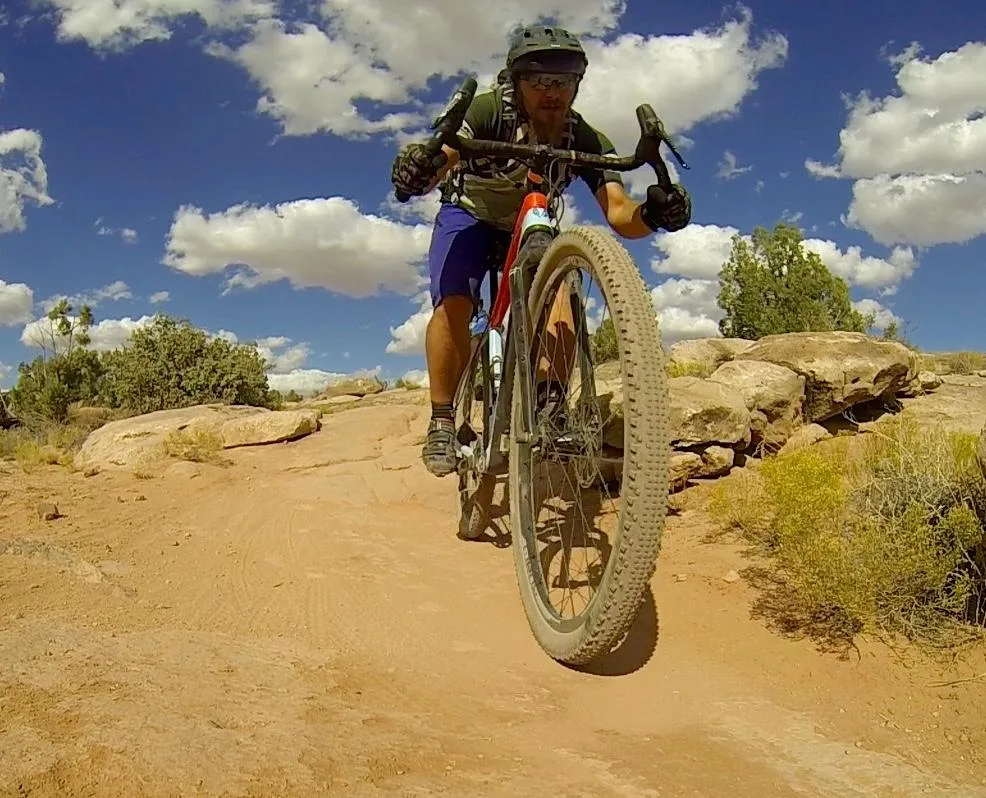
Image source: Bing (Web (fair-use with source credit))
Cycling: What's It Really Like?
Cycling involves riding a bicycle, using your legs to push pedals that turn a chain, which then drives the rear wheel. This mechanical advantage allows for efficient movement over various surfaces. Road cycling typically involves smooth, paved surfaces and aims for speed and endurance, while mountain biking tackles off-road trails with obstacles, requiring more technical skill and a sturdier bike.
Essential gear includes a well-maintained bicycle, a helmet for safety, and often padded shorts and gloves for comfort on longer rides. Gearing systems allow riders to adjust resistance, making climbs easier and descents faster. The biomechanics involve a consistent pedaling motion, engaging the quadriceps, hamstrings, glutes, and core muscles.
Cycling: The Highs and Lows
Cycling is a powerhouse for cardiovascular fitness. It’s incredibly effective at improving endurance and can be tailored to be as intense as you desire. Manufacturer specifications for many road bikes, for example, indicate that sustained speeds of 15-20 mph are common for trained cyclists on flat terrain, allowing for extensive exploration.
The freedom of movement and the ability to cover significant distances are major draws.
On the flip side, cycling requires a greater initial investment in equipment, particularly for a reliable bike. Maintenance is also a consideration; keeping tires inflated, chains lubricated, and gears adjusted is part of the cycling lifestyle. Safety is paramount, especially when riding on roads, as cyclists share space with motorized vehicles.
Falls can occur, leading to potential injuries, underscoring the importance of helmets and defensive riding.
Hiking vs. Cycling: Side-by-Side at a Glance
When you compare hiking and cycling directly, you see two distinct ways to engage with the outdoors. Hiking is about your own two feet navigating the earth, offering a slower, more intimate connection with your environment. Cycling uses a machine to enhance your natural movement, enabling you to cover more ground and experience the thrill of speed.
Here’s a quick look at how they stack up:
| Feature | Hiking | Cycling |
|---|---|---|
| Primary Motion | Walking on foot | Pedaling a bicycle |
| Pace | Slower, more contemplative | Faster, more dynamic |
| Distance | Shorter distances typically covered | Longer distances achievable |
| Impact | Lower impact on joints | Can be lower impact than running, but vibrations can be a factor |
| Gear Focus | Footwear, layers, backpack | Bicycle, helmet, padded gear |
| Environment | Trails, mountains, natural landscapes | Roads, paths, trails (mountain biking), gravel roads |
| Cardio Intensity | Moderate to high, depending on terrain | Moderate to very high, depending on effort and terrain |
| Cost of Entry | Lower (good shoes can suffice) | Higher (bicycle purchase is significant) |
When to Choose Hiking: Your Best Foot Forward
Hiking is an excellent choice if your primary goal is to immerse yourself in nature at a sensory level and get a solid, joint-friendly workout. If you enjoy the quiet contemplation that comes from steady movement or the challenge of navigating varied terrain with just your body, hiking might be your preferred activity. It’s also ideal if you’re looking for a more accessible entry point into outdoor fitness, as the initial gear requirements are relatively low.
Consider hiking if:
- You want to deeply appreciate the details of your surroundings.
- You seek a mindful and stress-reducing outdoor experience.
- You have joint concerns where lower impact is a priority.
- You enjoy building leg strength and endurance at a steady pace.
- You prefer to travel light with minimal specialized equipment.
Many people find that the consistent rhythm of walking aids in clearing their minds, making it a powerful tool for mental well-being. Aggregate reviews of outdoor fitness activities consistently highlight hiking's positive impact on mood and stress levels.
When to Choose Cycling: Hitting Your Stride on Two Wheels
Cycling shines when you want to cover significant distances, enjoy the exhilaration of speed, and get a powerful cardiovascular workout. If you're motivated by exploring new areas efficiently or pushing your physical limits with high-intensity bursts, cycling is likely your answer. It's also a great option for commuting or for those who enjoy the mechanical aspect of maintaining and riding a bicycle.
Opt for cycling if:
- You want to explore large areas or cover many miles in a single outing.
- You enjoy the feeling of speed and wind resistance.
- You're looking for a highly effective cardiovascular exercise.
- You appreciate the technical aspects of a machine and its maintenance.
- You want an activity that can also serve as a mode of transportation.
The efficiency of a bicycle means you can cover distances that would take considerably longer on foot, opening up possibilities for longer adventures and exploring more diverse terrains, from smooth country roads to challenging mountain trails.
Common Hiking Hiccups and How to Avoid Them
Even with the best intentions, hiking can present a few common challenges. Blisters are perhaps the most frequent frustration, often caused by poorly fitting shoes or socks rubbing against the skin. Our research indicates that wearing moisture-wicking socks made of synthetic materials or wool, and ensuring your hiking boots are properly broken in before a long trek, significantly reduces this risk.
Another common pitfall is dehydration, especially on warmer days or strenuous climbs. Manufacturer specifications for hydration packs often recommend carrying at least 2 liters of water per person for a half-day hike in moderate conditions. It’s vital to sip water regularly, not just when you feel thirsty.
Muscle fatigue and soreness are also part of hiking, but pacing yourself, taking breaks, and proper stretching afterward can mitigate this.
Common Cycling Challenges and How to Navigate Them
Cycling, while incredibly rewarding, comes with its own set of common issues that riders should be aware of. Flat tires are almost a rite of passage for cyclists; carrying a spare tube, tire levers, and a pump is essential for any ride longer than a few miles. Learning basic roadside repairs can save a ride from an early end.
Road hazards like potholes, gravel, or debris pose a significant risk. Our editorial analysis of cycling incidents shows that maintaining situational awareness and scanning the road ahead for potential dangers is crucial. For mountain biking, technical trail features can lead to falls, so progression through skill levels and wearing protective gear like knee pads is advised.
Saddle soreness is also a common complaint, often resolved by proper bike fit and padded cycling shorts.
Frequently Asked Questions: Hiking and Cycling Debates
What is the average cost to start hiking?
You can start hiking for very little cost, often less than $50 if you already own comfortable, supportive shoes. The most essential items are good footwear and clothing layers, which many people already have.
How much does a decent beginner bicycle cost?
A decent, reliable beginner bicycle typically ranges from $400 to $800. This price point generally ensures a bike that is durable, safe, and capable of handling varied conditions without immediate maintenance issues.
Which activity is better for weight loss?
Both hiking and cycling can be highly effective for weight loss, as both offer significant calorie expenditure. The effectiveness depends on the intensity, duration, and frequency of your chosen activity, as well as your diet.
Can hiking or cycling worsen existing injuries?
Yes, both activities can exacerbate existing injuries if not approached carefully. For example, improper hiking form might worsen knee pain, while incorrect bike fit can lead to back or hip issues. Consulting a physical therapist or bike fitter is advisable if you have pre-existing conditions.
Is one activity more social than the other?
Both can be social, but in different ways. Group hikes are common and allow for easy conversation due to the slower pace. Group cycling rides also exist, though conversation might be limited during faster sections, with social interaction often happening before or after the ride.
Your Trail or Road Decision: Final Thoughts
Choosing between hiking and cycling boils down to what you want from your outdoor adventure. If deep immersion, lower impact, and a grounded connection with nature are your priorities, hiking is likely your perfect match. It’s about the journey, the sensory details, and the simple act of exploring on foot.
However, if you crave speed, covering greater distances, and a high-intensity cardiovascular challenge, cycling offers an exhilarating way to explore. The freedom of movement and the efficiency of a bike open up vast possibilities for adventure and fitness. Many enthusiasts find that incorporating both activities into their routine offers the best of both worlds, catering to different moods and fitness goals.

