
Ever felt confused about whether you should be squatting or deadlifting during your workout? You’re not alone.
Knowing the difference between these two powerhouse exercises can transform your fitness routine. Imagine boosting your strength and achieving your goals faster, just by understanding how each move works. Squats and deadlifts are more than just lifting weights; they’re about mastering your body and enhancing your performance.

Today's Exclusive Deals
Limited-time Exclusive Deals. Check current discount on Amazon.
Check Price on Amazon As an Amazon Associate I earn from qualifying purchases.You’ll uncover what sets these exercises apart and learn how to choose the right one for your needs. Get ready to dive into the details that could redefine your workouts forever!
Basic Definitions
The squat is a strength exercise. It targets your lower body muscles. You bend your knees and lower your hips. Keep your chest up. Stand back up straight after lowering. The squat works your thighs, hips, and buttocks. It helps build muscle and strength.
The deadlift focuses on your back and legs. You lift a barbell from the ground. Keep your back straight. Stand tall as you lift. The deadlift strengthens your back, hips, and legs. It is good for building power. Both exercises help in weightlifting. They improve posture and balance.
Movement Mechanics
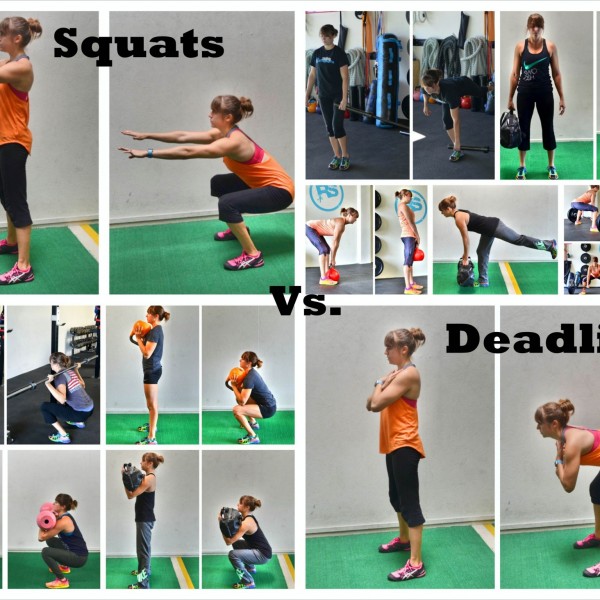
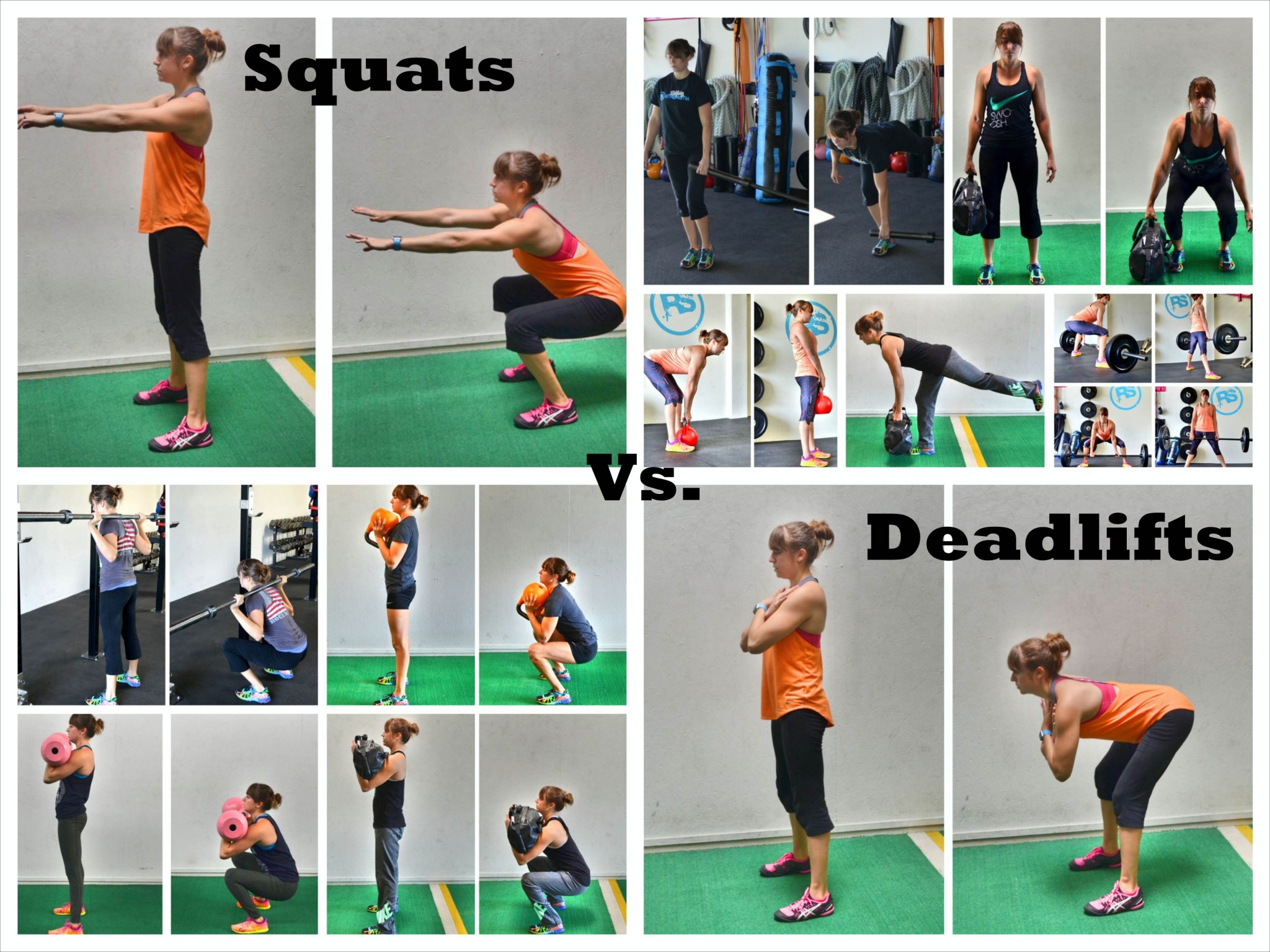
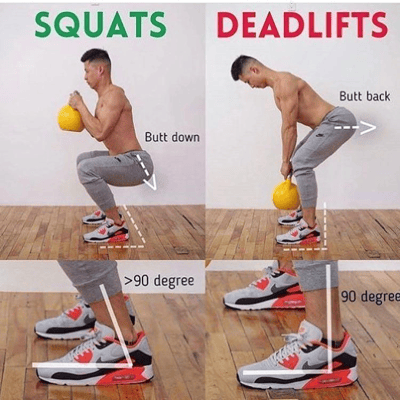
The squat starts with the feet shoulder-width apart. The knees bend as you lower your body. Keep your back straight and chest up. Your hips should go down to knee level. Push through your heels to stand back up. Squats are great for strengthening leg muscles. They also help build a strong core. Use proper form to avoid injury.
Deadlifts start with the feet hip-width apart. The barbell is close to the shins. Bend at the hips and knees to grab the bar. Keep your back straight and head up. Lift the bar by pushing through the heels. Stand up fully with the bar. Lower it slowly to the ground. Deadlifts build strong back and leg muscles. Proper form is key to prevent strain.
Muscles Worked
Squats primarily target the quadriceps, glutes, and hamstrings, offering a strong lower body workout. Deadlifts focus on the hamstrings, glutes, and lower back, building core strength. Both exercises engage multiple muscle groups but emphasize different areas.
Primary Muscles In Squats
Squats mainly work the quadriceps. They are the muscles on the front of the thighs. Another key muscle is the gluteus maximus. It’s the big muscle in your butt. Squats also help the hamstrings. These are at the back of your thighs. The calves get some work too. They are below the knees. Lastly, squats help the core muscles. These are the muscles around your belly.
Primary Muscles In Deadlifts
Deadlifts target the lower back. This area is crucial for lifting. Hamstrings play a big role. They help pull the weight. Deadlifts also work the gluteus maximus. It pushes you up. The core supports the back. Forearms and grip strength improve too. They hold the weight tight. Deadlifts make many muscles strong.
Benefits Of Each Exercise
Squats focus on building leg strength, targeting thighs and glutes. Deadlifts improve core stability while strengthening the back and hamstrings. Each exercise offers unique benefits, contributing to overall fitness by enhancing different muscle groups effectively.
Advantages Of Squats
Squats help build strong legs. They focus on quads, hamstrings, and glutes. These muscles make walking easier. Squats also improve balance and flexibility. They can strengthen your core. This means a strong stomach and lower back. Squats burn calories. They help with weight loss. They also improve your posture. You stand tall and straight.
Advantages Of Deadlifts
Deadlifts strengthen the whole body. They target the back, legs, and arms. Deadlifts improve grip strength. This helps in everyday tasks. They boost core stability. A strong core supports your spine. Deadlifts burn more calories than many exercises. They help with fat loss. This exercise can increase bone strength. It is good for healthy bones. Deadlifts also improve posture. You walk better.
Common Mistakes
Many people squat without proper form. Feet should be shoulder-width apart. Knees must stay aligned with toes. Back should be straight, not curved. Some bend their knees too much. Others go too fast while lowering. Depth is key; hips should drop below knees. Breathing is crucial. Inhale before going down. Exhale while coming up. Avoid leaning forward. Balance is vital. Keep weight on heels, not toes. Proper form prevents injury and helps build strength.
Deadlifts need a solid stance. Feet should be hip-width apart. Grip must be firm on the bar. Back should remain straight, not rounded. Many lift with their back instead of their legs. This can cause pain. Hips should start high, not low. Chest needs to stay up. Head should face forward, not down. Breathing is important. Inhale before lifting. Exhale after lifting. Control is key. Lift slowly, don’t rush. Proper technique helps avoid injury and builds power.
Safety Considerations
Squats are great for building strength. But they can cause injuries. Proper form is crucial for safety. Keep your back straight and knees behind toes. Warm up before lifting heavy weights. This helps your muscles get ready. Start with lighter weights and increase slowly. Listen to your body. If something feels wrong, stop the exercise.
Deadlifts work many muscles. They can also hurt if done wrong. Keep your back straight throughout the lift. Bend at your hips, not your waist. Use your legs to lift, not your back. Begin with lighter weights to learn the form. Wear proper shoes with flat soles. This gives better balance. Consider using a weightlifting belt for added support.
Choosing The Right Exercise
Squatshelp build strong legs and improve balance. They are great for people who want to boost their leg strength. If your goal is to improve your balanceand get stronger legs, squats might be the right choice.
Deadliftsfocus more on the back and hips. They are perfect for those aiming to increase their back strengthand improve their hip power. If you want a strong back, deadlifts are a good pick.
Beginners often find squats easier to start with. They use less equipment and help build basic strength. Deadlifts can be challenging for new learners. They require proper form to avoid injury. Advanced lifters might enjoy the challenge of deadlifts. They offer a full-body workout.
Frequently Asked Questions
What Muscles Do Squats Target?
Squats primarily target the quadriceps, hamstrings, and glutes. They also engage the core and lower back. This exercise helps in building lower body strength and enhancing overall stability. Squats are ideal for developing power and muscle mass in the lower body.
How Are Deadlifts Different From Squats?
Deadlifts primarily target the posterior chain, including the hamstrings, glutes, and lower back. Unlike squats, they also engage the upper back and traps. Deadlifts focus on lifting a weight from the ground, while squats involve lowering and lifting with the legs.
Which Exercise Is Better For Strength?
Both squats and deadlifts are excellent for building strength. Squats enhance lower body strength, while deadlifts focus on overall posterior chain strength. The choice depends on personal goals and fitness levels. Combining both exercises can provide a comprehensive strength training routine.
Are Squats Or Deadlifts Safer?
Both exercises are safe if performed with proper form. Squats may pose a risk to the knees if done incorrectly. Deadlifts can strain the lower back if not executed properly. It’s crucial to learn the correct technique to avoid injuries and maximize benefits.
Conclusion
Squats and deadlifts are both essential in strength training. Each exercise targets different muscles. Squats focus on the legs and core, boosting lower body power. Deadlifts work your back and grip strength. Choosing between them depends on your fitness goals.
Want stronger legs? Go for squats. Need back strength? Pick deadlifts. Both exercises improve overall fitness. Regular practice helps prevent injuries and build muscle. Remember, proper form is key. Consult a trainer if you’re new to these exercises. Stay consistent and enjoy the benefits of your workouts.

