
The ocean's depths hold incredible beauty, but what if you can't see it clearly because you need glasses? You're not alone in wondering if you can scuba dive with glasses. Thankfully, the answer is a resounding yes, provided you have the right approach.
You don't have to let blurry vision stop you from experiencing the underwater world.

Today's Exclusive Deals
Limited-time Exclusive Deals. Check current discount on Amazon.
Check Price on Amazon As an Amazon Associate I earn from qualifying purchases.Our research shows that divers with prescriptions have several effective solutions. For instance, specialized prescription dive masks are designed with custom lens options, much like your everyday eyewear, allowing for clear sight. As of 2026, a properly fitted mask is paramount for safe diving, and your vision is a key component of that.
Let's explore your options so you can dive with confidence.
Quick Answer
Yes, you can scuba dive with glasses by using prescription dive masks, over-the-glasses masks, or contact lenses. Prescription masks offer the clearest vision. Over-the-glasses masks fit over your regular eyewear.
Contact lenses provide a convenient solution for many. Choosing the right method ensures you see clearly underwater for safety and enjoyment.
The Blurry Truth: Why Seeing Underwater Matters
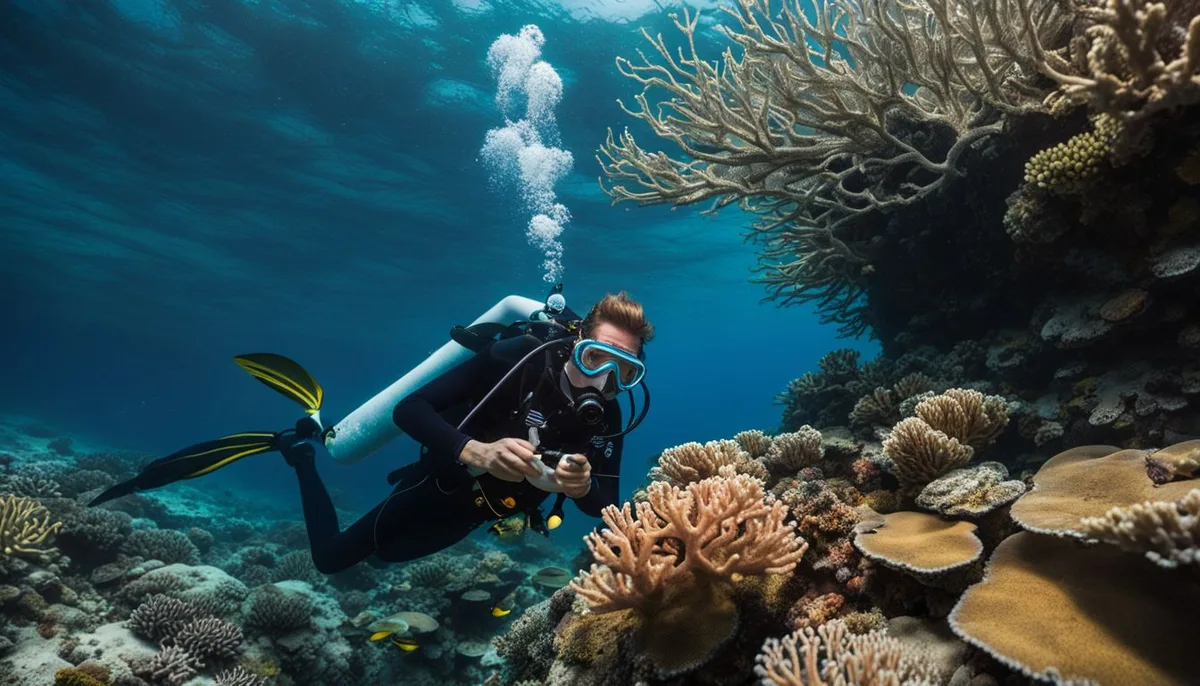
Imagine descending into the vibrant blue, surrounded by colorful coral and playful fish, only to have it all appear as a fuzzy watercolor painting. That's the reality for divers with uncorrected vision. While you might be able to tell there's something there, you miss the crucial details that make the underwater world so captivating.
More importantly, clear vision underwater is a safety essential.
You need to be able to read your dive computer, see your buddy's signals, identify potential hazards like marine life or currents, and navigate effectively. Relying on blurry vision can lead to disorientation, missed communication, and ultimately, unsafe diving practices. Standards for diver safety, like those promoted by the Professional Association of Diving Instructors (PADI), consistently emphasize clear communication and situational awareness, both of which depend on good vision.
Your Vision Correction Options for Diving
When it comes to diving with a prescription, you've got a few solid paths to choose from. It's not just about slapping your regular glasses into a mask. Each option has its own perks and potential drawbacks, and what works best really depends on your specific needs and comfort level.
We've broken down the most common and effective ways divers manage their vision underwater.
Prescription Dive Masks: The Ultimate Clarity
This is often considered the gold standard for divers who need vision correction. A prescription dive mask is designed from the ground up with your eyesight in mind, meaning it's fitted with lenses ground to your exact prescription. It’s like getting a new pair of eyeglasses, but specifically for the aquatic environment.
- How They Work: You'll visit an optometrist or a specialized dive shop. They take your prescription (for distance, reading, or even astigmatism) and order a dive mask with lenses that match it precisely. Some masks come with interchangeable lenses, allowing for various prescriptions, though custom-ground lenses offer the best correction. Manufacturer specifications often highlight the precision of the lens grinding for these masks.
- Pros:
- Superior Vision: Offers the clearest, most natural vision correction. You see the underwater world as crisply as you do on land.
- Comfort: They fit like a regular mask, with no added bulk or pressure points from your everyday glasses.
- No Extra Parts: Once fitted, it's a single piece of equipment, simplifying your dive setup.
- Cons:
- Cost: These are typically the most expensive option, as they are custom-made.
- Availability: You might need to special order them, and fitting requires professional expertise.
- Limited Customization: Once made, you can't easily change the prescription.

Over-the-Glasses (OTG) Masks: A Practical Fit
If you're looking for a more budget-friendly or temporary solution, an Over-the-Glasses (OTG) dive mask might be the way to go. These masks are built with extra internal volume, creating space so you can wear your regular eyeglasses underneath. Think of them as slightly larger, specialized masks designed to accommodate your existing eyewear.
- How They Work: You simply put on your regular glasses and then don the OTG mask. The mask's design ensures your glasses don't press uncomfortably against your face or fog up excessively from your breath. Some models have a soft skirt to prevent pressure marks.
- Pros:
- Uses Existing Glasses: You don't need to buy a whole new set of prescription lenses for a mask.
- Cost-Effective: Generally less expensive than custom prescription dive masks.
- Adaptable: If your prescription changes, you just update your regular glasses.
- Cons:
- Potential for Fogging: The extra space can sometimes lead to more fogging issues between your glasses and the mask lens.
- Bulkiness: They can feel larger and potentially more cumbersome than a standard or prescription mask.
- Fit Issues: Some users report that their glasses can shift or feel slightly misaligned within the mask.
Contact Lenses: The Convenient Choice
For many people who wear contact lenses daily, diving with them is a straightforward and highly convenient option. You essentially prepare for your dive the same way you'd prepare for any activity where you might get water in your eyes. The key is ensuring they stay put and are suitable for aquatic use.
- How They Work: You insert your contact lenses as usual before putting on your dive gear. Daily disposable lenses are often recommended for diving, as they can be discarded if they become uncomfortable or are lost underwater. Reusable lenses require diligent cleaning and care, and there's a slightly higher risk of irritation from prolonged submersion or improper rinsing.
- Pros:
- Excellent Vision: Provides a natural, wide field of vision without any additional equipment to manage.
- Comfortable: Most wearers find them very comfortable once inserted.
- Minimal Gear: No extra mask or glasses to worry about.
- Cons:
- Risk of Loss: Contacts can potentially dislodge during a dive, leaving you with blurry vision.
- Water Exposure: Getting water in your eyes can cause irritation or wash away the lens. It's crucial to keep your mask sealed or to have a way to handle a lost lens.
- Suitability: Not everyone is comfortable wearing contacts for extended periods or in water.

Weighing Your Options: Which Solution is Best for You?
Now that we've looked at the main ways to dive with vision correction, let's figure out which one fits you best. It's not a one-size-fits-all situation, and what’s perfect for one diver might not be ideal for another. Think about these points as you make your choice.
Pros and Cons at a Glance
Here’s a quick rundown to help you see the trade-offs:
| Feature | Prescription Dive Mask | Over-the-Glasses (OTG) Mask | Contact Lenses |
|---|---|---|---|
| Vision Clarity | Excellent | Good to Very Good | Excellent |
| Comfort | High | Moderate | High (if accustomed) |
| Cost | High | Moderate | Low to Moderate |
| Ease of Use | Simple (once fitted) | Simple | Simple (if experienced) |
| Fogging Potential | Low | Moderate to High | Low (if mask seals) |
| Risk of Loss | Very Low | Very Low | Moderate to High |
Who Should Choose What?
Understanding your personal needs will steer you toward the right option:
- For the Best Possible Vision: If you want the sharpest, most natural vision and don't mind investing a bit more, a prescription dive mask is your top choice. It’s like upgrading from standard binoculars to a high-powered telescope for underwater exploration.
- For Budget-Conscious Divers: If cost is a major factor and you have a standard prescription, an OTG mask can be a good starting point. It lets you use what you already have.
- For Simplicity and Minimal Gear: If you're already comfortable wearing contact lenses daily and don't mind the idea of them underwater, contact lenses offer a streamlined experience. Just remember to be prepared for the possibility of losing one.
Common Pitfalls to Avoid When Diving with Glasses
Even with the right equipment, divers can run into issues. Knowing what to watch out for can save you a lot of frustration underwater. Many common problems stem from not quite understanding how your chosen vision solution interacts with the dive environment.
- Fogging Up: This is probably the most frequent complaint. For prescription or OTG masks, this can happen because of temperature changes, residue on the lens, or even your breath. Using anti-fog spray or a proper mask defogger technique before you descend is crucial. With OTG masks, the gap between your glasses and the mask can be an extra culprit.
- Ill-Fitting Masks: Whether you wear glasses or not, a mask that doesn't seal properly will leak. This is even more critical when using OTG masks or contacts, as water ingress can be more problematic. Always do a thorough fit test by placing the mask on your face without the strap and inhaling gently, it should stay put. You might need to explore different best scuba diving masks for wide face if that’s an issue.
- Lens Scratches: Regular eyeglasses are prone to scratches, and if you’re using an OTG mask, these scratches can obstruct your view. Be extra careful when handling your glasses and the mask. Prescription dive masks are generally made with more durable lens materials.
- Contact Lens Discomfort or Loss: Forgetting to rinse your contacts properly after mask clearing, or having them dry out too much, can cause discomfort. The real risk, however, is if a contact lens comes loose during the dive, which can be disorienting. Always have a backup plan, like a spare pair of daily disposables or a way to manage if vision is compromised.
- Ignoring Your Prescription Needs: Trying to "make do" with blurry vision is a major safety risk. Your prescription is there for a reason, and trying to dive without adequate correction can impair your ability to navigate, communicate, and react to your surroundings.
Expert Tips for Crystal-Clear Dives
These aren't complicated procedures, just simple habits and techniques that make a big difference.
- Pre-Dive Mask Preparation: Always treat your dive mask lenses, whether they're prescription or standard. A good defogger, applied and rinsed properly, is your best friend. For new masks, remember to burn off the manufacturing residue first, a quick rub with toothpaste or a dive shop's special cleaner usually does the trick.
- Fit is King (Always): I can't stress this enough. A mask that leaks is useless, especially when you're dealing with prescription needs. Before every dive, do the suction test: hold the mask to your face without the strap, inhale, and it should stay put. If it doesn't, the skirt material or shape isn't right for your face.
- Contact Lens Care: If you're using contacts, bring a small saline solution or rewetting drops in your dive bag, just in case your eyes feel dry. And absolutely use daily disposables if you can. They’re less of a hassle if one gets lost, and you don't have to worry about cleaning them after a dive.
- Buddy Communication is Key: Make sure your dive buddy knows you wear glasses or use contacts. This way, if you have any vision-related issues, they can help you manage the situation. Clear communication is a core part of any safe dive.
- Consider Your Dive Goals: If you plan on taking underwater photos or videos, crystal-clear vision becomes even more critical. Investing in a good prescription mask will significantly enhance your ability to capture those stunning underwater moments. You'll want to see every detail for your best scuba diving camera.
Frequently Asked Questions About Diving and Vision
Can I just wear my regular glasses underwater?
No, you generally cannot comfortably or safely wear your regular eyeglasses inside a standard dive mask. They tend to fog up quickly, press uncomfortably against your face, and can easily shift or fall off, compromising your vision and mask seal. Specific over-the-glasses (OTG) masks are designed for this, but prescription masks are usually better.
What's the main difference between OTG masks and prescription masks?
OTG masks have extra internal space to fit over your existing eyeglasses. Prescription masks, on the other hand, have lenses custom-made or fitted to your specific prescription, replacing the standard mask lenses entirely for a sleeker, integrated solution. Prescription masks offer superior clarity and comfort.
Are contact lenses safe for scuba diving?
Yes, contact lenses are generally safe for scuba diving for most people. Daily disposable lenses are recommended as a precaution against loss or damage. However, it's crucial to ensure your mask seals properly to prevent water from flushing them out and to be prepared for potential discomfort or the need to remove them if they cause issues.
How do I get a prescription dive mask?
You’ll need to get your current vision prescription from an eye doctor. Then, find a dive shop that specializes in prescription dive masks. They will help you select a mask frame and order lenses ground to your specific prescription.
This process ensures a precise fit and optimal vision underwater.
What if my contact lens falls out while diving?
If a contact lens falls out underwater, your vision in that eye will become blurry. Assess the situation calmly. If you can still see well enough with your other eye and your mask is sealed, you may be able to continue the dive cautiously.
However, it's always safest to signal your buddy and ascend if your vision is significantly impaired.

