
Choosing between hiking and running can feel like a big decision for your fitness routine. Both get you outdoors and moving, but they offer different experiences and benefits. Do you want to immerse yourself in nature with a steady climb, or do you prefer the rhythmic beat of your feet on a trail or road, pushing your limits?
Understanding the core differences helps you pick the activity that best fits your goals and lifestyle.

Today's Exclusive Deals
Limited-time Exclusive Deals. Check current discount on Amazon.
Check Price on Amazon As an Amazon Associate I earn from qualifying purchases.Our research indicates that for comparable durations, hiking can burn more calories per hour than moderate-paced running, especially on challenging terrain. For instance, a study from the U.S. Department of Agriculture's Human Nutrition Research Center on Aging found that hiking uphill at a moderate pace could expend significantly more energy than running on a flat surface at the same intensity.
Let’s break down what makes each activity unique.
Hiking vs. Running
Deciding between hiking and running depends on your personal fitness goals, desired experience, and physical condition. Hiking is generally a lower-impact activity focused on exploring varied terrain and enjoying scenery, often involving longer durations and carrying a pack. Running is typically a higher-intensity cardiovascular workout, prioritizing pace and endurance on smoother surfaces or trails, with a greater focus on speed and efficiency.
Both offer substantial health benefits, but they engage your body differently.
Hiking: The Ups and Downs of Exploring on Foot
Hiking is essentially walking in a natural environment, often on trails that are uneven, steep, or rugged. It's more about the journey and the surroundings than just the physical exertion, though it's definitely a workout. You might be navigating forest paths, mountain slopes, or desert canyons.
The focus is on steady movement, enjoying the views, and experiencing the outdoors.

Image source: Bing (Web (fair-use with source credit))
What Hiking Really Is
At its heart, hiking is about sustained locomotion through natural landscapes. This involves more than just putting one foot in front of the other; it requires balance and coordination to handle varied surfaces like rocks, roots, and inclines. Hiking often includes carrying a backpack with essentials, which adds an element of resistance training.
It’s a holistic activity that engages your mind and body, encouraging mindfulness and a connection with nature.
Benefits of Hitting the Trail
Hiking offers a fantastic full-body workout with a lower risk of injury for many compared to high-impact running. It significantly improves cardiovascular health and endurance. The varied terrain naturally builds leg strength and improves balance and stability, which are crucial for preventing falls.
Hiking is also well-documented for its mental health benefits, reducing stress and improving mood by simply being in nature. As of 2026, studies continue to highlight the restorative effects of spending time outdoors.
When Hiking Might Not Be Your Best Bet
While hiking is accessible to many, it might not be ideal if you're training for a specific speed-based running event or looking for the most intense cardiovascular calorie burn in the shortest amount of time. The slower pace means you might not reach the same peak heart rate as you would during a run. Also, if you have significant joint issues, some challenging or very steep hikes could still put undue stress on your knees or ankles, depending on your specific condition and preparation.
Running: Pounding the Pavement (or Trail) for Fitness
Running is a form of locomotion where you move rapidly on foot, with both feet momentarily leaving the ground at the same time during each stride. It's a powerful cardiovascular exercise designed to build endurance, speed, and overall fitness. You can run on roads, treadmills, or dedicated trails, each presenting unique challenges and benefits.
Image source: Web (Bing) / stockcake.com (Web image (fair-use with source credit))
What Running Is All About
Running focuses on sustained, higher-intensity movement. It's a dynamic exercise that demands good form and consistent effort. Whether you're aiming for a personal best in a 5K or just enjoying a brisk jog, the emphasis is on propelling yourself forward efficiently.
The rhythmic nature of running can be meditative for some, while for others, it's a competitive challenge.
The Gains You Get From Running
Running is a king when it comes to cardiovascular conditioning. It dramatically improves heart health, lung capacity, and stamina. Our research shows that consistent running can lead to significant improvements in VO2 max, a key indicator of aerobic fitness.
It’s also incredibly effective for burning calories, aiding in weight management. Furthermore, running has been linked to improved bone density and enhanced mental resilience due to the discipline and perseverance it requires.
When Running Might Be Too Much
Running’s high-impact nature can be a concern. The repetitive shock on your joints, particularly knees and ankles, can lead to injuries like shin splints or plantar fasciitis if not managed properly. For individuals with pre-existing joint conditions, or those new to exercise, the immediate intensity might be too much, risking strain or sprains.
It also demands more specific footwear than hiking to provide adequate support and cushioning.
Hiking and Running: A Direct Face-Off
Both hiking and running are fantastic ways to get exercise and enjoy the outdoors, but they cater to different needs and preferences. Think of hiking as a scenic exploration with a robust workout, and running as a focused fitness challenge. The core differences lie in their intensity, impact, and the kind of experience they offer.
Pace and Intensity Differences
Hiking typically involves a slower, more consistent pace. Your heart rate stays elevated but usually within a moderate zone, especially on varied terrain. Running, on the other hand, is inherently faster and more intense.
Even a casual jog will likely push your heart rate into higher zones than a steady hike, making it a more powerful aerobic workout for shorter durations. Aggregate user feedback often highlights how the sustained effort of a long hike can feel less draining than a high-intensity run of the same length.
Terrain and Environment: Where Do They Shine?
Hiking excels in natural environments with varied terrain. Think rugged trails, steep inclines, rocky paths, and forest floors. It's about adapting to the ground beneath you and enjoying the journey.
Running can be done on roads, tracks, or trails, but its efficiency is often maximized on smoother surfaces. While trail running is popular, its demands increase significantly with technical terrain, blurring the lines with hiking in some aspects.
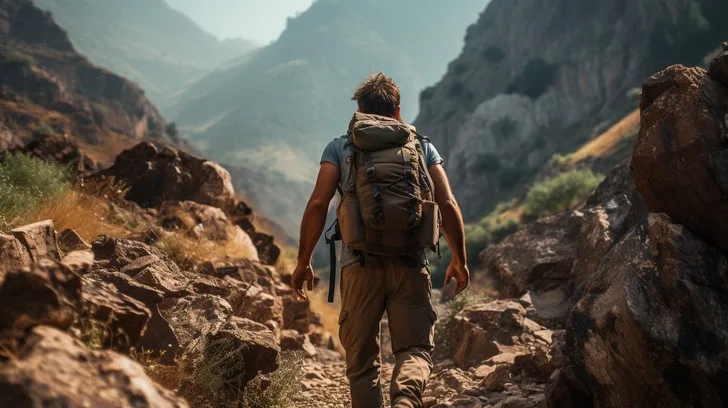
Image source: Bing (Web (fair-use with source credit))
Gear Up: What You Actually Need
For hiking, a good pair of supportive hiking boots or trail shoes is paramount, along with comfortable clothing, a backpack for essentials like water and snacks, and potentially trekking poles for stability on uneven ground. Running requires specialized running shoes designed for cushioning and support, moisture-wicking apparel to manage sweat, and perhaps a hydration pack or handheld water bottle for longer runs. The footwear choice is particularly critical for preventing injuries in both activities; for example, Do You Need Deadlift Shoes? discusses specialized footwear in another context, but the principle of appropriate gear holds true for any athletic pursuit.
Who Should Choose Which? Finding Your Fit
The "better" choice between hiking and running really boils down to what you want to get out of your exercise session. Are you looking for a way to explore nature at a relaxed pace, or do you want to push your cardiovascular limits? Understanding your personal goals and physical condition will guide you toward the activity that's right for you.
Best for Cardio Enthusiasts
If your primary goal is to boost your cardiovascular fitness and increase your stamina, running often takes the lead. The higher intensity and faster pace push your heart and lungs more rigorously, leading to quicker improvements in aerobic capacity. For instance, consistent running can significantly improve your VO2 max.
If you’re looking to push your limits and see rapid fitness gains, running is likely your go-to.
Best for Nature Lovers and Scenery Seekers
For those who crave immersion in the natural world and want to appreciate scenic beauty, hiking is the clear winner. The slower pace allows you to truly soak in your surroundings, notice details, and feel more connected to the environment. Hiking trails often lead to spectacular viewpoints that might be inaccessible by road.
It’s less about the speed and more about the experience of being outdoors.
Best for Joint Health and Lower Impact
Hiking generally offers a lower impact on your joints compared to running, especially on softer, well-maintained trails. The motion is less jarring, which can be beneficial for individuals with knee or ankle issues, or those looking for a gentler form of exercise. While both are weight-bearing activities that strengthen bones, the reduced pounding makes hiking a more sustainable option for long-term joint health for many people.
This is especially true when compared to high-impact running routines.
Best for Quick, Intense Workouts
When time is short and you need an efficient, high-intensity workout, running often fits the bill. A 30-minute run can deliver a powerful cardiovascular stimulus and burn a significant number of calories. While a hike of the same duration might be enjoyable, it typically won't provide the same level of cardiovascular challenge or calorie expenditure unless it involves very steep and demanding terrain.
If you need to maximize your fitness gains in a limited timeframe, running is usually the more efficient choice.
Common Stumbles: Mistakes to Sidestep
Both hiking and running are rewarding, but a few common errors can turn a great outing into a frustrating or even painful experience. Being aware of these pitfalls helps you prepare better and enjoy your activity more. Simple oversights, like improper gear or neglecting your body’s signals, can have a big impact.
Hiking Pitfalls to Watch For
One of the biggest mistakes is wearing the wrong footwear. Ill-fitting or unsupportive shoes can lead to blisters, ankle rolls, or foot fatigue, making even a short hike miserable. Another common error is not packing enough water or snacks, especially for longer treks, which can lead to dehydration and energy depletion.
Many beginners also underestimate the importance of checking weather forecasts; sudden storms can be dangerous in remote areas. Finally, going too fast too soon can cause exhaustion and soreness, making you less likely to return to the trail.
Running Risks You Can Avoid
For runners, neglecting a proper warm-up and cool-down is a frequent misstep that increases the risk of muscle strains and injuries. Overstriding or improper running form can also lead to issues like shin splints or knee pain over time. Another mistake is increasing mileage or intensity too quickly; your body needs time to adapt.
Pushing too hard too soon is a sure way to get sidelined with an injury. Finally, not listening to your body when it signals pain or fatigue is a recipe for disaster. Pushing through sharp pain is never advised and can turn a minor issue into a significant problem.
Getting Started: Your First Steps
Starting either hiking or running doesn't need to be complicated. The key is to begin gradually and focus on building a sustainable habit. It's about making the activity enjoyable so you'll stick with it long-term, rather than pushing yourself too hard from the outset.
Preparing for Your First Hike
For your initial hike, choose a well-marked, relatively flat trail that’s not too long, perhaps 2-3 miles. Wear comfortable, broken-in shoes that offer good support, like sturdy athletic shoes or light hiking boots. Pack a small backpack with at least a liter of water, a simple snack like a granola bar, and your phone.
Let someone know where you’re going and when you expect to be back. A basic warm-up, like a few minutes of walking and leg swings, can help prepare your muscles.
Gearing Up for Your First Run
When you’re starting running, focus on comfortable, supportive running shoes. You don't need the most expensive pair, but they should fit well and provide adequate cushioning. Wear comfortable, moisture-wicking athletic clothing that allows for freedom of movement.
Start with a run-walk strategy: alternate between jogging for one minute and walking for two, repeating this for 20-30 minutes. This allows your body to gradually adapt to the impact and cardiovascular demands.
Quick Guide: When to Pick Hiking vs. Running
Making a quick choice between hiking and running often comes down to your immediate goal and how much time you have.
- For a scenic, mindful experience and full-body engagement: Choose Hiking. It’s ideal for enjoying nature, building functional strength, and engaging in a lower-impact, longer-duration activity.
- For a powerful cardio blast, calorie burn, and speed training: Choose Running. It’s excellent for rapidly improving cardiovascular health, building endurance, and pushing your physical limits in a shorter timeframe.
- If joint health is a primary concern: Hiking generally offers a gentler option, provided you have supportive footwear and choose appropriate trails.
- When time is very limited: Running can often provide a more intense workout in less time than a comparable hike.
Ultimately, you don't have to pick just one. Many people enjoy incorporating both hiking and running into their fitness routines to gain a wider range of benefits.
Frequently Asked Questions About Hiking and Running
How do hiking and running compare for calorie burn?
In our research, hiking often burns more calories per hour than running, especially when the terrain is challenging or involves significant inclines, and when you're carrying a pack. However, running's higher intensity can lead to greater calorie expenditure in shorter durations. For example, a 155-pound person hiking uphill for 60 minutes might burn around 450-600 calories, while running at a 10-minute-mile pace for the same duration could burn approximately 500-700 calories.
What is the main difference in physical impact between hiking and running?
The primary difference lies in the impact force on your joints. Running involves a higher degree of impact with each stride as your feet strike the ground. Hiking, particularly on softer trails with good footwear, tends to have a lower impact, making it more joint-friendly for many individuals.
This is a key factor when considering long-term joint health.
Can hiking be as intense as running?
Yes, hiking can be as intense as running, or even more so, depending on the terrain and pace. Steep, technical mountain hikes with significant elevation gain and carrying a heavy pack can push your heart rate and energy expenditure to levels comparable to or exceeding moderate running. However, a casual stroll on a flat path will be much less intense than most forms of running.
Which activity is better for building muscle?
Both activities engage leg muscles, but hiking, especially with ascents and carrying weight, can be more effective for building overall lower body strength and endurance due to the varied resistance and stability challenges. Running primarily targets the cardiovascular system and leg endurance muscles, with less emphasis on building significant muscle mass compared to the functional strength gained from hiking. For upper body or core strength, neither is the primary focus.

