
When you're underwater, the increased pressure affects your body in ways you might not always feel immediately. Understanding what is decompression sickness in scuba diving is crucial for anyone who enjoys exploring beneath the waves, as it can have serious health consequences if not managed properly. It’s fundamentally about how your body handles the rapid changes in pressure experienced during a dive.
This condition arises when dissolved gases, primarily nitrogen, form bubbles in your tissues during ascent. Official dive training standards, like those set by the Divers Alert Network (DAN), emphasize slow, controlled ascents to allow these gases to release safely. Ignoring these guidelines can lead to a range of uncomfortable to life-threatening symptoms.

Today's Exclusive Deals
Limited-time Exclusive Deals. Check current discount on Amazon.
Check Price on Amazon As an Amazon Associate I earn from qualifying purchases.Quick Answer
Decompression sickness, commonly called "the bends," happens when nitrogen bubbles form in your body due to a rapid pressure decrease. Divers breathing compressed air absorb nitrogen into their tissues. If they ascend too quickly, this dissolved nitrogen can't escape smoothly, forming bubbles that disrupt blood flow and tissues, causing pain and other symptoms.
Following dive tables and computer limits prevents it.
What is Decompression Sickness (The Bends)? A Core Explanation
Decompression sickness (DCS), or "the bends," is a condition divers can experience when they return to the surface too quickly after a dive. At depth, the increased pressure causes gases from the air you breathe, mainly nitrogen, to dissolve into your body's tissues. Think of your body tissues like a sponge absorbing water.

Image source: Bing (Web (fair-use with source credit))
How Your Body Handles Pressure Underwater
When you're underwater, the ambient pressure is higher than on the surface. For every 33 feet (10 meters) you descend in saltwater, the pressure increases by one atmosphere (ATM). So, at 33 feet, you're under 2 ATM of pressure; at 66 feet, it's 3 ATM.
To balance this, your body absorbs nitrogen from your breathing gas into your blood and tissues. This is perfectly normal and usually handled well by your physiology as long as you ascend slowly.
Why Rapid Ascents Cause Problems: Nitrogen Bubbles
The trouble starts during ascent. When you rise too fast, the surrounding pressure decreases rapidly. Your body hasn't had enough time to release the dissolved nitrogen gradually.
Consequently, this nitrogen can come out of solution and form tiny bubbles within your bloodstream and tissues. These bubbles are the direct cause of DCS.

Image source: Web (Bing) / divebeginner.com (Web image (fair-use with source credit))
These bubbles can block small blood vessels, impairing oxygen delivery to tissues, or they can physically damage tissues. The severity of the symptoms depends on the size and location of these bubbles. Manufacturer specifications for dive computers, like those from Suunto or Garmin, incorporate complex algorithms to track nitrogen uptake and guide safe ascent profiles.
Key Risk Factors for Decompression Sickness
While DCS is primarily caused by rapid ascent, several factors can significantly increase a diver's risk, even on seemingly conservative dives. Being aware of these can help you make smarter decisions underwater and on the surface. It's a complex interplay of dive planning, physiology, and behavior.
Dive Profile: Depth and Time
The deeper you go and the longer you stay down, the more nitrogen your body absorbs. This is the most fundamental principle in dive planning. Even short, deep dives can load your tissues with a significant amount of nitrogen.
For instance, a dive to 100 feet (30 meters) for 20 minutes will result in more nitrogen loading than a dive to 30 feet (9 meters) for the same duration. Dive tables and computers are designed to calculate these limits to keep nitrogen levels within safe physiological thresholds.
Ascent Speed and Safety Stops
This is arguably the most critical factor. Ascending too quickly prevents your body from off-gassing the absorbed nitrogen effectively. Dive agencies universally recommend ascent rates typically no faster than 30 feet per minute (approximately 9 meters per minute).
Many dive computers also prompt divers to perform safety stops at a specific depth (often 15-20 feet or 5-6 meters) for several minutes. These stops provide an extra buffer, allowing more nitrogen to be released safely before reaching the surface. Failing to adhere to these recommended ascent rates and safety stops is a direct pathway to developing DCS.
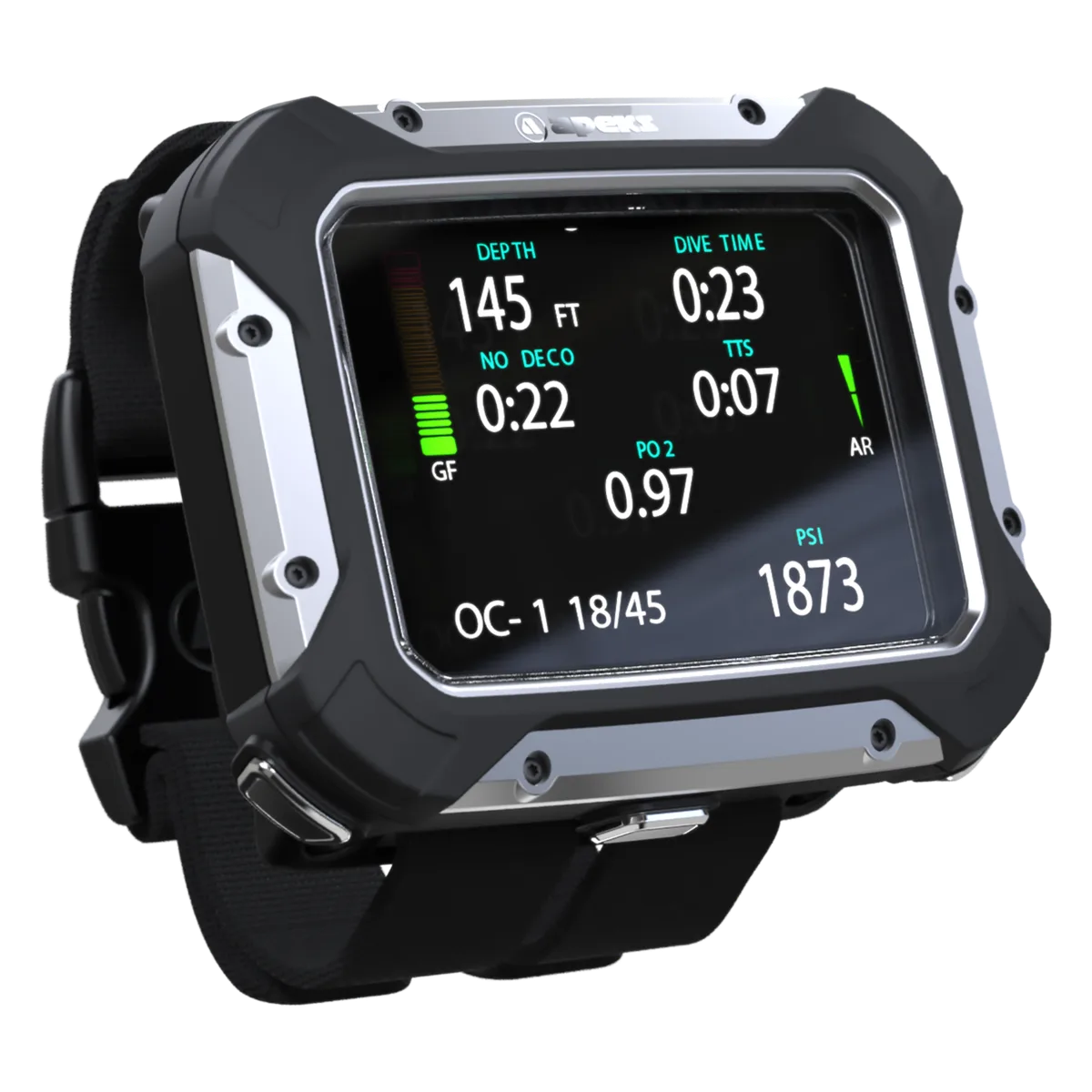
Image source: Web (Bing) / scubadiving.com (Web image (fair-use with source credit))
Other Contributing Factors: Dehydration, Exertion, and More
Beyond the dive profile itself, certain conditions and behaviors can increase DCS risk. Dehydration is a significant one, as it can reduce blood volume and circulation, potentially hindering the efficient off-gassing of nitrogen. Engaging in strenuous physical activity immediately after a dive can also be problematic.
The increased heart rate and circulation can move nitrogen bubbles around the body more quickly, potentially causing them to lodge in critical areas. Other factors like pre-existing medical conditions, obesity, and even individual variations in physiology can play a role. It's why dive professionals often emphasize maintaining good overall health and hydration, especially when planning multiple dives.
Essential Safety Practices to Prevent DCS
Preventing decompression sickness is at the forefront of safe diving practices. It’s not just about following rules; it's about understanding the "why" behind them and making them a part of your diving habit. These practices are built on decades of research and experience within the diving community and are fundamental to diver certification courses worldwide.
Mastering Controlled Ascents
A controlled ascent is your primary defense against DCS. This means ascending slowly and steadily, without any rapid surges upwards. The generally accepted maximum ascent rate recommended by most dive training agencies, including PADI and NAUI, is 30 feet per minute (around 9 meters per minute).
Many divers find it helpful to hold a submersible pressure gauge or their dive computer and actively monitor their ascent speed. Some even use a rhythmic finning technique to maintain a consistent, slow rise. Erratic ascents, where you might accidentally shoot up from depth, significantly elevate your risk.
The Role of Safety Stops and Dive Computers
Safety stops are an integral part of preventing DCS, acting as a crucial buffer zone. While not always mandatory on very shallow, short dives, they are highly recommended for most recreational dives exceeding certain depth and time limits. A typical safety stop involves pausing at 15-20 feet (5-6 meters) for 3-5 minutes.
During this pause, your body can release accumulated nitrogen more efficiently due to the reduced ambient pressure, further minimizing the risk of bubble formation. Modern dive computers, like those from Mares or Cressi, are invaluable tools for managing this. They track your nitrogen loading in real-time and will alert you if a safety stop is needed, and for how long.
These devices are designed to follow the latest decompression models, offering a sophisticated layer of safety for your dives. You can find great options among the best scuba diving computers to suit your needs.
Smart Dive Planning: Tables vs. Computers
Effective dive planning is the bedrock of safe diving and DCS prevention. Historically, divers relied on paper dive tables, such as the PADI RDP (Recreational Dive Planner) or NAUI's tables, to calculate no-decompression limits (NDLs) for various depths and times. These tables provide conservative guidelines for single dives and repetitive dives.
Today, however, most divers use dive computers. These electronic devices continuously monitor your depth and time underwater, calculating your nitrogen absorption and providing real-time no-decompression limits, ascent rates, and required safety stop durations. While dive tables remain a valid and important tool, especially as a backup, dive computers offer a more dynamic and often more forgiving approach to dive planning, adapting to your actual dive profile.
For example, a dive computer from Shearwater Research can offer multiple dive algorithms, allowing experienced divers to select one that best suits their preferences while still adhering to established safety principles.
Recognizing the Symptoms of Decompression Sickness
Spotting DCS early is critical, as prompt recognition and treatment dramatically improve outcomes. The symptoms can be incredibly varied, and they don't always appear immediately after a dive. Because they can mimic other conditions, divers and dive buddies need to be vigilant.
Early Warning Signs: What to Look For
The most commonly known symptom, giving DCS its name, is pain in the joints, particularly the elbows and shoulders. This pain can range from a dull ache to a sharp, stabbing sensation. Other early signs might include skin itching, a rash, or unusual fatigue that feels deeper than just being tired from diving.
Sometimes, divers report feeling generally unwell, with a sense of unease or disorientation. These seemingly minor symptoms should never be ignored after a dive, especially if they appear within a few hours of surfacing.
More Serious Indicators
When DCS progresses, the symptoms can become much more severe and affect various bodily systems. Neurological symptoms are common and can include numbness, tingling sensations (paresthesia), dizziness, loss of balance, or confusion. Some divers experience muscle weakness or even paralysis.
Respiratory symptoms, such as shortness of breath or chest pain, can also occur. In severe cases, DCS can affect the inner ear, leading to ringing in the ears or vertigo. It's crucial to remember that even if only one symptom is present, it warrants immediate attention.
When Symptoms Might Appear
The onset of DCS symptoms can be quite variable. In many cases, symptoms appear within 15 minutes to a few hours after surfacing. However, it's not unheard of for symptoms to develop up to 24 hours after a dive, or in very rare instances, even longer.
This variability means that vigilance must be maintained even after you've packed away your gear. This is why dive professionals strongly advise against flying or traveling to high altitudes for at least 18-24 hours after completing a dive series.
What to Do If You Suspect DCS: Immediate Actions and Treatment
If you or a dive buddy experiences symptoms that could be DCS, acting quickly is paramount. The goal is to stabilize the situation and get professional medical help as soon as possible. Time is of the essence when dealing with potential decompression sickness.
Administering Oxygen
The first and most critical step is to administer 100% oxygen to the affected individual. Emergency oxygen kits are standard equipment on dive boats and at dive centers for this very reason. Breathing pure oxygen helps to reduce the size of the nitrogen bubbles and encourages the body to release the dissolved nitrogen more rapidly.
It's not a substitute for professional medical care, but it's a vital immediate treatment that can significantly improve the outcome while awaiting further medical assistance. Ensure the person is breathing normally before administering oxygen, and follow the instructions provided with the kit.
Seeking Emergency Medical Help
Once oxygen is being administered, the next urgent step is to contact emergency medical services or a dive physician. DCS requires specialized medical treatment. Inform the medical responders that you suspect decompression sickness and provide as much detail as possible about the dive profile (depth, time, ascent rate, any safety stops) and the symptoms observed.
Early notification allows medical facilities to prepare for the specific needs of a DCS patient.
Understanding Recompression Therapy
The definitive treatment for decompression sickness is recompression therapy. This involves placing the patient in a hyperbaric chamber, which is a sealed room that can recreate the high-pressure environment of the ocean. By gradually increasing the pressure in the chamber, the nitrogen bubbles are reduced in size and reabsorbed into the body's fluids.
The pressure is then slowly decreased over several hours, allowing the nitrogen to be released safely and efficiently. This process is managed by trained medical professionals and is crucial for fully resolving DCS and preventing long-term complications.
Frequently Asked Questions About Decompression Sickness
Is decompression sickness always painful?
No, decompression sickness isn't always painful. While joint pain is a classic symptom, DCS can also manifest as numbness, dizziness, fatigue, skin issues, or even paralysis. Some cases might present with very subtle symptoms or none at all until later stages.
Can you get DCS on very shallow dives?
It's extremely rare to get DCS on very shallow dives (under 30 feet or 9 meters) if you stick to normal ascent rates and don't exceed recommended bottom times. However, if you do a series of shallow dives with minimal surface intervals, nitrogen can still build up, increasing the risk.
How long should I wait to fly after diving?
The standard recommendation is to wait a minimum of 18-24 hours after a single, no-decompression dive before flying. For multiple dives or dives requiring decompression stops, the recommended waiting period increases to 24-48 hours. This allows your body to off-gas remaining nitrogen.
Can a dive computer prevent DCS completely?
A dive computer is an essential tool for managing DCS risk by guiding safe ascent and dive profiles. However, it cannot guarantee complete prevention. Following its guidance strictly, along with proper training and conservative dive practices, is key.
User error or ignoring computer warnings can still lead to issues.
Verified Information Sources for Diver Safety
For the most accurate and up-to-date information regarding decompression sickness and dive safety, relying on authoritative sources is essential. These organizations have dedicated significant resources to research, training, and developing safety protocols for divers worldwide. Organizations like the Divers Alert Network (DAN) are at the forefront of dive medicine research and provide critical resources for divers.
Their work, often published in peer-reviewed journals, forms the basis for many current dive safety recommendations.
Additionally, major dive training agencies such as PADI (Professional Association of Diving Instructors), NAUI (National Association of Underwater Instructors), and SSI (Scuba Schools International) provide comprehensive certifications that cover the principles of dive physics and physiology, including the risks associated with DCS. Their educational materials are developed with input from leading dive safety experts and reflect established best practices. Keeping your dive skills current and staying informed through these credible channels is a vital part of being a responsible diver.

