Image source: Web (Bing) / stockcake.com (Web image (fair-use with source credit))

Today's Exclusive Deals
Limited-time Exclusive Deals. Check current discount on Amazon.
Check Price on Amazon As an Amazon Associate I earn from qualifying purchases.Can You Scuba Dive With a Cold? A Direct Answer
So, you've got a cold and a dive trip planned. It's a question that pops up for many divers: Can you scuba dive with a cold? While the urge to jump back in the water might be strong, especially after planning a trip, the simple answer from a safety perspective is usually no.
Diving involves significant pressure changes that can turn a minor cold into a serious dive emergency.
It's not about being overly cautious; it's about understanding the real physiological risks. When you're congested, the air spaces in your head, particularly your sinuses and middle ears, can't equalize properly under pressure. This can lead to painful barotrauma.
In our research, diving medicine professionals consistently advise against diving if you have any cold symptoms, citing risks that are magnified significantly below the surface.
Quick Answer: Why Diving With a Cold Is a Risky Proposition
No, you generally cannot scuba dive with a cold. Diving requires your sinuses and ears to equalize pressure easily. Congestion from a cold blocks these air spaces.
This blockage can cause severe sinus squeeze and ear barotrauma. It also impairs judgment. Divers should be symptom-free before diving.
Understanding the Pressure: How Colds Affect Your Dive Physiology
When you're breathing normally on land, air moves freely between the atmosphere and the air-filled cavities in your body, like your sinuses and middle ears. Your Eustachian tubes, which connect your middle ears to the back of your throat, are like little valves that open and close to let pressure equalize. Similarly, your sinuses have small openings, called ostia, that allow for air exchange.
Colds, flu, and allergies cause inflammation and mucus buildup, essentially sealing off these crucial pathways.
As you descend during a dive, the surrounding water pressure increases significantly. Your dive gear, like your best scuba diving regulator for beginners 2026, is designed to deliver air at ambient pressure, but your body's air spaces still need to equalize to match that increasing external pressure. If the Eustachian tubes or sinus ostia are blocked by congestion, the air trapped inside these cavities gets compressed.
This creates a pressure imbalance, with higher pressure outside your body than inside, leading to potential injury.
Sinus Squeeze & Ear Problems: The Direct Dangers of Congestion Underwater
The most common and serious risks of diving with a cold are sinus squeeze and ear barotrauma. Sinus squeeze, also known as facial barotrauma, happens when the compressed air in your sinuses can't escape as you descend. This can cause intense pain, nosebleeds, and even damage to the sinus lining and surrounding tissues.
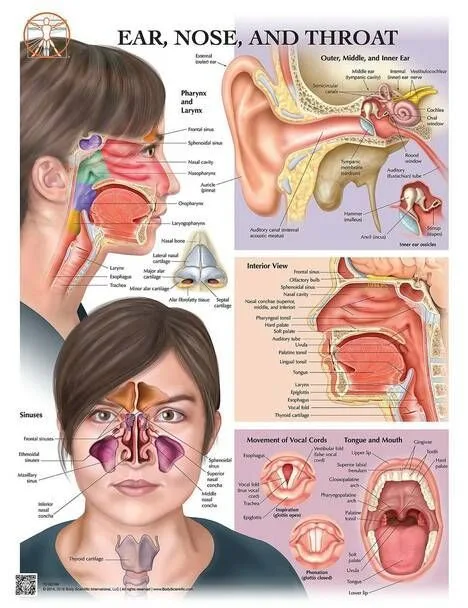
Ear barotrauma is equally concerning. If your Eustachian tubes are blocked, you won't be able to equalize the pressure in your middle ear. This can lead to severe ear pain, dizziness, and potentially a ruptured eardrum.
A ruptured eardrum is not only painful but can also lead to hearing loss and increase your risk of decompression sickness due to abnormal bubble formation. The medical consensus, as often highlighted by organizations like Divers Alert Network (DAN), is that you must be able to equalize easily and painlessly before considering a dive.
Beyond Physical Risks: Impaired Judgment and Your Dive Safety
Diving isn't just about physical mechanics; it's also a mental activity that requires focus and clear decision-making. When you're feeling unwell with a cold, your cognitive abilities can be compromised. You might experience fatigue, reduced concentration, and slower reaction times.
This is dangerous underwater where you need to be fully aware of your surroundings, your air supply, your dive buddy, and any changes in conditions.
Aggregate reviews from dive safety studies indicate that divers who are not feeling 100% are more prone to making errors. These errors can range from neglecting pre-dive checks to misinterpreting dive signals or becoming disoriented. The exertion of diving, even in warm water requiring a best scuba diving wetsuit for warm water 2027, can also be more taxing when your body is already fighting an infection, leading to premature fatigue.
Expert Recommendations: What Dive Safety Organizations Advise
Leading dive safety organizations and medical professionals are unequivocal: do not dive with a cold. Groups like Divers Alert Network (DAN) and the Undersea and Hyperbaric Medical Society provide clear guidelines emphasizing that divers should be free of all cold and sinus symptoms for at least 24 hours before descending. This period ensures that any residual inflammation or congestion has resolved.

For instance, DAN's guidelines often state that if you cannot equalize your ears or sinuses comfortably and without pain, you should not dive. This principle applies directly to having a cold. They recommend rescheduling your dives until you are completely symptom-free.
This proactive approach to diver health is crucial for preventing serious incidents and ensuring long-term diving capability.
When to Get Medical Advice for Diving After Illness
If you've had a significant cold, flu, or ear infection, or if you experience any persistent symptoms like ear pain, dizziness, or nasal congestion that doesn't clear up quickly, it's wise to consult a doctor. A dive physician or a medical professional familiar with diving medicine can properly assess your condition. They can confirm whether your ear and sinus passages are clear and safe for diving.
This is especially important if your illness involved your ears or sinuses, as these are the most critical areas for pressure equalization. They can also advise on how long you should wait after recovering before resuming diving activities. Ignoring lingering symptoms or rushing back into diving could lead to serious or permanent injury.
Remember, proper medical clearance ensures you can enjoy diving safely for years to come.